
In the global consumer goods market, few categories are as fiercely contested or as psychologically driven as oral care. When a consumer asks, “What is the best sensitive toothpaste?” they aren’t just looking for a chemical compound to block dentinal tubules; they are looking for a promise of relief. From a brand strategy perspective, the “best” toothpaste is the one that has successfully occupied the mental real estate of the consumer through clinical authority, emotional resonance, and consistent brand identity.
The sensitive toothpaste market is a multi-billion dollar segment of the Fast-Moving Consumer Goods (FMCG) industry. It is a niche defined by high brand loyalty and a “problem-solution” marketing framework. To understand which brand truly holds the title of the “best,” we must look beyond the ingredients and analyze the strategic maneuvers that allow brands to dominate the pharmacy shelves and the consumer’s subconscious.
Defining the Category: How Brands Own a Health Concern
The hallmark of a successful brand is its ability to become synonymous with a specific solution. In the world of dentin hypersensitivity, one brand stands as the undisputed titan of category ownership.
The Sensodyne Case Study: Category Creators
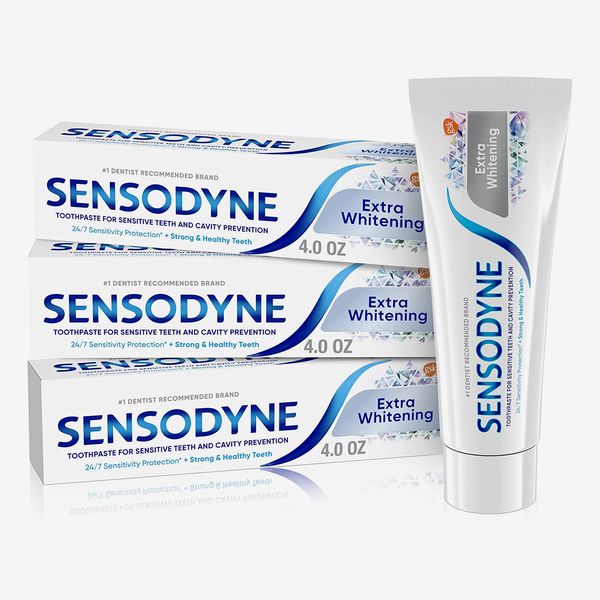
Sensodyne, owned by Haleon (formerly part of GSK), is perhaps the greatest example of category branding in modern history. While other brands like Colgate and Crest treat sensitivity as a “feature” in a broader lineup, Sensodyne built its entire corporate identity around this single pain point.
By narrowing their focus, they achieved what brand strategists call “the law of focus.” When a consumer experiences a sharp pain while eating ice cream, the brand name “Sensodyne” is often the first thing that comes to mind. This is not accidental. It is the result of decades of positioning the brand as a specialist rather than a generalist. In the eyes of the consumer, a specialist is always “better” than a generalist, allowing Sensodyne to command a premium price point and a dominant market share.
Brand Equity and Consumer Trust
The “best” sensitive toothpaste is often determined by the “Trust Barometer.” Sensitivity is a medicalized concern, which means the brand must bridge the gap between a daily cosmetic ritual (brushing teeth) and a healthcare intervention.
Brands that win in this space invest heavily in Brand Equity—the perceived value of the name over the product itself. When a consumer chooses a “Pro-Namel” or a “Repair and Protect” variant, they are buying into a narrative of scientific advancement. The brand strategy here is to move the product away from the “grocery” category and into the “pharmaceutical” category, where price sensitivity is lower and brand loyalty is higher.
Marketing the Science: Clinical Claims as Brand Identity
In a crowded market, how does a brand prove it is the “best”? It does so by weaponizing science. For sensitive toothpaste brands, the ingredient list is not just a regulatory requirement; it is a marketing powerhouse.
Professional Endorsements: The “Dentist Recommended” Hook
If you watch any commercial for the top sensitive toothpaste brands, you will notice a recurring theme: the “White Coat Effect.” Brand strategy in this niche relies heavily on professional validation. By positioning themselves as the “No. 1 Dentist Recommended Brand,” Sensodyne and its competitors leverage authority bias.
This strategy is dual-layered. First, the brand markets directly to dental professionals (B2B), providing them with samples and clinical data. Second, they use that professional approval to market to the consumer (B2C). The “best” toothpaste is the one that has the most credible experts standing behind it. This creates a feedback loop where the dentist’s recommendation reinforces the brand’s televised claims, solidifying its position as the market leader.
Visual Cues and Packaging Design
The visual identity of a sensitive toothpaste brand is meticulously crafted to communicate efficacy. Unlike whitening toothpastes, which often use bright, holographic, and “glamorous” packaging, sensitive toothpastes utilize “clinical” aesthetics.
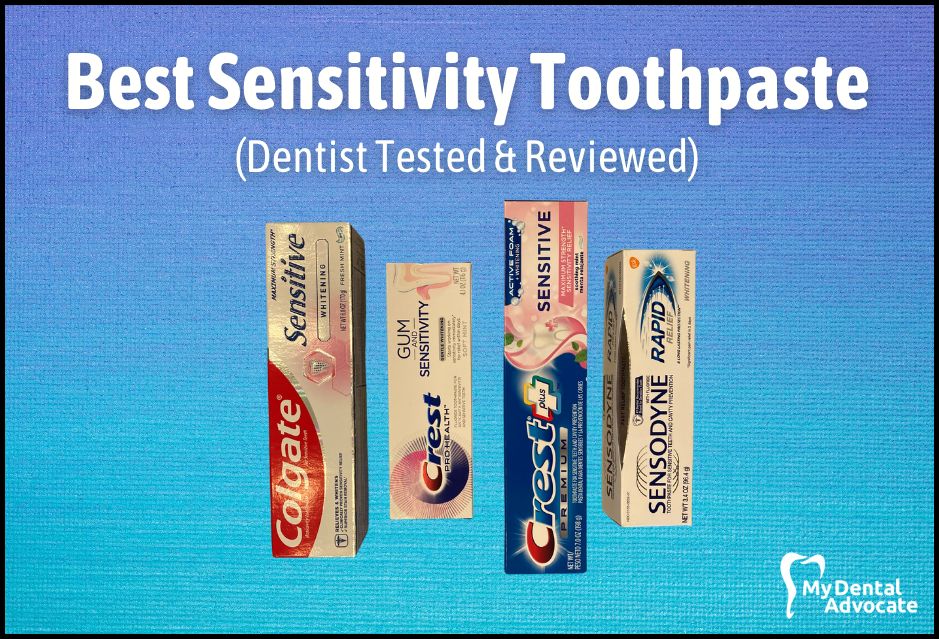
Think of the color palettes: cool blues, sterile whites, and metallic silvers. These colors are strategically chosen to evoke feelings of cooling relief, cleanliness, and advanced technology. The typography is usually bold and sans-serif, suggesting modern medical authority. Even the inclusion of microscopic diagrams of teeth on the box serves a branding purpose: it tells the consumer that the product is working at a structural level, even if they don’t fully understand the chemistry of potassium nitrate or stannous fluoride.
Competitive Landscape: Market Leaders vs. Boutique Challengers
The struggle to be the “best” is a battle between the incumbents who have the distribution power and the challengers who have the “cool” factor.
Colgate and Crest: The Extension Strategy
For giants like Colgate-Palmolive and Procter & Gamble (Crest), the strategy is one of “Line Extension.” They cannot afford to let Sensodyne own the sensitivity market entirely. Their approach to being the “best” involves integrating sensitivity relief into a multi-benefit product.
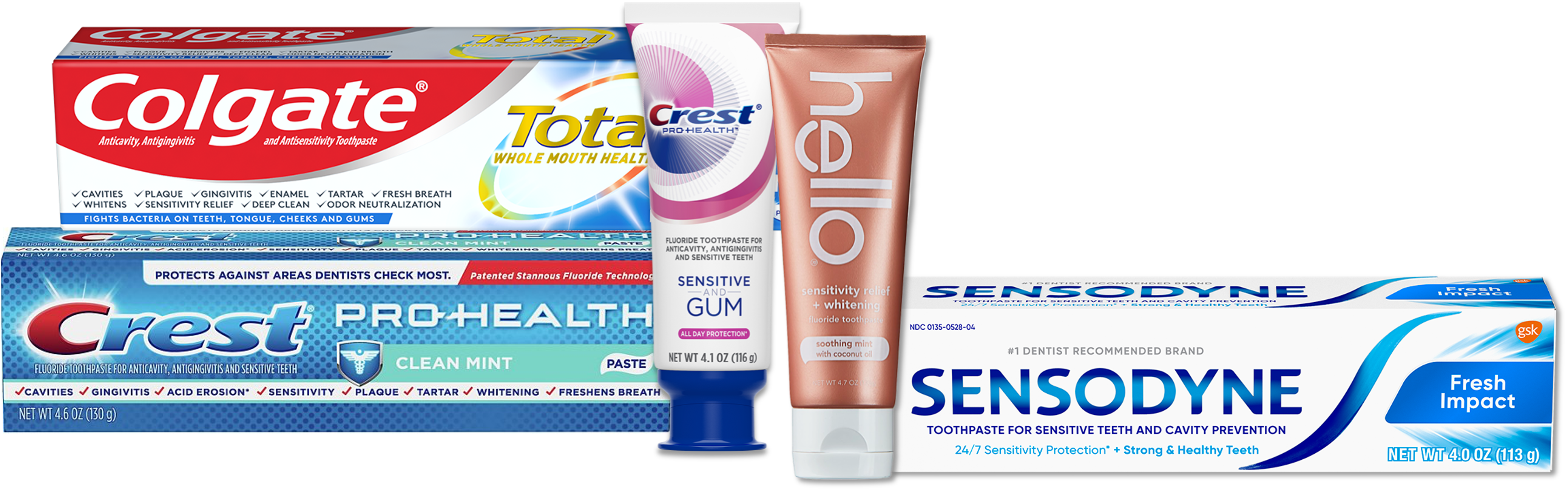
For example, Colgate Sensitive Pro-Relief or Crest Gum and Sensitivity are marketed to the consumer who wants it all—whitening, cavity protection, and sensitivity relief. Their brand strategy is built on convenience and the “Master Brand” philosophy. They leverage the massive trust already associated with the Colgate and Crest names to capture the segment of the market that isn’t quite ready to switch to a specialist brand but still needs relief.
The Rise of Natural and Boutique Brands
In recent years, a new segment has emerged: the “Clean Label” challenger. Brands like Hello (now owned by Colgate) or Davids target the millennial and Gen Z demographic by focusing on “Brand Purpose” and “Ingredients Transparency.”
To these consumers, the “best” sensitive toothpaste is one that is fluoride-free, SLS-free, and packaged in sustainable materials. The brand strategy here shifts from “Clinical Authority” to “Ethical Authority.” These brands don’t compete on the number of dentists who recommend them; they compete on their carbon footprint and the “purity” of their ingredients. This niche is growing rapidly as consumers increasingly view their oral care routine as an extension of their lifestyle and values.
Brand Positioning and the Future of Oral Care
As we look toward the future, the definition of the “best” sensitive toothpaste is shifting from a static product to a personalized experience.
Premiumization and Value Perception
There is a clear trend toward “Premiumization” in the oral care industry. Brands are launching high-end versions of their sensitive toothpastes, often priced at two or three times the cost of a standard tube. By adding ingredients like “Bio-Active Glass” or “Nano-Hydroxyapatite,” brands are creating a “Luxury Sensitive” tier.
The strategy here is to appeal to the “Affluent Health-Conscious” consumer. By positioning the product as a high-tech tool for “bio-hacking” your dental health, these brands move the conversation away from simple pain relief and toward long-term longevity and performance. In this context, the “best” brand is the one that feels the most exclusive and technologically advanced.
Digital Branding and Direct-to-Consumer (DTC) Trends
The way consumers discover the “best” products has moved from the television screen to the smartphone screen. Modern brand strategy for sensitive toothpaste involves heavy investment in Influencer Marketing and Search Engine Optimization (SEO).
When a consumer types “what is the best sensitive toothpaste” into a search engine, the brands that appear in the top spots—either through organic content or paid ads—are the ones that will win the market share of the future. Furthermore, the rise of subscription-based oral care (like Quip or Boka) shows a shift toward convenience as a brand pillar. The “best” toothpaste is no longer just about the formula; it’s about how seamlessly the brand fits into the consumer’s digital and physical life.
Conclusion: The Brand is the Ingredient
Ultimately, determining “what is the best sensitive toothpaste” is less about a laboratory test and more about a brand’s ability to deliver on a promise. Sensodyne wins on specialized authority; Colgate wins on mass-market accessibility; and boutique brands win on ethical alignment.
The best sensitive toothpaste is a triumph of brand strategy—a perfect alignment of product efficacy, visual communication, professional endorsement, and consumer psychology. For a brand to remain “the best,” it must continuously evolve its narrative to meet the changing expectations of the modern consumer, ensuring that when that sharp jolt of sensitivity hits, their name is the only one that provides a sense of relief.
aViewFromTheCave is a participant in the Amazon Services LLC Associates Program, an affiliate advertising program designed to provide a means for sites to earn advertising fees by advertising and linking to Amazon.com. Amazon, the Amazon logo, AmazonSupply, and the AmazonSupply logo are trademarks of Amazon.com, Inc. or its affiliates. As an Amazon Associate we earn affiliate commissions from qualifying purchases.