
In the world of marketing and corporate identity, few things are as potent as a “sonic brand”—a sound, a melody, or a song that instantly triggers a specific set of associations in the consumer’s mind. When most people hear the resonant call of “Day-O,” they are instantly transported to the Caribbean. While “The Banana Boat Song” is, at its core, a traditional Jamaican folk song about dockworkers loading bananas onto ships, its evolution from a work chant to a global phenomenon offers profound insights into brand strategy, personal branding, and the power of cultural storytelling.
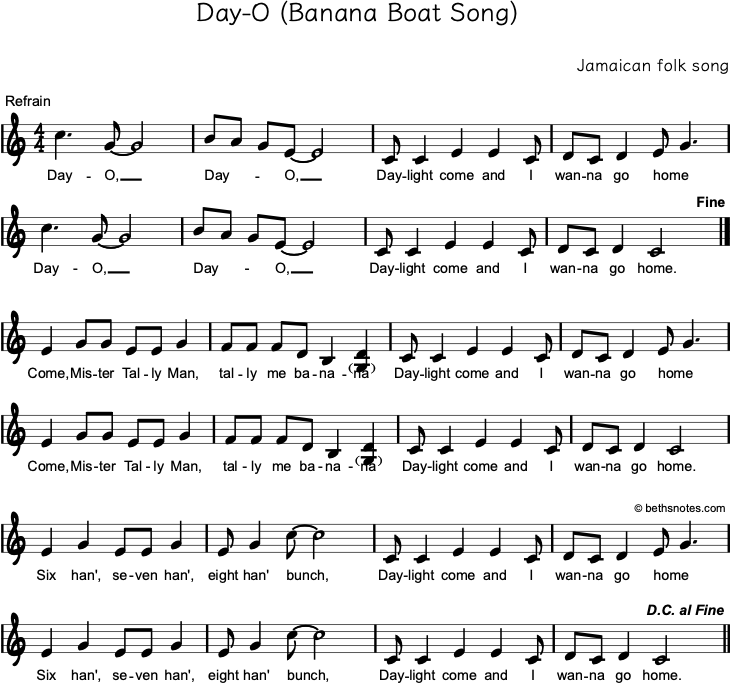
To understand what “The Banana Boat Song” is truly about in a professional context, one must look past the lyrics and examine the song as a masterclass in brand positioning. It represents the intersection of social consciousness and commercial success, illustrating how a narrative of labor and resilience can be packaged into a global brand that has endured for over half a century.
The Architecture of a Global Personal Brand
When Harry Belafonte released “The Banana Boat Song (Day-O)” in 1956, he wasn’t just releasing a single; he was launching a meticulously crafted personal brand that would bridge the gap between folk authenticity and mainstream commercial appeal. At the time, the American music market was deeply segregated, and Belafonte’s ability to navigate this landscape provides a blueprint for modern brand strategy.
Harry Belafonte and the Strategic Crossover
Belafonte’s personal brand was built on the concept of the “sophisticated activist.” He took the raw, unpolished work songs of the Jamaican labor force and refined them with high production values and a charismatic delivery. This was a strategic crossover. By softening the edges of the protest song without losing its soul, he created a “brand” that was palatable to the American suburbs while remaining a symbol of pride for the Caribbean diaspora. In branding terms, this is known as “localization for a global audience”—taking a niche, regional product and adjusting its presentation to meet the demands of a broader market without sacrificing its core identity.
Authenticity as a Brand Value
In modern marketing, “authenticity” is often a buzzword, but for Belafonte, it was the foundation of his brand equity. “The Banana Boat Song” is about the “tallyman” who counts the bananas and the workers who labor through the night. By singing about the real-world struggles of his heritage, Belafonte established a brand of “truth-telling.” This authenticity allowed him to transition from a singer to a civil rights leader, as his audience trusted the “brand” he had built. It serves as a reminder that the most enduring brands are those built on a foundation of genuine human experience and narrative truth.
Cultural Branding: From Labor Protest to Caribbean Export
“The Banana Boat Song” did more than just elevate Harry Belafonte’s career; it effectively branded an entire geographic region. Before the mid-1950s, the Western perception of the Caribbean was fragmented. Through the “Calypso” album—the first LP to sell over a million copies—Belafonte and this specific song created a cohesive cultural brand for the West Indies.
The Narrative of the “Calypso King”
The “Calypso King” was more than a nickname; it was a corporate identity. This branding effort successfully associated the Caribbean with a specific sound, aesthetic, and mood. For many in the United States and Europe, “The Banana Boat Song” became the sonic logo for the “Island Life” brand. This demonstrates the power of a single product to define a category. Much like “Kleenex” represents tissues, “The Banana Boat Song” became the synonymous representative of Caribbean music for a global audience, showcasing how a dominant brand can capture an entire market segment’s imagination.

Impact on the Tourism and Travel Brand
The commercial success of the song had an unintended but massive impact on the tourism industry. The upbeat, rhythmic nature of the music (despite the somber lyrics about back-breaking labor) helped package the Caribbean as a destination of vibrant culture and tropical leisure. This is a classic example of “rebranding through association.” The tourism boards of Jamaica and other islands benefited from the “halo effect” of Belafonte’s success. The song created a desire for the “experience” that the music promised, illustrating how entertainment brands often drive the success of physical, service-based industries like travel and hospitality.
The Phenomenon of Brand Association and Confusion
In the decades following its release, “The Banana Boat Song” has encountered a fascinating branding challenge: the overlap between a cultural masterpiece and a commercial product. The name “Banana Boat” is now equally famous as a brand of sun care products, leading to a unique case study in brand association and the importance of intellectual property.
The Intersection with Banana Boat Sunscreen
The “Banana Boat” sunscreen brand, founded in the late 1970s, utilized the same tropical, sun-soaked imagery that the song had popularized twenty years earlier. While there is no formal connection between the song and the sunscreen company, the “brand memory” created by the song undoubtedly paved the way for the sunscreen’s market entry. Consumers already had a positive, tropical association with the phrase “Banana Boat.” This is an example of “conceptual piggybacking,” where a new brand benefits from the pre-existing cultural resonance of a phrase or concept. It highlights the importance for brand managers to understand the “cultural landscape” before naming a product, as existing associations will color consumer perception.
Maintaining Brand Integrity in the Age of Licensing
The song has been used in countless commercials, films (most notably Beetlejuice), and sporting events. For the stewards of the Belafonte legacy, the challenge lies in “brand dilution.” When a song becomes a parody or a stadium chant, it risks losing its original meaning. From a brand management perspective, “The Banana Boat Song” teaches us about the lifecycle of an asset. To keep a brand relevant, it must be allowed to evolve and enter new spaces, but it must also be anchored by its “brand story”—in this case, the story of the workers loading the “six-foot, seven-foot, eight-foot bunch.”
Modern Brand Lessons from a 1950s Hit
What can a modern CMO or entrepreneur learn from a song about loading fruit onto a ship? The endurance of “The Banana Boat Song” provides several timeless lessons in brand strategy that are as applicable in the digital age as they were in the era of vinyl records.
The Power of Repetitive “Hooks” in Marketing
The “Day-O” call-and-response is one of the most effective “hooks” in history. In branding, a hook is a repetitive element that ensures recall. Whether it’s a jingle, a logo, or a specific brand color, consistency and repetition are the keys to carving out space in a crowded market. “The Banana Boat Song” utilizes a simple, memorable structure that invites participation. This “participatory branding” is what modern social media marketing strives for—creating content that the audience doesn’t just consume, but interacts with and repeats.
Navigating Social Issues within a Corporate Brand
Finally, the song is a masterclass in how to weave social commentary into a commercial brand. At its heart, it is a song about unfair labor practices and the exhaustion of the working class. However, it was marketed as a catchy, rhythmic hit. This balance allowed the “brand” of Harry Belafonte to advocate for social change while maintaining a seat at the table of the commercial elite. For modern brands looking to engage in “purpose-driven marketing,” “The Banana Boat Song” serves as a reminder that the message must be integrated into the product’s DNA, not just tacked on as an afterthought.
In conclusion, when we ask what “The Banana Boat Song” is about, we find it is about much more than the banana trade. It is a landmark in the history of brand identity. It represents the successful branding of an artist, the cultural branding of a region, and the enduring power of a story well-told. By understanding the strategic moves that made this song a global icon, modern professionals can better understand how to build brands that resonate, endure, and ultimately, change the cultural conversation.
aViewFromTheCave is a participant in the Amazon Services LLC Associates Program, an affiliate advertising program designed to provide a means for sites to earn advertising fees by advertising and linking to Amazon.com. Amazon, the Amazon logo, AmazonSupply, and the AmazonSupply logo are trademarks of Amazon.com, Inc. or its affiliates. As an Amazon Associate we earn affiliate commissions from qualifying purchases.