
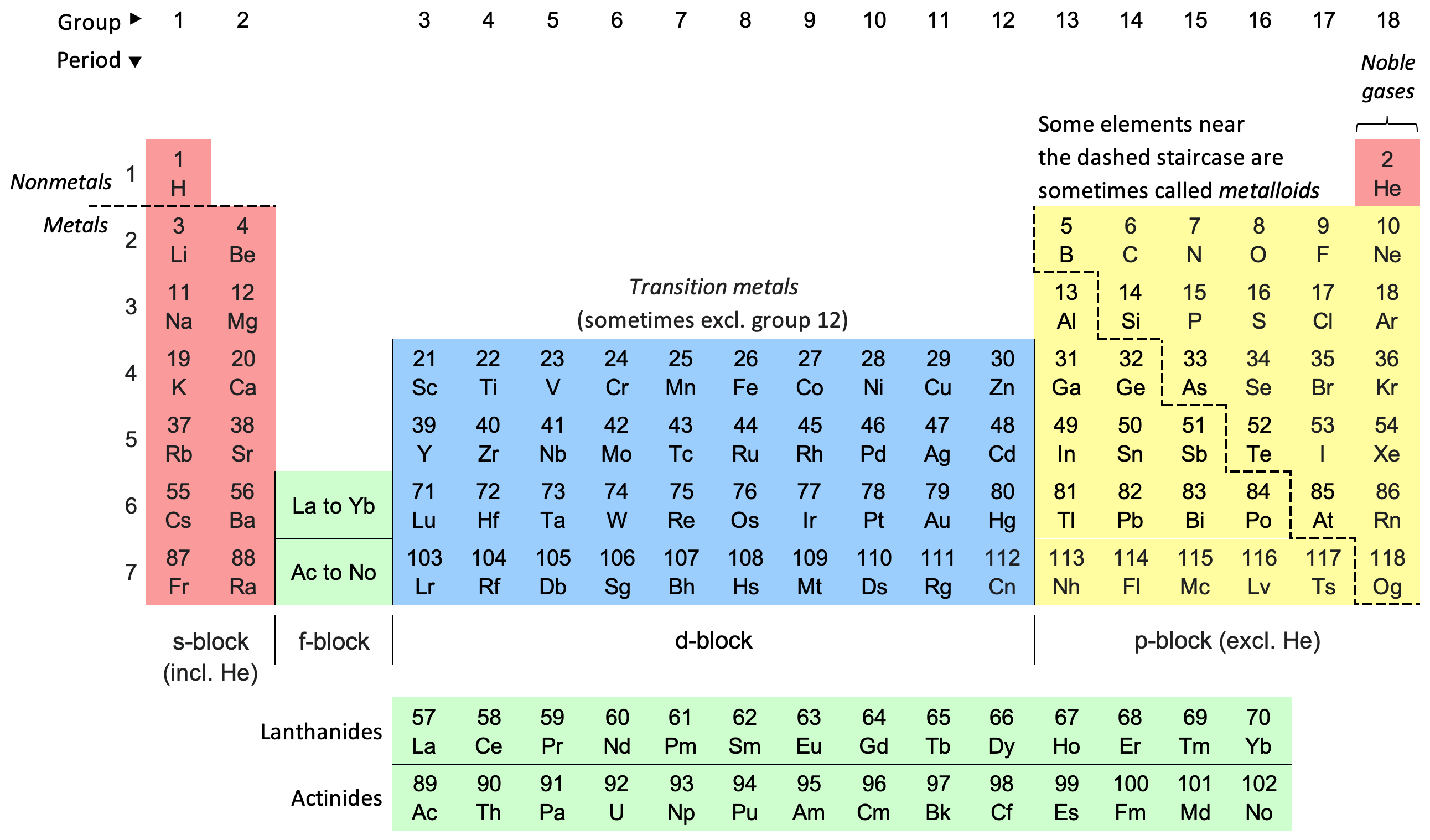
In the vast landscape of the periodic table, where elements like gold, oxygen, and carbon often steal the spotlight, the fifth element—Boron—remains one of the most underrated yet essential building blocks of the digital age. Positioned between Beryllium and Carbon, Boron (symbol: B) is a metalloid that possesses a unique set of physical and chemical properties that make it indispensable to the technology industry. From the screens of our smartphones to the high-performance semiconductors powering artificial intelligence, Boron is the “silent partner” in technological progress.

To understand why this element is so critical, we must look beyond its atomic number and explore its application in hardware engineering, energy storage, and aerospace innovation. Boron is not just a chemical curiosity; it is a foundational pillar of modern tech.
Understanding the Physicality of Boron: The Versatile Metalloid
Before diving into its technological applications, it is essential to understand what makes Boron unique from a material science perspective. Boron is a metalloid, meaning it exhibits properties of both metals and non-metals. This dual nature allows it to be manipulated in ways that pure metals cannot, providing a level of versatility that is rare in the natural world.
The Atomic Structure of the 5th Element
Boron’s atomic structure consists of five protons and, typically, six neutrons. In its elemental form, it is extremely hard and highly resistant to heat. It exists in several allotropes, with the crystalline form being almost as hard as diamond. For the tech industry, Boron’s ability to form strong covalent bonds while remaining lightweight is its most attractive feature. Its electron configuration allows it to act as an “electron acceptor,” a characteristic that becomes the cornerstone of modern electronics.
From Earth to High-Tech Labs
Boron is not found in its pure form in nature; instead, it is harvested from compounds like borax and boric acid. Major deposits are found in arid regions like Turkey and the Mojave Desert in the United States. While it has been used for centuries in glassmaking and detergents, the late 20th and early 21st centuries have seen Boron transition into a high-tech material. Through advanced refinement processes, tech manufacturers create ultra-pure Boron filaments and powders that are essential for high-precision engineering.
Boron in the Semiconductor and Electronics Industry
The most significant contribution of Boron to the tech world lies within the heart of every digital device: the semiconductor. If Silicon is the “king” of the tech world, Boron is the “architect” that allows Silicon to function as a controllable switch for electrical currents.
P-Type Doping: The Engine of Microchips
The core of computer processing is the transistor. To make a transistor work, engineers must alter the electrical conductivity of silicon through a process called “doping.” Boron is the primary dopant used to create “P-type” (positive) semiconductors. Because Boron has one fewer valence electron than silicon, it creates “holes” in the crystal lattice. These holes act as positive charge carriers.
When paired with N-type semiconductors (usually doped with phosphorus), they form a P-N junction. This junction is the fundamental building block of all logic gates, microprocessors, and memory chips. Without the specific atomic properties of Boron, the rapid scaling of Moore’s Law—the doubling of transistors on a chip—would have stalled decades ago. Every AI model, from ChatGPT to deep learning neural networks, relies on billions of Boron-doped transistors firing in unison.
High-Performance Glass and Display Technology
Beyond the internal circuitry, Boron is visible in every interaction we have with our devices. Borosilicate glass is a staple in the tech industry due to its low coefficient of thermal expansion. This means it does not crack or warp under extreme temperature changes.
In the world of smartphones and laptops, Boron is a key component in the thin-film-transistor (TFT) liquid crystal displays (LCDs) and OLED screens. The glass substrates used in these displays must be exceptionally flat and thermally stable to allow for the precise deposition of electronic circuits. Boron-enhanced glass ensures that your device’s screen remains durable, clear, and responsive, even as the internal components generate significant heat.
Powering the Future: Boron in Energy and Aerospace
As the tech industry shifts its focus toward sustainability and the “Final Frontier,” Boron’s unique thermal and structural properties are being utilized in groundbreaking ways. It is no longer just about the devices in our pockets; it is about the infrastructure that powers our world and the vehicles that take us beyond it.
Next-Generation Battery Storage
The transition to green energy and electric vehicles (EVs) hinges on battery tech. While lithium remains the primary focus, Boron is increasingly used to enhance the performance of lithium-ion batteries. Research into “Boron-doped” anodes and electrolytes suggests that the element can help increase the energy density and charging speed of batteries.
Furthermore, Boron is a key player in the development of solid-state batteries. By using Boron-based compounds as solid electrolytes, tech companies hope to create batteries that are safer (less prone to fire) and longer-lasting than current liquid-based versions. This shift is vital for the tech industry’s goal of creating a truly mobile, electrified future.
Aerospace Innovation: Boron-Nitride Nanotubes (BNNTs)
In aerospace technology, weight and heat resistance are the two biggest hurdles. Enter Boron-Nitride Nanotubes (BNNTs). These are structural cousins to carbon nanotubes but offer superior thermal stability and radiation shielding.
For satellite tech and deep-space exploration, BNNTs are a “holy grail” material. They are as strong as steel but significantly lighter, and unlike carbon, they can withstand the intense heat of atmospheric re-entry and the harsh radiation of space. Companies like SpaceX and Blue Origin, as well as NASA, are heavily invested in the development of Boron-based composites to protect sensitive electronic equipment in space, ensuring that the tech driving our exploration of the cosmos remains functional under extreme stress.
Digital Security, Nuclear Tech, and Industrial Applications
Boron’s versatility extends into the realms of digital security hardware and advanced industrial manufacturing. Its ability to absorb neutrons makes it a critical safety component in the power plants that provide the massive amounts of electricity required by modern data centers.
Nuclear Shielding for Data Infrastructure
The “Cloud” is not an ethereal concept; it is a massive network of physical data centers that require immense power. Much of this power is generated via nuclear energy. Boron is used in control rods within nuclear reactors to regulate the fission process. Because Boron has a high “neutron cross-section,” it can absorb neutrons and shut down a reactor instantly if needed. This makes it a vital component in the stable, clean energy chain that keeps the internet’s infrastructure running 24/7.
Boron in Additive Manufacturing (3D Printing)
As the tech industry moves toward “Industry 4.0,” additive manufacturing (3D printing) is becoming a standard for rapid prototyping and localized production. Boron carbide, one of the hardest known materials, is now being used in specialized 3D printing filaments. This allows tech firms to “print” industrial-grade tools, thermal shields, and even body armor for defense-tech applications. The precision offered by Boron-enhanced materials allows for the creation of complex geometries that traditional machining could never achieve.
The Strategic Importance of Boron in the Global Tech Race
As we look toward the future, the 5th element is becoming a focal point of geopolitical and technological strategy. The supply chain for Boron is relatively concentrated, leading to discussions about “resource security” among the world’s leading tech-producing nations.
Supply Chain Dynamics and Resource Management
Because Boron is essential for semiconductors and green energy, it has been categorized as a critical raw material by various governmental tech task forces. As the demand for high-end electronics and EVs grows, the pressure on the Boron supply chain increases. Tech giants are now looking into more efficient recycling methods and advanced extraction techniques to ensure a steady flow of this metalloid. The ability to secure a stable supply of high-purity Boron is becoming as important as securing a supply of lithium or cobalt.

The Verdict on the 5th Element
What is the 5th element on the periodic table? It is Boron—but in the context of the 21st century, it is much more than a number. It is the catalyst for semiconductor doping, the guardian of aerospace integrity, the secret to durable display glass, and the stabilizer of our energy future.
While it may not have the brand recognition of Silicon or the luxury appeal of Gold, Boron is the invisible thread that connects our digital experiences. For software developers, hardware engineers, and tech enthusiasts alike, understanding Boron is key to understanding the physical limitations and the future potential of the tools we use every day. As we push toward faster processors, better batteries, and deeper space exploration, the 5th element will remain at the very center of the technological frontier.
aViewFromTheCave is a participant in the Amazon Services LLC Associates Program, an affiliate advertising program designed to provide a means for sites to earn advertising fees by advertising and linking to Amazon.com. Amazon, the Amazon logo, AmazonSupply, and the AmazonSupply logo are trademarks of Amazon.com, Inc. or its affiliates. As an Amazon Associate we earn affiliate commissions from qualifying purchases.