
In an era defined by ubiquitous connectivity and the rapid proliferation of software, the concept of “media balance” has evolved from a simple lifestyle suggestion into a critical component of digital literacy and technological health. Media balance refers to the intentional and synergistic relationship between an individual and the various digital platforms, hardware, and software they consume. It is not merely about limiting screen time; it is about optimizing the “signal-to-noise ratio” in our digital lives to ensure that technology serves as a tool for empowerment rather than a source of cognitive depletion.

As our personal and professional lives become increasingly integrated with the Internet of Things (IoT), artificial intelligence, and sophisticated data ecosystems, understanding how to manage this balance is essential. For the modern tech user, media balance is a strategic approach to digital hygiene that impacts everything from mental bandwidth to digital security.
The Mechanics of Consumption: How Modern Software Shapes Interaction
To understand media balance, one must first understand the architectural intent of the modern digital landscape. Most software applications today are built within the framework of the “attention economy,” where the primary currency is the user’s time and engagement.
Algorithmic Feedback Loops and User Behavior
At the heart of modern media consumption are complex algorithms—specifically machine learning models—designed to predict and influence user behavior. Platforms utilize “recommender systems” that analyze vast datasets of past interactions to deliver content that maximizes “stickiness.” While this can enhance the user experience by providing relevant information, it often leads to a phenomenon known as algorithmic narrowing. Without a conscious effort toward media balance, users may find themselves trapped in feedback loops that prioritize dopamine-driven engagement over meaningful utility.
The “Always-On” Infrastructure and Cognitive Load
The technological shift toward cloud computing and 5G connectivity has created an “always-on” infrastructure. Push notifications, real-time synchronization, and haptic alerts are designed to pull users back into the digital ecosystem. From a technical perspective, this creates a high state of “cognitive load.” When the brain is constantly switching between tasks due to digital interruptions, the “switching cost” reduces overall productivity and increases the likelihood of human error in technical environments.
Technological Tools for Regulating Digital Intake
Fortunately, as the problems of digital saturation have grown, so too has the suite of technological solutions designed to restore media balance. Modern software developers and hardware manufacturers are increasingly integrating “Digital Wellness” features directly into their operating systems.
Native OS Management Features
Apple’s iOS and Google’s Android have both introduced robust frameworks—Screen Time and Digital Wellbeing, respectively—to help users quantify their media consumption. These tools provide granular data on application usage, notification frequency, and device pickups. By utilizing these native APIs, users can set “hard stops” on specific categories of software, such as social media or entertainment apps, effectively using software to regulate software.
Third-Party Productivity and Filtering Software
Beyond native tools, a burgeoning market of third-party applications focuses on sophisticated content filtering and “deep work” environments. Apps like Freedom, Cold Turkey, and Forest utilize VPN-level filtering and system-level permissions to block distracting domains and applications across multiple devices simultaneously. This cross-platform synchronization is vital for maintaining media balance in a multi-device ecosystem where a user might jump from a smartphone to a tablet to a workstation.

AI-Driven Personal Assistants for Information Curation
The next frontier of media balance lies in Artificial Intelligence. AI tools are now being developed to act as “digital gatekeepers.” Instead of a user manually sifting through hundreds of emails or news feeds, AI-driven aggregators can summarize key information, prioritize urgent communications based on natural language processing (NLP), and filter out the digital “noise.” This shift from manual consumption to curated oversight is a hallmark of an advanced approach to media balance.
Security and Privacy Implications of Imbalanced Media Use
Media balance is not only a matter of productivity; it is a fundamental pillar of digital security. There is a direct correlation between excessive, unmonitored media consumption and increased vulnerability to cyber threats.
Data Harvesting and Behavioral Profiling
Every moment spent on an imbalanced digital diet—especially within “free” ad-supported platforms—contributes to a more detailed behavioral profile. These profiles are used for targeted advertising, but they can also be exploited by malicious actors for social engineering attacks. By practicing media balance and limiting the time spent on data-heavy platforms, users reduce their “digital footprint,” thereby minimizing the amount of personal data available for harvesting.
Mitigating Digital Fatigue to Prevent Security Lapses
“Digital fatigue” is a state of exhaustion caused by an overload of digital stimuli. In a professional tech environment, a fatigued user is a security risk. When an individual lacks media balance, they are more likely to experience “alert fatigue,” leading them to ignore critical system updates or click on sophisticated phishing links out of distraction. A balanced approach to media ensures that when a user is interacting with technology, they have the mental acuity required to follow security protocols and identify potential anomalies.
Enhancing Privacy through Intentional Disconnection
True media balance often involves “air-gapping” certain parts of one’s life. From a technical standpoint, this might involve using hardware privacy shutters, disabling microphone permissions for non-essential apps, or utilizing “Focus Modes” that limit background data synchronization. These actions do more than just save battery life; they reinforce a security-first mindset where the user, not the software, dictates when and where data transmission occurs.
The Future of Digital Wellness: Toward Human-Centric Tech
As we look toward the future, the tech industry is seeing a shift toward “humane technology”—design philosophies that prioritize the user’s long-term well-being over short-term engagement metrics.
Ethical Design and Humane UI
The movement toward media balance is influencing User Interface (UI) and User Experience (UX) design. We are seeing a move away from “dark patterns”—design choices that trick users into staying online longer—toward more transparent and ethical interfaces. This includes features like “infinite scroll” breaks, more intuitive “Do Not Disturb” toggles, and “Grayscale” modes that make screens less visually stimulating and thus less addictive.
The Role of AI in Curating Meaningful Interaction
In the near future, we can expect AI to move beyond simple recommendation engines to become “balance agents.” Imagine an AI that monitors your physiological markers via a wearable device and automatically suggests a “tech break” or filters out non-essential notifications when it detects high stress levels. This level of proactive, tech-assisted media balance will be necessary as the line between biological life and digital existence continues to blur.
Building a Sustainable Tech-Life Symiosis
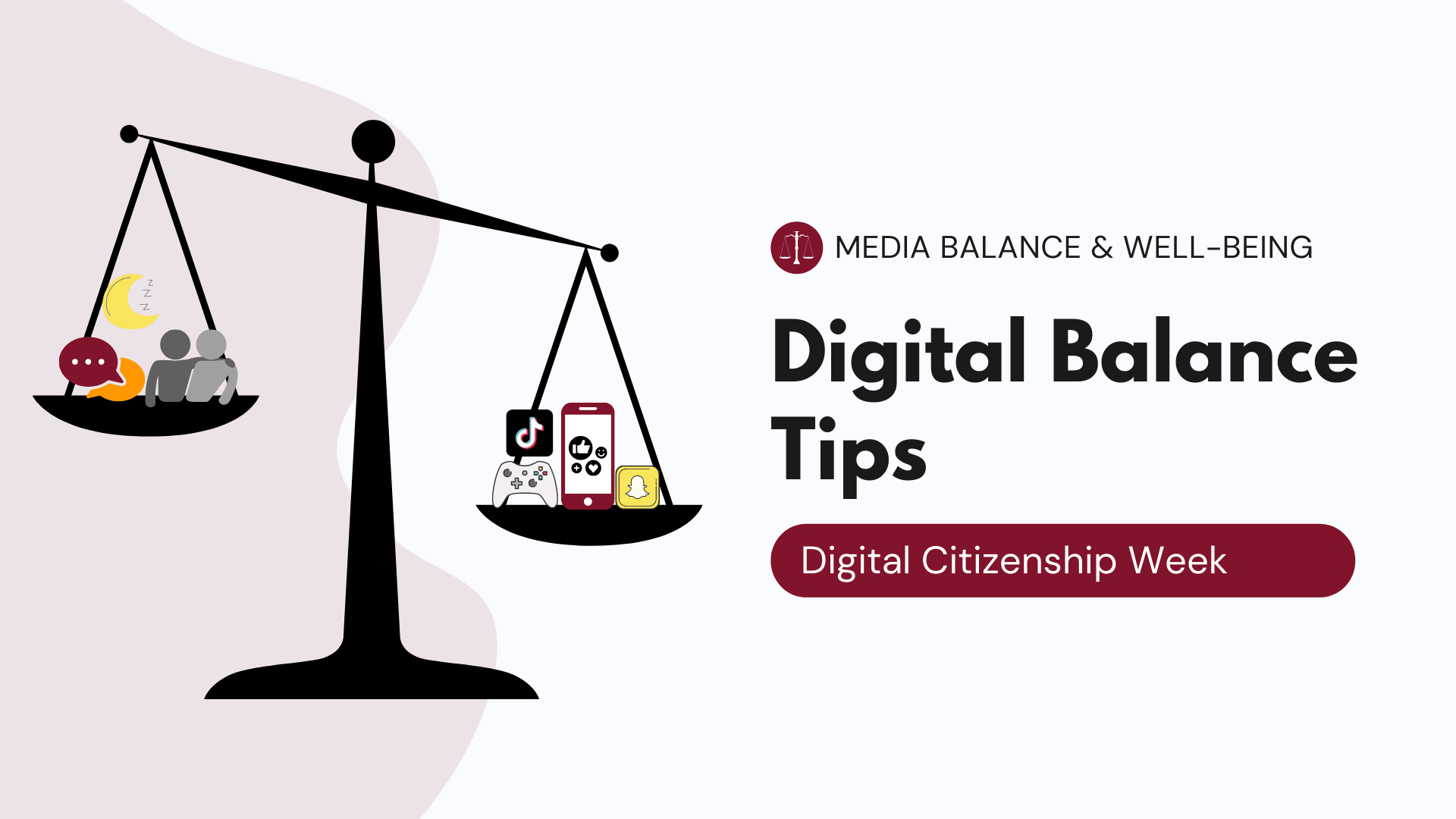
Ultimately, media balance is about creating a sustainable symbiosis with our tools. It is the recognition that while technology is an incredible multiplier for human capability, it requires a disciplined framework to remain beneficial. By leveraging the very tools that define the digital age—data analytics, AI, and robust software controls—users can reclaim their focus and ensure that their relationship with media remains a source of growth rather than a drain on their most valuable resource: their attention.
In conclusion, media balance in the modern tech landscape is a multi-faceted discipline. It requires an understanding of the algorithms that drive our apps, the utilization of software tools to manage our time, and a vigilant approach to the security risks posed by digital over-saturation. As technology continues to evolve, the ability to maintain this balance will be the defining skill of the successful digital citizen.
aViewFromTheCave is a participant in the Amazon Services LLC Associates Program, an affiliate advertising program designed to provide a means for sites to earn advertising fees by advertising and linking to Amazon.com. Amazon, the Amazon logo, AmazonSupply, and the AmazonSupply logo are trademarks of Amazon.com, Inc. or its affiliates. As an Amazon Associate we earn affiliate commissions from qualifying purchases.