
In the modern landscape of brand strategy, the power of a single phrase can often outweigh a million-dollar ad budget. Among the most curious examples of this phenomenon is the term “jack wagon.” While many recognize it as a humorous insult or a piece of military-tinged vernacular, its journey from an obscure noun to a cultural touchstone offers profound lessons in brand voice, character-driven marketing, and the mechanics of viral identity.
To understand what a “jack wagon” is—and more importantly, what it represents in the world of professional branding—one must look past the literal definition and examine how language shapes the relationship between a corporation and its audience.

The Anatomy of a Catchphrase: How “Jack Wagon” Redefined Brand Voice
The term “jack wagon” historically referred to a supply wagon in a mule train, often the one trailing behind. In modern parlance, it has evolved into a euphemism for someone who is foolish, incompetent, or useless. However, its entry into the corporate lexicon was not accidental; it was a masterclass in strategic communication.
The Geico Catalyst: A Case Study in Character-Driven Marketing
The explosive popularity of the term “jack wagon” in the 21st century can be traced directly to a specific branding campaign by Geico. Featuring the late R. Lee Ermey as a “drill sergeant therapist,” the commercial utilized the term to pivot the brand’s identity from a dry insurance provider to an entertainer.
By using Ermey—an actor synonymous with the “tough love” archetype—to call a sensitive patient a “jack wagon,” Geico achieved several branding goals simultaneously. They created a memorable “moment” that transcended the product, they signaled a brand voice that was irreverent and bold, and they provided the public with a new piece of social currency. This wasn’t just an advertisement; it was the birth of a brand asset that lived long after the airtime ended.
From Vernacular to Viral: The Mechanics of Memorable Branding
What makes a term like “jack wagon” stick in a way that “idiot” or “fool” does not? In branding, this is known as “distinctive linguistic coding.” A brand that uses standard language remains invisible. A brand that adopts or popularizes unique nomenclature carves out a specific mental space in the consumer’s mind.
The term “jack wagon” strikes the perfect balance for a corporate brand: it is edgy enough to feel authentic and humorous, yet mild enough to avoid violating the standards of broad-market television. For brand strategists, the lesson is clear: your brand voice should not just communicate what you do; it should contribute to the cultural conversation.
Leveraging the “Anti-Hero” Archetype in Brand Strategy
Every successful brand narrative requires a protagonist and, occasionally, an antagonist. In the context of “jack wagon” branding, the term represents the “Anti-Hero” or “The Obstacle.” By defining what a “jack wagon” is, a brand subtly defines who its ideal customer is—and who they are not.
Why Negative Personas Create Positive Brand Recall
In psychology-based marketing, brands often use “distancing language” to create an “in-group” and an “out-group.” When a brand identifies a behavior or a person as a “jack wagon,” it invites the audience to join them in the joke. This creates a sense of community.
For instance, a software company might use similar tactics by mocking the “legacy system dinosaur.” By labeling the old, slow way of doing things with a humorous or derogatory term, the brand positions itself as the modern, intelligent alternative. “Jack wagon” branding works because it gives the audience a “villain” to laugh at, which reinforces the brand’s position as a relatable, “human” entity.
The “Jack Wagon” Effect: Positioning Your Brand Against the Status Quo
True brand differentiation requires taking a stand. Many corporate identities fail because they attempt to be everything to everyone, resulting in a beige, forgettable presence. The “jack wagon” effect is about the courage to be specific.
When a brand adopts a sharp, character-driven vocabulary, it signals to the market that it has a personality. This is particularly effective in crowded industries like insurance, banking, or SaaS, where the products themselves are often viewed as commodities. If the consumer cannot distinguish between the features of Product A and Product B, they will choose the brand that makes them laugh or the one that feels like a “friend.”

Protecting the Brand Narrative: When Slang Becomes a Liability
While the use of colorful language like “jack wagon” can catapult a brand into the limelight, it also carries inherent risks. Brand managers must navigate the fine line between being “edgy” and being “offensive,” while also managing the lifecycle of a trend.
Trademarking Cultural Moments
When a phrase like “jack wagon” takes off, the immediate corporate impulse is to own it. However, branding in the age of social media is a double-edged sword. If a company tries too hard to “own” a piece of slang, the public may perceive the brand as “cringe” or out of touch.
The strategy for modern brands is “stewardship” rather than “ownership.” Geico didn’t need to trademark the phrase “jack wagon” to benefit from it; they simply needed to be the source of the spark. A professional brand strategy involves knowing when to lean into a cultural moment and when to let the community take over the narrative.
Managing Brand Sentiment in the Age of Social Media
The danger of using “insult-based” humor (even mild humor like “jack wagon”) is the potential for brand dilution or backlash. If the “jack wagon” archetype is perceived as punching down rather than punching up, the brand’s sentiment scores can plummet.
Brand strategists must conduct rigorous sentiment analysis to ensure that their “edgy” voice aligns with their core values. If a brand’s identity is built on “trust and empathy,” calling anyone a “jack wagon” might be a catastrophic strategic error. However, if the brand is built on “honesty and grit,” such language reinforces the corporate identity.
Implementing “Jack Wagon” Lessons in Personal Branding
The principles that made “jack wagon” a corporate success are equally applicable to personal branding. In an economy driven by the “Creator Era,” how an individual uses language determines their market value.
Authenticity and the Use of Colloquialisms
Personal branding is often a struggle between being professional and being authentic. The “jack wagon” example proves that you can be both. Using colloquialisms or unique catchphrases allows a professional to appear more approachable.
The key is consistency. A personal brand that uses bold language intermittently feels forced. A personal brand that integrates a unique lexicon into their daily communication—whether through LinkedIn posts, podcasts, or keynote speeches—builds a recognizable “verbal logo.”
Differentiating Your Identity Through Bold Communication
In a sea of “thought leaders” and “industry experts,” those who dare to use evocative language stand out. To avoid being a “jack wagon” in your own industry, you must develop a voice that is distinct.
This involves:
- Auditing your vocabulary: Replace generic industry jargon with words that carry emotional weight.
- Developing a “Signature Term”: What is your version of the “jack wagon”? Is there a specific way you describe a common problem in your niche that no one else uses?
- Aligning Voice with Value: Ensure that your bold language is backed by high-level expertise. The humor of the Geico commercial worked because it was layered over a reliable service; your personal brand voice must be layered over genuine skill.
Conclusion: The Lasting Impact of Linguistic Branding
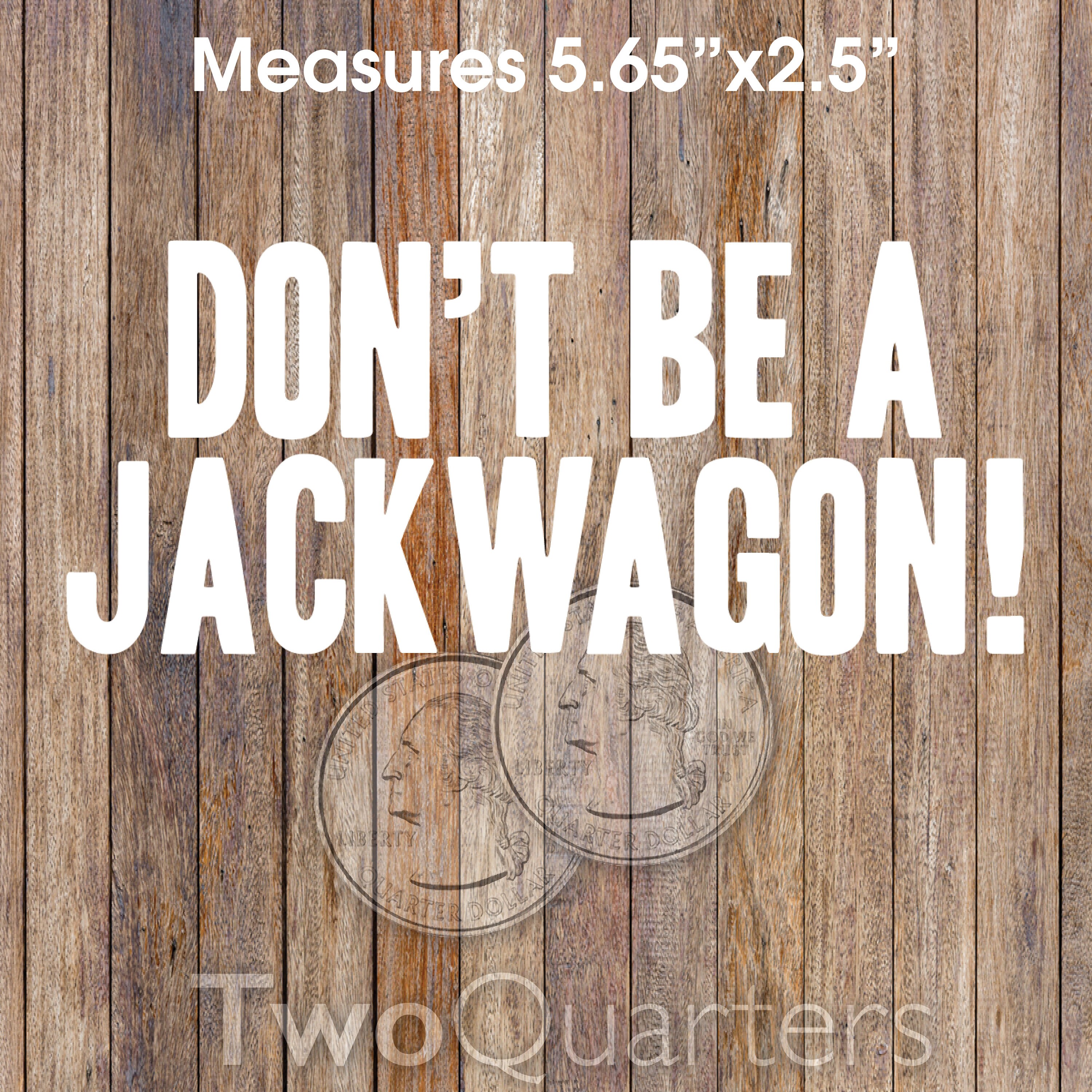
So, what is a “jack wagon”? In the literal sense, it is a relic of the old West. In the slang sense, it is a playful jab at the incompetent. But in the professional world of branding, it is a testament to the power of voice.
It reminds us that brands are not just logos and color palettes; they are characters in the lives of consumers. By identifying the “jack wagons” of the world, a brand can more clearly define its own excellence, foster a loyal community, and ensure that its message isn’t just heard, but remembered. Whether you are managing a global corporation or your own personal brand, the “jack wagon” lesson remains the same: the most dangerous thing a brand can be is boring.
aViewFromTheCave is a participant in the Amazon Services LLC Associates Program, an affiliate advertising program designed to provide a means for sites to earn advertising fees by advertising and linking to Amazon.com. Amazon, the Amazon logo, AmazonSupply, and the AmazonSupply logo are trademarks of Amazon.com, Inc. or its affiliates. As an Amazon Associate we earn affiliate commissions from qualifying purchases.