
The world of video games is vast and multifaceted, offering experiences that span genres, platforms, and even entire cultures. Among these, the Japanese Role-Playing Game, or JRPG, stands out as a distinct and beloved category. While the term “JRPG” itself might seem straightforward, its nuances, evolution, and appeal are far more complex than a simple definition can convey. For those who navigate the ever-evolving landscape of technology, understand the power of branding, and manage their personal finances, grasping what makes a JRPG tick can offer surprising insights and a unique avenue for entertainment. This article will delve into the core elements that define a JRPG, exploring its technological underpinnings, its narrative and design branding, and even how engaging with this genre can intersect with financial considerations.

The Pillars of the JRPG Experience: A Genre Defined
At its heart, a JRPG is a role-playing game developed in Japan. However, this geographical origin translates into a specific set of conventions and design philosophies that distinguish it from its Western RPG counterparts. These games are not just about statistics and combat; they are about crafting immersive worlds, telling emotionally resonant stories, and guiding players through carefully orchestrated narratives.
Character-Centric Storytelling and Narrative Depth
One of the most defining characteristics of JRPGs is their emphasis on narrative. Unlike many Western RPGs where player choice often dictates the story’s direction, JRPGs typically present a more linear, cinematic narrative. This doesn’t mean they lack player agency; rather, player agency is often expressed through how the player experiences and interprets the story, and through the strategic choices made within the gameplay mechanics.
The protagonists in JRPGs are often pre-defined characters with their own backstories, motivations, and developmental arcs. This allows developers to craft deeply personal and emotionally engaging stories. Players become invested in the journey of these characters, witnessing their growth, their struggles, and their triumphs. The narrative is usually the driving force, pushing players forward through a series of plot points, character interactions, and thematic explorations. These themes can range from the epic struggle against evil to more intimate explorations of friendship, love, loss, and the human condition.
This focus on character development and emotional storytelling creates a strong brand identity for individual JRPG titles. Players don’t just buy a game; they buy into a story, a cast of characters, and a world that evokes specific feelings and expectations. Think of iconic JRPG series like Final Fantasy, Dragon Quest, or Persona. Each has a distinct narrative flavor, a recognizable art style, and a commitment to delivering a compelling, character-driven experience. This consistent narrative branding is crucial for building long-term fanbases and fostering a sense of nostalgia and loyalty.
Turn-Based Combat and Strategic Depth
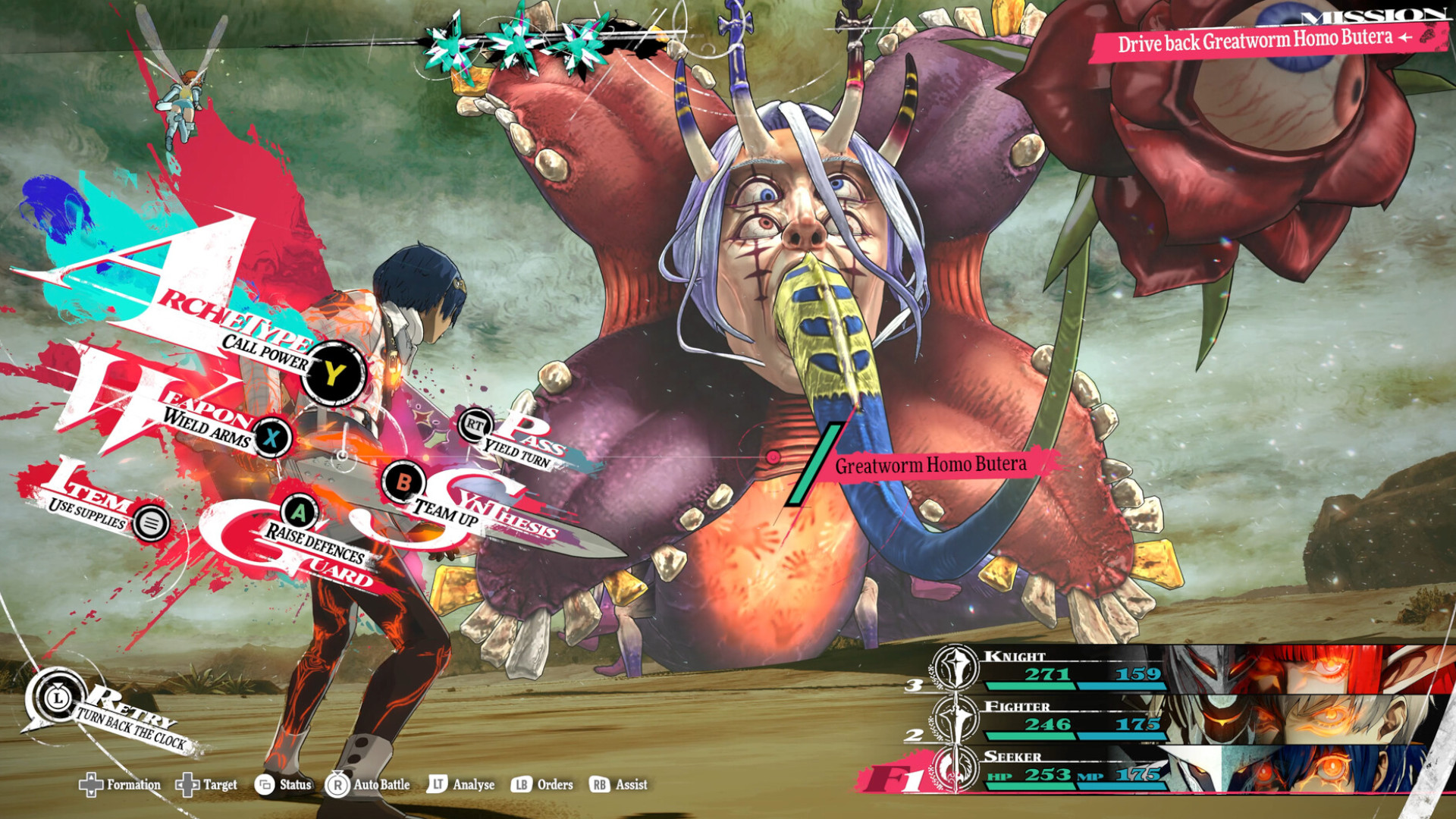
While some modern JRPGs have incorporated real-time combat systems, the turn-based combat system remains a foundational element and a hallmark of the genre. This style of combat requires players to strategize, analyze enemy patterns, and carefully consider each action. Players typically control a party of characters, each with unique abilities, spells, and attack types.
In turn-based combat, the flow of battle is segmented into turns, where each participant – player characters and enemies – gets to act. This allows for a deliberate and tactical approach. Players must manage their resources (like HP and MP), utilize character skills effectively, and exploit enemy weaknesses. The strategic depth comes not just from combat prowess but from party composition, equipment choices, and the effective use of status effects and buffs.
From a tech perspective, turn-based combat has historically allowed for more complex AI and intricate skill systems to be implemented without demanding extreme processing power. Even as graphics have advanced, the core logic of turn-based battles remains a robust foundation for strategic gameplay. The visual presentation of these battles, however, has seen significant evolution. Early JRPGs featured sprite-based characters and simple animations, while modern titles boast stunning 3D models, elaborate spell effects, and dynamic camera work, all contributing to the game’s overall brand and appeal. The evolution of animation, visual effects, and sound design in JRPG combat is a testament to how technology enhances the player’s sensory experience, making strategic decisions feel more impactful and visually rewarding.
World Design and Exploration
JRPGs are renowned for their meticulously crafted worlds. These environments are not just backdrops for the story; they are often integral to the narrative, filled with unique lore, diverse cultures, and hidden secrets. Exploration is a key component, encouraging players to venture off the beaten path, interact with NPCs, and uncover the history and mysteries of the game’s setting.
The world design often reflects a blend of fantasy, science fiction, and sometimes even historical or contemporary elements, all filtered through a distinct Japanese aesthetic. From sprawling medieval kingdoms and futuristic metropolises to otherworldly dimensions, the visual and thematic diversity of JRPG worlds is a significant part of their brand.
The technology behind these worlds has advanced dramatically. Early JRPGs relied on 2D maps and limited explorable areas. Today, developers utilize sophisticated engines to create vast, open-world environments with intricate details, dynamic weather systems, and living, breathing NPCs. This technological leap allows for a more immersive and engaging exploration experience, drawing players deeper into the game’s universe and enhancing the overall brand narrative of the game world itself. The ability to seamlessly transition between exploration, dialogue, and combat, all rendered with high fidelity, is a direct result of advancements in game development technology.
The JRPG Player: A Profile Across Tech, Brand, and Money
Understanding what a JRPG is also involves considering the audience that gravitates towards it. For individuals who are active in the realms of technology, brand building, and personal finance, the JRPG genre offers a unique blend of engagement and even subtle lessons.
Tech-Savvy Players: Appreciating the Craftsmanship and Innovation
For the tech-savvy individual, the appeal of JRPGs goes beyond just gameplay. They can appreciate the underlying technology that brings these worlds to life. This includes:
- Graphics and Art Direction: JRPGs often push the boundaries of visual fidelity and artistic expression. Players can admire the intricate character models, the detailed environments, and the creative use of lighting and visual effects. This appreciation extends to understanding the rendering techniques, shader development, and optimization efforts required to achieve these visuals.
- Game Engines and Development Tools: Many tech enthusiasts are curious about the tools and engines used to create these complex games. Understanding how Unity, Unreal Engine, or proprietary engines are utilized to build sprawling worlds, sophisticated AI, and engaging mechanics can be a fascinating aspect of the experience.
- AI and Procedural Generation: While JRPGs are often narrative-driven, advancements in AI play a crucial role in enemy behaviors, NPC interactions, and even dynamic world elements. For those interested in AI tools, observing how these are implemented in games can be a practical demonstration of the technology.
- Cross-Platform Compatibility and Accessibility: The growing trend of JRPGs being released on multiple platforms (PC, consoles, mobile) reflects advancements in cross-platform development and accessibility features. Tech-savvy players often appreciate the effort to make games available to a wider audience.
- Digital Distribution and Online Services: The way JRPGs are purchased, updated, and sometimes even played online (through features like co-op or leaderboards) highlights the evolution of digital distribution platforms and online gaming infrastructure.
Brand-Conscious Players: Investing in Worlds and Narratives
The brand element of JRPGs resonates deeply with players who understand the power of identity and narrative.
- Narrative as a Brand Differentiator: As mentioned, the compelling stories and character arcs are the core brand of many JRPGs. Players who are brand-conscious can appreciate how developers strategically craft these narratives to create unique selling propositions and build emotional connections with their audience.
- Aesthetic Branding: From the iconic character designs of Yoshitaka Amano for Final Fantasy to the distinct visual style of the Persona series, JRPGs have always had strong aesthetic branding. Players can recognize and appreciate the artistic vision that unifies a series or even a single game.
- Franchise Loyalty and Community Building: The sustained success of many JRPG franchises is a testament to effective long-term branding. Players who identify with a particular series often become loyal consumers, actively participating in fan communities, discussing lore, and anticipating future installments. This creates a powerful brand ecosystem.
- Emotional Investment and Value Proposition: For brand-conscious individuals, the value proposition of a JRPG often lies in the emotional investment it offers. They are not just purchasing entertainment; they are investing in an experience, a world to escape into, and characters to connect with. This emotional resonance is a key aspect of successful branding.
Financially Astute Players: Value, Investment, and the Cost of Entertainment
The financially astute individual might see the JRPG genre through a lens of money and value.
- The Cost of High-Quality Entertainment: JRPGs are often substantial games, offering dozens, if not hundreds, of hours of gameplay. Financially savvy players can evaluate the “cost per hour” of entertainment, recognizing that a $60 JRPG that provides 100 hours of enjoyment offers a much better value than a short, linear game.
- Strategic Resource Management (In-Game and Out): The turn-based combat and character progression in JRPGs often involve managing in-game resources like money, items, and experience points. This can subtly reinforce skills in strategic resource allocation, a valuable trait in personal finance.
- Investing in Collectibles and Limited Editions: The JRPG market often features collector’s editions, art books, and soundtracks that appeal to dedicated fans. Financially astute players might see these as potential investments or valuable additions to their personal collection, much like investing in physical assets.
- The Economics of Game Development and Pricing: Understanding the development costs and pricing structures of JRPGs can provide insights into the economics of the gaming industry. Players might consider factors like studio size, platform exclusivity, and marketing budgets when assessing game prices.
- Long-Term Value and Replayability: Many JRPGs offer significant replayability through different character builds, New Game+ modes, or branching narrative paths. This extended lifespan of the game increases its overall value proposition, aligning with a financially prudent approach to entertainment.
- The Rise of Mobile and Free-to-Play (with caveats): While traditional JRPGs are premium experiences, the mobile gaming landscape has introduced free-to-play JRPG titles. Financially astute players would approach these with caution, understanding the “freemium” model and the potential for in-app purchases to escalate costs beyond a single premium purchase. However, they can also appreciate the accessibility these models offer to a wider audience.

The Evolution of JRPGs and Their Continued Relevance
From their humble beginnings on 8-bit consoles to the breathtakingly complex epics of today, JRPGs have undergone a remarkable evolution. The core tenets of strong narrative, memorable characters, and strategic gameplay remain, but they have been continuously enhanced by advancements in technology.
The tech behind JRPGs has transformed how we experience these worlds. High-definition graphics, sophisticated animation, dynamic soundtracks, and voice acting all contribute to a more immersive and emotionally resonant experience. The integration of online features, such as asynchronous multiplayer or community-driven content, further blurs the lines between single-player and multiplayer experiences.
The brand of JRPGs has also solidified globally. While once considered a niche genre, JRPGs now enjoy mainstream success, with many titles achieving critical acclaim and commercial triumph worldwide. This global reach is a testament to the universal appeal of compelling storytelling and engaging gameplay, effectively transcending cultural boundaries.
And for the financially astute, JRPGs continue to offer significant value. They are often lengthy, well-crafted experiences that provide hours of entertainment for a reasonable investment. The growing availability of older titles through digital storefronts and subscription services also makes this rich genre more accessible than ever.
In conclusion, a JRPG game is far more than just a label. It’s a fusion of art, technology, and storytelling that offers a deeply rewarding experience. For individuals who engage with the world through a lens of technological innovation, brand recognition, and financial prudence, the JRPG genre provides not only entertainment but also a unique perspective on craftsmanship, narrative power, and the intelligent allocation of resources – both in-game and in real life.
aViewFromTheCave is a participant in the Amazon Services LLC Associates Program, an affiliate advertising program designed to provide a means for sites to earn advertising fees by advertising and linking to Amazon.com. Amazon, the Amazon logo, AmazonSupply, and the AmazonSupply logo are trademarks of Amazon.com, Inc. or its affiliates. As an Amazon Associate we earn affiliate commissions from qualifying purchases.