
In the landscape of automotive engineering, specific components often go unnoticed despite their critical role in vehicle functionality and safety. The fuel fill inlet is a prime example of such a component. While most drivers view it simply as the aperture where the gas station nozzle meets the tank, the modern fuel fill inlet is a sophisticated piece of hardware integrated with complex vapor recovery systems, electronic sensors, and precision-engineered mechanical seals. As we transition toward smarter vehicles and electric alternatives, the technology behind the fuel fill inlet has evolved from a simple threaded pipe to a high-tech gateway that ensures environmental compliance and fuel system integrity.
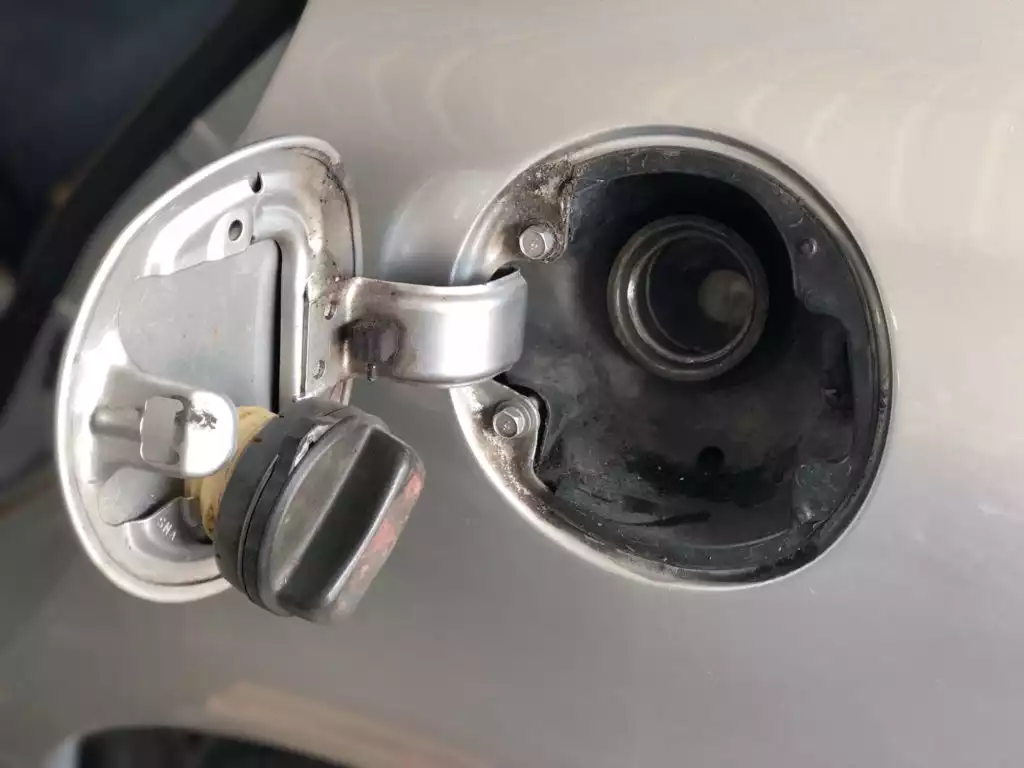
Anatomy and Engineering of the Fuel Fill Inlet
At its core, the fuel fill inlet is the entry point for the vehicle’s energy source. However, the engineering requirements for this component are stringent, necessitating a balance between user accessibility and airtight sealing.
The Transition from Traditional Caps to Capless Systems
For decades, the standard fuel fill inlet was a simple threaded neck sealed by a plastic or metal screw-cap. While effective, this design was prone to human error—specifically, the failure to tighten the cap sufficiently, which often triggered “Check Engine” lights due to evaporative emissions leaks.
The tech industry responded with the “Capless Fuel System.” This engineering marvel uses a series of spring-loaded internal flaps that open only when a nozzle of the correct diameter is inserted. These flaps are equipped with high-grade rubber gaskets that provide a more consistent seal than traditional caps. This shift represents a move toward automated mechanical reliability, reducing the vehicle’s reliance on manual operation to maintain system pressure.
Internal Components and Pressure Management
The fuel fill inlet is not a vacuum; it is part of a pressurized ecosystem. Modern inlets are designed with integrated vapor recirculation lines. When liquid fuel enters the inlet, displaced air and fuel vapors must go somewhere. In older technology, these escaped into the atmosphere. In modern tech-driven designs, the inlet works in tandem with the Onboard Refueling Vapor Recovery (ORVR) system.
The inlet housing often contains specialized valves that direct these vapors into a carbon canister. This process is managed by precise physical dimensions within the inlet neck that create a “liquid seal” during refueling, preventing hazardous fumes from exiting the fill point.
Smart Technology Integration in Fueling Systems
As vehicles become more digitized, the fuel fill inlet has been upgraded from a passive mechanical part to an active node within the vehicle’s electronic control unit (ECU) network.
Sensor-Driven Safety Protocols
Modern fuel fill inlets are frequently equipped with electronic sensors that detect the position of the fuel door and the status of the internal seals. These sensors communicate via the Controller Area Network (CAN bus) to the vehicle’s central computer.
If the internal flap of a capless system fails to seat correctly, or if a traditional cap is left loose, the sensor detects a drop in tank pressure. The computer then runs a diagnostic check on the Evaporative Emission (EVAP) system. This integration of hardware and software ensures that the vehicle remains compliant with environmental regulations in real-time, showcasing how digital monitoring has revolutionized even the most basic mechanical tasks.
Anti-Siphon Tech and Theft Prevention
The rise in fuel prices globally has led to an increase in fuel theft, prompting engineers to integrate “tech-heavy” security measures into the inlet design. Contemporary fuel fill inlets often feature a “siphon-blocker” or a “roll-over valve.”

These are not merely physical barriers; they are designed using fluid dynamics to allow high-velocity fuel flow inward while preventing any hose or tube from navigating the bends of the inlet neck to reach the reservoir. Furthermore, many high-end vehicles now feature electronically locking fuel doors that are synced with the vehicle’s proximity key and security software, ensuring the inlet is only accessible when the authorized user is present.
The Digital Frontier: Connectivity and Future Developments
The fuel fill inlet is also playing a role in the “connected car” ecosystem. As we look toward the future of logistics and fleet management, the technology surrounding how we “refill” is becoming increasingly data-centric.
Telematics and Fuel Monitoring Systems
For commercial fleets, the fuel fill inlet is often outfitted with Radio Frequency Identification (RFID) tags. When a nozzle is inserted, the inlet communicates with the fuel pump to verify the vehicle’s identity, mileage, and fuel type requirements. This digital handshake prevents “mis-fueling” (e.g., putting diesel into a gasoline engine) and automates the billing process. This level of IoT (Internet of Things) integration transforms the fuel fill inlet into a data collection point, providing companies with precise analytics on fuel consumption and efficiency.
The Leap to EV Charging Inlets: The Ultimate Tech Shift
As the automotive industry pivots toward electrification, the “fuel fill inlet” is being reimagined as the “charging port.” While the medium changes from liquid to electrons, the technological challenges remain similar: heat management, secure connection, and communication.
The transition from a fuel inlet to a CCS (Combined Charging System) or NACS (North American Charging Standard) port represents the peak of this evolution. These ports include high-speed data pins that allow the car and the charger to negotiate voltage and current. Just as the gas inlet managed vapor pressure, the EV inlet manages thermal loads and electrical resistance, representing the next generation of energy intake technology.
Maintenance and Diagnostics in the Digital Age
Because the fuel fill inlet is so closely tied to the vehicle’s computer system, maintaining it requires more than just a visual inspection. It requires digital diagnostic tools.
Interpreting Diagnostic Trouble Codes (DTCs) Related to the Inlet
When a vehicle’s “Check Engine” light illuminates, it is often due to a fault sensed at the fuel fill inlet. Technicians use OBD-II (On-Board Diagnostics) scanners to read specific codes, such as P0440 or P0455, which indicate large or small leaks in the EVAP system.
The technology within the inlet—specifically the pressure sensors and the seal integrity—is usually the first place checked. Modern diagnostic software can actually perform a “smoke test” where the system is pressurized with diagnostic smoke to see if the fuel fill inlet’s seals are holding. This intersection of mechanical hardware and digital diagnostics highlights the complexity of what was once a simple pipe.
The Future of Autonomous Fueling Solutions
Looking ahead, the fuel fill inlet is being redesigned for autonomous vehicles. Since self-driving cars cannot jump out and pump their own gas, engineers are developing “robotic fuel inlets.” These involve high-precision sensors and computer vision targets located around the inlet housing.
A robotic arm at a fueling station uses these visual markers to align itself and insert the nozzle with millimeter precision. This requires the inlet to be built with reinforced materials to withstand robotic handling and to include sophisticated proximity sensors to guide the external machinery.

Conclusion
The fuel fill inlet is far more than a hole in the side of a car; it is a critical interface between a vehicle’s internal systems and the outside world. From the mechanical ingenuity of capless seals to the digital sophistication of RFID-enabled telematics and EV charging protocols, this component represents the quiet but steady progress of automotive technology. As we move closer to a world of autonomous, connected, and electrified transportation, the technology of the inlet will continue to serve as a vital gateway, ensuring that energy transfer is safe, efficient, and integrated into the broader digital ecosystem of the vehicle. Understanding the fuel fill inlet is, in many ways, understanding the trajectory of modern engineering—where hardware becomes smarter, more secure, and infinitely more connected.
aViewFromTheCave is a participant in the Amazon Services LLC Associates Program, an affiliate advertising program designed to provide a means for sites to earn advertising fees by advertising and linking to Amazon.com. Amazon, the Amazon logo, AmazonSupply, and the AmazonSupply logo are trademarks of Amazon.com, Inc. or its affiliates. As an Amazon Associate we earn affiliate commissions from qualifying purchases.