
In the complex ecosystem of business finance, procurement is often the lever that determines whether a company operates with a healthy surplus or struggles with thinning margins. Far from being a simple administrative task of “buying things,” procurement is a strategic financial function that governs how capital is deployed to generate value. For business owners, CFOs, and financial analysts, understanding the distinction between direct and indirect procurement is not just an academic exercise—it is a prerequisite for effective spend management, cost control, and long-term financial stability.
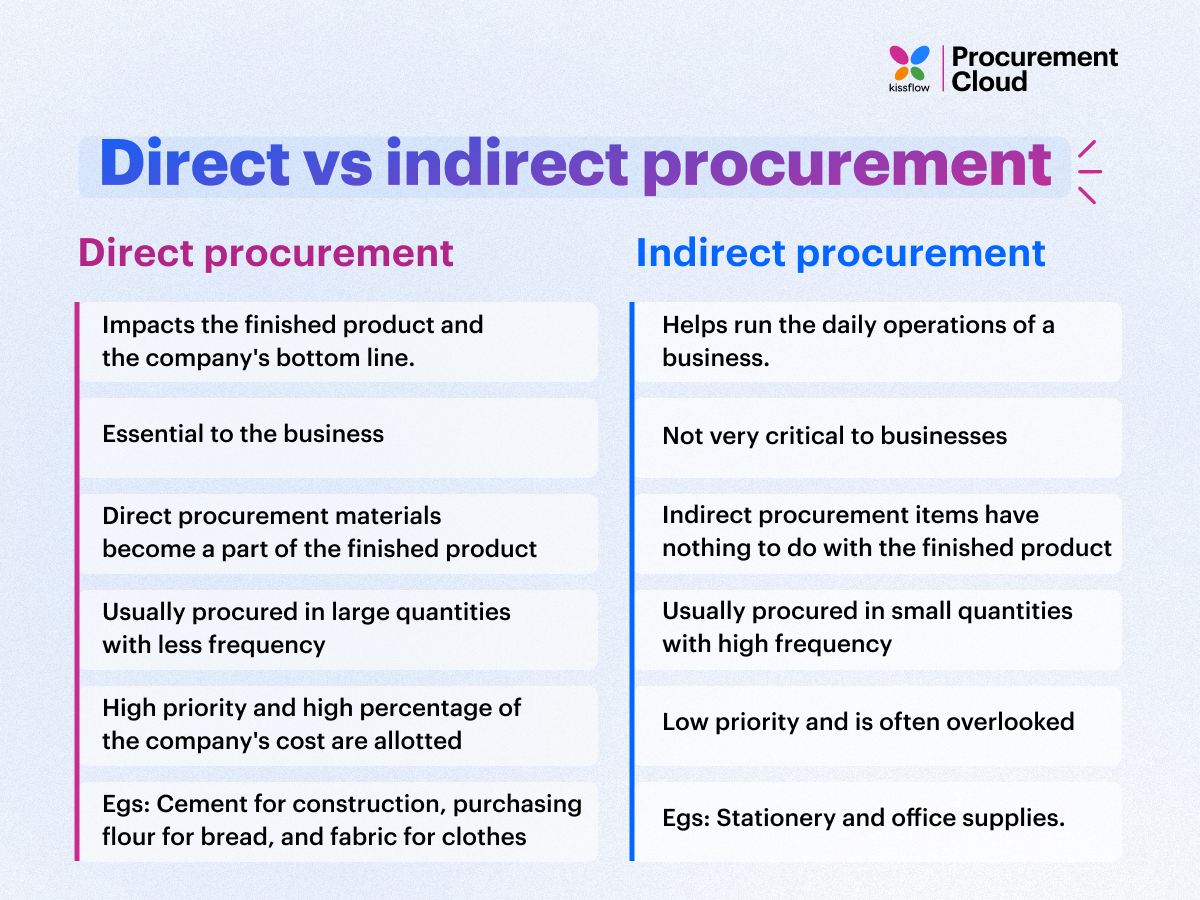
At its core, procurement involves the sourcing, negotiating, and strategic acquisition of goods and services. However, the way a company manages the steel for its factory (direct) versus the software for its accounting department (indirect) requires vastly different financial strategies. This article explores the nuances of direct and indirect procurement through the lens of business finance, providing insights into how each impacts the bottom line.
Direct Procurement: The Engine of Production and Profitability
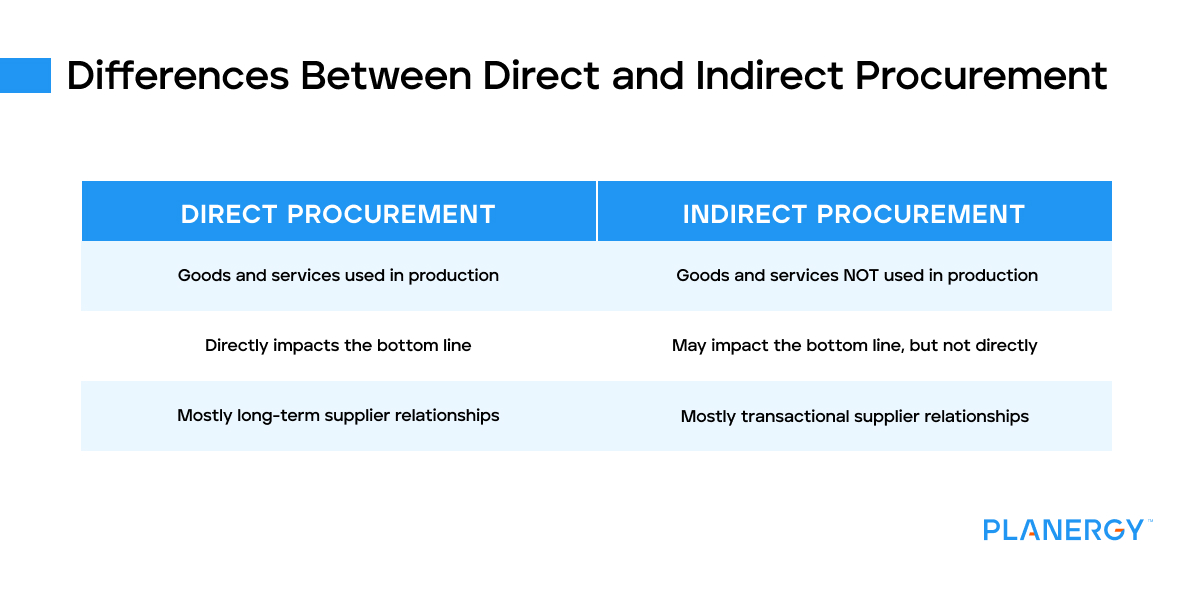
Direct procurement refers to the acquisition of goods, materials, and services that are directly incorporated into a company’s final product. This is the “lifeblood” of manufacturing and retail. If you are an electronics manufacturer, direct procurement involves buying semiconductors, glass screens, and circuit boards. Because these costs are directly tied to the volume of goods produced, they are categorized as Cost of Goods Sold (COGS) on the income statement.
The Direct Link to Gross Profit Margins
In business finance, direct procurement is the most significant factor influencing gross profit margins. Every cent saved through better negotiation or more efficient sourcing in direct procurement translates directly into a higher gross margin. Because direct procurement usually involves high-volume, long-term contracts, even a 1% reduction in unit cost can result in millions of dollars in increased profit for large-scale operations. Financial teams must monitor these costs meticulously, as volatility in raw material prices can lead to immediate budgetary shocks.
Strategic Supplier Relationships and Supply Chain Risk
Unlike one-off purchases, direct procurement relies on deep, collaborative relationships with suppliers. From a financial risk management perspective, these suppliers are critical partners. If a primary supplier of a core component fails, production halts, and revenue ceases. Therefore, direct procurement involves rigorous financial vetting of suppliers, long-term hedging strategies against price fluctuations, and the development of “just-in-time” inventory models to optimize cash flow and reduce storage costs.
Inventory Management and Capital Allocation
Direct procurement is inextricably linked to inventory management. In the world of business finance, inventory is “trapped cash.” If a company over-purchases raw materials, it ties up liquidity that could be used for investment or debt reduction. Conversely, under-purchasing leads to stockouts and lost revenue. Effective direct procurement requires sophisticated financial forecasting to balance the need for production continuity with the necessity of maintaining a healthy cash conversion cycle.
Indirect Procurement: Optimizing Operational Spend and OpEx
Indirect procurement covers the goods and services required to keep a business running on a day-to-day basis but which do not appear in the final product. These are often categorized as Operating Expenses (OpEx) or Selling, General, and Administrative (SG&A) expenses. Examples include office supplies, utility bills, marketing agency fees, travel expenses, and IT infrastructure. While individual indirect purchases may seem small compared to direct materials, they often account for 20% to 40% of a company’s total spend.
The Challenge of “Maverick” Spend
One of the primary financial hurdles in indirect procurement is “maverick spend”—unauthorized or decentralized purchasing that happens outside of established contracts. When department heads or individual employees buy software or office furniture independently, the company loses the ability to leverage bulk discounts and maintain budgetary control. From a financial oversight perspective, indirect procurement requires centralized systems to ensure that every dollar spent is tracked, audited, and aligned with the corporate budget.
Impact on Operating Income and EBITDA
While direct procurement affects gross margins, indirect procurement is a major driver of operating income and EBITDA (Earnings Before Interest, Taxes, Depreciation, and Amortization). By streamlining indirect spend through e-procurement tools and consolidated vendor lists, companies can significantly reduce their overhead. In many organizations, indirect spend is “hidden” across various departments; bringing it under financial scrutiny is often the fastest way to improve a company’s net profit margin without needing to increase sales.
Professional Services and Value-Based Sourcing
A significant portion of indirect procurement involves “intangibles” such as consulting, legal services, and marketing. Valuing these services from a financial standpoint is more complex than valuing raw materials. Business finance teams must move beyond simply looking for the lowest price and instead focus on “value-based sourcing.” This involves analyzing the Return on Investment (ROI) of an indirect spend—for example, determining if a high-priced marketing firm generates enough revenue to justify its cost.

Key Differences: Financial Implications and Management Strategies
Understanding the difference between direct and indirect procurement is essential because the financial strategies used to manage them are fundamentally different. Misapplying a direct procurement strategy to an indirect category (or vice versa) can lead to inefficiencies and financial leakage.
Inventory vs. Expense Accounting
The most basic financial difference lies in the balance sheet versus the income statement. Direct procurement results in inventory, which is an asset on the balance sheet until the product is sold. Indirect procurement is typically expensed immediately as it is consumed. This distinction affects how a company manages its tax liabilities, depreciation, and cash flow timing. Financial controllers must ensure that direct costs are capitalized correctly to reflect an accurate cost-per-unit, while indirect costs are monitored to keep operational overhead within budget.
Sourcing Dynamics and Negotiation Levers
Negotiation in direct procurement is usually focused on “Total Cost of Ownership” (TCO), including quality, delivery reliability, and long-term price stability. In contrast, indirect procurement negotiation often focuses on “demand management”—reducing the volume of what is consumed. For example, a company might save money on direct procurement by buying more steel at a discount, but it saves money on indirect procurement by encouraging employees to print fewer documents or use less energy.
Technological Oversight and Data Analytics
The tools used to manage these two types of spend also differ. Direct procurement is typically managed through Enterprise Resource Planning (ERP) systems that integrate with production schedules. Indirect procurement is increasingly managed through specialized e-procurement and “spend analytics” software. These tools provide finance teams with visibility into where every dollar is going, allowing for the identification of patterns, such as redundant software subscriptions or excessive travel costs, which can then be trimmed to bolster the company’s cash reserves.
Strategies for Financial Optimization in Procurement
To maximize the financial health of an organization, procurement must be treated as a strategic partner to the finance department rather than a back-office function. Implementing the following strategies can help optimize both direct and indirect spend.
Centralizing Data for Better Negotiation Power
Data is the most valuable asset in modern business finance. By aggregating spend data from all departments, a company can see its total footprint with a specific vendor. If three different branches are buying courier services from the same provider under different contracts, the company is losing money. Centralizing this data allows the finance team to renegotiate a single, enterprise-wide contract with significantly better terms, instantly improving the bottom line.
Implementing a “Zero-Based” Budgeting Approach
For indirect procurement, zero-based budgeting can be a powerful financial tool. Instead of simply adjusting last year’s budget for inflation, departments must justify every expense from scratch for the new period. This forces managers to scrutinize indirect spend—such as recurring subscriptions or underutilized services—and ensures that capital is only allocated to activities that drive actual business value.
Risk Management and Financial Stability
Global supply chains are volatile. Direct procurement strategies must include financial hedges, such as forward contracts for commodities, to protect the business from sudden price spikes. Additionally, diversifying the supplier base is a financial necessity; while a single supplier might offer the lowest price, the financial cost of a total supply chain failure far outweighs those minor savings. A robust procurement strategy balances cost-savings with the financial cost of risk.
Conclusion: Integration for Total Spend Management
In the final analysis, direct and indirect procurement are two sides of the same coin. While they differ in their accounting treatment, supplier relationships, and management techniques, they both serve the same ultimate goal: the efficient allocation of corporate capital to ensure long-term profitability.
Direct procurement builds the product, while indirect procurement builds the platform upon which the business operates. By mastering the financial nuances of both, organizations can protect their margins, optimize their cash flow, and create a resilient financial structure capable of weathering economic uncertainty. For the modern business, procurement is no longer just about buying; it is about the strategic management of every dollar to fuel sustainable growth.
aViewFromTheCave is a participant in the Amazon Services LLC Associates Program, an affiliate advertising program designed to provide a means for sites to earn advertising fees by advertising and linking to Amazon.com. Amazon, the Amazon logo, AmazonSupply, and the AmazonSupply logo are trademarks of Amazon.com, Inc. or its affiliates. As an Amazon Associate we earn affiliate commissions from qualifying purchases.