
In the high-speed arena of modern volleyball, the “dig” is more than just a defensive maneuver; it is a calculated feat of engineering and physics. Traditionally, digging is defined as the act of preventing the ball from touching the court after an opponent’s attack, typically a spike or a high-velocity hit. While the fundamentals remain rooted in physical agility and reflex, the digital revolution has transformed this split-second action into a data-driven science. From AI-powered predictive analytics to advanced biomechanical sensors, technology is now the silent partner in every successful defensive play.
The Biomechanics of the Perfect Dig: Motion Capture and Sensor Integration
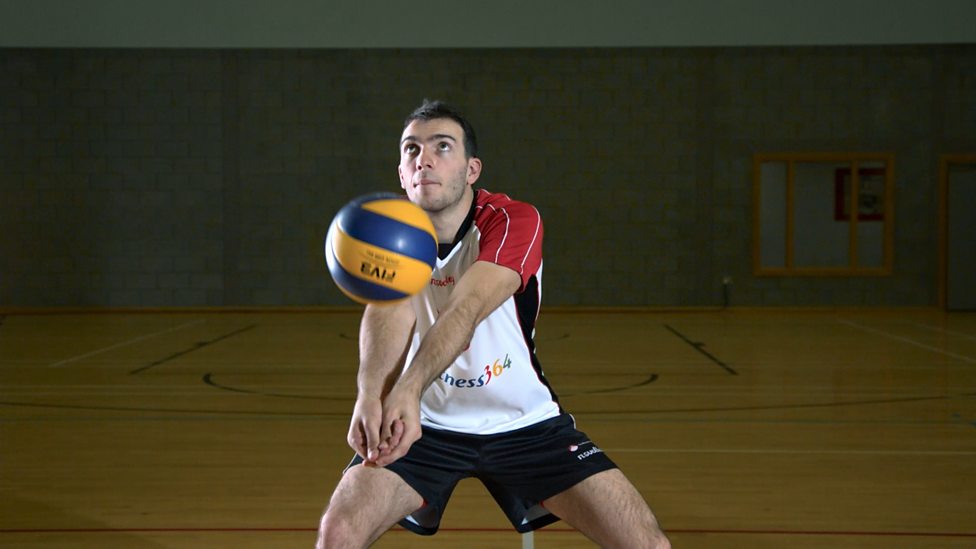
To understand the tech behind digging, one must first look at the biomechanics involved. A successful dig requires a player to drop their center of gravity, extend their platform (the forearms), and absorb the kinetic energy of a ball traveling upwards of 70 miles per hour. Technology has moved from the sidelines into the very fabric of training to optimize these movements.
3D Motion Capture and Form Correction
Elite training facilities now utilize high-speed 3D motion capture systems, similar to those used in cinematic visual effects. By placing infrared markers on a player’s joints, coaches can analyze the “digging posture” with millimeter precision. This technology allows for the identification of “energy leaks”—small inefficiencies in a player’s stance that might delay their reaction time by a fraction of a second. In a sport where games are won or lost in milliseconds, this tech-driven refinement is essential.
Wearable Inertial Measurement Units (IMUs)
Modern defensive specialists, known as Liberos, often wear small, unobtrusive sensors during practice. These IMUs track acceleration, rotation, and impact forces. By analyzing this data, software can determine if a player is balanced during a dig or if they are leaning too far forward, which increases the risk of a “shanked” pass. These gadgets provide real-time feedback, allowing athletes to adjust their physical positioning based on hard data rather than just “gut feeling.”
Impact Distribution Technology
The “dig” involves significant physical strain on the wrists and forearms. New developments in material science have led to the creation of “smart” compression sleeves. These sleeves use non-Newtonian fluids or specialized polymers that remain flexible during movement but instantly harden upon impact. This technology protects the athlete while ensuring that the rebound of the ball remains predictable—a crucial factor for the setter to run an effective counter-attack.
AI and Predictive Analytics: Solving the Geometry of the Spike
The most significant technological leap in volleyball defense is the application of Artificial Intelligence (AI) to predict where a ball will land before it is even hit. Digging is no longer just about reaction; it is about anticipation powered by algorithms.
Computer Vision and Ball Trajectory Modeling
Advanced camera systems, such as those provided by firms specializing in sports analytics, use computer vision to track the ball’s flight path in real-time. By feeding thousands of hours of match footage into neural networks, AI can now predict the most likely landing spot of a spike based on the attacker’s approach angle, wrist snap, and shoulder orientation. For a defensive player, this data is translated into “heat maps” that dictate where they should stand to maximize their digging range.
VolleyMetrics and the Era of Big Data
Platforms like VolleyMetrics have revolutionized how teams prepare for defense. These tools aggregate data from thousands of matches to create a digital profile of every opponent. Before a game, a libero can review an AI-generated report showing that a specific hitter directs 80% of their cross-court spikes into a specific six-foot radius when the set is slightly off the net. This “tech-enabled intuition” allows defenders to be in the right place at the right time, making the act of digging look effortless.
Real-Time Benchside Analytics
During professional matches, it is common to see coaches and analysts on tablets. This isn’t just for reviewing replays; they are looking at live data feeds that track defensive efficiency. If the “dig-to-kill” ratio (the percentage of digs that lead to a point) is low, software can suggest tactical shifts. Perhaps the defense is digging the ball too low, or the positioning is off by half a step. The ability to process this digital information mid-match has fundamentally changed the strategic depth of the game.
Virtual Reality (VR) and Neuro-Training for Reflex Optimization
The physical act of digging is the final step in a complex neurological process: see, process, react. Technology is now targeting the “processing” phase through immersive simulations and cognitive software.
VR Defensive Simulators
Virtual Reality (VR) has become a staple for training defensive specialists without the physical wear and tear of a full practice. Using headsets like the Meta Quest or specialized industrial VR rigs, players are placed in a 360-degree digital court. They face “virtual hitters” who mimic the world’s fastest servers and attackers. This allows players to practice the “reading” phase of digging—identifying the hitter’s intentions—hundreds of times in a controlled environment.
Neuro-Visual Training Tools
Apps and software designed for “visual search” training help volleyball players improve their peripheral vision and focus. These tools use high-frequency visual stimuli to train the brain to filter out the “noise” of a crowded arena and focus solely on the ball’s rotation and trajectory. In the context of digging, this digital brain-training ensures that the athlete’s eyes can track a 70mph ball from the moment it leaves the hitter’s hand to the moment it hits their forearms.
Reaction Time Gamification
Digital “blazepods” and light-based reaction systems are frequently used to sharpen the explosive movements required for digging. These IoT (Internet of Things) devices sync to a smartphone and require the athlete to tap or move toward specific lights in randomized sequences. The app records reaction speeds to the millisecond, turning the boring drill of defensive footwork into a competitive, data-backed gaming experience.
Smart Equipment: The Evolution of the Ball and Court
Technology hasn’t just changed how players move; it has changed the objects they interact with. The physics of digging is heavily influenced by the equipment used, which is now more high-tech than ever.
FLISTATEC Technology and Aerodynamics
The modern volleyball is a marvel of aerodynamic engineering. Technologies like Molten’s FLISTATEC (Flight Stability Technology) utilize hexagonal patterns on the ball’s surface to stabilize its flight path. For a player trying to execute a dig, a stable ball is easier to track. In the past, the “turbulence” around a smooth ball caused it to wobble (the “knuckleball” effect). Modern ball tech uses fluid dynamics to ensure that if a player reads the flight path correctly, the ball will go exactly where they expect.
High-Absorption Flooring Systems
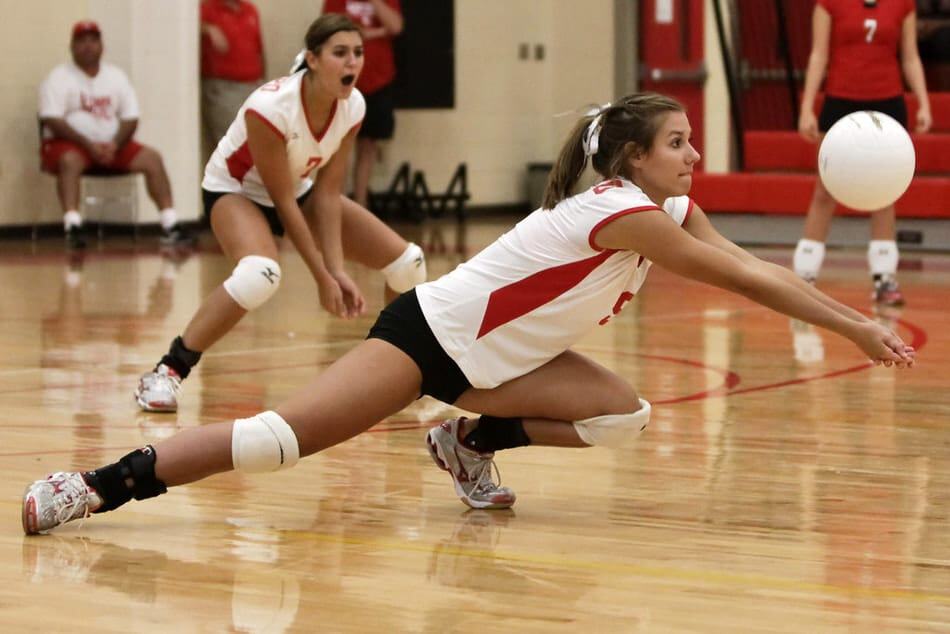
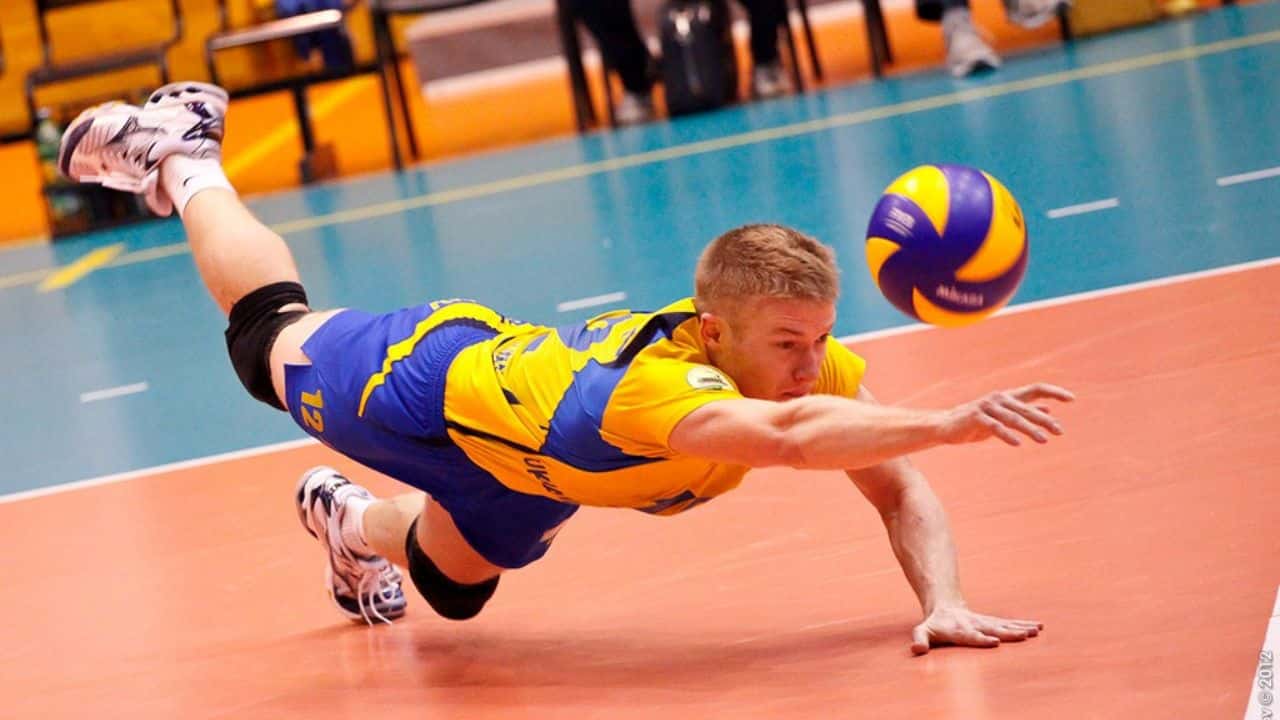
The “dig” often requires a player to dive or “pancake” (sliding the hand flat on the floor). Modern court surfaces are engineered with multi-layered synthetic materials designed for optimal shock absorption and “slide-ability.” Digital sensors under the sub-flooring in high-tech facilities can even measure the force of an athlete’s landing, helping medical staff monitor the physical toll of defensive play and prevent injuries before they happen.
Smart Whistles and Digital Officiating
While not directly part of the physical dig, technologies like Hawk-Eye (multi-camera replay systems) have changed the stakes of the move. A “dig” is only successful if the ball stays off the floor. In the past, “pancake” digs were often controversial because it was impossible for the human eye to see if the ball hit the hand or the floor first. Digital officiating ensures that these incredible feats of tech-assisted athleticism are accurately judged, rewarding the precision of the defender.
The Future of Digging: Wearable Tech and Real-Time Biofeedback
As we look toward the future, the integration of technology into volleyball defense will only deepen. We are entering an era where “biotelemetry” will play a central role in every dig.
Smart Fabrics with Haptic Feedback
Imagine a jersey that provides a small vibration on the left shoulder if the AI predicts a cross-court spike is coming. Haptic feedback technology is currently in development to provide real-time, non-visual cues to athletes. This would bridge the gap between the data-crunching power of the coaches’ tablets and the split-second execution of the player on the court.
Augmented Reality (AR) Coaching
Future training sessions may involve AR glasses where “ghost” images of the perfect defensive position are overlaid onto the real court. A player would see a digital marker showing exactly where they should move to dig a specific hitter’s most frequent shot. This would turn defensive training into a real-life version of a guided video game tutorial, accelerating the learning curve for young athletes.
Automated Load Management
By using the data collected from every dig, dive, and sprint, AI systems will soon be able to predict athlete burnout with incredible accuracy. Because digging is so physically demanding, technology will dictate when a player needs to rest based on their “internal load”—a metric calculated from heart rate variability, sleep quality, and movement intensity.
In conclusion, “digging” in volleyball is no longer a simple act of desperation. It is the end result of a sophisticated technological ecosystem. Through the lens of biomechanics, AI, VR, and material science, we see that the modern defensive specialist is a “tech-athlete,” using every digital tool available to master the physics of the game. As technology continues to evolve, the art of the dig will become even more precise, turning the volleyball court into a laboratory of high-speed human and digital performance.
aViewFromTheCave is a participant in the Amazon Services LLC Associates Program, an affiliate advertising program designed to provide a means for sites to earn advertising fees by advertising and linking to Amazon.com. Amazon, the Amazon logo, AmazonSupply, and the AmazonSupply logo are trademarks of Amazon.com, Inc. or its affiliates. As an Amazon Associate we earn affiliate commissions from qualifying purchases.