
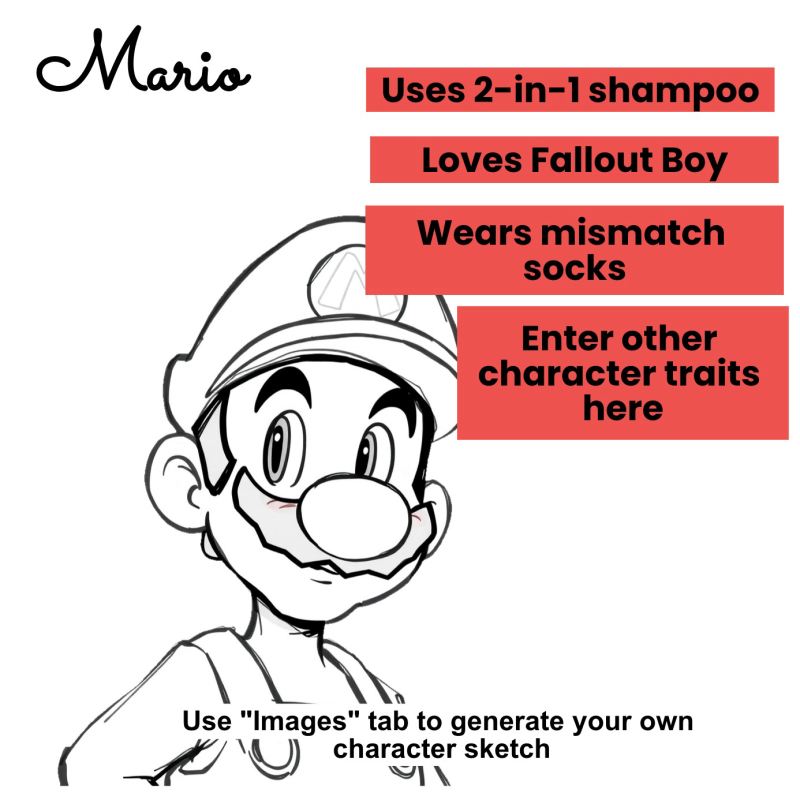
The concept of a “headcanon” originates from the vibrant, expansive world of fandom, where enthusiasts engage deeply with fictional universes. At its core, a headcanon is a fan’s personal, unconfirmed interpretation or belief about elements within a story or world that are not explicitly stated or contradicted by the official narrative. It’s a way for individuals to fill in the gaps, expand on character backstories, invent new plot points, or imagine unseen events, making the fictional world uniquely their own. Far from mere speculation, a headcanon often feels intrinsically “true” to the individual who holds it, resonating with their understanding of the established lore and characters. While rooted in popular culture, the underlying psychological mechanisms that drive headcanons—personalization, interpretation, and the desire for deeper meaning—are far more pervasive, influencing how we interact with technology, perceive brands, and even navigate our financial lives. Understanding this phenomenon provides a unique lens through which to examine user experience, market perception, and individual decision-making across diverse domains.

The Core of Personal Narrative: Understanding Headcanons
To truly grasp the broad implications of headcanons, it’s essential to first understand their fundamental nature and appeal. They represent a powerful form of personal narrative creation, allowing individuals to exert agency over stories and concepts they connect with deeply.
Origins in Fandom and Community Engagement
In its traditional sense, headcanon thrives within communities built around shared interests in books, movies, video games, and TV shows. When a new installment of a beloved series leaves unanswered questions, or a character’s motivations seem ambiguous, fans often come together to collectively, or individually, formulate explanations. These headcanons can range from the trivial – like a character’s favorite coffee order – to the profound – such as an elaborate theory explaining a plot hole or an alternative universe scenario. The beauty of headcanons lies in their unofficial status; they exist in the space between what is confirmed and what is possible. While official “canon” is dictated by creators, headcanon empowers the audience, fostering a sense of ownership and deeper engagement. This collaborative and individualistic narrative building strengthens community bonds, encourages creative expression, and keeps the conversation around a franchise alive long after its official conclusion.
The Psychology Behind Personal Interpretation
The appeal of headcanons extends beyond mere entertainment; it taps into fundamental human psychological needs. Firstly, there’s the drive for coherence and completion. Our brains naturally seek patterns and explanations; when a narrative presents ambiguity, we strive to fill in the blanks to create a more complete and satisfying picture. Headcanons serve this purpose, allowing individuals to smooth over inconsistencies or enrich undeveloped aspects of a story. Secondly, there’s the power of personalization and ownership. By adopting a headcanon, an individual makes a piece of the fictional world their own, deepening their emotional connection and investment. It’s a form of active engagement that moves beyond passive consumption. Thirdly, wish fulfillment and identification play a significant role. Fans often project their own values, desires, or experiences onto characters and situations, using headcanons as a way to explore these aspects within a beloved framework. This deep psychological engagement transforms passive reception into active participation, making the headcanon a powerful force in how individuals relate to information and narratives in all aspects of life.
Headcanons in the Digital Age: A Technological Lens
The rise of digital platforms and advanced technologies has profoundly reshaped how we interact with information and experiences, creating new avenues for the manifestation and impact of headcanons. In many ways, technology not only facilitates the sharing of headcanons but also inherently designs experiences that cater to our individual interpretations and expectations.
Personalization, AI, and User Experience: Crafting Digital Realities
Modern technology, particularly through the deployment of artificial intelligence and machine learning, excels at creating highly personalized experiences. Streaming services suggest content based on viewing history, social media algorithms curate feeds according to engagement patterns, and e-commerce sites recommend products tailored to past purchases. This relentless drive for personalization inadvertently taps into the “headcanon” principle. Users develop an internal “headcanon” about what kind of content they should see, what kind of experience a platform should provide, or what their digital identity should entail. AI systems then learn from this implicit “headcanon,” striving to fulfill these unstated desires and preferences. When Netflix recommends a show that perfectly aligns with a viewer’s niche tastes, it feels like the platform “understands” their specific entertainment “headcanon.” This creates a powerful feedback loop: users continue to interact with systems that validate their perceived reality, reinforcing their individual interpretations of what a service or product ought to be. Furthermore, tools for user-generated content, from elaborate game mods and custom avatars to fan-fiction archives and digital art platforms, provide the literal means for users to manifest their headcanons into tangible digital creations, sharing them with global communities and blurring the lines between consumer and creator.
Digital Identity and Avatars: The Self as a Headcanon
In the digital realm, our online personas often become a form of headcanon about ourselves. From meticulously crafted social media profiles to highly customizable avatars in gaming and virtual reality, individuals curate specific versions of their identity. These digital representations are rarely direct mirrors of reality; instead, they are often idealized, aspirational, or strategically presented versions of self. Users develop an internal “headcanon” about who they are or who they want to be online, and they use technological tools to bring this vision to life. This extends beyond simple profile pictures to the narrative we construct through posts, comments, and interactions. The choice of filter for a photo, the tone of a tweet, or the virtual apparel of an avatar all contribute to a carefully constructed digital headcanon. This process of self-creation allows individuals to explore different facets of their identity, experiment with presentation, and receive validation for their chosen “self-canon.” The perceived authenticity and success of this digital identity hinges on how well it aligns with the individual’s internal headcanon about themselves and how others interpret it.
The Tech Product “Headcanon”: User Expectations and Design
Beyond personal identity, the “headcanon” phenomenon also profoundly impacts how users interact with and perceive technology products themselves. When a new app is launched or a gadget is released, users often approach it with pre-conceived notions – their own “headcanons” – about how it should function, what features it should have, or how it should integrate into their lives. These expectations might stem from previous experiences with similar products, marketing claims, or even just intuitive assumptions about technology. For instance, a user might have a headcanon that a smart home device should respond to natural language commands with perfect accuracy, or that a new software update should seamlessly fix all prior glitches. When a product aligns with these unspoken headcanons, the user experience is perceived as intuitive and satisfying. However, when a product deviates from these internal expectations, even if it functions exactly as designed, it can lead to frustration, disappointment, and negative feedback. Understanding these latent “product headcanons” is crucial for tech companies in user interface design, feature development, and marketing communication, as aligning with user expectations often dictates adoption and long-term success.
Branding and Reputation: Shaping Collective Headcanons

The world of branding and marketing, perhaps more subtly than fandom, also operates on the principles of headcanon. Brands, much like fictional universes, create an “official canon” through their messaging, design, and products. However, how consumers interpret and personalize this official narrative often gives rise to powerful brand headcanons that significantly influence perception and loyalty.
From Official Canon to Consumer Perception: A Brand’s Narrative
Every brand strives to establish an official canon: its mission statement, values, brand story, visual identity, and product promises. This is the narrative the brand explicitly communicates to the world. However, consumers don’t always passively accept this canon at face value. Instead, they interpret it through their own experiences, biases, and interactions with the brand and its competitors. This interpretive process leads to the formation of brand headcanons – individual or collective beliefs about what a brand truly stands for, how it operates, or what it represents, often extending beyond the official messaging. For example, a company might promote itself as innovative and customer-centric, but if consumers consistently experience poor customer service or outdated products, their “headcanon” of the brand might be one of inefficiency or false promises. Conversely, a brand might achieve cult status not just through its official messaging, but because a passionate community forms a shared “headcanon” about its deeper meaning or aspirational qualities. Managing a brand’s reputation thus involves not just controlling the official narrative, but also understanding and subtly influencing the multitude of headcanons that consumers develop.
Personal Branding: Curating Your Own Story
In the age of social media and professional networking, personal branding has become an imperative. Individuals, much like corporations, consciously or unconsciously build a “brand” around themselves, particularly in their professional and public lives. This involves carefully curating an online presence, showcasing specific skills, experiences, and personality traits. This deliberate construction of an identity is, in essence, an exercise in creating a personal “headcanon” for an audience. You want others to form certain beliefs and perceptions about you – that you are an expert in your field, a reliable collaborator, or an inspiring leader. The success of personal branding hinges on how effectively your curated narrative aligns with the “headcanons” that others form about you. If your personal brand canon (your LinkedIn profile, your portfolio, your public speaking engagements) consistently projects an image of competence and thought leadership, then your audience is more likely to develop a “headcanon” that you are indeed a valuable asset. Discrepancies between the intended brand and the perceived headcanon can undermine trust and impact career opportunities or professional relationships.
Marketing That Invites Interpretation: The Art of Subtlety
Savvy marketing strategies often embrace the concept of headcanons by designing campaigns that invite audience interpretation rather than dictating every aspect of the narrative. Instead of explicitly stating every benefit or feature, some brands craft evocative stories, ambiguous visuals, or open-ended slogans that leave room for consumers to fill in the blanks with their own personal interpretations. This approach can be incredibly powerful because it fosters a deeper, more personal connection. When a brand allows consumers to project their own values, aspirations, or even humor onto its messaging, it encourages them to develop a “headcanon” about the brand that feels intimately their own. This sense of co-creation or personalized meaning can lead to stronger brand loyalty and advocacy. A clever advertisement might present a scenario that viewers can relate to in multiple ways, allowing each individual to develop a “headcanon” about the brand’s role in their specific life. This active engagement creates a stronger, more resilient emotional bond than passively consumed information, turning consumers into active participants in the brand’s evolving story.
The Financial Dimension: Headcanons About Money and Markets
While perhaps less intuitive, the world of personal finance and investing is also heavily influenced by individual and collective “headcanons.” Our beliefs, assumptions, and narratives about money, risk, and wealth often shape our financial decisions as powerfully as objective data.
Investment Strategies and Personal Financial Beliefs
Investors frequently develop “headcanons” about how markets work, which assets will perform best, or specific economic trends. These are often unstated, deeply held beliefs that guide their investment strategies, sometimes overriding logical analysis or expert advice. For example, an investor might have a “headcanon” that a particular industry is always recession-proof, or that a specific stock will inevitably bounce back, despite contrary evidence. These financial headcanons can stem from past experiences (both positive and negative), anecdotal evidence, media narratives, or even personal biases and superstitions. Confirmation bias often plays a significant role, where individuals actively seek out information that supports their existing financial headcanons and dismiss information that contradicts them. Understanding one’s own financial headcanons is crucial for rational decision-making, as they can lead to both missed opportunities and costly mistakes. Financial literacy often involves challenging these ingrained headcanons and replacing them with evidence-based understanding.
Monetizing Fandom and Passion Projects
The digital economy has opened up unprecedented opportunities for individuals to monetize their passions, often leveraging their deep engagement with fictional universes or niche interests – essentially, their headcanons. This phenomenon is clearly visible in the rise of online income generation through content creation, merchandise sales, and specialized services. Artists create fan art, writers produce fan fiction, gamers stream their play, and hobbyists share tutorials for crafts related to specific fictional worlds. These creators are, in a sense, monetizing their own headcanons and those of their audience. They tap into a shared enthusiasm for a particular universe, offering products or content that expands upon or celebrates the official canon in ways that resonate with fellow fans. Whether it’s selling handmade merchandise inspired by a beloved fantasy series, offering personalized avatar designs, or creating in-depth analyses of a game’s lore, individuals are finding innovative ways to generate income by transforming their personal interpretations and creative extensions into valuable commodities within digital marketplaces and communities.
Understanding Financial Product Perceptions
Consumers often approach financial products – from investment vehicles and insurance policies to banking services and credit cards – with their own set of “headcanons” about their utility, risk, or fairness. These headcanons can be shaped by personal anecdotes, media portrayals, peer advice, or a general mistrust of financial institutions. For instance, someone might have a “headcanon” that all credit cards are inherently predatory, or that a specific type of investment is too complex for them to understand. These deeply ingrained beliefs can significantly influence financial behaviors, such as reluctance to engage with certain products, over-reliance on others, or resistance to financial advice. Financial institutions and advisors need to recognize these prevalent “financial product headcanons” to effectively communicate value, build trust, and educate consumers. Overcoming negative headcanons often requires clear, transparent communication and demonstrating how a product or service truly aligns with a consumer’s underlying needs and aspirations, even if it contradicts their initial, unconfirmed beliefs.
In conclusion, while “headcanon” may have originated as a term for fan interpretations of fictional worlds, its underlying principles of personal narrative, interpretive agency, and the desire for coherence are profoundly relevant across the digital landscape, brand strategy, and even our financial lives. From the personalized experiences crafted by AI in the tech sector, to the careful construction of brand and personal identities, and the often-unspoken beliefs that guide our monetary decisions, the concept of a headcanon offers a powerful framework. Understanding how individuals form and cling to these personal interpretations is not just a curiosity of fandom; it’s a critical insight for designing intuitive technology, building authentic brands, and fostering informed financial literacy in an increasingly complex and personalized world.
aViewFromTheCave is a participant in the Amazon Services LLC Associates Program, an affiliate advertising program designed to provide a means for sites to earn advertising fees by advertising and linking to Amazon.com. Amazon, the Amazon logo, AmazonSupply, and the AmazonSupply logo are trademarks of Amazon.com, Inc. or its affiliates. As an Amazon Associate we earn affiliate commissions from qualifying purchases.