
In the realm of luxury goods and premium lifestyle positioning, leather is more than just a material; it is a semiotic shorthand for durability, heritage, and status. However, a singular physical event—a sudden downpour on a bespoke briefcase or a spilled drink on a designer loafer—presents a fascinating intersection between material science and brand strategy. When we ask “what happens when leather gets wet,” we are not merely discussing the hydroscopic nature of protein fibers. We are exploring the threshold of a brand’s promise, the resilience of its value proposition, and the strategic management of consumer expectations.
For a brand, leather represents a paradox: it is marketed as a “lifetime” material, yet it is inherently vulnerable to the elements. How a brand navigates this vulnerability determines its position on the spectrum between “disposable fashion” and “generational heirloom.”
Material Integrity as a Strategic Brand Promise
The relationship between a brand and its choice of material is the foundation of its corporate identity. When a customer invests in a high-end leather product, they are purchasing a narrative of permanence. Water, however, is the primary antagonist to that narrative.
The Symbolism of Leather in Luxury Identity
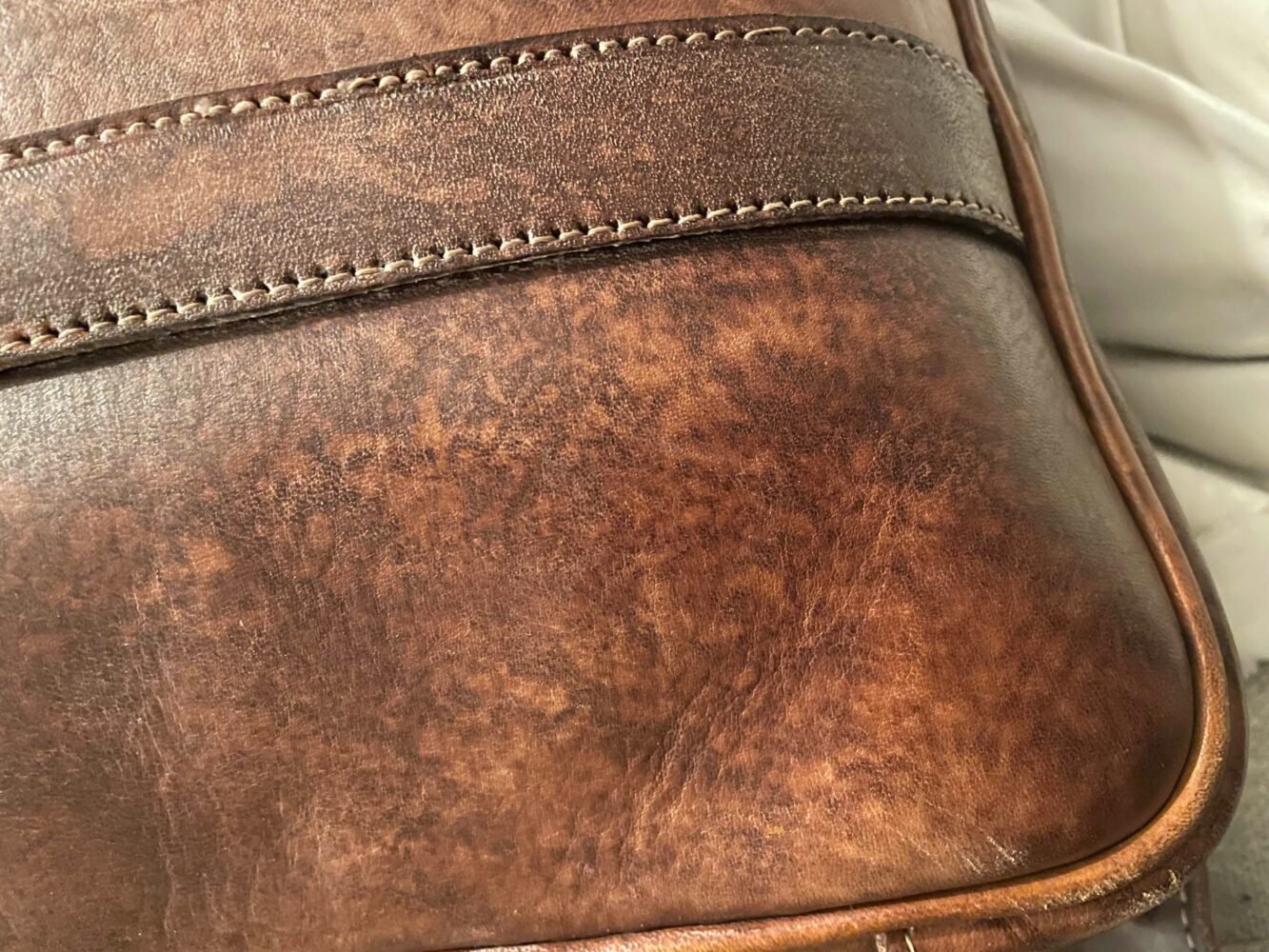
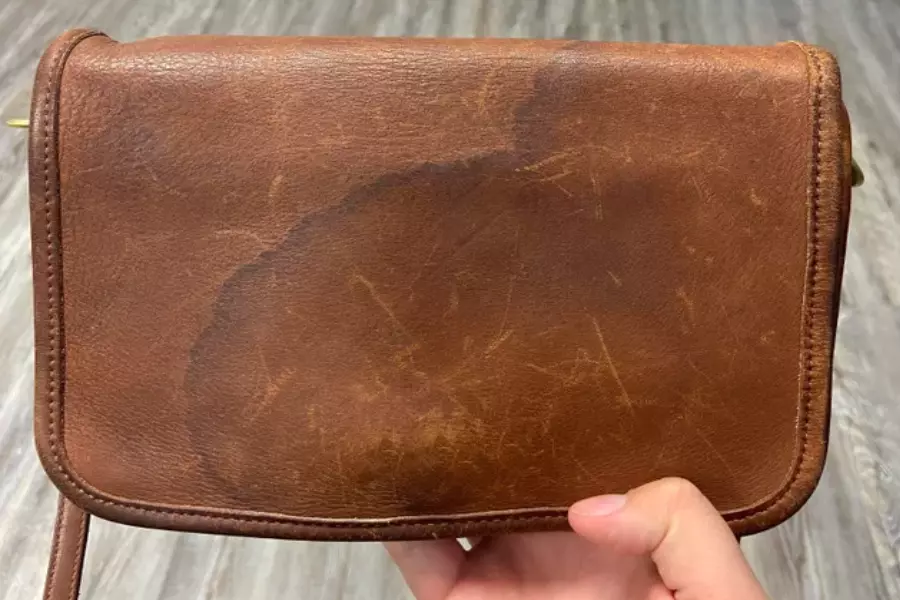
Leather has historically been the material of the explorer, the aviator, and the aristocrat. Brands like Hermès, Louis Vuitton, and Berluti have built multi-billion dollar identities on the tactile reliability of hide. In the context of branding, leather suggests a “living” product that matures with the owner. This “living” quality is exactly why water is so transformative. When leather gets wet, the water molecules bind to the oils that keep the leather fibers supple. As the water evaporates, it pulls those essential oils out with it, leaving the material brittle, prone to cracking, and potentially warped.
For a brand, this physical reaction is a potential liability. If a $3,000 bag loses its shape after a rainy day, the brand’s promise of “quality” is compromised. Consequently, the most successful brands don’t just sell leather; they sell the assurance that their specific leather has been treated, tanned, and curated to withstand the realities of the consumer’s life.
When the Product Fails: The Brand Crisis of Water Damage
From a brand strategy perspective, “damage” is a breach of the unspoken contract between the manufacturer and the consumer. If a premium brand fails to account for the environmental risks its products face, it risks a “functional failure” reputation. This is why many contemporary brands are pivoting toward technical leather—leathers treated with fluorocarbon resins or hydrophobic coatings.
The strategic choice here is significant: does the brand prioritize the “natural” feel of the leather (knowing it will react poorly to water) or the “performance” of the leather (risking the loss of that luxury, organic texture)? How a brand answers this question defines its target demographic. The “purist” brand targets the connoisseur who understands maintenance, while the “performance luxury” brand targets the modern, busy professional who demands resilience.
Strategic Response: Turning Vulnerability into Value
In high-end marketing, a weakness is often rebranded as a feature. This is nowhere more evident than in how brands frame the aging process of leather.
Redefining Aging as Character: The Patina Narrative
The most sophisticated brand strategy regarding wet leather is the “Patina Narrative.” Instead of viewing water spots or the darkening of leather as damage, brands like Saddleback Leather or Filson frame these changes as “character.” They argue that a leather bag that has never been wet, scratched, or weathered is a bag without a soul.
This is a masterclass in personal branding and marketing. By telling the consumer that the marks left by a rainy day in London or a humid afternoon in Tokyo are “travel scars,” the brand transforms a material degradation into a unique, personalized asset. This strategy effectively offloads the “risk” of water damage from the brand to the consumer’s own life story, creating a deeper emotional bond between the user and the object.
Educating the Consumer: Brand Authority through Aftercare
Another way brands manage the “wet leather” problem is through the exercise of authority. When a brand provides extensive care guides, branded conditioners, and “leather spas,” they are positioning themselves as the ultimate stewards of the material.
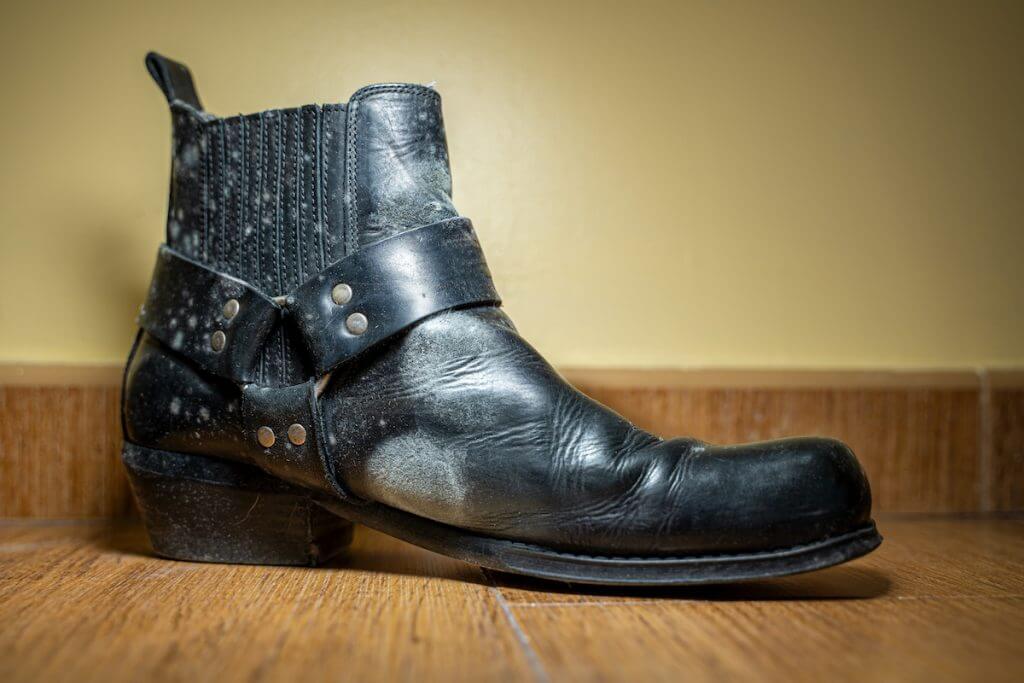
By educating the consumer on what to do when leather gets wet—stuffing the item with acid-free paper, drying it away from artificial heat, and reapplying specific oils—the brand reinforces its expertise. This education serves a dual purpose: it reduces the likelihood of product returns and creates an ecosystem of “aftercare” products that generate additional revenue. It turns a potential negative (maintenance) into a positive touchpoint for brand engagement.
Case Studies in Resilient Brand Strategy
To understand how this works in the real world, we can look at how different market leaders handle the intersection of their products and the environment.
Hermès and the Mastery of Maintenance
Hermès represents the pinnacle of “Brand as Caretaker.” When an Hermès Birkin or Kelly bag gets wet, the brand doesn’t just suggest a fix; they offer a service. The “Hermès Spa” is a legendary component of their brand strategy. By offering to restore water-damaged or dried-out leather to its original luster, they reinforce the idea that an Hermès product is eternal. The high cost of the initial purchase is justified by the brand’s lifelong commitment to the material’s integrity. This creates a closed-loop brand experience that prevents the “wet leather” problem from ever devaluing the corporate identity.
Outdoor Performance Brands vs. Lifestyle Luxury
Contrast the Hermès approach with a brand like Arc’teryx or Danner. These brands deal with leather in high-stress environments. Their brand strategy is built on “technical superiority.” When their leather gets wet, it is expected to perform. Their marketing focuses on GORE-TEX linings and waterproof tanning processes.
For these brands, the “wet leather” scenario is a test of their engineering. If the leather fails, the brand fails. Therefore, their branding is focused on the denial of nature’s impact, whereas luxury brands focus on the graceful acceptance of nature’s impact. These are two distinct strategic paths: the invulnerable vs. the immortal.
The Economic Ripple of Product Durability
The way a brand manages material reactions to water has a direct impact on the secondary market and long-term brand equity.
Resale Value and the “Wet Leather” Risk
In the modern economy, the resale value of a brand’s products (on platforms like The RealReal or StockX) is a major indicator of brand health. Leather goods that have been improperly dried after getting wet suffer from “stiffness” or “salt staining,” which drastically reduces their resale price.
Brands that provide clear instructions or treatments to prevent this are essentially protecting the “investment value” of their products. A brand whose leather “holds up” over a decade of various weather conditions will always command a higher price point than one that looks tattered after one season. This durability becomes a key marketing metric, often referred to as “cost-per-wear” or “residual value.”
Sustainability and the Ethical Brand Narrative
Finally, the “wet leather” conversation has entered the realm of sustainability. As brands move toward “vegan” or “bio-leathers” (made from mushrooms, pineapple, or cactus), they face a new challenge: these materials often react differently to water than traditional bovine hide.
Many “eco-leathers” are more susceptible to water damage or delamination. A brand’s strategy here must be incredibly careful. If they promote a sustainable leather that disintegrates when wet, they damage their reputation for quality. Therefore, the “Brand Strategy” for sustainable leather involves a heavy focus on material innovation—proving that “green” does not mean “fragile.” The brands that win in this space will be the ones that can prove their alternative materials are as hydro-resistant as the traditional hides of the past.
Conclusion: Protecting the Texture of the Brand
What happens when leather gets wet? Physically, the fibers tighten and the oils dissipate. But strategically, the brand’s reputation is put under a microscope.
A brand that ignores the physical realities of its materials is a brand that is destined for a short lifecycle. Conversely, a brand that anticipates the rain—either through technical innovation, customer education, or the romanticization of the patina—builds an identity that is as resilient as the leather it sells. In the end, the way a brand handles a “wet leather” moment tells the consumer everything they need to know about the company’s values, its heritage, and its commitment to the future. Quality is not just how a product looks on the shelf; it is how it survives the storm.
aViewFromTheCave is a participant in the Amazon Services LLC Associates Program, an affiliate advertising program designed to provide a means for sites to earn advertising fees by advertising and linking to Amazon.com. Amazon, the Amazon logo, AmazonSupply, and the AmazonSupply logo are trademarks of Amazon.com, Inc. or its affiliates. As an Amazon Associate we earn affiliate commissions from qualifying purchases.