
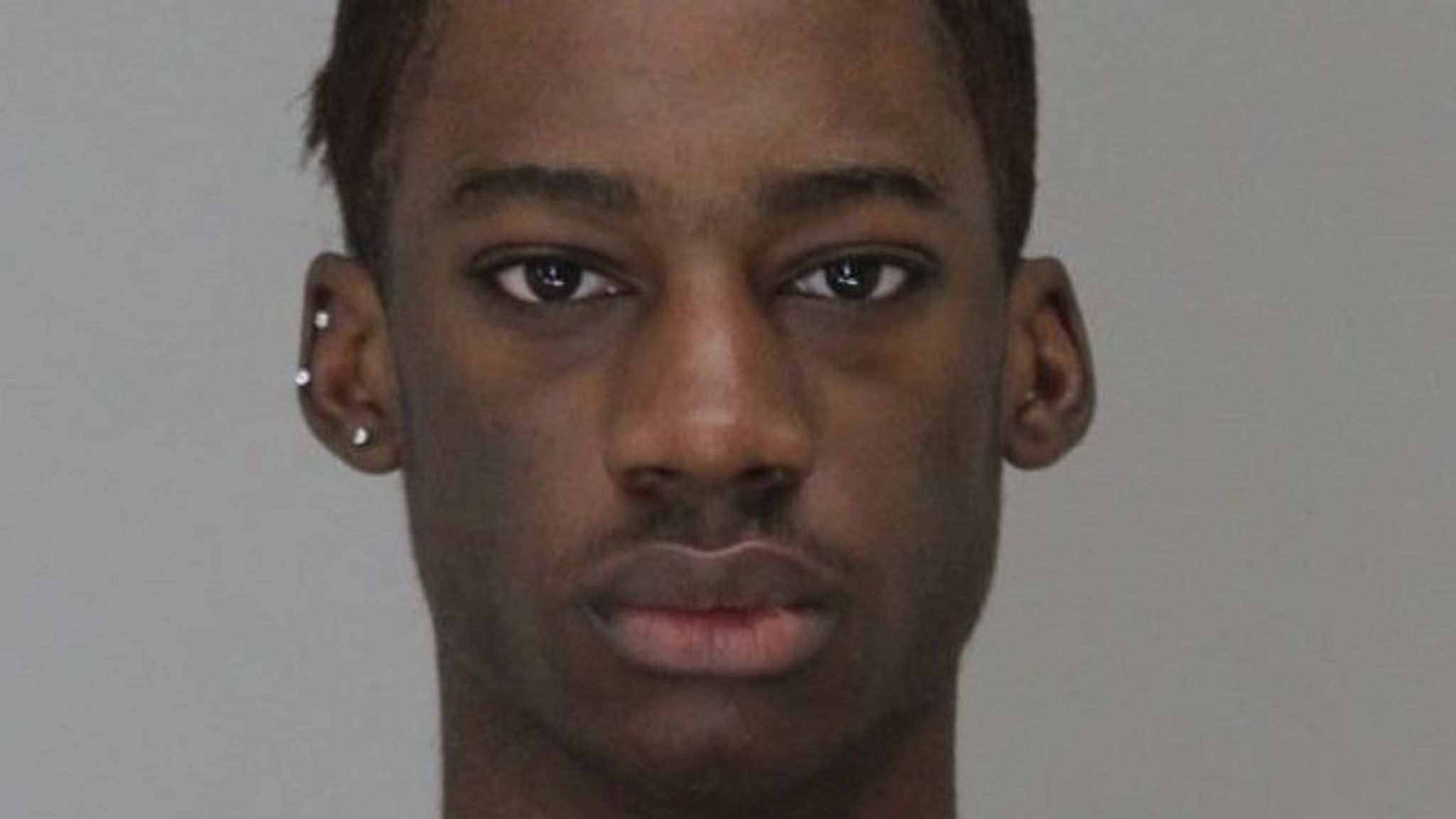
In the contemporary landscape of the creator economy, the trajectory of Terryon Thomas, known to millions as “Mr. Prada,” serves as a profound case study in the power and fragility of personal branding. Within the span of a few years, Mr. Prada transitioned from an obscure content creator to a TikTok powerhouse, only to have that brand identity utterly dismantled by real-world events. For brand strategists and marketers, the story of “what happened to Mr. Prada” is not merely a headline about a viral star; it is an exploration of the risks inherent in identity-based marketing and the volatility of digital reputation.

The Architecture of Virality: Building the “Mr. Prada” Brand
The success of Mr. Prada was not accidental. It was built on a foundation of specific branding principles that resonate deeply with Gen Z and Alpha audiences. His ascent offers a blueprint for how a personal brand can be scaled rapidly using platform-specific aesthetics and psychological triggers.
Defining a Niche in a Crowded Digital Market
The core of the Mr. Prada brand was built on relatability and high-frequency engagement. Unlike luxury brands that maintain a distance from their audience, Thomas leveraged the “POV” (Point of View) format to position himself as a relatable peer. His branding was centered on humor, school life, and social dynamics, allowing him to occupy a specific niche: the “Everyman” of the digital age who happened to have a charismatic edge. By consistently utilizing trending sounds and mimicking common social anxieties, the Mr. Prada brand became a mirror for his audience, fostering a sense of community that felt both personal and expansive.
The Power of Aesthetic Consistency and Catchphrases
A brand is defined by its recognizability. Mr. Prada utilized consistent visual cues—often filming in familiar, domestic settings—to create a “homegrown” feel that contrasted with the overly polished content of traditional influencers. His “brand voice” was characterized by a specific cadence and a set of recurring themes that made his content instantly identifiable as it scrolled past on a user’s “For You” page. This consistency helped him bypass the “discovery phase” of marketing; once a user saw one video, they knew exactly what to expect from the brand in the next, reducing the friction of follow-conversions.
The Fragility of the “Influencer” Brand Identity
While traditional corporate brands like Coca-Cola or Apple are built on products and institutional values, an influencer brand is built entirely on a human being. This creates a high-risk scenario where the brand and the person are indistinguishable. When the person fails, the brand does not just decline—it evaporates.
The Disconnect Between Persona and Reality
The Mr. Prada phenomenon highlights the “persona gap”—the distance between the curated digital image and the lived reality of the individual. In branding terms, Thomas was the “Chief Brand Officer” of his own life. However, when a brand is built on “authenticity,” any revelation that contradicts that authenticity acts as a catastrophic system failure. For Mr. Prada, the brand was built on lightheartedness and social commentary. When headlines began to associate the name with serious criminal allegations, the cognitive dissonance for the audience was too great to bridge. This serves as a warning for personal brand strategists: if the brand value is tied exclusively to the personality, there are no assets to pivot to when that personality becomes toxic.

Social Media as a Performance Art and Brand Liability
In the creator economy, attention is the primary currency. To maintain this attention, creators often push their personal brands toward more extreme or high-energy content. This “performance art” aspect of branding can lead to a dangerous cycle where the brand requires constant escalation to remain relevant. For Mr. Prada, the brand was so focused on the “now”—the current trend, the current joke—that it lacked the institutional “moat” that protects long-term brands. When the digital footprint of a creator becomes the subject of forensic scrutiny by the public, the very tools used to build the brand (high transparency, frequent posting, personal vulnerability) become the tools of its undoing.
Crisis Management and the Anatomy of Brand Dissolution
When news broke regarding the legal troubles surrounding Terryon Thomas, the “Mr. Prada” brand experienced a total collapse. In traditional corporate branding, crisis management involves PR statements, board reshuffling, and pivot strategies. In the influencer world, the process is much more visceral.
When Personal Branding Becomes a Liability
For years, the name “Prada” (even as a self-adopted moniker) stood for a certain level of digital prestige and influence. Almost overnight, the association changed from “influencer” to “subject of interest.” This illustrates the “Contagion Effect” in branding. Brands that had collaborated with or been mentioned by Mr. Prada immediately sought to distance themselves. This is the ultimate risk of the “Brand of One”: there is no corporate structure to absorb the blow. The dissolution of the Mr. Prada brand was not a slow decline; it was a total erasure of market value within 48 hours.
The Role of the Audience in Brand Deconstruction
In the modern era, the audience is no longer a passive consumer of a brand; they are active participants in its narrative. As the news unfolded, the very community that built the Mr. Prada brand began to deconstruct it. Fans became digital sleuths, re-contextualizing old videos and looking for “red flags” that they had previously missed. This “Retrospective Rebranding” is a phenomenon where the audience rewrites the history of a brand based on new, negative information. For Thomas, this meant that his entire library of content—once seen as humorous—was suddenly viewed through a darker lens, rendering the brand unrecoverable.
Lessons for Modern Creators and Brand Agencies
The “Mr. Prada” case is a cautionary tale that will be studied by talent agencies and brand managers for years. It highlights the need for a new framework in how we approach personal branding and creator partnerships.
Due Diligence and the Future of Creator Partnerships
Corporate brands are becoming increasingly wary of “unfiltered” influencers. The fallout of the Mr. Prada brand will likely lead to more stringent due diligence processes. Agencies are moving toward a model where they evaluate not just the “metrics” (likes, follows, reach) but the “stability” of the personal brand. We are seeing a shift toward “Brand Safety” as a primary KPI. The lesson here is that a massive following is a liability if the person behind the brand does not have a stable, sustainable infrastructure. Strategists must now ask: Is this brand built on a foundation that can survive the creator’s humanity?
Long-term Sustainability vs. Short-term Fame
The tragedy of the Mr. Prada brand is that it was built for the “sprint” rather than the “marathon.” It prioritized high-frequency engagement over long-term brand equity. For creators looking to build lasting influence, the takeaway is the importance of diversifying the brand. A brand that exists only on one platform and is tied only to one face is a “Single Point of Failure” business model. Sustainable brands—even those led by personalities—often transition into product lines, media houses, or philanthropic ventures that can stand independently of the founder’s daily actions.
In conclusion, “what happened to Mr. Prada” is a story of a brand that grew too fast on a foundation that was too thin. It represents the pinnacle of TikTok branding—fast, effective, and deeply resonant—but also exposes the inherent dangers of the creator economy. As we move forward, the focus of personal branding will likely shift away from raw numbers and toward “Resilience Engineering,” ensuring that a brand can withstand the complexities of the real world. For Terryon Thomas, the digital persona of Mr. Prada is effectively dead, leaving behind a vacuum that serves as a stark reminder of how quickly a million-dollar reputation can vanish in the digital age.
aViewFromTheCave is a participant in the Amazon Services LLC Associates Program, an affiliate advertising program designed to provide a means for sites to earn advertising fees by advertising and linking to Amazon.com. Amazon, the Amazon logo, AmazonSupply, and the AmazonSupply logo are trademarks of Amazon.com, Inc. or its affiliates. As an Amazon Associate we earn affiliate commissions from qualifying purchases.