
In the landscape of 1990s children’s media, few intellectual properties commanded as much market share or cultural mindshare as Nickelodeon’s Rugrats. While the show was ostensibly a comedic exploration of “baby logic,” its enduring legacy rests on a foundation of surprisingly sophisticated brand storytelling. One of the most significant pillars of this strategy was the mystery surrounding Chuckie Finster’s mother, Melinda. For years, the brand maintained a deliberate silence regarding her whereabouts, creating a narrative gap that served as a powerful tool for audience engagement, emotional branding, and franchise expansion.
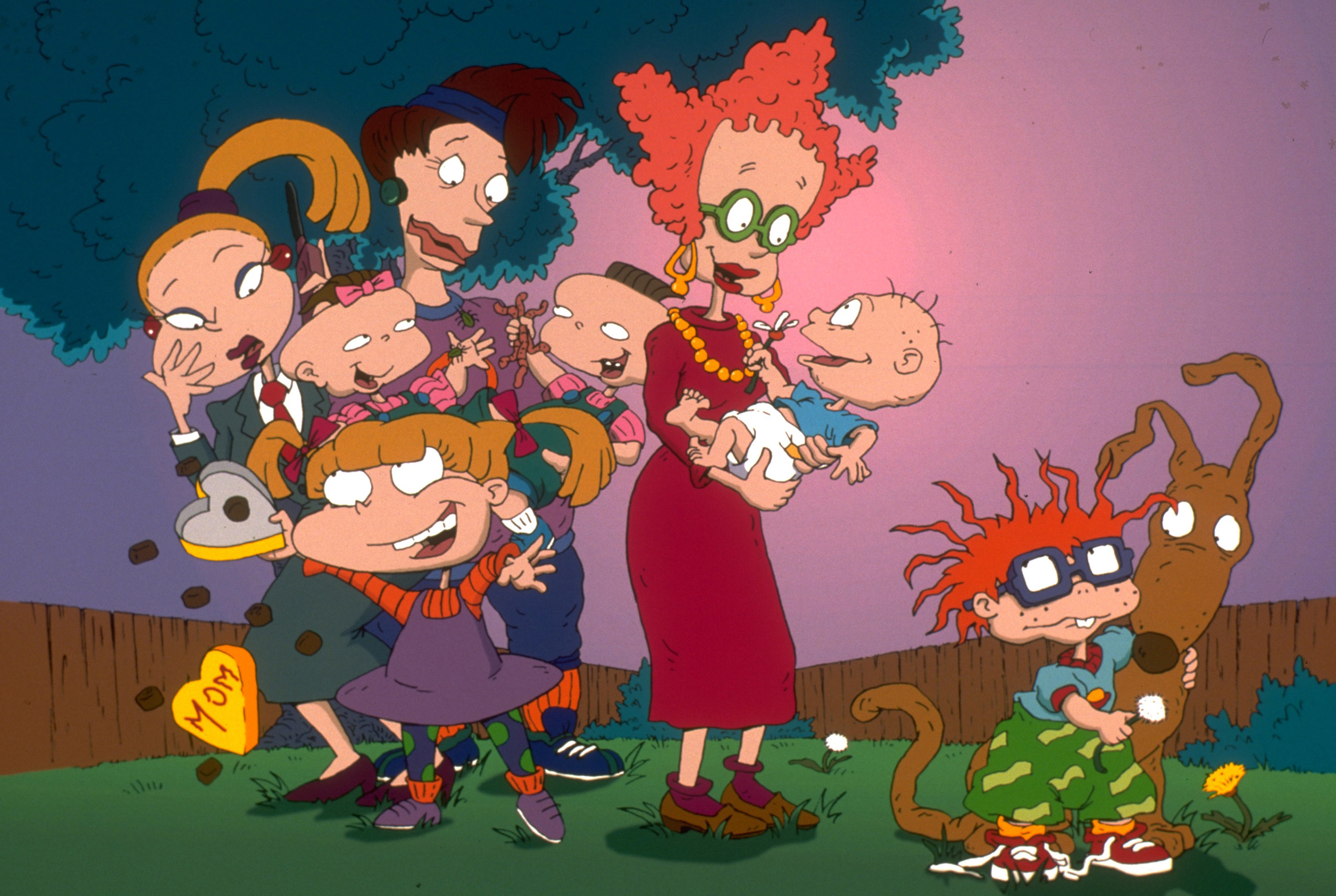
Understanding what happened to Chuckie’s mom is not just an exercise in nostalgic trivia; it is a case study in how a media brand manages sensitive themes to build deep, lifelong loyalty. By examining the strategic rollout of Melinda Finster’s story, we can uncover how Klasky Csupo and Nickelodeon utilized narrative scarcity to transform a simple cartoon into a multi-generational powerhouse.
The Power of Emotional Continuity in Franchise Branding
In the early 1990s, most animated children’s programming followed a strictly episodic format. Characters were static, and status quos were rarely challenged. Rugrats broke this mold by introducing “emotional continuity”—the idea that characters possessed histories that influenced their present-day personalities. This was most evident in the character of Chuckie Finster, whose trademark anxiety was grounded in the unspoken absence of a maternal figure.
Building an Empathetic Connection with the Audience
From a brand strategy perspective, Chuckie was designed to be the “relatable underdog.” However, his relatability was magnified by the vacuum left by his mother. By not immediately explaining her absence, the show’s creators invited the audience to participate in the narrative. Fans—both children and parents—speculated on her whereabouts, creating a level of engagement that went beyond passive viewing.
This strategy allowed the Rugrats brand to cultivate “empathetic equity.” When a brand allows its characters to experience vulnerability, it ceases to be a mere product and becomes a companion to the consumer. The mystery of Melinda Finster wasn’t just a plot point; it was a branding mechanism that positioned Rugrats as a show that respected the emotional intelligence of its young audience.
The Shift from Episodic Content to Serialized Lore
By withholding the truth about Melinda for several seasons, the creators successfully pivoted the brand from simple episodic content to a serialized lore-heavy franchise. This transition is crucial for brand longevity. When a series has a “mystery” at its core, it creates a “reason to return” that transcends the quality of any individual episode. The brand becomes a journey toward a resolution. This approach paved the way for the high-stakes storytelling seen in modern animation, proving that children’s brands could handle complex, overarching themes without losing their core demographic.
Case Study: The Strategic Reveal of Melinda Finster
The “Rugrats” brand reached a critical juncture in its fourth season. Having established itself as a ratings juggernaut, the producers faced a choice: keep the status quo or address the elephant in the room. The decision to finally reveal what happened to Chuckie’s mom was a calculated risk that ultimately redefined the show’s corporate identity.
Maintaining the Mystery: The Early Seasons’ Approach
During the first three seasons, the brand handled Melinda’s absence with subtle cues. We saw Charles Sr. (Chas) as a single father, navigating the complexities of parenting alone. This was a revolutionary branding move in itself, as it represented a demographic—single fathers—that was largely invisible in 90s media. By focusing on the strength of the father-son bond, the brand reinforced values of resilience and domestic adaptability. The “missing piece” of the family puzzle was used to heighten the stakes of the episodes where Chuckie felt particularly brave or particularly frightened, grounding the brand’s humor in real-world stakes.
“Mother’s Day”: A Masterclass in High-Stakes Brand Storytelling
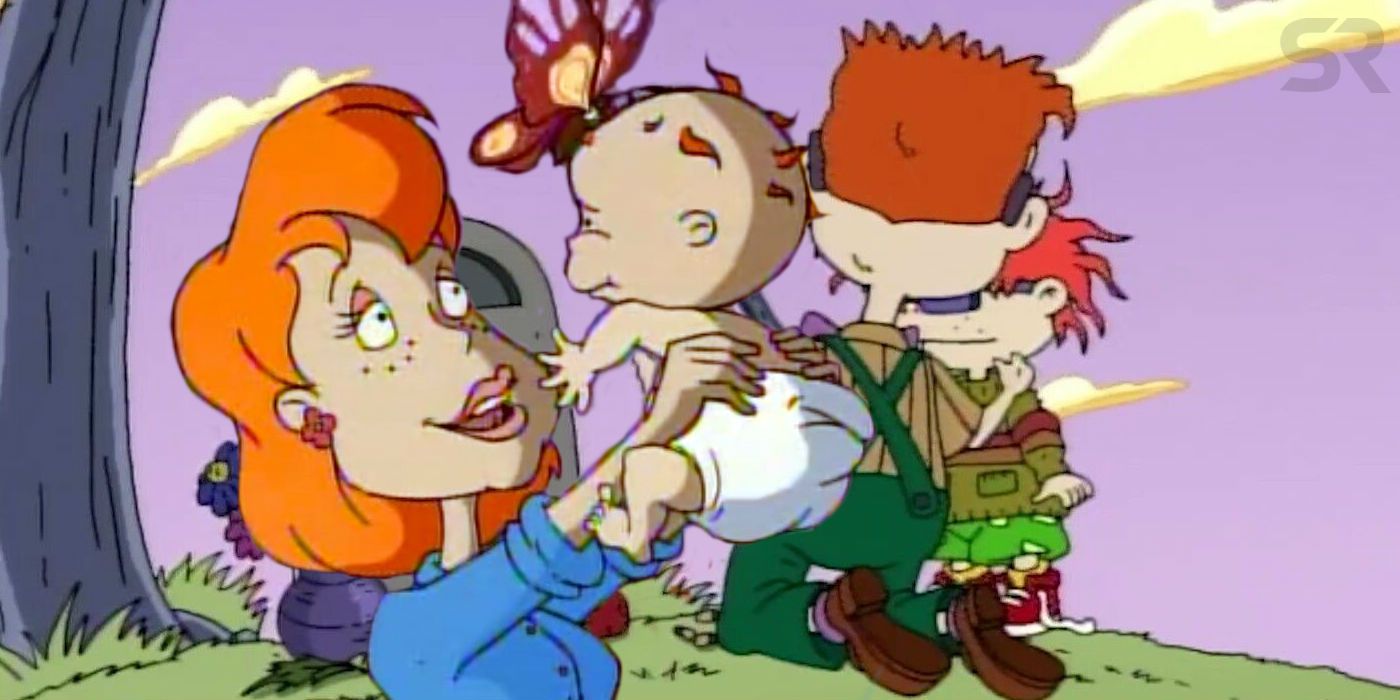
The 1997 episode “Mother’s Day” is widely considered the peak of the Rugrats narrative strategy. In this episode, it is finally revealed that Melinda Finster passed away due to a terminal illness (hinted at through her sudden hospitalization in flashbacks). The reveal was handled with a level of grace and maturity that was unprecedented for Nickelodeon at the time.

From a marketing standpoint, this episode functioned as a “Brand Rejuvenation” event. It generated immense PR buzz and solidified the show’s reputation as a “prestige” children’s program. By confirming that Melinda had died, the brand took a stand on authenticity. They chose a permanent, tragic reality over a convenient plot device (like divorce or moving away), which cemented a bond of trust with the audience. This move ensured that the brand would be remembered not just for its jokes, but for its heart.
Brand Evolution through Maturity: From “Rugrats” to “All Grown Up”
The resolution of the Melinda mystery allowed the Rugrats brand to evolve. It was no longer tethered to a “mystery” and could now focus on the “growth” of its characters. This led to the expansion of the Intellectual Property (IP) into feature films and eventually the spin-off series, All Grown Up.
Expanding the Demographic via Character History
When a brand possesses a rich history, it can “age up” with its audience. The Rugrats brand successfully transitioned into All Grown Up by leaning into the backstories established in the original series. Chuckie’s character development in the spin-off—his continued cautiousness balanced by his desire to honor his mother’s memory—provided a narrative bridge for older viewers.
This is a classic example of “Lifecycle Branding.” By maturing the content alongside the original viewers, the franchise maintained its relevance. The tragic background of the Finster family provided the necessary “gravitas” to make the transition from a show about babies to a show about teenagers feel earned rather than forced.
Intellectual Property Management and Narrative Consistency
The management of Melinda Finster’s legacy within the brand shows the importance of narrative consistency. Even after the character of Kira was introduced as Chuckie’s stepmother in Rugrats in Paris: The Movie, the brand did not “erase” Melinda. Instead, they incorporated the complexity of a blended family into the brand’s DNA.
This move expanded the brand’s marketability to a wider range of family structures. By handling the transition from a deceased parent to a stepparent with nuance, Nickelodeon effectively marketed Rugrats as the definitive “modern family” cartoon. This consistency in character history is what allows a brand to survive multiple reboots and iterations; the audience knows the “truth” of the world and remains invested in it.
Lessons for Modern Brands: Handling Sensitive Topics
The way Rugrats handled the tragedy of Chuckie’s mom offers several insights for modern corporate brands and content creators. In an era where “purpose-driven branding” is essential, the Finster narrative provides a blueprint for addressing difficult topics with integrity.
Authenticity as a Brand Pillar
Today’s consumers are highly sensitive to “performative” storytelling. If a brand introduces a serious topic only to discard it for a quick emotional win, it loses credibility. Rugrats avoided this by making Melinda’s absence a fundamental part of Chuckie’s identity for over a decade. The lesson here is that authenticity requires commitment. If a brand chooses to engage with a sensitive social or emotional issue, that issue must be woven into the brand’s long-term DNA, not just used as a one-off marketing campaign.
Transforming Grief into Relatability
The ultimate success of the Melinda Finster storyline was its ability to transform a specific grief into a universal relatability. Most children may not have lost a parent, but every child understands the feeling of wanting to belong or feeling like something is “missing.”
For brands, this highlights the importance of “Emotional Universality.” Whether you are selling software or producing a television show, your brand must tap into a fundamental human emotion. By anchoring the Rugrats brand in the universal experience of love and loss, the creators ensured that the show would remain timeless. The question of “what happened to Chuckie’s mom” was the hook, but the answer—that love persists through memory—was the brand promise that kept millions of viewers coming back for years.
In conclusion, the mystery of Chuckie’s mom was far more than a plot hole in a children’s cartoon. It was a sophisticated brand strategy that utilized emotional depth, narrative scarcity, and demographic maturation to build one of the most successful media franchises in history. By treating its audience with respect and its characters with humanity, the Rugrats brand turned a tragic backstory into a legacy of enduring success.
aViewFromTheCave is a participant in the Amazon Services LLC Associates Program, an affiliate advertising program designed to provide a means for sites to earn advertising fees by advertising and linking to Amazon.com. Amazon, the Amazon logo, AmazonSupply, and the AmazonSupply logo are trademarks of Amazon.com, Inc. or its affiliates. As an Amazon Associate we earn affiliate commissions from qualifying purchases.