
The story of Lyle and Erik Menendez is often told through the lens of true crime, psychological trauma, and courtroom drama. However, beneath the sensationalist headlines lies a complex and cautionary financial narrative. In 1989, the Menendez estate was valued at approximately $14.5 million—a staggering sum at the time, equivalent to over $35 million in today’s currency. Yet, within a few short years, the fortune had almost entirely vanished.
To understand what happened to the Menendez money, one must look past the murders and examine the mechanics of asset dissipation, the crushing weight of legal expenses, and the predatory nature of taxation and debt when an estate lacks proper fiduciary oversight. This article explores the financial downfall of the Menendez estate, offering a masterclass in how rapid consumption and legal battles can liquidate a lifetime of wealth.

The Composition of the Initial Fortune: The Jose Menendez Estate
Jose Menendez was the personification of the American Dream in the corporate world. As a high-ranking executive at RCA Records and later the CEO of LIVE Entertainment, he built a diversified portfolio of assets. By the time of his death, his estate was not merely a pile of cash; it was a complex web of real estate, life insurance, and corporate equity.
Entertainment Industry Wealth and Life Insurance
The bulk of Jose’s wealth was tied to his success in the home video and music industries. His position at LIVE Entertainment provided him with significant stock options and a high-six-figure salary. Additionally, Jose had several life insurance policies. One of the most famous aspects of the financial case was a $5 million policy. However, in a twist of corporate bureaucracy, the policy had not been fully processed or contained technicalities regarding the physical exam, leading to significant delays and litigation with the insurance company.
Real Estate Holdings and the Beverly Hills Mansion
The crown jewel of the estate was the family’s Mediterranean-style mansion at 722 North Elm Drive in Beverly Hills. Purchased for roughly $4 million in 1988, the property was intended to be a symbol of the family’s elite status. The estate also included a second home in Calabasas and various smaller investment properties. While these assets represented significant value, they were also illiquid and carried high carrying costs, including massive mortgage payments, property taxes, and maintenance fees that continued to accrue after the parents’ deaths.
The Spending Spree: Six Months of Unchecked Consumption
One of the most damning elements presented by the prosecution during the trials was the brothers’ spending behavior in the months following the murders but prior to their arrest. Without a trustee to manage the disbursements, Lyle and Erik engaged in a period of “Sudden Wealth Syndrome” that saw hundreds of thousands of dollars exit the estate in record time.
Luxury Goods, Cars, and High-End Fashion
In the first six months after their parents’ deaths, the brothers reportedly spent an estimated $700,000. Lyle Menendez, favoring a lifestyle of immediate luxury, purchased a Porsche Carrera and at least three Rolex watches. Erik Menendez was not far behind, trading in his Ford for a top-of-the-line Jeep Wrangler. Their wardrobes were overhauled with custom-tailored suits from Hugo Boss and other high-end designers. From a financial perspective, these were “wasting assets”—items that depreciated the moment they were purchased, providing no long-term ROI for the estate.
Travel and Entertainment Expenses
The spending extended beyond physical goods into lifestyle inflation. The brothers hired a full-time tennis coach for $60,000 a year to help Erik pursue a professional career. They took expensive trips and dined at the most exclusive restaurants in Los Angeles. Lyle even attempted to purchase a Chuck E. Cheese franchise in New Jersey for $500,000. This erratic diversification strategy—investing in a business without due diligence or operational experience—is a classic mistake made by heirs who receive large sums of money without financial literacy training.
Legal Fees and the Cost of Defense
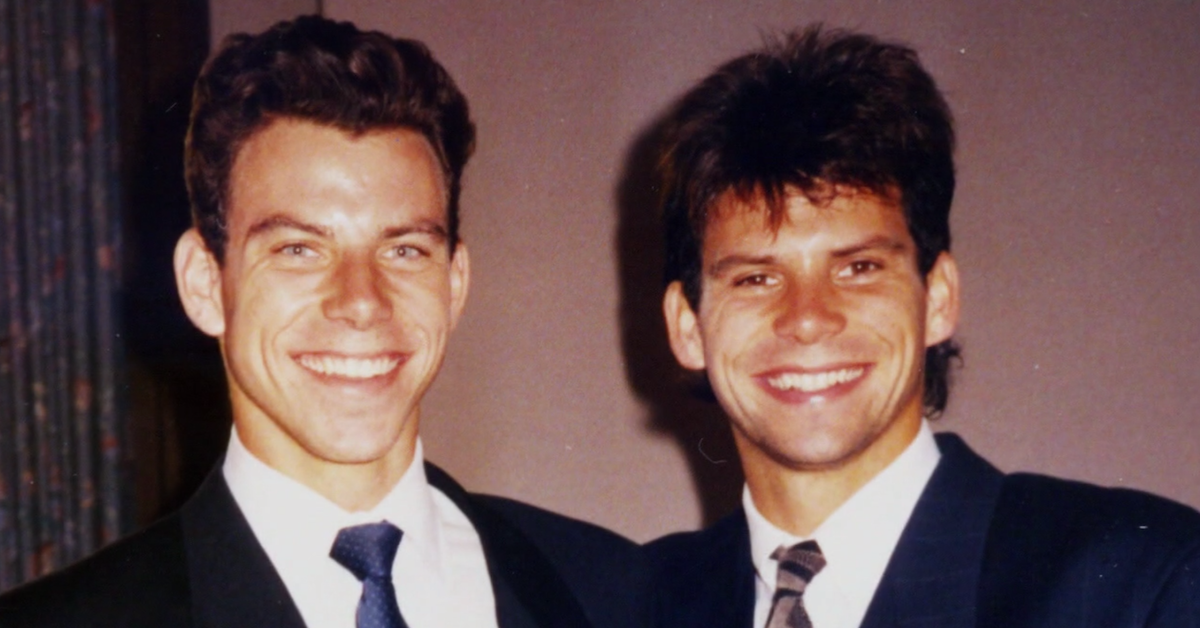
While the initial spending spree was significant, it was the legal system that ultimately hollowed out the Menendez fortune. The defense of Lyle and Erik Menendez became one of the most expensive legal undertakings in California history at that time.
Retaining Top-Tier Legal Counsel
To fight a double-murder charge with the possibility of the death penalty, the brothers hired the best defense attorneys money could buy. Leslie Abramson, representing Erik, and Gerald Chaleff (later followed by others), representing Lyle, commanded premium rates. It is estimated that legal fees for the two trials exceeded $2 million. In the early 1990s, these fees were astronomical. Because the brothers were the primary beneficiaries of the estate (until their convictions triggered “Slayer Statutes” in various forms), the estate’s liquid assets were funneled directly into the pockets of defense teams.
Expert Witnesses and Trial Expenses
Beyond attorney fees, the “menendez defense” relied heavily on expert testimony. Forensic psychologists, investigators, and medical experts were brought in to testify regarding the brothers’ claims of abuse. Each of these experts billed by the hour, and the costs of transcripts, travel, and court filings added up. By the time the second trial began, the brothers had largely run out of money, forcing the county to pick up the tab for their defense—a stark contrast to the multimillion-dollar war chest they started with.
Taxation and the Role of the IRS
In any discussion of wealth management, the “silent partner” is always the government. The Menendez estate was hit with a trifecta of financial obligations: estate taxes, capital gains taxes, and property taxes.
Capital Gains and Property Sales
To fund their lifestyle and legal fees, the brothers had to sell the estate’s real estate holdings. However, selling a high-profile “murder house” is a difficult real estate challenge. The Beverly Hills mansion, which had been appraised at nearly $5 million, eventually sold for roughly $3.6 million in 1991. After paying off the $3 million mortgage, closing costs, and back taxes, there was very little equity left for the heirs. The Calabasas property also sold at a loss relative to its potential market value, as the estate was essentially a “distressed seller.”
Probate Challenges and State Taxes
The California probate process is notoriously slow and expensive. While the estate was tied up in probate, interest on debts continued to accumulate. Furthermore, the IRS and the California Franchise Tax Board were among the first in line to be paid. Estate taxes at the time could reach as high as 55% for fortunes of this size. By the time the government took its share of the Jose Menendez estate, the “millions” that people saw on TV were largely a mirage of gross value rather than net liquidity.
Lessons in Financial Literacy and Wealth Preservation
The disappearance of the Menendez fortune serves as a grim case study for financial planners and estate attorneys. It highlights the volatility of wealth when it is not protected by structural guardrails.
The Importance of Trusts and Fiduciary Oversight
If Jose and Kitty Menendez had placed their assets into a restrictive spendthrift trust, the brothers would not have been able to spend $700,000 on Porsches and Rolexes in a matter of months. A corporate trustee or a neutral third party would have been required to approve all disbursements, ensuring the money was used for legitimate needs rather than impulsive luxuries. This case underscores why high-net-worth individuals must look beyond simple wills and utilize trusts to protect their legacy from the potential poor judgment of heirs.
Psychological Factors in Sudden Wealth Syndrome
The Menendez case is also an example of the psychological impact of sudden wealth. When individuals inherit large sums of money during a period of high emotional stress or trauma, their ability to make rational financial decisions is compromised. Professional financial advisors often recommend a “cooling-off period” for heirs before making any major purchases or investment decisions. In the absence of such advice, the Menendez brothers treated a finite inheritance as an infinite well, a mistake that left them with nothing but public defenders by the end of their legal journey.
In the end, the Menendez money didn’t just “disappear”—it was systematically dismantled by a combination of impulsive consumerism, the high cost of the American justice system, and the relentless efficiency of the tax code. It remains one of the most visible examples of how quickly a multi-generational fortune can be reduced to zero.
aViewFromTheCave is a participant in the Amazon Services LLC Associates Program, an affiliate advertising program designed to provide a means for sites to earn advertising fees by advertising and linking to Amazon.com. Amazon, the Amazon logo, AmazonSupply, and the AmazonSupply logo are trademarks of Amazon.com, Inc. or its affiliates. As an Amazon Associate we earn affiliate commissions from qualifying purchases.