
In the world of wearable technology, we often focus on smartwatches, augmented reality headsets, and biometric rings. However, one of the most significant pieces of optical engineering that millions of people use daily is the polarized lens. While many consumers view “polarized” as a marketing buzzword synonymous with “expensive,” the term actually refers to a sophisticated application of physics and material science designed to manage light waves. Understanding what polarized means on glasses requires a deep dive into the electromagnetic properties of light and the precision manufacturing processes used to create high-performance eyewear.
The Physics of Light: How Polarization Works at a Molecular Level
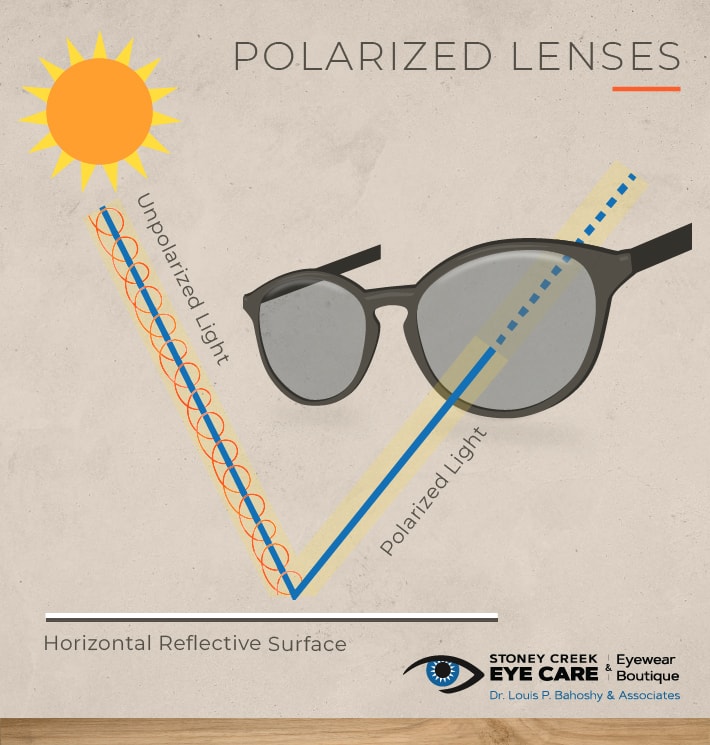
To understand the technology behind polarized glasses, one must first understand the behavior of natural light. Light from the sun or artificial sources is “unpolarized,” meaning its electromagnetic waves oscillate in multiple planes—up and down, left to right, and every diagonal in between.
Vertical vs. Horizontal Light Waves
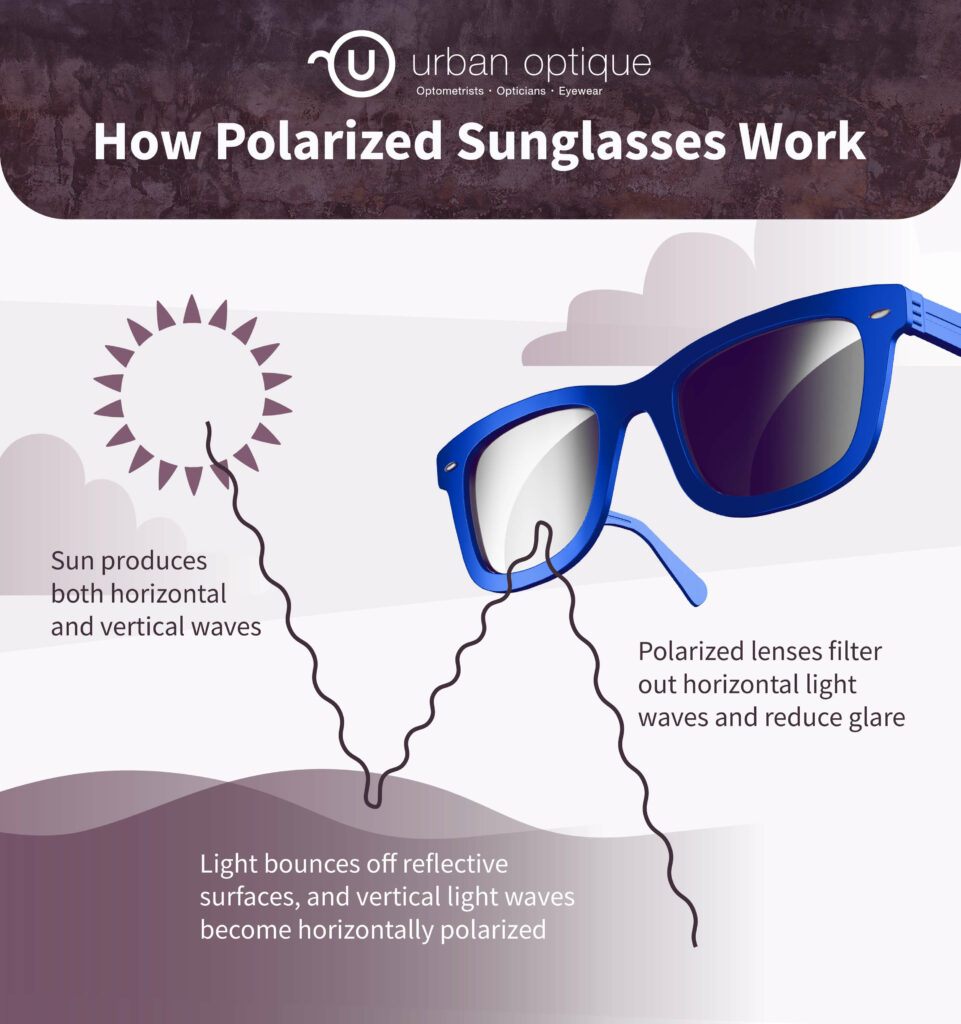
When light hits a smooth, reflective surface—such as a wet highway, a calm lake, or the hood of a car—the dynamics change. The surface reflects the light primarily in a horizontal direction. This concentrated, horizontally oriented light is what we perceive as “glare.” Unlike diffuse light, which helps us see colors and shapes, glare is intense, blinding, and obscures visual data. It creates a “white-out” effect that can be dangerous during high-speed transit or precision outdoor activities.
The Chemical Filter: The Vertical Grid
Polarized lenses are engineered with a specialized chemical film applied to the lens material. This film acts like a microscopic Venetian blind. The molecules in the chemical filter are stretched and aligned in a specific vertical pattern during the manufacturing process. Because the filter is aligned vertically, it only allows vertical light waves to pass through to the eye. The overwhelming horizontal waves—the glare—are physically blocked at the surface of the lens. This is not merely “shading” the eyes; it is a selective filtering process that sorts light based on its orientation.
Engineering the Polarized Lens: Material Science and Manufacturing
The tech behind polarized glasses isn’t just about the filter; it’s about how that filter is integrated into the lens material. High-end optical manufacturers use several different methods to ensure that the polarization is uniform and durable.
Injection Molding and Film Lamination
In professional-grade tech eyewear, the polarized film is often suspended between layers of lens material. In the injection molding process, the lens material (usually polycarbonate or Trivex) is injected around the polarized film, bonding them into a single, cohesive unit. This prevents the “delamination” or peeling that often plagues cheaper, surface-coated sunglasses. This engineering ensures that the optical axis of the polarization remains perfectly aligned, providing consistent visual clarity across the entire surface of the lens.
Material Selection: Polycarbonate, Glass, and TAC
The “tech” of the lens also depends on the substrate.
- Polycarbonate: Used for its impact resistance and lightweight properties. It is the standard for high-tech sports eyewear.
- Glass: Offers the highest optical clarity and scratch resistance, though it is heavier. Premium polarized glass lenses are often preferred by marine professionals.
- TAC (Triacetate Cellulose): A multi-layer film technology often used in lightweight, everyday polarized glasses. While it provides excellent polarization efficiency, it is generally less durable than polycarbonate or glass.
Technical Benefits: Beyond Simple Glare Reduction
While the primary function of polarized technology is to eliminate glare, the secondary benefits involve significant improvements in visual data processing for the wearer.
Enhanced Contrast and Color Perception
By filtering out the “noise” of horizontal light, polarized lenses allow the eye to perceive colors more vibrantly. In a tech context, this is similar to increasing the dynamic range on a high-definition monitor. When the harsh white light of glare is removed, the remaining light provides better saturation and deeper contrast. For a driver, this means seeing the texture of the road more clearly; for a fisherman, it means seeing through the surface of the water to the topography beneath.

Reduced Ocular Fatigue and Digital Strain
The human brain works surprisingly hard to compensate for glare. When we are bombarded by reflected light, our pupils constrict and our facial muscles tense (squinting), leading to headaches and eye strain. Polarized technology offloads this “processing” from the human eye to the lens itself. By providing a consistently clear image, the technology reduces the cognitive load on the visual cortex, allowing for longer periods of outdoor activity without the onset of fatigue.
The Intersection of Polarization and Modern Digital Displays
One of the most interesting “tech” aspects of polarized glasses is how they interact with other electronic devices. Because many modern screens—smartphones, GPS units, and cockpit displays—utilize liquid crystal displays (LCDs) that are themselves polarized, the two technologies can sometimes conflict.
The “Dark Screen” Phenomenon
If you have ever worn polarized glasses and looked at a smartphone, you may have noticed that the screen appears to turn black or display rainbow patterns when tilted at certain angles. This is due to the “cross-polarization” effect. If the polarization of the lens is oriented at a 90-degree angle to the polarization of the screen, 100% of the light from the device is blocked.
Solutions in Professional Gadgetry
Engineers in the automotive and aviation industries have had to account for this. High-end vehicle head-up displays (HUDs) and digital cockpits are now often designed with circular polarization or specific alignment to ensure they remain visible to pilots and drivers wearing polarized gear. This represents a complex intersection of hardware design where one piece of “analog” tech (the glasses) dictates the engineering of digital interfaces.
Polarized vs. Non-Polarized: A Technical Comparison
It is a common misconception that all dark sunglasses are polarized. From a technical standpoint, the difference is night and day.
Tinted Lenses vs. Polarized Filters
Standard tinted sunglasses work by using dyes to absorb a portion of the visible light spectrum. They make the world darker, but they do nothing to address the orientation of light waves. If you wear tinted, non-polarized glasses while driving on a wet road, the glare will be dimmer, but it will still be there, obscuring your vision. A polarized lens, even one with a lighter tint, will physically remove the glare, providing superior safety and visual information.
Photochromic Technology
Some high-tech lenses combine polarization with photochromic technology (lenses that darken in response to UV light). This hybrid approach represents the pinnacle of optical tech, allowing the lens to adjust its transmission levels based on environmental lighting while maintaining the structural integrity of the polarized filter to block reflected glare.
The Future of Optical Wearables: Polarization in the Age of AR
As we move toward a future dominated by Augmented Reality (AR) and smart glasses, polarization technology remains a foundational component.
Polarization in AR Waveguides
Many AR glasses utilize waveguides to project digital images onto a transparent lens. Managing light within these waveguides requires precise control over polarization states to ensure that the digital overlay is bright and clear while the user can still see the physical world. Engineers are currently working on “active polarization,” where the level of filtering can be adjusted electronically based on ambient light sensors.
Conclusion: A Masterpiece of Optical Engineering
What does polarized mean on glasses? It means you are wearing a piece of precision technology designed to manipulate light at the level of the wave. It is the difference between simply darkening your environment and actively managing the light that enters your visual system. Whether it is preventing accidents on the road, improving performance in professional sports, or ensuring the visibility of digital displays, polarized technology is an essential advancement in the way we interface with our environment. As materials science continues to evolve, the integration of polarization with smart technology will only deepen, making it a permanent fixture in the landscape of high-performance gadgets.
aViewFromTheCave is a participant in the Amazon Services LLC Associates Program, an affiliate advertising program designed to provide a means for sites to earn advertising fees by advertising and linking to Amazon.com. Amazon, the Amazon logo, AmazonSupply, and the AmazonSupply logo are trademarks of Amazon.com, Inc. or its affiliates. As an Amazon Associate we earn affiliate commissions from qualifying purchases.