
In the modern marketplace, a name is rarely just a label. It is a vessel for identity, a shorthand for values, and a strategic tool used to resonate with specific demographics. When we ask, “What does Jah Jah mean?” we are not merely looking for a linguistic definition; we are exploring a potent cultural signifier that has transitioned from sacred spiritual practice to a powerful element of global branding. For entrepreneurs, creative directors, and marketing strategists, understanding the weight behind such terminology is essential for building a brand that feels authentic rather than appropriated.

This article examines the evolution of “Jah Jah” through the lens of brand strategy, analyzing how cultural archetypes influence corporate identity and why the “meaning” of a brand name is the most valuable equity a company can possess.
1. The Semiotics of “Jah Jah”: From Spiritual Roots to Global Identity
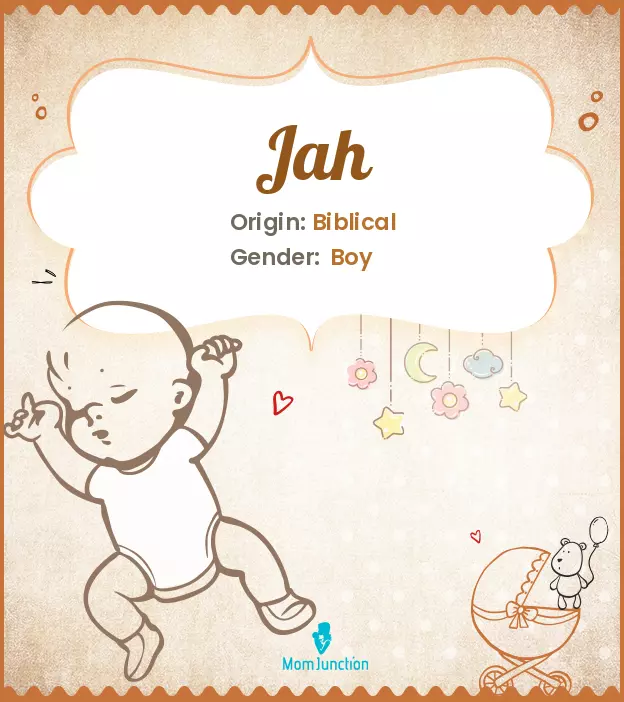
To understand the brand potential of “Jah Jah,” one must first understand its semiotic origin. In branding, semiotics is the study of signs and symbols and how they create meaning. “Jah” is the shortened form of Jehovah, the name of God in the Hebrew Bible. Within the context of Rastafarianism, “Jah Jah” represents the omnipresent divine spirit, emphasizing a personal, lived connection to the creator.
From Biblical Origins to Rastafarian Identity
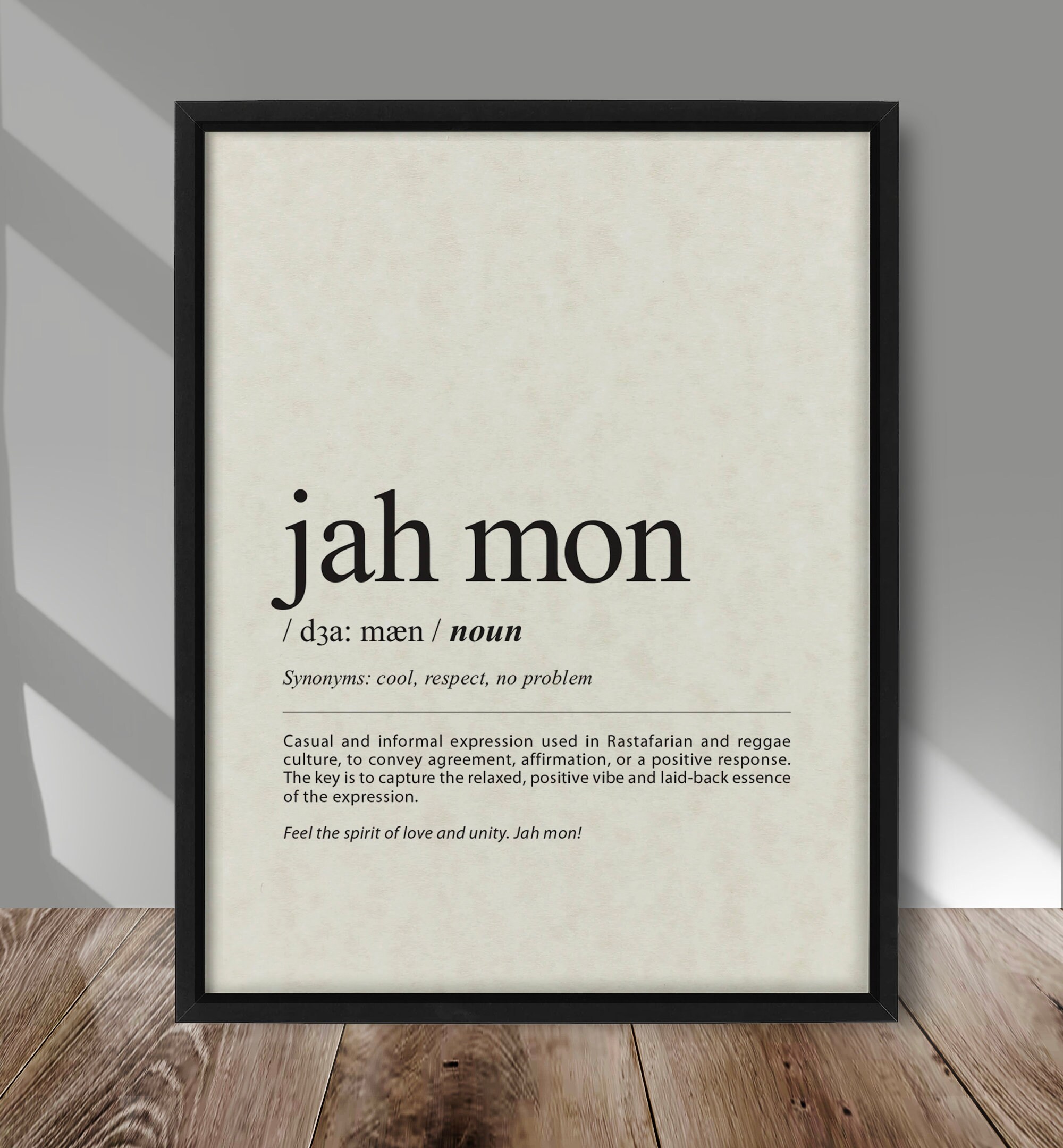
The term gained global prominence through the emergence of Reggae music and the Rastafari movement in Jamaica during the 20th century. In this context, “Jah Jah” is more than a religious reference; it is a symbol of resistance, liberation, and natural living. For a brand, these associations are incredibly potent. They evoke feelings of organic purity, social justice, and a rejection of the “Babylon” system—the Rastafarian term for oppressive, materialistic societal structures.
The Global Diffusion through Music and Lifestyle
Through icons like Bob Marley and Peter Tosh, “Jah Jah” entered the global lexicon. It ceased to be a localized dialect and became a universal marker for a specific lifestyle: one that values peace, love, and a deep connection to the earth. When a modern brand—whether a vegan cafe in London or a sustainable streetwear line in Tokyo—incorporates “Jah Jah” or similar vernacular into its identity, it is attempting to inherit this decades-old legacy of “cool” and “conscious” living.
2. Building a Brand Identity Around Cultural Archetypes
Successful branding often relies on archetypes—universal patterns of behavior and personality. “Jah Jah” aligns closely with “The Sage” and “The Innocent” archetypes. Brands that use this terminology are positioning themselves as wise, grounded, and untainted by corporate greed. However, the strategy of using such a deeply rooted cultural term requires a nuanced approach to avoid the pitfalls of superficiality.
The Psychology of Spiritual Vernacular in Marketing
Why do consumers gravitate toward brands with spiritual or “rootsy” names? In an era of hyper-digitalization and mass production, there is a profound “hunger for the real.” Using a term like “Jah Jah” signals to the consumer that the brand operates on a higher frequency than its competitors. It suggests that the products—be they clothing, food, or wellness services—are imbued with intention. This psychological positioning allows a brand to move beyond price-point competition and into the realm of loyalty based on shared values.
Authenticity vs. Appropriation in Brand Strategy
This is the most critical hurdle for any brand strategist. If a corporate entity with no connection to Caribbean culture or Rastafarian values uses “Jah Jah” to sell a product, it risks being labeled as “culture vultures.” In the age of social media accountability, “cultural appropriation” can lead to a swift brand demise.
To use such a name successfully, a brand must demonstrate “cultural appreciation.” This means the brand’s actions must match its name. If a brand is named “Jah Jah Wellness,” it should ideally support fair-trade practices, use organic materials, and perhaps even contribute to the communities from which its name originates. Authenticity is not just a marketing buzzword; it is the alignment of a brand’s promise with its practice.
3. Case Studies: The Impact of “Jah Jah” as a Niche Lifestyle Brand
While “Jah Jah” might not be a household name in the Fortune 500, it thrives in niche markets that prioritize community over commodity. By looking at how various entities have utilized this term, we can see the blueprint for successful cultural branding.
The Rise of “Jah Jah” as a Creative Collective
In various global hubs, “Jah Jah” has been used as a name for restaurants, music labels, and art collectives. One notable example is the “Jah Jah” restaurant and cultural space in Paris. By naming their establishment after this spiritual term, the founders created a “third space” that feels like a sanctuary. The brand identity here isn’t just about the food; it’s about the vibration of the room, the music played, and the community it attracts. The name acts as a filter, attracting those who understand the “meaning” and creating an immediate sense of belonging.
Lessons from Streetwear and Creative Subcultures
Streetwear brands have long used spiritual and revolutionary terminology to build “hype.” When a brand utilizes “Jah Jah” in its graphics or naming conventions, it taps into the “rebel” aesthetic. This is a powerful marketing tool because it creates an “in-group/out-group” dynamic. Those who know what “Jah Jah” means feel a sense of camaraderie, while those who don’t see it as an intriguing, exotic mystery. This exclusivity is a cornerstone of luxury and streetwear brand strategy, where the value of a product is often determined by the cultural capital it carries.
4. Strategic Considerations for Cultural Branding
If a business owner is considering a name that carries heavy cultural or spiritual weight, such as “Jah Jah,” several strategic steps must be taken to ensure the longevity and integrity of the brand.
Navigating Trademarking and Intellectual Property
From a legal standpoint, branding with common cultural or religious terms can be complex. You cannot “own” the word “Jah,” but you can trademark a specific logo or a unique combination of words (e.g., “Jah Jah Juice Co.”). However, brand owners must be wary. Attempting to aggressively litigate a term that belongs to a collective culture can result in a massive public relations backlash. The strategy should be to own the interpretation of the name, not the name itself.
Connecting with the “Woke” and Culturally Conscious Consumer
The modern consumer—particularly Gen Z and Millennials—is highly sensitive to the “story” behind the brand. They are looking for brands that have a “soul.” In this context, “Jah Jah” is more than a name; it is a mission statement.
To connect with this demographic, the brand must:
- Be Transparent: Share the story of why the name was chosen.
- Be Consistent: Ensure that the visual identity (colors, typography) reflects the organic roots of the name.
- Be Purpose-Driven: Align the business model with the “liberation” and “natural” ethos that “Jah Jah” represents.
5. The Future of Cultural Signifiers in Global Marketing
As we move toward a more globalized yet fragmented market, the “meaning” of terms like “Jah Jah” will continue to evolve. For brands, the lesson is clear: culture is the new currency.
From Niche to Mainstream: The Dilution Risk
As cultural terms become mainstream, they run the risk of dilution. When a term like “Jah Jah” is used by too many entities without substance, it loses its “mana” or spiritual power. This is why high-level brand strategy focuses on “Brand Depth.” A brand with depth doesn’t just use a cool name; it builds an entire ecosystem—events, content, partnerships—that reinforces what that name means.
Conclusion: The Soul of the Brand
Ultimately, “What does Jah Jah mean?” is a question of intent. In the realm of brand strategy, it means choosing a path of authenticity, community, and cultural resonance. It means understanding that you are not just selling a product, but participating in a narrative that is much larger than any single company.
Whether you are a startup looking for a name that “pops” or an established firm looking to rebrand, remember that a name like “Jah Jah” carries the weight of history. To use it is to take on a responsibility to the culture it represents. When done correctly, it creates a brand that is not just seen, but felt—a brand that resonates with the timeless “vibration” of its origins.
aViewFromTheCave is a participant in the Amazon Services LLC Associates Program, an affiliate advertising program designed to provide a means for sites to earn advertising fees by advertising and linking to Amazon.com. Amazon, the Amazon logo, AmazonSupply, and the AmazonSupply logo are trademarks of Amazon.com, Inc. or its affiliates. As an Amazon Associate we earn affiliate commissions from qualifying purchases.