
The operating room is the primary revenue engine of the modern hospital system. Within this high-stakes environment, the scrub nurse serves as a pivotal figure whose actions directly influence both patient outcomes and the facility’s bottom line. When asking “what do scrub nurses do,” the answer from a financial perspective is that they act as specialized asset managers, efficiency experts, and risk mitigators. This article explores the economic architecture of the scrub nursing profession, analyzing the career’s earning potential, its impact on hospital business finance, and the strategies for building long-term wealth within this niche.
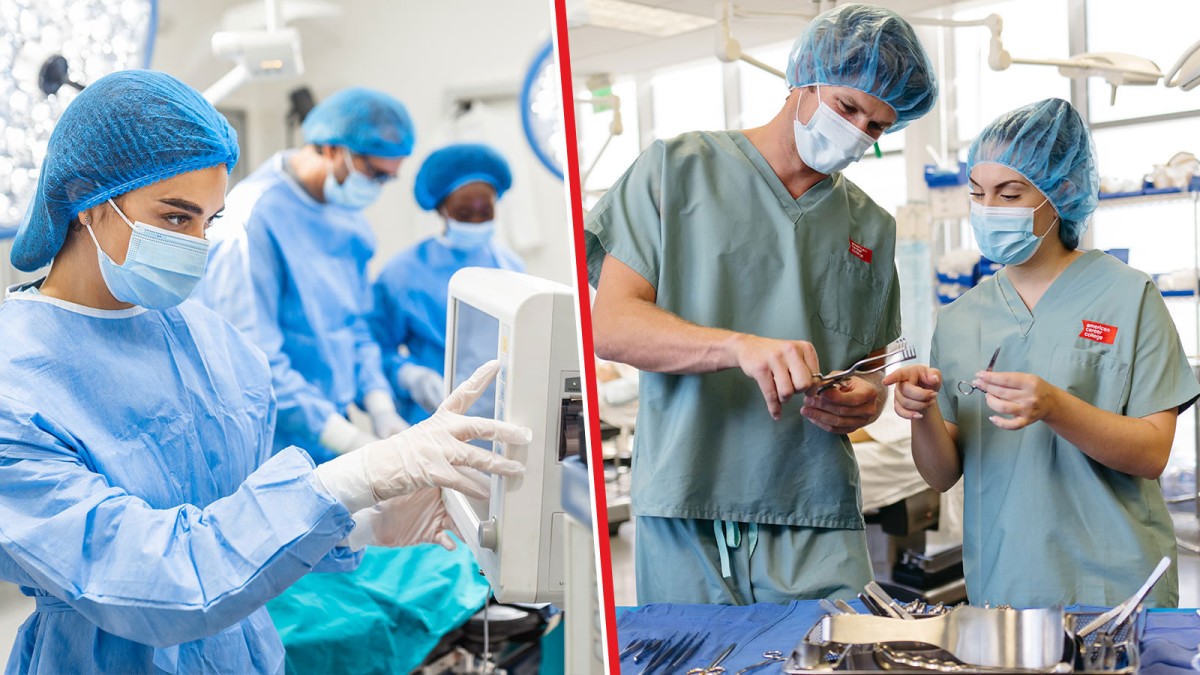
The Financial Foundation: Understanding the Scrub Nurse’s Economic Role
At its core, the role of a scrub nurse is defined by “active participation” in the surgical process. However, in the context of business finance, their role is to ensure the highest possible throughput with the lowest possible margin of error. Every minute spent in an operating room (OR) is calculated in hundreds, sometimes thousands, of dollars.
Calculating the Cost of OR Efficiency
The scrub nurse is the primary driver of “surgical flow.” By anticipating the surgeon’s needs and having instruments ready before they are requested, scrub nurses reduce the total operative time. In the world of hospital finance, time is the most expensive commodity. A scrub nurse who can shave ten minutes off a standard procedure through superior preparation and “instrument literacy” allows the hospital to potentially schedule an additional procedure per day. Over a fiscal year, this efficiency translates into millions of dollars in additional billing capacity.
The Impact of Surgical Turnover on Hospital Revenue
“Turnover time”—the interval between one patient leaving the OR and the next entering—is a critical metric for hospital administrators. Scrub nurses are central to this transition. By expertly managing the sterile field and coordinating the rapid reorganization of surgical kits, they minimize downtime. From a personal finance perspective, nurses who master this efficiency often find themselves in high demand for “incentive shifts” or leadership roles, as their ability to manage the “business of the room” becomes a measurable asset to the surgical department.
Maximizing Earning Potential: Salary Trajectories and Specializations
For the individual professional, understanding what scrub nurses do involves a deep dive into the ROI of their education and the various avenues for income scaling. Scrub nursing is not a monolithic career; it offers a tiered financial structure based on specialization and geographical location.
Public vs. Private Sector Compensation
The financial landscape for scrub nurses varies significantly between public health systems and private surgical centers. While public systems often offer robust benefits and pension plans—essential for long-term wealth building—private cosmetic or elective surgery centers may offer higher base salaries and performance-related bonuses. A strategic scrub nurse must weigh the “total compensation package,” including 401(k) matching and health insurance premiums, against the immediate cash flow offered by private contracts.
The “Travel Nursing” Side Hustle: Scaling Income in the OR
One of the most lucrative “side hustles” or career pivots for an experienced scrub nurse is moving into travel nursing. Because scrub nurses possess a highly specialized skill set that cannot be easily replaced by generalist staff, travel agencies offer premium rates to fill gaps in surgical departments nationwide. By leveraging geographic arbitrage—living in a low-cost area while working contracts in high-paying metropolitan hubs—scrub nurses can accelerate their path to financial independence, often doubling or tripling their standard hourly rate.
Investment in Expertise: The ROI of Specialized Surgical Training
In the niche of personal finance, one of the best investments one can make is in their own human capital. For a scrub nurse, this means moving beyond general surgery into high-value niches where the scarcity of talent drives up market value.

Certification Costs vs. Long-term Yield
Obtaining a CNOR (Certified Perioperative Nurse) credential requires an investment of both time and capital. However, the financial yield is consistent. Statistics suggest that certified nurses often command a 10% to 15% salary premium over their non-certified peers. Furthermore, many hospitals provide tuition reimbursement or “step-up” bonuses for certifications, effectively making the ROI on these credentials nearly infinite over a multi-decade career.
Transitioning into High-Value Niches (Cardiac, Neuro, Robotics)
The specialization chosen by a scrub nurse dictates their long-term wealth trajectory. Cardiac and neurosurgery scrub nurses operate in high-reimbursement environments. Perhaps the most significant “tech-money” crossover in the OR today is robotic-assisted surgery. Scrub nurses who specialize in the setup and troubleshooting of systems like the Da Vinci robot are highly prized. As hospitals invest millions into these gadgets, they are willing to pay a premium for nursing staff who can ensure the technology is utilized efficiently, protecting the hospital’s capital investment.
Business Finance in the Operating Room: Inventory and Asset Management
Beyond the patient, a scrub nurse is a steward of the hospital’s physical assets. What scrub nurses do, in a very literal sense, is manage a high-cost inventory system in real-time.
Managing High-Cost Surgical Assets
A single surgical tray can contain instruments worth tens of thousands of dollars. Specialized implants, such as those used in orthopedic or cardiac surgery, represent significant line items on a hospital’s balance sheet. The scrub nurse is responsible for the “chain of custody” for these assets. By ensuring that instruments are handled correctly to prevent breakage and that expensive disposables are only opened when certain to be used, the scrub nurse acts as a front-line guardian against “shrinkage” and waste.
Mitigating Financial Waste through Sterile Technique
From a risk management perspective, the scrub nurse’s adherence to sterile technique is a form of financial insurance. Surgical Site Infections (SSIs) are catastrophic for hospital finances, as they often lead to “never events” where insurance providers refuse to reimburse the cost of follow-up care. A single SSI can cost a facility upwards of $30,000 in uncompensated care. By maintaining a pristine sterile field, scrub nurses prevent these financial leaks, ensuring the hospital remains profitable and, by extension, ensuring the stability of their own employment and bonus structures.
Future-Proofing Wealth: Financial Planning for the Long-Term Nursing Career
Because scrub nursing is a physically demanding role, savvy professionals must look at their career through the lens of long-term financial planning and “exit strategies” that leverage their clinical expertise.
Retirement Strategies for Healthcare Professionals
Scrub nurses often have access to unique retirement vehicles, such as 403(b) or 457(b) plans in non-profit settings. Understanding the tax advantages of these accounts is crucial. Because the income for an experienced scrub nurse can reach the upper-middle-class brackets, maximizing tax-deferred growth is a primary strategy for building a multi-million dollar nest egg. Furthermore, many nurses utilize “Health Savings Accounts” (HSAs) as a secondary retirement vehicle, a move that is particularly effective for those who understand the long-term costs of healthcare.
Leveraging Clinical Knowledge for Consulting and Legal Side Income
As scrub nurses reach the peak of their careers, they often transition into high-paying consulting roles. Legal Nurse Consulting is a prime example. Law firms pay top dollar for scrub nurses to review surgical cases, identify breaches in protocol, or provide expert testimony. This “knowledge work” allows a nurse to pivot away from the physical rigors of the OR while significantly increasing their hourly billable rate, turning years of “scrubbing in” into a portfolio of intellectual property.

Conclusion: The Scrub Nurse as a Financial Powerhouse
When we analyze “what do scrub nurses do” through the lens of money and business, it becomes clear that they are far more than assistants; they are the operational backbone of the surgical economy. From optimizing OR throughput and managing million-dollar inventories to strategically scaling their own personal income through specialization and travel, scrub nurses inhabit a unique intersection of healthcare and high-finance. By viewing their career as a business and their skills as a specialized asset, scrub nurses can secure not only the health of their patients but also their own long-term financial prosperity.
aViewFromTheCave is a participant in the Amazon Services LLC Associates Program, an affiliate advertising program designed to provide a means for sites to earn advertising fees by advertising and linking to Amazon.com. Amazon, the Amazon logo, AmazonSupply, and the AmazonSupply logo are trademarks of Amazon.com, Inc. or its affiliates. As an Amazon Associate we earn affiliate commissions from qualifying purchases.