
In the landscape of modern skilled trades, few professions blend artisan craftsmanship with strict regulatory compliance and high-value mechanical engineering quite like gunsmithing. While the casual observer might view a gunsmith simply as someone who repairs firearms, the reality from a business and financial perspective is far more complex. From a “Money” niche perspective, gunsmithing is an industry defined by specialized service models, high-margin custom manufacturing, and the preservation of high-value assets.
To understand what gunsmiths do is to understand a unique intersection of the service economy and the luxury goods market. This article explores the economic engines behind the trade, the diversification of revenue streams, and the financial strategies that allow these specialized entrepreneurs to thrive in a competitive marketplace.
The Core Revenue Streams: Monetizing Technical Expertise
At its most fundamental level, a gunsmithing business operates on the “billable hour” model, much like an automotive shop or a specialized plumbing service. However, the nature of the work allows for a tiered pricing structure that moves from low-margin maintenance to high-margin custom fabrication.
Maintenance and Repair: The Recurring Revenue Model
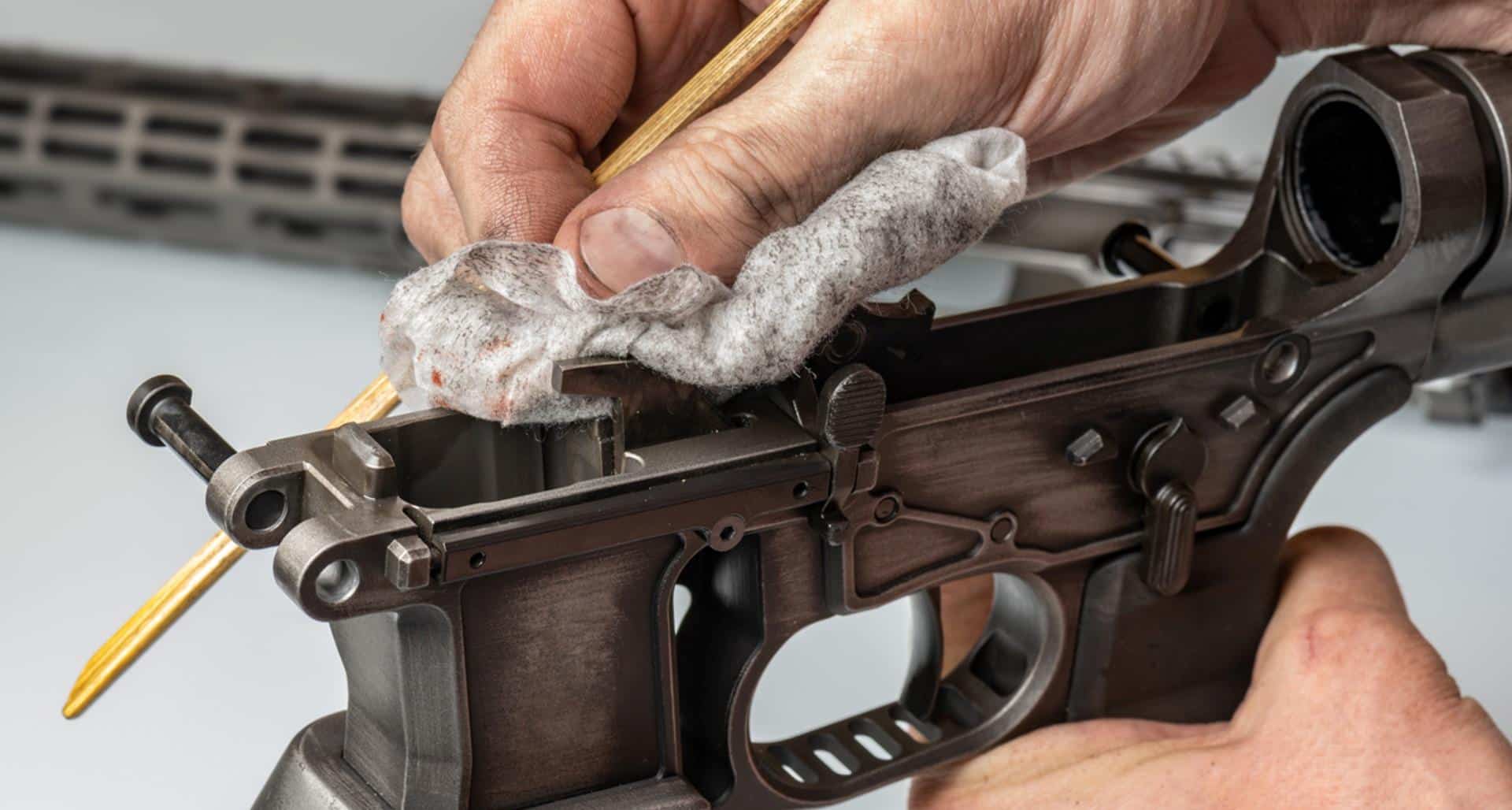
The “bread and butter” of any gunsmithing enterprise is general maintenance and repair. In the world of personal finance and business, this is known as recurring revenue. Firearm owners, particularly those who use their equipment for professional security, competitive sports, or hunting, require regular “clean and oil” services, safety inspections, and part replacements.
Gunsmiths monetize this by offering standardized service packages. By systematizing these tasks, a shop can predict cash flow and maintain a steady stream of customers. This aspect of the business relies on volume and efficiency; the faster a smith can accurately diagnose a common mechanical failure and rectify it, the higher the hourly profit margin becomes.
Custom Builds and Performance Tuning: High-Ticket Service Offerings
The real profit in gunsmithing often lies in “performance tuning” and custom builds. This is where a gunsmith moves from being a repairman to a bespoke manufacturer. Customers in the competitive shooting circuits (such as USPSA or 3-gun) are often willing to pay thousands of dollars in labor alone to shave ounces off a trigger pull or improve the cycling speed of a slide.
From a business strategy standpoint, custom work allows the gunsmith to command a premium. Unlike general repairs, which are often price-sensitive, custom work is “value-sensitive.” The gunsmith is selling a competitive advantage or a unique aesthetic, allowing for much higher markups on both labor and specialized components.
Restoration: Preserving and Increasing Asset Value
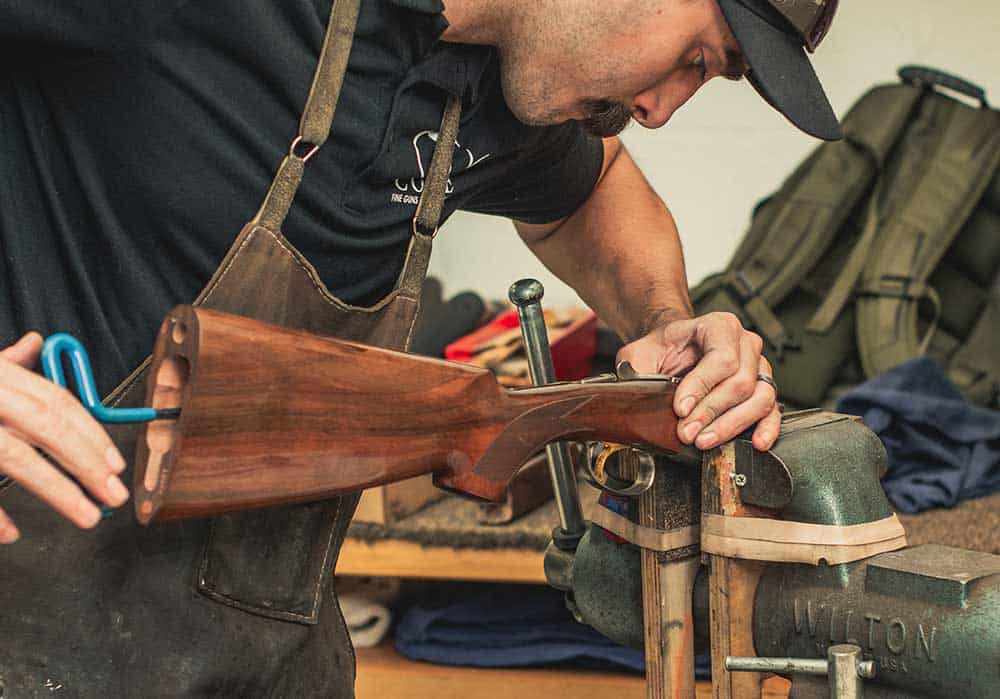
Firearms are often treated as tangible assets or investments. A rare, historical firearm that has been damaged by time or neglect loses significant market value. A master gunsmith specializing in restoration does more than “fix” a tool; they recover lost equity for the owner.
Restoration work requires an immense amount of historical research and specialized tooling, which justifies a high entry price for the service. In this niche, a gunsmith acts as a conservator, where the financial return for the client (the increased resale value of the firearm) directly correlates to the premium the gunsmith can charge.
The Financial Architecture of a Gunsmithing Operation
Building a profitable gunsmithing business requires more than just mechanical skill; it requires a sophisticated understanding of capital expenditure, overhead management, and regulatory costs.
Startup Costs and Capital Expenditure
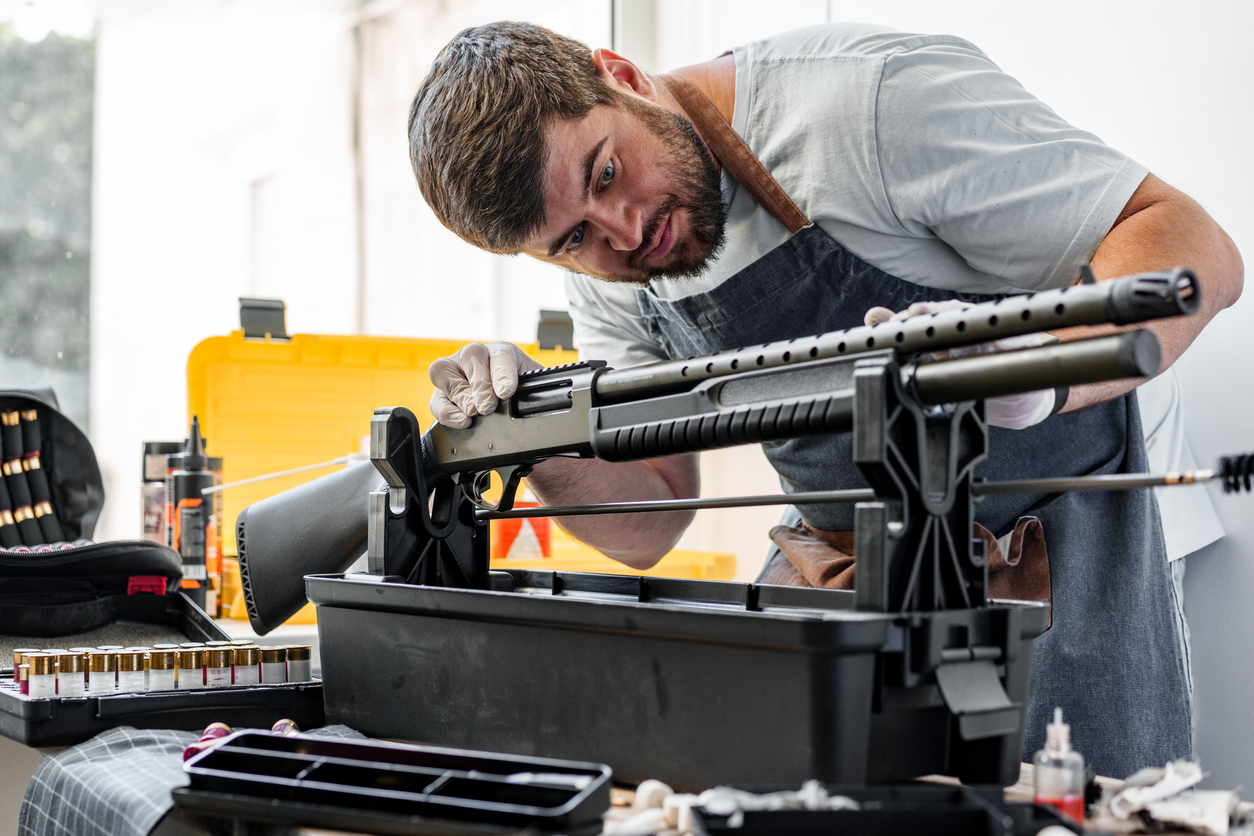
Unlike digital side hustles that require only a laptop, gunsmithing is a capital-intensive venture. To compete at a professional level, a smith must invest in heavy machinery—lathes, milling machines, bluing tanks, and specialized hand tools. From a business finance perspective, these are long-term assets that must be depreciated over time.
A savvy gunsmith manages their “CapEx” by identifying which tools offer the fastest Return on Investment (ROI). For example, a high-quality lathe allows for barrel threading and chambering—two high-demand services that can pay for the machine within the first year of operation. Balancing the cost of acquisition against the potential for service expansion is a critical financial skill for any shop owner.
Regulatory Compliance and Insurance as Fixed Costs
One of the most significant financial hurdles in this industry is the cost of compliance. Operating as a gunsmith requires a Federal Firearms License (FFL), which involves background checks, meticulous record-keeping, and regular inspections.
Furthermore, because the “product” involves high-pressure mechanical devices, liability insurance is a non-negotiable and often expensive fixed cost. These expenses create a “moat” around the profession—preventing casual hobbyists from easily entering the market—but they also necessitate a high baseline of revenue just to reach the break-even point.
Strategic Market Positioning and Niche Development
In any “Money” focused analysis, specialization is the key to escaping the “commodity trap.” Gunsmiths who try to do everything for everyone often find their margins squeezed. The most successful businesses in this sector are those that identify a specific market niche and dominate it.
The Competitive Shooting and Tactical Markets
The “tactical” and competitive markets are driven by innovation and performance. Gunsmiths serving this niche often focus on modern platforms like the AR-15 or the 2011 pistol. The financial advantage here is the “upsell.” A customer doesn’t just want a repair; they want an optic cut, a Cerakote finish, and a match-grade barrel. By bundling these services, a gunsmith can increase the “Average Order Value” (AOV) significantly.
Historical Preservation and Luxury Collectibles
On the opposite end of the spectrum is the luxury and collector market. This niche focuses on high-end shotguns, vintage rifles, and heirloom pieces. The clients in this segment are often high-net-worth individuals who prioritize quality over price.
For the gunsmith, this niche offers the highest hourly rates in the industry. However, the barrier to entry is high, requiring years of reputation-building and “personal branding” as a master artisan. In this context, the gunsmith’s name becomes part of the firearm’s provenance, further increasing its financial value.
Maximizing ROI through Modern Business Models
The traditional image of a gunsmith is a lone craftsman in a basement workshop. However, modern gunsmiths are leveraging technology and diverse business models to scale their income far beyond what their hands can produce in a 40-hour work week.
E-commerce and Proprietary Component Sales
Scaling a service-based business is difficult because time is finite. To solve this, many gunsmiths develop proprietary parts—specialized triggers, muzzle brakes, or ergonomic grips—that they can sell through an e-commerce storefront.
Once the R&D is completed, these products offer a “passive” or “semi-passive” income stream. A gunsmith can have these parts manufactured in bulk via CNC, allowing them to earn money while they are busy performing manual labor at the bench. This transition from “service provider” to “product manufacturer” is the most common way gunsmithing businesses move into the seven-figure revenue range.
Digital Monetization and Educational Content
With the rise of the creator economy, “knowledge” has become a sellable commodity. Many professional gunsmiths now supplement their shop income by creating educational content. This can range from a YouTube channel that generates ad revenue and sponsorships to high-end, subscription-based “Masterclasses” for aspiring hobbyists.
By monetizing their expertise digitally, gunsmiths can reach a global audience, decoupling their income from their physical location. This “side hustle” within the main business provides a hedge against local economic downturns or changes in the physical retail environment.
Integrating Advanced Manufacturing Technology
The adoption of CNC (Computer Numerical Control) technology and 3D printing for prototyping has revolutionized the “Money” side of gunsmithing. While traditional hand-filing is still necessary for final fit and finish, using technology to automate the “rough-in” phase of a project drastically reduces labor costs.
A gunsmith who can use technology to complete a 10-hour job in 4 hours—while maintaining the same high-quality output—has effectively more than doubled their hourly rate. This investment in “Tech” is ultimately a “Money” move, aimed at increasing the efficiency of the shop’s most valuable resource: the smith’s time.
Conclusion: The Financial Future of the Craft
What gunsmiths do, in the final analysis, is manage a high-precision, high-stakes business that rewards specialization and efficiency. Whether they are performing a $50 safety check or building a $10,000 custom race gun, the underlying goal is the same: to provide technical solutions that enhance the value, safety, and performance of a client’s asset.
By diversifying revenue through service, product sales, and digital education, modern gunsmiths have transformed a traditional trade into a multi-faceted business model. For the entrepreneur with a mechanical mind, the “business of gunsmithing” offers a path to professional independence and significant financial reward, provided they can master the delicate balance between the art of the craft and the science of the bottom line.
aViewFromTheCave is a participant in the Amazon Services LLC Associates Program, an affiliate advertising program designed to provide a means for sites to earn advertising fees by advertising and linking to Amazon.com. Amazon, the Amazon logo, AmazonSupply, and the AmazonSupply logo are trademarks of Amazon.com, Inc. or its affiliates. As an Amazon Associate we earn affiliate commissions from qualifying purchases.