
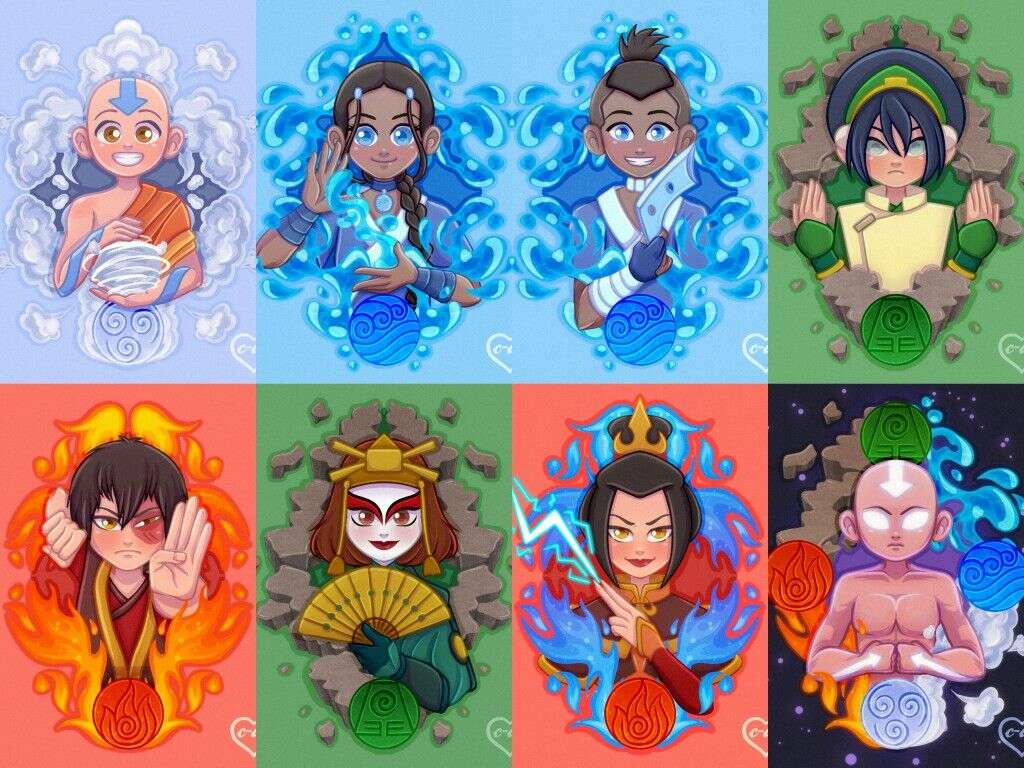
In the modern marketplace, a brand is far more than a logo or a catchy slogan; it is a living entity with a distinct personality, a set of values, and a specific way of interacting with its environment. Just as the characters in Avatar: The Last Airbender are defined by their bending disciplines and personal philosophies, global brands operate within specific “elements” of market strategy. Identifying which character your brand embodies is not merely a whimsical exercise—it is a rigorous psychological and strategic assessment that determines how you communicate, how you compete, and how you evolve.

To build a brand that resonates on a global scale, leadership must understand their “elemental” core. Whether you are a disruptive startup or a legacy institution, your corporate identity likely aligns with the archetypes found in the Four Nations. By examining these character traits through the lens of brand strategy, we can unlock new pathways for growth and consumer engagement.
The Four Nations of Marketing: Defining Your Brand’s Core Philosophy
Before identifying a specific character, a brand must first recognize which “nation” or market philosophy it inhabits. In the world of Avatar, the elements of Water, Earth, Fire, and Air represent more than just combat styles; they represent foundational worldviews. In branding, these translate to your operational ethos.
Fire Nation Brands: Disruption and Aggressive Market Expansion
The Fire Nation is characterized by ambition, drive, and the desire for expansion. In a business context, Fire Nation brands are the “disruptors.” They enter the market with high energy, often seeking to dominate their vertical through sheer force of innovation and aggressive marketing. These brands—think of early-stage Uber or Netflix during the pivot to streaming—prioritize speed-to-market and competitive conquest. Their strategy is proactive, often setting the pace that the rest of the industry must follow.
Earth Kingdom Brands: Stability, Heritage, and Resilience
The Earth Kingdom is defined by its endurance and its deep roots. Brands in this category value longevity, reliability, and physical presence. These are the legacy institutions—banks, established automotive manufacturers, and industrial giants like General Electric or IBM. Their brand strategy is built on the “unshakeable” nature of their reputation. They do not pivot quickly, but they are incredibly difficult to displace once they have established their territory.
Water Tribe Brands: Adaptability and Community-Centric Growth
Water is the element of change. Water Tribe brands are masters of the “pivot.” They excel in community building and emotional resonance. These brands—such as Dove or Airbnb—focus on the flow of human experience and social connection. Their strategy is fluid, allowing them to adapt to cultural shifts and consumer sentiment with ease. They prioritize the “we” over the “I,” building a loyal tribe of advocates rather than just a customer base.
Air Nomad Brands: Innovation, Freedom, and Ethical Impact
The Air Nomads represent high-level ideals, detachment from traditional structures, and a focus on the “greater good.” In the branding world, these are the B-Corps, the sustainable startups, and the visionary tech firms like Tesla or Patagonia. Their brand strategy is built around a mission that transcends profit. They sell a philosophy of freedom and a better future, often utilizing minimalist design and high-level conceptual marketing to reach an audience that values ethics as much as utility.
Character Archetypes in Brand Identity: From Aang to Zuko
Once the foundational element is established, we can look at the specific archetypes that drive brand behavior. Every iconic brand can be mapped to a character from the series, revealing the strengths and vulnerabilities of their current market position.
The Aang Brand: The Visionary Reformer
The Aang brand is the reluctant leader who enters the market to restore balance. This brand is often a pioneer in a new category or a revolutionary force in a stagnant one. The “Aang” strategy focuses on the “Innocent” and “Explorer” archetypes.
- Key Traits: Optimism, versatility, and a focus on the future.
- Strategic Advantage: These brands are incredibly likable and inspire hope. They often benefit from “first-mover” status in ethical or technological frontiers.
- The Risk: Aang brands can sometimes appear naive or unfocused. Without a strong “Team Avatar” (a robust support structure), they may struggle with the administrative weight of their own success.

The Katara Brand: The Empathetic Nurturer
If your brand is the “heart” of your industry, you are a Katara. This strategy is rooted in caregiving and social responsibility. These brands don’t just sell products; they provide solutions that improve lives and foster community.
- Key Traits: Empathy, resilience, and fierce loyalty.
- Strategic Advantage: Exceptional customer retention. Consumers don’t just use these brands; they trust them. This leads to high “Brand Love” scores and organic word-of-mouth marketing.
- The Risk: Being perceived as too “soft” in a hyper-competitive market. A Katara brand must ensure its kindness is backed by the “blood-bending” equivalent of operational excellence.
The Toph Brand: The Disruptive Specialist
The Toph brand doesn’t care about the status quo or traditional “optics.” These are the brands that pride themselves on being the best at what they do, often with a “take it or leave it” attitude. They are the niche leaders, the high-performance specialists, and the technical masters.
- Key Traits: Confidence, bluntness, and unparalleled expertise.
- Strategic Advantage: They are impossible to ignore. Their authority in their specific niche is absolute. Think of brands like Dyson or specialized software tools that dominate through sheer technical superiority.
- The Risk: Alienating potential customers through an abrasive or overly technical brand voice.
The Zuko Brand: The Rebranding Masterclass
Perhaps the most interesting archetype in brand strategy is Zuko. A Zuko brand is one that has undergone a significant “redemption arc.” This occurs when a brand with a tarnished reputation or an outdated identity successfully pivots to become a market hero.
- Key Traits: Transformation, internal conflict, and eventual integrity.
- Strategic Advantage: A Zuko brand has a “comeback story” that resonates deeply with audiences. Consider Old Spice’s transition from “your grandfather’s deodorant” to a viral marketing powerhouse, or Domino’s Pizza admitting their product was subpar before reinventing their recipe and tech stack.
- The Risk: The pivot must be authentic. If the “redemption” is seen as a cynical marketing ploy, the brand will lose the little equity it has left.
Strategic Bending: Mastering the Art of Multi-Channel Communication
Just as the Avatar must master all four elements to be effective, a truly great brand strategy utilizes “multi-elemental” tactics. In modern marketing, this is known as omni-channel consistency—the ability to speak with one voice across disparate platforms while adapting the delivery to the medium.
Harmonizing the Elements: Omni-channel Consistency
A brand might have an “Earth” foundation (reliability), but it needs “Fire” tactics (aggressive digital ads) and a “Water” social media presence (community engagement). The danger lies in “bending” inconsistently. If your LinkedIn presence is a stoic Earth Kingdom diplomat but your Twitter is a chaotic Fire Nation soldier, the consumer experiences “brand dissonance.” Strategic bending requires a central “Avatar” (the Brand Guidelines) to ensure that every touchpoint, from the packaging to the customer support chat, feels like it belongs to the same story.
Avoiding the “Fire Lord” Pitfall: Ethical Branding and Corporate Responsibility
In the series, the Fire Nation’s downfall was not its power, but its lack of balance and ethical grounding. In the corporate world, this is the “Growth at all Costs” trap. Brands that prioritize short-term expansion (Fire) over long-term sustainability (Earth) or social harmony (Water) often face catastrophic PR crises. Today’s consumers are increasingly “Air Nomad” in their outlook—they demand transparency and social accountability. A brand that ignores the ethical dimension of its “bending” risks being “de-powered” by consumer boycotts and regulatory oversight.
Developing Your Brand’s “Avatar State”: Achieving Peak Performance
The “Avatar State” is a metaphor for a brand operating at the height of its powers—where its identity, its market fit, and its execution are in perfect alignment. When a brand enters this state, it becomes more than a business; it becomes a cultural icon.
Leveraging Data to Unlock Your Potential
In the series, the Avatar State is fueled by the wisdom of past lives. For a brand, those “past lives” are data. Historical performance metrics, consumer behavior patterns, and market trends are the voices of the past that inform the present. By leveraging AI-driven analytics and deep market research, a brand can anticipate shifts in the landscape before they happen, allowing them to react with the speed and power of an Avatar.
Building a Legacy That Outlasts the Season
The ultimate goal of any brand strategy is to build a legacy. The characters of Avatar are remembered because they stood for something larger than themselves. To move from a “character” to a “legend,” a brand must:
- Define its Core Element: Know what you stand for and don’t deviate from it.
- Embrace the Arc: Allow the brand to grow and evolve. Don’t be afraid of a Zuko-style pivot if the market demands it.
- Seek Balance: Ensure that your drive for profit (Fire) is balanced by your commitment to your people (Water) and your foundation of quality (Earth).
In the end, the question “What character are you?” is really a question of “Who do you intend to be for your customers?” By identifying your elemental archetype and mastering the art of strategic bending, your brand can move beyond the noise of the marketplace and achieve a state of permanent resonance and industry leadership.
aViewFromTheCave is a participant in the Amazon Services LLC Associates Program, an affiliate advertising program designed to provide a means for sites to earn advertising fees by advertising and linking to Amazon.com. Amazon, the Amazon logo, AmazonSupply, and the AmazonSupply logo are trademarks of Amazon.com, Inc. or its affiliates. As an Amazon Associate we earn affiliate commissions from qualifying purchases.