
When we walk through a modern office, a high-tech data center, or even our own hallways, we often overlook the silent sentinels hanging on the walls. The fire extinguisher is a ubiquitous piece of equipment, a crimson cylinder that we hope to never use, yet its presence is a fundamental requirement of modern building codes and personal safety. To the average observer, it is just a heavy tank of “stuff.” However, when viewed through the lenses of technology, branding, and economic investment, the fire extinguisher reveals itself as a marvel of chemical engineering, a cornerstone of corporate liability management, and a significant player in the global safety tech market.

Understanding what is inside a fire extinguisher is not just a matter of curiosity; it is a deep dive into how humanity has harnessed chemistry to fight one of nature’s most destructive forces. From the pressurized gases that act as propellants to the specialized powders designed to smother chemical fires at a molecular level, the “inside” of an extinguisher is a sophisticated intersection of science and design.
The Anatomy of Suppression: What’s Really Inside the Tank?
The basic principle of fire suppression involves breaking the “Fire Tetrahedron”—the four elements required for a fire to exist: heat, fuel, oxygen, and a chemical chain reaction. Different extinguishers use different internal components to attack one or more of these elements.
The Chemical Agents: More Than Just Water
While early fire extinguishers were little more than pressurized water tanks, today’s devices utilize a variety of sophisticated agents:
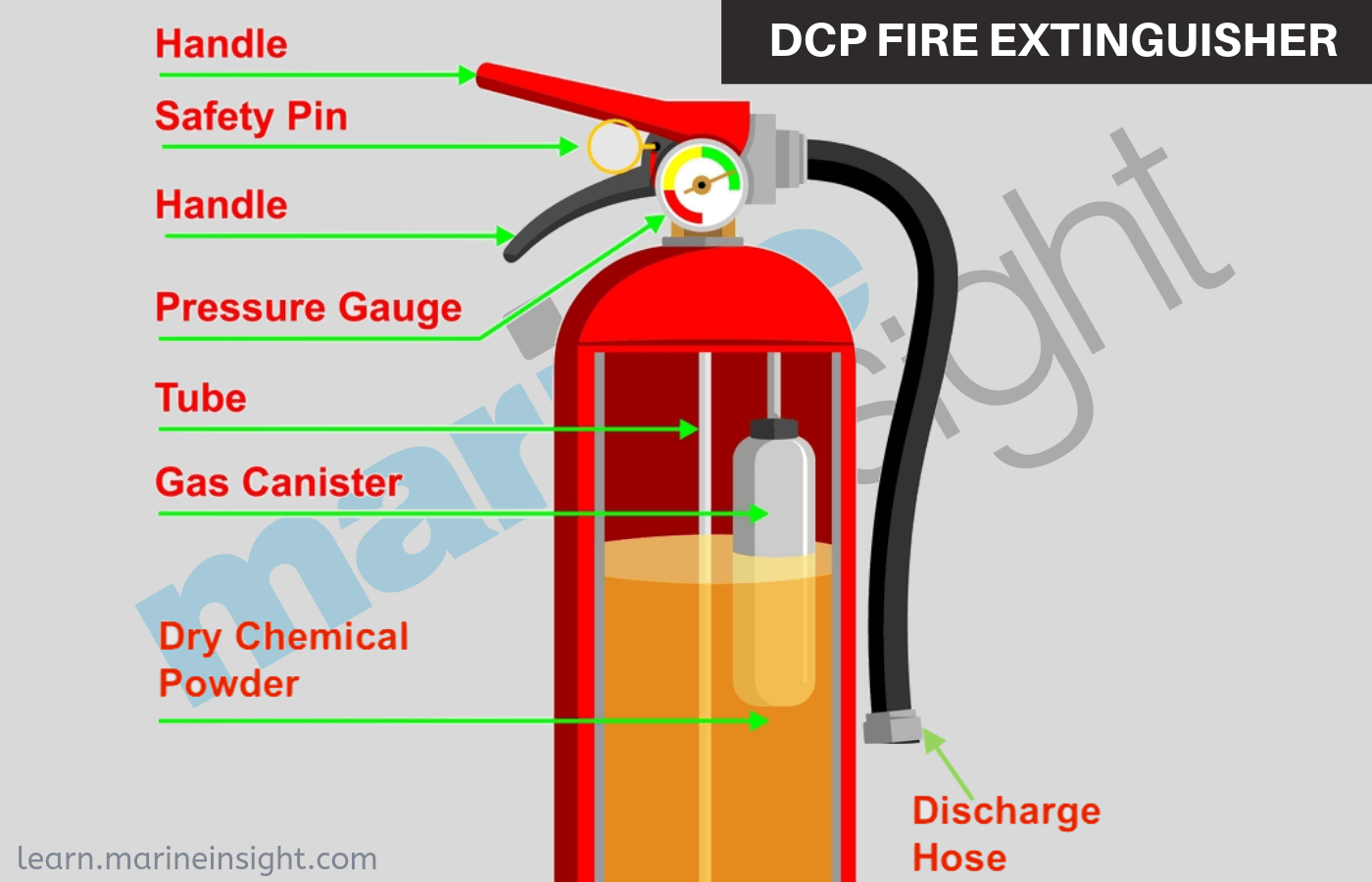
- Monoammonium Phosphate (Dry Chemical): Found in the common “ABC” extinguishers, this pale yellow powder is the workhorse of the industry. It works by insulating the fuel from oxygen and interrupting the chemical reaction of the fire.
- Carbon Dioxide (CO2): A favorite in tech-heavy environments like server rooms, CO2 is stored as a liquid and discharged as a gas. It displaces oxygen and provides a cooling effect. Most importantly, it leaves no residue, protecting sensitive electronic circuitry from the corrosive dust found in dry chemical units.
- Aqueous Film-Forming Foam (AFFF): Used primarily for liquid fuel fires (Class B), foam creates a physical barrier over the fuel, preventing the release of flammable vapors.
- Halotron and Clean Agents: In the world of high-end technology and aviation, “Clean Agents” are the gold standard. These are non-conductive gases that extinguish fires without harming the ozone layer or leaving a trace, making them essential for protecting high-value digital assets.
The Propulsion System: The Mechanics of Discharge
Inside every extinguisher is a propellant—usually nitrogen or compressed air. This gas is what provides the energy to expel the extinguishing agent at high velocity. The internal design features a siphon tube that extends to the bottom of the tank. When the lever is squeezed, the pressure forces the agent up the tube and out through the nozzle. This mechanical simplicity is the result of decades of refinement to ensure that, even after sitting idle for five years, the device will function perfectly in a split-second emergency.
The Tech Evolution: From Simple Buckets to Smart Sensors
As we move further into the digital age, fire safety is no longer just about chemistry; it is about connectivity. The “Tech” aspect of fire extinguishers is currently undergoing its most significant revolution in a century.
IoT and Connected Fire Safety
Modern “Smart” fire extinguishers are now being integrated into the Internet of Things (IoT). For large corporations and data centers, keeping track of thousands of extinguishers is a logistical nightmare. Tech companies have developed sensors that retroactively fit onto standard extinguishers to monitor several key metrics:
- Pressure Monitoring: Digital sensors can alert a facility manager’s smartphone the moment a tank loses pressure, eliminating the need for manual monthly inspections.
- Obstruction Alerts: Using ultrasonic sensors, smart brackets can detect if an extinguisher is being blocked by a box or piece of furniture, ensuring it remains accessible during a crisis.
- Presence Detection: If an extinguisher is removed from its cradle, an immediate alert is sent to security, which can help in both fire response and theft prevention.
Eco-Friendly Innovations and Green Chemistry
The technology inside fire extinguishers is also pivoting toward sustainability. For years, Halon gas was the industry standard for protecting electronics, but it was found to be a major contributor to ozone depletion. The tech sector has responded by developing “Green” extinguishing agents that have a Zero Ozone Depletion Potential (ODP). This shift represents a massive R&D investment, as engineers work to find chemicals that are as effective as Halon but as safe as water for the environment.
The Business of Safety: Brand Strategy and Market Dynamics
In the world of branding, fire extinguishers represent a unique challenge: how do you market a product that people hope to never use? The brand strategy for safety equipment is built entirely on the foundation of trust, reliability, and regulatory compliance.
The Power of the UL Mark and Trust-Based Branding
For brands like Kidde, First Alert, and Ansul, the most important “logo” on their product isn’t their own—it’s the UL (Underwriters Laboratories) or FM (Factory Mutual) certification mark. In the fire safety industry, branding is synonymous with certification. A company’s reputation is built on its failure rate. If a brand of extinguishers fails to discharge during a high-profile fire, the brand equity can vanish overnight. Consequently, these companies invest heavily in “Brand Protection” through rigorous quality control and by positioning themselves as “thought leaders” in safety education.
Corporate Identity in Industrial Design
While fire extinguishers are traditionally red, branding is beginning to seep into the aesthetics of safety. In luxury hotels and high-end retail spaces, the traditional industrial look of an extinguisher can clash with the brand’s visual identity. This has led to the rise of “Designer Fire Safety,” where brands create extinguishers in sleek chrome, minimalist white, or even custom brand colors (while still maintaining legal labeling requirements). This shift shows that even in safety, the visual “Brand Strategy” of a space is becoming increasingly important.
Investing in Protection: The Economics of Fire Extinguishers
From a “Money” and “Business Finance” perspective, fire extinguishers are more than just safety tools; they are a form of insurance and a mandatory capital expenditure.
Cost-Benefit Analysis for Small Businesses
For a small business owner, a fire extinguisher is a high-yield investment. The initial cost—usually between $50 and $200—is negligible compared to the potential loss of a building or inventory. Furthermore, insurance companies often offer lower premiums to businesses that go above and beyond the minimum fire code requirements. By investing in high-quality, high-tech suppression systems, a business can see a direct return on investment through reduced insurance overhead and the mitigation of “Business Interruption” risks.
The Global Fire Safety Market
The fire extinguisher market is a multi-billion dollar global industry. Investors are increasingly looking at fire safety tech as a “recession-proof” sector. Regardless of the economic climate, buildings must be maintained, codes must be followed, and extinguishers must be replaced. The growth of the construction industry in emerging markets and the increasing stringency of safety regulations in developed nations ensure a steady upward trajectory for companies involved in the manufacture and servicing of fire safety equipment.
The “Side Hustle” of Maintenance
On a smaller financial scale, the fire extinguisher industry supports a vast ecosystem of service providers. Fire extinguisher inspection and recharging is a lucrative “hidden” industry. Because extinguishers require annual professional certification, there is a recurring revenue model built into the product life cycle. For entrepreneurs, starting a fire safety inspection business offers low entry costs and a government-mandated client base, making it a stable “online-to-offline” business model.

Conclusion: A Crimson Intersection of Science and Commerce
What is inside a fire extinguisher? On the surface, it is a mixture of chemicals and compressed gas. But when we look deeper, we find a complex narrative of technological innovation, strategic branding, and sound financial planning.
The next time you see that red canister in the hallway, remember that it represents a triumph of engineering designed to save lives and protect assets in a matter of seconds. For the tech enthusiast, it is an evolving gadget becoming smarter by the day. For the brand strategist, it is a masterclass in building a reputation of trust. For the investor, it is a stable asset in an increasingly volatile world. Whether it’s the dry chemical powder of a home unit or the smart-connected clean agent of a data center, the fire extinguisher remains one of the most important—and fascinating—tools in the modern world.
aViewFromTheCave is a participant in the Amazon Services LLC Associates Program, an affiliate advertising program designed to provide a means for sites to earn advertising fees by advertising and linking to Amazon.com. Amazon, the Amazon logo, AmazonSupply, and the AmazonSupply logo are trademarks of Amazon.com, Inc. or its affiliates. As an Amazon Associate we earn affiliate commissions from qualifying purchases.