
The evolution of window film technology has transitioned from basic aesthetic enhancements to sophisticated material science. For tech-savvy consumers and automotive enthusiasts, choosing between carbon and ceramic tint is no longer just about privacy or the shade of the glass; it is a decision based on heat rejection physics, electromagnetic interference, and nanotechnology. As we move toward a future where vehicles and smart homes are integrated ecosystems, the technology we apply to our windows must perform at the highest level of efficiency.
To understand the difference between carbon and ceramic tint, one must look beyond the surface level. While both represent a significant upgrade over traditional dyed or metallic films, they utilize vastly different chemical compositions and manufacturing processes to achieve their results.
The Science of Carbon Tint Technology
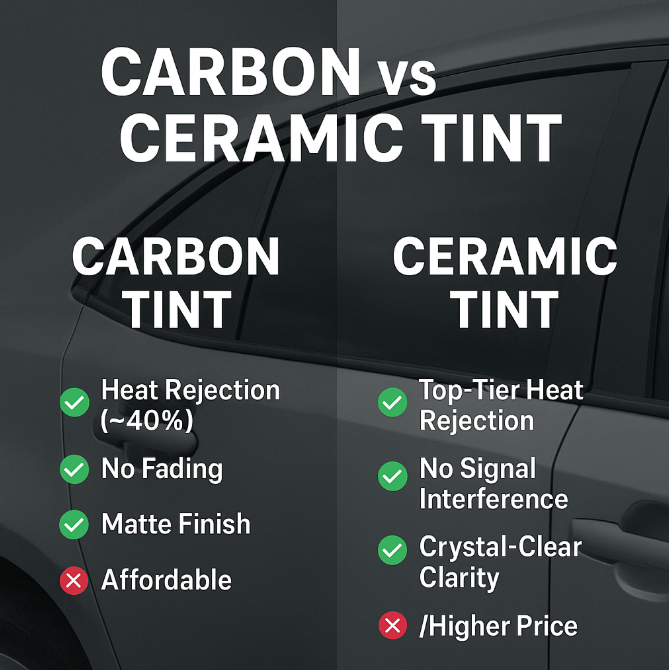
Carbon window film was the first major technological leap that solved the problems inherent in early-generation tints. Before carbon, most tints were either dyed (which faded over time) or metalized (which interfered with radio and GPS signals). Carbon film introduced a matte-finish aesthetic powered by specialized carbon particles embedded within the film layers.
The Composition of Carbon Films
At its core, carbon tint is infused with carbon particles rather than dyes. These particles are incredibly stable, meaning they do not break down when exposed to the relentless bombardment of ultraviolet (UV) rays from the sun. This “color-stable” technology ensures that the film remains a deep, consistent black or charcoal over several years, avoiding the unsightly purple hue common in lower-end films. From a technical standpoint, the carbon layer is dense enough to block a significant portion of light while maintaining structural integrity.
Heat Absorption vs. Rejection
The primary functional mechanism of carbon film is absorption. Carbon is naturally proficient at soaking up infrared radiation (IR). By trapping the heat within the film itself, it prevents a large portion of thermal energy from passing through the glass and into the cabin. While this is highly effective, it does mean the glass itself can become quite warm to the touch. In the realm of thermal management technology, carbon films typically offer a Total Solar Energy Rejection (TSER) rate of approximately 40% to 60%, depending on the darkness of the shade. This makes it a mid-tier technological solution for those seeking a balance between performance and cost-efficiency.
The Rise of Nanoceramic Engineering
Ceramic tint represents the current pinnacle of window film technology. It is a product of nanotechnological advancements, where manufacturers manipulate matter at the molecular level to create a barrier that is nearly invisible to the eye but incredibly robust against the solar spectrum.
Molecular Precision in Tinting
Ceramic films utilize non-conductive, non-metallic ceramic particles that are so small (nanoparticles) that they are invisible to the naked eye. This allows for films that are extremely light in color—almost clear—yet offer protection levels that exceed the darkest carbon films. The engineering behind these films involves high-tech coating processes where layers of ceramic material are sputtered onto polyester sheets. This precision ensures that the film does not distort vision, providing high-definition clarity for drivers and homeowners alike.
Infrared Rejection: The Ceramic Advantage
The standout feature of ceramic technology is its ability to reject the vast majority of infrared light. While carbon films absorb heat, ceramic films reflect and dissipate it. Some high-end ceramic tints can reject up to 99% of infrared rays. This is a critical metric because infrared light is the primary source of solar heat. By blocking these wavelengths, ceramic technology keeps interiors significantly cooler even in direct sunlight. This efficiency reduces the load on HVAC systems, marking a significant advancement in energy-saving technology for both electric vehicles (EVs) and smart buildings.
Comparative Analysis: Connectivity and Signal Clarity

In our modern, hyper-connected world, the “tech” aspect of window tinting extends beyond heat; it involves the management of electromagnetic signals. This is where both carbon and ceramic technologies hold a distinct advantage over the obsolete metalized films of the past.
Why Carbon Wins Over Metalized Film
In the early 2000s, high-performance tints relied on microscopic metal layers to reflect heat. However, these metal layers acted as a Faraday cage, degrading cell signals, GPS accuracy, and satellite radio reception. Carbon technology was the first “signal-friendly” high-performance alternative. Because carbon is non-metallic, it allows radio frequencies (RF) to pass through the glass without interference. For users relying on mobile hotspots and integrated navigation systems, switching to carbon was a necessary tech upgrade.
The Superior Non-Interference of Ceramic Tech
Ceramic films take signal transparency a step further. Because nano-ceramic particles are completely non-conductive, they offer zero interference with the latest 5G bands, Bluetooth, or RFID signals (such as those used for toll booth passes). As vehicles become more autonomous and rely on a suite of sensors and external communication (V2X technology), the use of ceramic-based shielding becomes vital. Ceramic tint ensures that the car’s internal antennas remain unburdened by the window’s protective layer, maintaining the integrity of the vehicle’s digital architecture.
Durability and Longevity in Extreme Environments
When evaluating technology, the lifecycle of the product is as important as its initial performance. Both carbon and ceramic films are designed for longevity, but their degradation profiles differ under extreme environmental stress.
UV Resistance and Color Stability
Both materials are exceptional at blocking 99% of UV rays, which is the leading cause of interior fading and skin damage. However, the molecular bond in ceramic films is generally more resilient to long-term “baking” in high-UV environments like Arizona or Florida. While carbon is color-stable, ceramic is virtually indestructible in terms of its chemical structure. It does not become brittle, and it maintains its TSER ratings for decades, making it the “enterprise-grade” solution for long-term protection.
Structural Integrity Over Time
Modern ceramic films often include multi-layered constructions that add a level of safety to the glass. In the event of an impact, the advanced adhesive and the strength of the ceramic-infused polyester help hold shattered glass together. This safety tech is a byproduct of the high-tensile strength required to house ceramic nanoparticles. Carbon films, while durable, are typically thinner and do not offer the same level of structural reinforcement as high-end multi-layer ceramic variants.
Choosing the Right Tech for Your Digital Lifestyle
Deciding between carbon and ceramic tint comes down to identifying which performance benchmarks matter most to your specific use case. Both are “high-tech” compared to the entry-level dyed films found in budget shops, but they serve different tiers of demand.
Performance Benchmarking
If your goal is to achieve a sleek, matte-black aesthetic with “good” heat rejection and zero signal interference at a moderate price point, carbon technology is the logical choice. It is a reliable, battle-tested material that suits most consumer needs. However, if you are looking for the absolute threshold of what is scientifically possible—maximum heat rejection (even with light-colored glass), 5G compatibility, and the highest possible clarity—ceramic is the undisputed leader.
Future Trends in Smart Window Technology
The gap between carbon and ceramic is also a precursor to the next generation of window tech: photochromic and electrochromic “smart” tints. These upcoming technologies use similar ceramic bases but add electrical layers that allow the glass to tint on command. By investing in ceramic tint today, users are adopting the foundational material science that will define the next decade of architectural and automotive glass.
In summary, while carbon film revolutionized the industry by removing metal and adding durability, ceramic film has refined the process through nanotechnology to offer unparalleled thermal protection. As we continue to integrate more gadgets and sensors into our lives, the choice of window film becomes a critical component of our overall technological environment, ensuring that our spaces remain cool, connected, and protected.
aViewFromTheCave is a participant in the Amazon Services LLC Associates Program, an affiliate advertising program designed to provide a means for sites to earn advertising fees by advertising and linking to Amazon.com. Amazon, the Amazon logo, AmazonSupply, and the AmazonSupply logo are trademarks of Amazon.com, Inc. or its affiliates. As an Amazon Associate we earn affiliate commissions from qualifying purchases.