
In the modern fashion landscape, the question “what weight is considered plus size” is rarely answered with a simple number on a scale. From a brand strategy perspective, weight is an unreliable metric for categorization. Instead, the industry defines “plus size” through the lens of proportions, pattern grading, and market positioning. For brand strategists and marketing professionals, understanding the nuances of this segment is no longer a matter of checking a box for diversity—it is about understanding a multi-billion dollar shift in consumer identity and corporate responsibility.
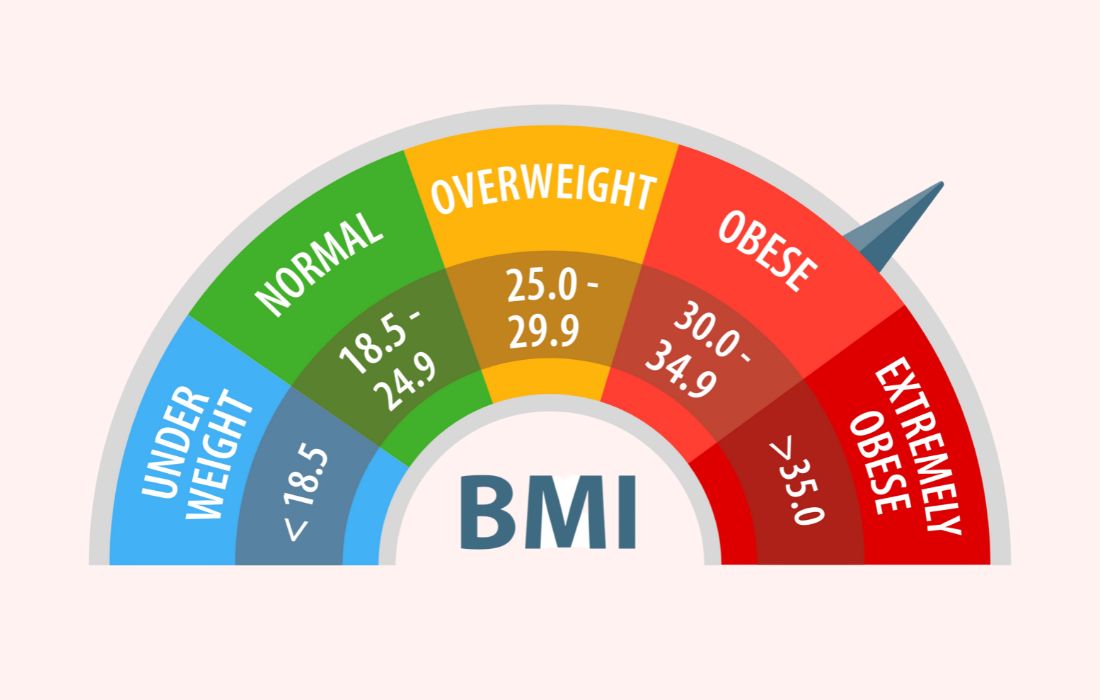
The term “plus size” has evolved from a back-corner retail category into a powerful brand identity. As brands move away from rigid, legacy measurements toward more inclusive frameworks, the definition of size is being rewritten to prioritize fit, feel, and financial viability over traditional weight-based labels.
The Branding Paradox: Defining Plus Size in a Global Market
For decades, the fashion industry operated on a “standard” vs. “specialty” binary. In the context of brand strategy, “plus size” typically refers to clothing sizes 14 and above, though this threshold varies significantly depending on the brand’s target demographic and geographic location.
The Subjectivity of Sizing Across Different Brand Identities
A size 14 in a high-end European luxury house like Prada or Gucci is often categorized as an extreme outlier, whereas in a North American mass-market brand like Old Navy or Target, a size 14 is the literal middle of the bell curve. This discrepancy highlights the subjective nature of sizing. Brands develop “fit models” based on their ideal customer avatar. If a brand’s identity is built around “aspirational” slimness, their grading system will reflect that, often pushing even average-sized consumers into the “plus” category prematurely.
How Corporate Standards Shape Consumer Perception
Brands possess the power to dictate what is considered “normal.” When a brand chooses to start its plus-size range at a size 12 or 16, it is making a strategic decision about its brand identity. By labeling a size 14 as “plus,” a brand communicates to the consumer where they belong in the social hierarchy of fashion. This has led to a significant psychological impact on consumers, where “plus size” becomes a label associated with being “othered” rather than being served. Strategic branding today focuses on dismantling this “othering” by integrating plus sizes into the main collection—a move known as “size integration.”
The Economic Shift: From Niche Segment to Mainstream Branding Strategy
The decision to expand into plus-size offerings is often driven by a stark reality: the average American woman wears between a size 16 and 18. Ignoring this demographic is no longer just a design choice; it is a failure of market expansion strategy.
Capitalizing on the “Average” Consumer
For a brand to remain relevant, its sizing must reflect its audience. We are seeing a massive pivot where legacy brands are restructuring their entire supply chains to accommodate larger sizes. This isn’t just about making clothes bigger; it is about “pattern grading.” Traditionally, brands would simply scale up a size 4 pattern to a size 20, resulting in poor fit. A sophisticated brand strategy involves “base-up” design, where plus-size garments are engineered specifically for larger bodies, ensuring the brand’s promise of quality and style remains consistent across the entire size spectrum.
The Brand Equity of Radical Inclusivity
Brands like Savage X Fenty or Universal Standard have built immense brand equity by making inclusivity their core value proposition. They don’t just “offer” plus sizes; they celebrate them. By featuring diverse body types in their marketing imagery without making it a “special collection,” they build trust with a demographic that has historically been ignored or insulted by the fashion industry. This “radical inclusivity” creates a halo effect, where even customers in the “standard” size range prefer to shop with the brand because of its ethical positioning and modern values.
Overcoming the “Vanity Sizing” Trap: A Strategy for Brand Trust
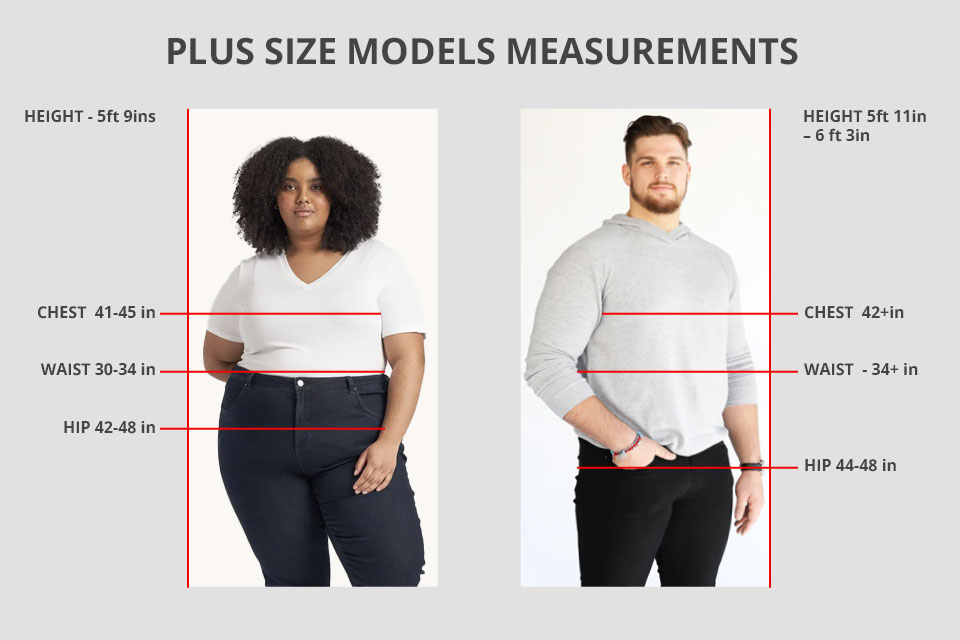
One of the greatest challenges in brand management is the phenomenon of “vanity sizing”—the practice of labeling a larger garment with a smaller size number to make the consumer feel better. While this might provide a short-term psychological boost, it ultimately erodes brand trust.
The Data Behind Size Inconsistency
Because there is no universal government standard for what a “size 16” or “plus size” should weigh or measure, brands often create their own internal metrics. This led to a fragmented market where a consumer might be a size 12 in one store and a size 18 in another. From a strategic standpoint, this inconsistency creates high return rates in e-commerce, which is a significant financial drain. Brands that prioritize “True to Size” metrics and provide detailed, transparent measurement charts are winning the loyalty of the plus-size consumer.
Building Loyalty Through Transparent Measurement Standards
To solve the “what weight is plus size” confusion, leading brands are moving toward “body scanning” and data-driven fit profiles. Instead of focusing on weight—which fluctuates and is distributed differently across different heights—brands are focusing on “shape-based” marketing. Identifying as “curvy,” “pear,” or “apple” shaped allows a brand to provide a more personalized experience. By being transparent about how their sizes are constructed, brands can reduce the friction of the purchasing process and build a long-term relationship with their customers.
Case Studies: Brands Redefining the Plus-Size Narrative
To understand how the definition of plus size is changing, we must look at the brands that are successfully navigating this transition.
The Luxury Sector’s Resistance and Adaptation
For a long time, the luxury sector maintained that plus-size garments would “dilute” their brand image. However, the rise of the “inclusive luxury” movement has seen brands like 11 Honoré (now part of Dia & Co) prove that there is a high-end market for sizes 14-24. These brands have demonstrated that the “plus size” woman is not just looking for basics; she wants high-fashion, high-quality fabrics, and sophisticated tailoring. The successful branding strategy here is to treat the plus-size customer with the same level of prestige as any other luxury client.
Direct-to-Consumer Disruptors and Size-Agnostic Branding
DTC (Direct-to-Consumer) brands have been the most agile in redefining size. Many have moved toward “size-agnostic” branding, where they don’t even use the term “plus.” Instead, they offer a range from XS to 4XL on a single product page. This removes the “plus-size section” entirely, both digitally and physically. This strategy aligns with the modern consumer’s desire for equality. When a brand treats a size 22 the same as a size 2, it reinforces a brand identity of total inclusivity, which resonates deeply with Gen Z and Millennial audiences.
Future-Proofing Your Brand: Beyond the Plus-Size Label
As we look toward the future of brand strategy, the question of “what weight is plus size” will likely become obsolete. The trend is moving toward hyper-personalization and universal design.
Moving Toward Universal Design
Universal design is the philosophy of creating products that are accessible to as many people as possible without the need for adaptation or specialized design. In fashion, this means creating silhouettes that are inherently adjustable and flattering on a wide range of body types. Brands that adopt this approach reduce the need for separate “plus” and “standard” lines, simplifying their inventory management and streamlining their marketing message.
The Role of Technology in Personal Branding and Fit
Artificial Intelligence and 3D virtual try-ons are revolutionizing how brands define size. In the near future, a brand might not ask you what size you wear, but rather for your 3D body scan. This shifts the focus from a label (Plus Size) to an individual (My Size). For a brand, this is the ultimate goal: to provide a bespoke experience at a mass-market scale. By leveraging technology to solve the fit problem, brands can move away from the stigmatized labels of the past and toward a future where “plus” is simply part of the whole.
In conclusion, “plus size” is not a specific weight; it is a dynamic market segment defined by evolving social standards and strategic business decisions. For brands to thrive, they must stop viewing plus-size as a problem to be solved and start seeing it as an opportunity to be embraced. Through transparent sizing, inclusive marketing, and the intelligent use of data, brands can build a more loyal, satisfied, and diverse customer base. The weight of the consumer is irrelevant; the weight of the brand’s commitment to that consumer is what will determine its success in the years to come.
aViewFromTheCave is a participant in the Amazon Services LLC Associates Program, an affiliate advertising program designed to provide a means for sites to earn advertising fees by advertising and linking to Amazon.com. Amazon, the Amazon logo, AmazonSupply, and the AmazonSupply logo are trademarks of Amazon.com, Inc. or its affiliates. As an Amazon Associate we earn affiliate commissions from qualifying purchases.