
In the world of real estate and agricultural investment, the old adage “location, location, location” is only half the story. For those looking to secure capital in the heart of the Midwest, the more accurate mantra is “soil, drainage, and productivity.” In Northeast Callaway County, Missouri, the ground beneath one’s feet represents far more than mere dirt; it is a complex financial asset. Understanding the specific soil types of this region—primarily characterized by the Central Claypan areas and the Glacial Till plains—is essential for any investor, land broker, or commercial farmer looking to maximize Return on Investment (ROI).
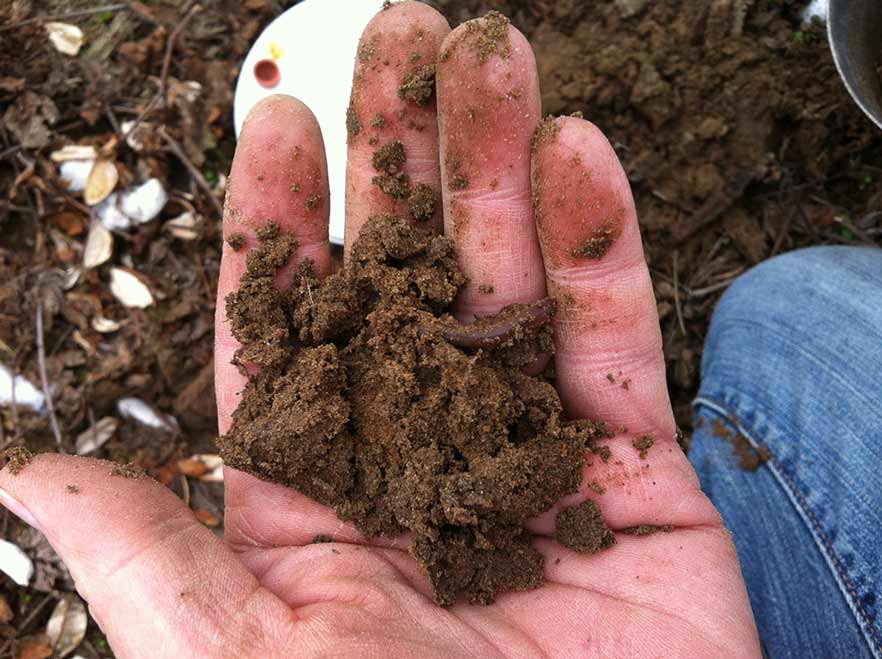
Northeast Callaway County, situated within a transition zone between the Ozark border and the glaciated plains, offers a unique pedological profile that dictates land valuation, crop insurance premiums, and long-term appreciation. To the uninitiated, the soil here may seem uniform, but to the financial strategist, the variations between silt loams and claypans represent the difference between a high-yield portfolio and a stagnant liability.
The Economics of Pedology: Why Soil Type Dictates Land Value
The valuation of Missouri farmland is inextricably linked to its productive capacity. In Northeast Callaway County, soil classification serves as the primary metric for determining the “intrinsic value” of a land asset. Investors do not simply buy acres; they buy the potential bushels of corn, soybeans, or wheat that those acres can produce annually.
Understanding Productivity Indexes and NCCPI
The primary tool used by financial appraisers in Missouri is the National Commodity Crop Productivity Index (NCCPI). In Northeast Callaway County, the soil types vary significantly in their NCCPI scores. High-quality silt loams in this region can command a premium price because their organic matter and water-holding capacity reduce the volatility of annual yields. From a financial perspective, a higher NCCPI score translates to lower risk. When an investor looks at the soil map of Callaway County, they are essentially looking at a risk-assessment heat map. Soils with high ratings require fewer chemical inputs and less mechanical intervention, leading to higher net profit margins per acre.
The Correlation Between Soil Drainage and Property Valuation
Drainage is perhaps the most significant “hidden” financial variable in Missouri land investment. Northeast Callaway is known for having soils with a “claypan”—a dense subsoil layer that limits water permeability. From a business finance perspective, poor drainage is a capital expenditure waiting to happen. Land with poorly drained soils, such as the Leonard or Mexico series, may require the installation of pattern tile drainage. While this is a significant upfront investment, it often increases the land’s value by 20% to 30% by ensuring consistent yields during wet springs. For the savvy investor, purchasing “undervalued” land with poor drainage and investing in remediation is a classic value-add strategy in agricultural real estate.
Characterizing the Northeast Callaway County Landscape: A Financial Asset Analysis
To understand the money-making potential of this region, one must look at the specific soil series that dominate the northeastern quadrant of the county. This area is largely part of the “Mexico-Leonard” soil association, which presents a specific set of financial opportunities and challenges.
The Mexico and Leonard Silt Loams: The Blue Chips of the Region
The Mexico Silt Loam is often considered the “Blue Chip” soil of Northeast Callaway County. These soils are deep and relatively fertile, though they possess the characteristic claypan. For an institutional investor, these soils represent stability. They are highly responsive to management and, when handled with precision agriculture, provide a steady stream of lease income. The Leonard Silt Loam is slightly more restrictive but remains a staple of the region’s agricultural economy. Both soil types support the “Corn-Soybean” rotation that fuels the local economy, providing a reliable basis for cash-rent agreements.
Keswick and Armstrong Series: Assessing the Marginal Assets
As you move toward the more rolling breaks of Northeast Callaway, you encounter the Keswick and Armstrong soil series. In financial terms, these are “marginal assets.” They are typically found on steeper slopes and are more prone to erosion. For a land speculator, these soils might not be suitable for high-intensity row cropping, but they offer excellent ROI when utilized for livestock grazing or timber production. Diversifying a land portfolio to include these soil types can mitigate the risk of fluctuating grain prices by allowing for alternative revenue streams, such as cattle grazing leases or carbon sequestration credits.
Strategic Agricultural Investment in Missouri’s Soil

Investing in Northeast Callaway County requires a sophisticated understanding of how soil characteristics interact with market dynamics. The financial lifecycle of a farm in this region is determined by how well the owner manages the soil’s natural limitations.
Cash Rent Potential and Yield Forecasting
For the passive investor, the primary source of income is cash rent. In Callaway County, cash rent prices are tiered based on soil quality. Land dominated by Mexico Silt Loam will fetch a higher price per acre than land dominated by the more erosive Keswick soils. When forecasting the 10-year internal rate of return (IRR) for a property, an investor must factor in the “yield stability” of the soil. Soils with better water-holding capacity provide a “financial floor” during drought years, preventing total loss of income and maintaining the tenant’s ability to pay rent.
Tax Implications and Land Management Credits
Missouri offers various financial incentives for soil conservation. Programs such as the Environmental Quality Incentives Program (EQIP) provide cost-share opportunities for landowners to implement terraces, cover crops, and waterways. From a business finance standpoint, these programs represent “subsidized capital improvements.” By utilizing government funds to improve the soil health of a Northeast Callaway farm, an investor can increase the property’s resale value while reducing their taxable income through depreciation and conservation deductions.
Modern Financial Tools for Soil Analysis and Risk Assessment
In the modern era, “gut feeling” has been replaced by data-driven financial analysis. To determine if a specific plot in Northeast Callaway is a sound investment, professionals use a suite of digital and financial tools.
Leveraging the USDA Web Soil Survey for Due Diligence
Before a single dollar is committed to a land purchase, a thorough “Pedological Due Diligence” must be performed. The USDA Web Soil Survey allows investors to generate “Acreage Reports” that detail exactly what percentage of a property consists of prime farmland. In Northeast Callaway, finding a tract with a high percentage of “Prime if Drained” soil is a signal for a high-potential investment. This data allows the investor to calculate a more accurate “Cap Rate” by adjusting for the specific productivity of the ground.
Precision Agriculture as a Capital Expenditure
Precision agriculture—using GPS and soil sensors to apply fertilizer and seed—is a method of optimizing the financial output of the soil. In the claypan soils of Callaway County, nutrient runoff can be a financial leak. By investing in precision technology, a farm operator can ensure that every dollar spent on inputs (NPK fertilizer) is placed exactly where the soil can utilize it. For the landowner, a tenant who uses precision technology is a preferred partner, as they are less likely to “mine” the soil of its nutrients, thereby preserving the long-term value of the asset.
The Long-Term ROI of Soil Conservation and Sustainability
The final component of the financial equation in Northeast Callaway County is the long-term preservation of the “Principal”—the soil itself. Soil erosion is not just an environmental issue; it is the literal washing away of an investor’s equity.
Carbon Credits and Sustainable Revenue Streams
A new frontier in agricultural finance is the carbon credit market. The silt loams of Northeast Callaway have a high potential for carbon sequestration when managed with no-till practices and cover crops. For a corporate or institutional investor, this represents a “secondary asset class.” By enrolling the land in a carbon program, the owner can generate an additional $15 to $30 per acre in annual revenue simply by maintaining the health of the soil. This transforms soil management from an operational expense into a revenue-generating strategy.

Diversifying the Portfolio: Timber and Recreational Value
While row crops are the primary driver of value, Northeast Callaway County also features soil types that support high-quality hardwood timber. Soils in the more broken areas of the county are ideal for White Oak production. Timber is a unique financial asset; it “grows” at a rate independent of the stock market, providing a powerful hedge against inflation. Furthermore, the intersection of productive soil and timber creates high-value recreational land. The “huntability” of a property, driven by the soil’s ability to support food plots and cover, can often drive the price of land higher than its agricultural value alone, particularly for buyers looking for “lifestyle” investments.
In conclusion, the soil of Northeast Callaway County, Missouri, is a multifaceted financial instrument. From the high-yielding Mexico Silt Loams to the complex claypans of the Leonard series, every horizontal layer of the earth represents a vertical column on a balance sheet. For the investor who understands these nuances, the “dirt” of Missouri becomes a foundation for a robust, resilient, and highly profitable financial portfolio.
aViewFromTheCave is a participant in the Amazon Services LLC Associates Program, an affiliate advertising program designed to provide a means for sites to earn advertising fees by advertising and linking to Amazon.com. Amazon, the Amazon logo, AmazonSupply, and the AmazonSupply logo are trademarks of Amazon.com, Inc. or its affiliates. As an Amazon Associate we earn affiliate commissions from qualifying purchases.