
In the traditional veterinary clinic, the diagnosis of a heart murmur has long relied on the “trained ear” of a clinician. A heart murmur in a dog is not a disease in itself, but rather a clinical sign—an extra vibration or “whooshing” sound caused by turbulent blood flow within the heart. Historically, this was identified through simple auscultation using an analog stethoscope. However, as we move further into the decade, the intersection of veterinary medicine and high-end technology is fundamentally changing how we identify, grade, and treat these cardiac anomalies.
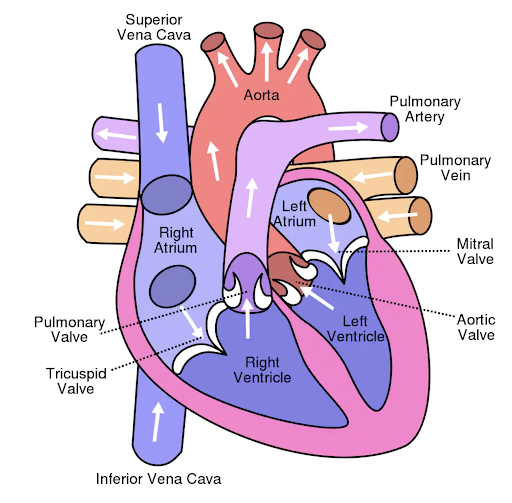
From AI-driven stethoscopes to remote monitoring wearables, the “tech stack” available to modern veterinarians and pet owners is transforming a subjective observation into a precise, data-driven science.
The Evolution of Auscultation: From Analog to Digital Precision
For over a century, the stethoscope was the primary tool for detecting a heart murmur. While effective, manual auscultation is inherently subjective. A Grade II murmur to one vet might sound like a Grade III to another, depending on their hearing acuity, the ambient noise in the clinic, and the dog’s temperament. The introduction of digital signal processing (DSP) has changed this dynamic entirely.
The Rise of Smart Stethoscopes
Digital stethoscopes have replaced the traditional bell and diaphragm with high-fidelity sensors. These devices don’t just amplify sound; they filter out background noise—such as a dog’s heavy panting or the rustle of fur—allowing the clinician to isolate the specific frequency of the heart murmur. Technologies like Bluetooth connectivity allow these sounds to be visualized as phonocardiograms on a tablet or smartphone. By seeing the sound waves, veterinarians can pinpoint exactly where in the cardiac cycle the turbulence occurs (systolic vs. diastolic), providing a level of diagnostic clarity that was previously impossible without an immediate referral to a cardiologist.
Cloud-Based Sound Archives and Collaborative Diagnosis
Perhaps the most significant tech advancement in auscultation is the ability to record and store cardiac sounds in the cloud. When a general practitioner detects a murmur in a dog, they can instantly upload the high-definition audio file to a specialist miles away. This “Tele-cardiology” workflow ensures that dogs in rural areas have access to board-certified expertise. This democratization of data ensures that a heart murmur is no longer a “best guess” scenario but a recorded, verifiable digital asset in the dog’s medical record.
AI and Machine Learning in Cardiac Interpretation
Artificial Intelligence (AI) is the most disruptive force in modern veterinary technology. While a human ear may miss a subtle “gallop” rhythm or a soft murmur, machine learning algorithms trained on millions of recorded heartbeats can detect patterns with superhuman precision.
Automated Murmur Grading
Standardizing the grading of heart murmurs (on a scale of 1 to 6) is crucial for determining the progression of heart disease. Tech startups are now developing AI software that can analyze a digital recording of a dog’s heart and automatically assign a grade. These algorithms compare the patient’s heart sounds against a massive database of both healthy and diseased dogs. By removing human bias, these tools allow for more accurate longitudinal tracking. If the AI detects a 5% increase in turbulence over six months, it provides an early warning sign that might have been missed by a human clinician.
Predictive Analytics for Congestive Heart Failure (CHF)
The ultimate goal of monitoring a heart murmur is to prevent or delay the onset of Congestive Heart Failure. AI is now being used to analyze “big data” from electronic health records to predict which dogs with murmurs are most likely to decompensate. By processing variables like breed predisposition, murmur grade, and respiratory rate trends, these predictive tools can alert veterinarians to intervene with medication earlier than ever before. This shift from reactive to proactive care is a hallmark of the modern “MedTech” era in pet care.
Wearable Tech and Remote Patient Monitoring (RPM)
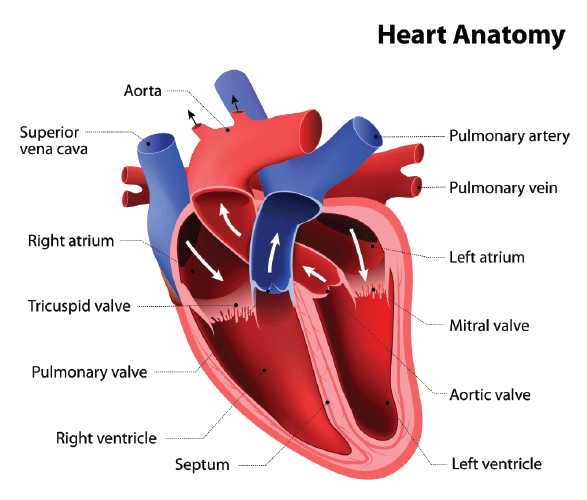
The diagnosis of a heart murmur is often just the beginning of a long-term management journey. Previously, veterinarians relied on owners to manually count their dog’s Resting Respiratory Rate (RRR) at home—a process prone to human error. Today, the Internet of Things (IoT) has entered the canine world through sophisticated wearable devices.
Bio-Sensing Collars and Continuous Monitoring
Modern smart collars are no longer just GPS trackers; they are sophisticated medical monitors equipped with photoplethysmography (PPG) and accelerometers. These sensors can track a dog’s heart rate, pulse quality, and even sleep patterns. For a dog with a heart murmur, a spike in nighttime restlessness or a gradual increase in resting heart rate can be a digital “red flag” for worsening cardiac function. This data is synced to an app, providing the vet with a 24/7 view of the patient’s cardiac health, rather than a 10-minute snapshot during a stressful office visit.
Bridging the Gap with Telemedicine Apps
The integration of wearable data into dedicated telemedicine platforms allows for a seamless flow of information. If a wearable device detects an anomaly in a dog with a known murmur, the software can automatically trigger a notification to the vet clinic. This “Always-On” monitoring ecosystem reduces the “white coat syndrome” (where a dog’s heart rate spikes at the clinic due to stress), ensuring that the data used for treatment adjustments is reflective of the dog’s actual physiological state at home.
Advanced Imaging and the Future of Digital Cardiac Mapping
When a murmur is detected, the next step is usually imaging to determine the underlying cause, such as Mitral Valve Disease (MVD) or Dilated Cardiomyopathy (DCM). The technology used in this space is advancing at a rapid pace, moving from 2D snapshots to immersive 3D environments.
AI-Enhanced Echocardiography
The echocardiogram (cardiac ultrasound) remains the gold standard for evaluating heart murmurs. However, interpreting these images is highly complex. New software modules are being integrated into ultrasound machines that use AI to automatically measure the size of the heart chambers and the thickness of the walls. These “Auto-EF” (Ejection Fraction) tools reduce the time required for an exam and increase the accuracy of the measurements, which is vital for monitoring the remodeling of the heart over time.
3D Printing and Surgical Planning
In cases where a heart murmur is caused by a congenital defect (like Pulmonic Stenosis), technology is helping surgeons prepare for complex interventions. Using data from CT scans and MRIs, veterinarians can now create 3D-printed models of a specific dog’s heart. This allows the surgical team to practice the procedure on a physical replica, choosing the exact size of catheters or stents needed before the dog ever goes under anesthesia. This intersection of digital imaging and physical manufacturing is significantly lowering the risks associated with cardiac surgery in pets.

The Intersection of Data and Prevention
As we look toward the future, the management of heart murmurs in dogs will become increasingly integrated with the broader “PetTech” landscape. The goal is no longer just to identify a murmur, but to create a holistic, digital twin of the patient’s health.
The synthesis of genomic testing, AI diagnostics, and wearable monitoring is creating a new paradigm. We are entering an era where a dog’s genetic predisposition to a heart murmur can be flagged via DNA tech in puppyhood, monitored via AI-stethoscopes during routine checks, and managed through real-time data streaming from a smart collar.
For the modern pet owner and the tech-forward veterinarian, a heart murmur is no longer a mysterious “whoosh” heard through a tube. It is a data point—a digital signal that, when interpreted through the right technological lens, allows for a longer, healthier life for our canine companions. The future of veterinary cardiology is digital, and that shift is saving lives one heartbeat at a time.
aViewFromTheCave is a participant in the Amazon Services LLC Associates Program, an affiliate advertising program designed to provide a means for sites to earn advertising fees by advertising and linking to Amazon.com. Amazon, the Amazon logo, AmazonSupply, and the AmazonSupply logo are trademarks of Amazon.com, Inc. or its affiliates. As an Amazon Associate we earn affiliate commissions from qualifying purchases.