
In the rapidly evolving landscape of hardware engineering and digital infrastructure, some of the most critical components are often the ones we never see. While software, artificial intelligence, and high-speed processors capture the headlines, the physical hardware that facilitates energy transfer, signal processing, and mechanical movement remains the bedrock of modern tech. At the heart of this hardware revolution lies the cylinder coil.
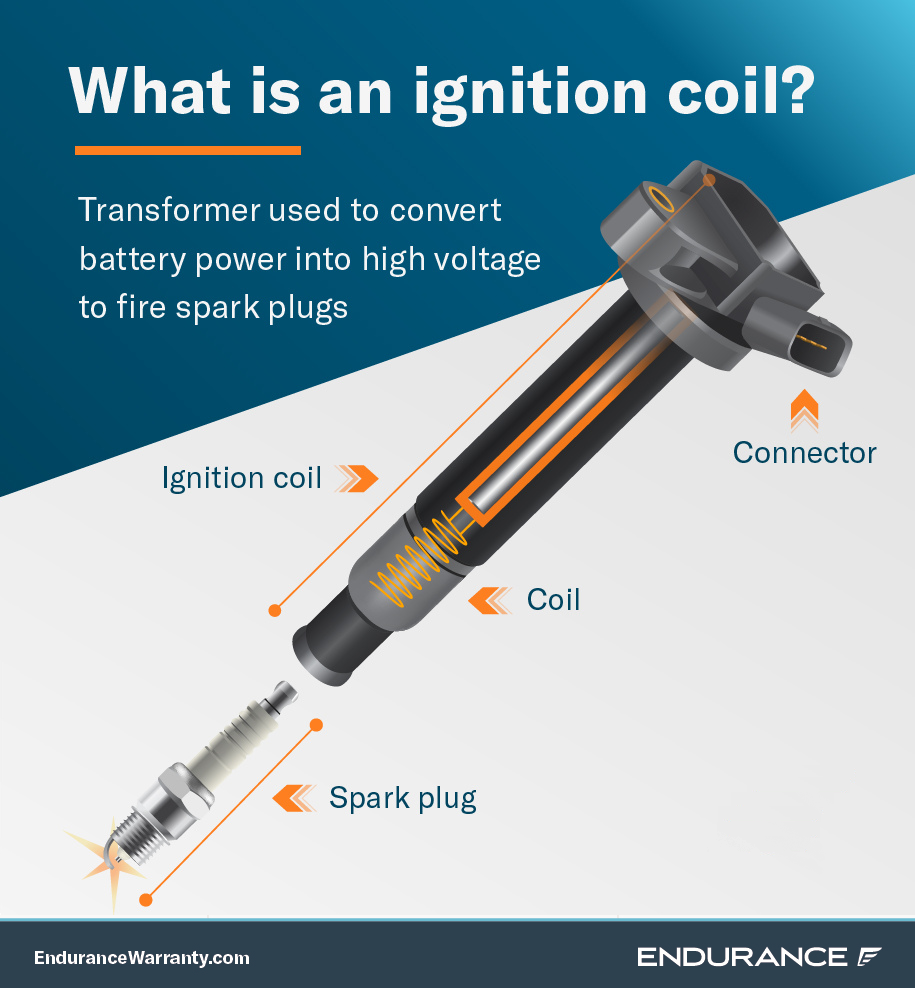
A cylinder coil, often referred to in engineering circles as a solenoid or a cylindrical inductor, is a fundamental electromagnetic component. It consists of conductive wire—usually copper—wound tightly around a cylindrical form or core. Despite its deceptively simple structure, the cylinder coil is a masterpiece of physics that enables everything from the wireless charging in your smartphone to the propulsion systems in next-generation electric vehicles.
The Engineering Fundamentals of Cylinder Coils
To understand the importance of the cylinder coil in technology, one must first grasp the electromagnetic principles that govern it. When an electric current flows through a wire, it generates a magnetic field. By wrapping that wire into a cylindrical shape, the magnetic fields of the individual loops are concentrated and unified, creating a powerful, directional magnetic force within the center of the coil.
The Physics of Induction and Magnetism
The operation of a cylinder coil is rooted in Faraday’s Law of Induction. This principle dictates that a change in the magnetic environment of a coil of wire will “induce” a voltage in the coil. In tech applications, this allows for the conversion of electrical energy into magnetic energy and back again. This bidirectional conversion is the “secret sauce” behind power adapters, signal filters, and energy storage components.
Core Materials and Performance
While the “coil” refers to the wire, the “cylinder” often refers to the core material around which the wire is wrapped. In high-frequency tech applications, engineers use air cores, ferrite cores, or laminated iron cores. The choice of material dictates the coil’s efficiency, its “Q factor” (quality factor), and its ability to handle heat—a critical consideration in the design of compact gadgets like tablets and smartwatches.
Geometric Precision in Tech Manufacturing
In modern technology, the dimensions of a cylinder coil are calculated with microscopic precision. The number of turns, the gauge of the wire, and the length-to-diameter ratio are all optimized to ensure that the component fits within the increasingly thin chassis of mobile devices while maintaining peak electrical performance.
Essential Applications in Consumer Electronics and Gadgets
The cylinder coil is ubiquitous in the consumer electronics sector. Without it, the “seamless” and “wireless” experiences we have come to expect from modern tech would be impossible.
The Rise of Wireless Power Transfer (WPT)
Perhaps the most visible use of cylinder coils in contemporary tech is in wireless charging. Whether it is a Qi-certified smartphone charger or the magnetic puck for an Apple Watch, the technology relies on a pair of cylinder coils. The charging pad contains a primary coil that creates an oscillating magnetic field; the device contains a secondary coil that captures this field and converts it back into electricity to charge the battery. This “inductive coupling” is a direct application of cylinder coil technology.
Signal Filtering and Noise Reduction
In the world of high-fidelity audio and high-speed internet, “noise” is the enemy. Cylinder coils serve as inductors in electronic filters. They allow low-frequency signals to pass through while blocking high-frequency interference. This ensures that the audio coming out of high-end headphones is crisp and that the data flowing through a router remains uncorrupted by electromagnetic interference (EMI) from other household appliances.
Haptic Feedback and Vibration Motors
Every time your phone “taps” you with a notification, you are feeling a cylinder coil at work. Modern haptic engines use miniature solenoids (a type of cylinder coil with a movable plunger) to create precise, localized vibrations. By controlling the pulse of electricity through the coil, engineers can simulate the feel of a physical button click on a flat glass screen, enhancing the user interface (UI) experience.

The Cylinder Coil in the Transportation and Energy Revolution
Beyond the palm of your hand, cylinder coils are driving the most significant shifts in transportation and green energy technology. As the world pivots away from fossil fuels, the role of electromagnetics has become paramount.
Electric Vehicle (EV) Propulsion Systems
The “engine” of an electric vehicle is actually a sophisticated arrangement of massive cylinder coils. In an EV motor, these coils (stators) receive high-voltage current to create the rotating magnetic fields that turn the rotor. The efficiency of an EV—how many miles it can get per charge—is heavily dependent on the “fill factor” of these coils and how effectively they can dissipate heat during high-speed travel.
Regenerative Braking and Energy Capture
Cylinder coils are also essential for regenerative braking. When a driver lifts their foot off the accelerator in a Tesla or a Porsche Taycan, the motor’s cylinder coils act as generators. The kinetic energy of the moving car is converted back into electrical energy through the magnetic field of the coils and sent back to the battery. This loop of energy efficiency is what makes modern EVs sustainable.
Smart Grid and Power Infrastructure
On a macro level, cylinder coils are the primary components in transformers used within smart grids. As we integrate volatile renewable energy sources like wind and solar into our tech infrastructure, we need high-performance coils to step voltage up or down with minimal loss. These coils ensure that the electricity generated at a solar farm can be safely and efficiently delivered to the data centers that power our digital world.
Future Trends: Miniaturization and Advanced Materials
The future of the cylinder coil is being written in laboratories focusing on nanotechnology and material science. As we push the boundaries of what technology can do, the components themselves must undergo a radical transformation.
The Development of Micro-Coils for Wearables
The next frontier of tech is “invisible” or “embedded” electronics. Engineers are currently developing micro-coils that are thinner than a human hair. These components are being integrated into smart contact lenses, medical implants, and “e-skin” sensors. By using 3D printing and lithography to “print” cylinder coils directly onto flexible substrates, the tech industry is moving toward a world where electronics are integrated into the very fabric of our lives.
Superconducting Coils and Quantum Computing
In the realm of extreme technology, such as MRI machines and quantum computers, standard copper coils are being replaced by superconducting cylinder coils. These coils, when cooled to cryogenic temperatures, have zero electrical resistance. This allows them to create incredibly powerful and stable magnetic fields, which are necessary to stabilize qubits in quantum processors or to produce high-resolution medical imagery.
Thermal Management and Efficiency Innovations
One of the biggest hurdles in tech today is heat. High-performance cylinder coils generate heat, which can degrade the lifespan of a gadget. The tech industry is currently investing in “Litz wire” and specialized nano-coatings that allow coils to operate at higher frequencies with less heat. This innovation is crucial for the development of faster-charging batteries and smaller, more powerful laptops.
Conclusion: The Silent Workhorse of the Digital Age
The cylinder coil may not have the aesthetic appeal of a sleek smartphone or the intellectual allure of a neural network, but it remains one of the most vital components in the history of technology. From its humble origins in 19th-century physics experiments to its role in powering the satellites orbiting our planet, the cylinder coil has proven to be an endlessly adaptable tool.
As we look toward a future defined by the “Internet of Things” (IoT), autonomous transportation, and pervasive wireless power, the cylinder coil will continue to evolve. It is a reminder that even in an era of digital abstraction and software-defined everything, the physical world of magnetism and electricity still dictates the limits of what our technology can achieve. Understanding the cylinder coil is, in many ways, understanding the physical architecture of the modern world.
aViewFromTheCave is a participant in the Amazon Services LLC Associates Program, an affiliate advertising program designed to provide a means for sites to earn advertising fees by advertising and linking to Amazon.com. Amazon, the Amazon logo, AmazonSupply, and the AmazonSupply logo are trademarks of Amazon.com, Inc. or its affiliates. As an Amazon Associate we earn affiliate commissions from qualifying purchases.