
In the rapidly evolving landscape of biotechnology and digital health, the “buccal sample” has emerged as the most critical touchpoint between the physical human body and the digital world of genetic data. While the term may sound clinical, its application is at the heart of a technological revolution that includes Next-Generation Sequencing (NGS), AI-driven diagnostics, and the burgeoning field of bioinformatics. A buccal sample, simply put, is a collection of cells taken from the inner lining of the cheek (the buccal mucosa). However, in the context of modern technology, it represents the primary input for the most sophisticated data-processing pipelines in existence today.

As we move toward an era of personalized medicine and biometric security, understanding the technical nuances of the buccal sample is essential for anyone navigating the intersection of software, hardware, and biology.
The Science of Data Collection: Why the Buccal Swab is the Gold Standard for DNA Tech
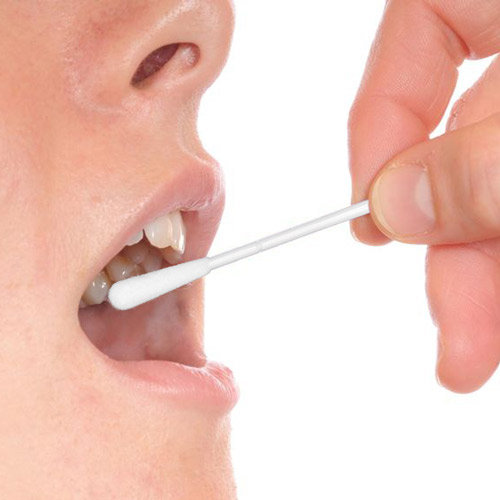
The transition from invasive medical procedures to consumer-grade technology required a non-invasive method for high-quality DNA extraction. The buccal sample became the industry standard because it offers a high density of nucleated epithelial cells without the complexities associated with blood draws or tissue biopsies.
The Mechanics of Cell Extraction
A buccal sample is typically collected using a specialized swab—a high-tech version of a common cotton bud. These swabs are designed with synthetic filaments (such as flocked nylon) that use capillary action to maximize the collection of cellular material. From a technological standpoint, the goal is to optimize the “yield” of DNA. The texture of the swab is engineered to abrade the surface of the cheek lining just enough to dislodge cells while maintaining a sterile environment to prevent exogenous DNA contamination.
Comparison with Blood-Based Sampling Technology
Historically, genomic analysis relied on venipuncture (blood samples). However, blood requires a “cold chain” for transport—refrigerated logistics that add significant cost and technological friction. Buccal samples, by contrast, are often stabilized in a lysis buffer (a chemical solution that breaks down cell membranes) within the collection tube. This allows the sample to remain stable at room temperature for weeks, making it compatible with global logistics networks and direct-to-consumer (DTC) technology business models. For the tech industry, the buccal sample represents a “low-friction” user interface for biological data.
From Swab to Sequence: The High-Tech Pipeline of Genetic Analysis
Once a buccal sample is mailed to a laboratory, it enters a highly automated “wet lab” environment where biology meets high-performance computing. The transformation of a physical swab into a digital genetic profile is a triumph of modern engineering.
Next-Generation Sequencing (NGS) Hardware
The process begins with automated DNA extraction robots that isolate the genetic material from the buccal cells. Once purified, the DNA is processed by Next-Generation Sequencing (NGS) platforms, such as those developed by Illumina or Oxford Nanopore. These machines are marvels of nanotechnology; they use flow cells and optical sensors to “read” the chemical bases of DNA (A, C, G, and T) and convert them into digital signals. In a matter of hours, a single buccal sample generates gigabytes of raw data, known as “reads.”
AI and Machine Learning in Genomic Interpretation
Raw genetic data is useless without the software to interpret it. This is where Artificial Intelligence (AI) and Machine Learning (ML) play a pivotal role. The digital output from the sequencing hardware is processed through “bioinformatics pipelines.”
- Alignment: Algorithms compare the digital fragments of the user’s DNA against a reference human genome.
- Variant Calling: AI models identify specific mutations or variations (SNPs) that differ from the norm.
- Predictive Analytics: Software identifies patterns that correlate with specific traits, health risks, or ancestral lineages.

Without these sophisticated software tools, the biological material collected from a buccal swab would remain an undecipherable string of chemical codes.
Digital Security and the Privacy of Biological Data
Because a buccal sample provides a blueprint of an individual’s entire biological identity, the technological infrastructure surrounding its storage is a major focus of digital security. Unlike a password or a credit card number, your DNA cannot be changed if it is leaked in a data breach.
Cryptographic Protection for Genetic Profiles
Tech companies specializing in genomic data use advanced encryption standards to protect the “FASTQ” and “VCF” files (the file formats for genetic data). Modern protocols often involve “de-identification,” where the genetic data is decoupled from the user’s personal identity through cryptographic hashing. Only a secure key can relink the genetic profile to the individual, ensuring that even if the database is compromised, the DNA cannot be easily traced back to a specific person.
The Rise of Blockchain in Genomic Data Management
One of the most exciting trends in digital security is the use of blockchain technology to manage buccal sample data. Some startups are creating decentralized ledgers where users “own” their genetic data. Instead of storing DNA on a centralized corporate server, the data is encrypted on a distributed network. Researchers or tech companies must then “request” access through smart contracts, often compensating the user in cryptocurrency. This shifts the power dynamic from the corporation to the individual, using tech to solve a fundamental privacy dilemma.
The Future of Biotech: Wearables, Micro-Sampling, and Real-Time Diagnostics
The buccal sample is not a static technology; it is the precursor to even more advanced methods of biological data acquisition. As sensors become smaller and more sensitive, the way we interact with our own biology is changing.
Integrating Buccal Data with Health-Tech Apps
We are seeing an increasing convergence between genomic data (derived from buccal swabs) and real-time data from wearables like the Apple Watch or Oura Ring. By combining a user’s genetic “blueprints” with their daily activity levels, heart rate variability, and sleep patterns, AI-driven health apps can provide hyper-personalized recommendations. For example, a buccal sample might reveal a genetic predisposition to slow caffeine metabolism, which the app then uses to adjust the user’s suggested “caffeine cutoff time” based on their real-time sleep data.
The Path Toward In-Home Genetic Computing
The ultimate goal for many tech innovators is “Point-of-Care” (POC) testing. Imagine a device the size of a smartphone that can process a buccal sample in your own home. We are already seeing the first generation of these devices—portable PCR machines and nanopore sequencers that plug into a laptop via USB. In the future, the “buccal sample” won’t be something you mail to a lab; it will be a routine digital check-up. You will swab your cheek, insert it into a peripheral device, and receive an instant update on your viral load, gut microbiome balance, or nutritional needs, all processed locally to ensure maximum privacy.
Conclusion: The Digital Legacy of the Buccal Swab
In the grand scheme of technological progress, the buccal sample serves as the essential bridge between our carbon-based biology and our silicon-based future. What starts as a simple swipe of a swab against the cheek becomes a massive dataset that fuels drug discovery, refines AI models, and pushes the boundaries of what it means to be a “digital citizen.”
As we continue to refine the hardware of extraction and the software of interpretation, the buccal sample will remain at the forefront of the biotech revolution. It is more than just a medical tool; it is a technological input that unlocks the most complex machine in existence: the human body. Whether for the purpose of identifying health risks, securing our digital identities, or exploring our ancestral past, the technology behind the buccal sample is rewriting the code of life in the digital age.
aViewFromTheCave is a participant in the Amazon Services LLC Associates Program, an affiliate advertising program designed to provide a means for sites to earn advertising fees by advertising and linking to Amazon.com. Amazon, the Amazon logo, AmazonSupply, and the AmazonSupply logo are trademarks of Amazon.com, Inc. or its affiliates. As an Amazon Associate we earn affiliate commissions from qualifying purchases.