
In an increasingly digitized world where convenience is king, the simple act of picking up a prescription might seem like a trivial task. Yet, a significant number of prescriptions go unclaimed each year, leading to a complex web of consequences that touch upon personal health, financial stability, operational efficiency, and even the broader fabric of our healthcare system. This isn’t just a minor oversight; it’s a systemic challenge with far-reaching implications, demanding a closer look through the lenses of technology, branding, and personal finance.
The Immediate Ripple Effect: Health and Financial Consequences
When a prescription goes uncollected, the most direct and often dire consequences manifest in two primary areas: the patient’s health and their personal finances. These aren’t isolated incidents but rather critical junctures that can lead to a cascade of further complications.
Personal Health Implications: More Than Just a Missed Dose
At its core, a prescription is a doctor’s recommendation for a specific treatment designed to prevent, manage, or cure a health condition. Failing to pick up and subsequently take this medication can have immediate and severe repercussions for the patient’s well-being. For those with chronic conditions like diabetes, hypertension, or heart disease, missing even a few doses can lead to unstable blood sugar levels, dangerously high blood pressure, or a heightened risk of cardiovascular events. The progression of these diseases often necessitates consistent medication adherence, and disruption can quickly undo months or even years of careful management.
Consider acute infections, where antibiotics are prescribed. Not picking up the medication can result in the infection worsening, leading to more severe symptoms, prolonged illness, or the need for more aggressive and potentially invasive treatments, including hospitalization. In some cases, such as with certain bacterial infections, incomplete or delayed treatment can contribute to antibiotic resistance, a significant public health threat. Mental health medications, crucial for managing conditions like depression or anxiety, also demand strict adherence. A sudden discontinuation or failure to start can trigger relapses, severe mood swings, or exacerbate symptoms, leading to significant distress and impairment in daily functioning.
Beyond the physical and mental toll, untreated conditions can lead to a reduced quality of life, decreased productivity at work or school, and an increased reliance on emergency services. What begins as a simple missed pickup can escalate into a complex medical crisis, highlighting that a prescription is not just a piece of paper, but a critical tool for maintaining or restoring health.
The Hidden Financial Costs for Patients
While the health consequences are paramount, the financial implications for the patient are also substantial and often overlooked. Even if a patient doesn’t pick up the prescription, they might still incur costs. For instance, some pharmacies may charge a dispensing fee or a portion of the co-pay, especially if the medication has already been prepared. More significantly, failing to treat a condition proactively with prescribed medication almost invariably leads to more expensive interventions down the line.
Imagine a scenario where a patient doesn’t pick up their blood pressure medication. Over time, their blood pressure might rise, leading to a stroke or heart attack. The cost of an emergency room visit, hospitalization, specialist consultations, diagnostic tests, and rehabilitation far outweighs the cost of the initial prescription. This financial burden often includes higher insurance deductibles, increased co-pays for advanced treatments, and significant out-of-pocket expenses. For individuals already struggling with personal finance, this can be a devastating blow, pushing them further into debt or forcing difficult choices between essential living expenses and medical care.
Furthermore, there’s the opportunity cost. Time spent recovering from a preventable illness means lost wages, impacting personal income and overall financial stability. In an age where personal finance management is crucial, neglecting a prescription can disrupt careful budgeting and saving strategies, leading to unforeseen financial stress that could have been mitigated by a simple pickup.
Operational Overload and Financial Strain on Pharmacies
The impact of uncollected prescriptions extends far beyond the individual patient, creating significant logistical and financial burdens for pharmacies. In an industry increasingly reliant on efficiency and robust inventory management, every uncollected prescription represents a kink in the operational chain.
Inventory Management Nightmares: The Tech Angle
Modern pharmacies leverage sophisticated pharmacy management software and inventory systems to track medications from wholesaler to patient. These tech tools are designed to optimize stock levels, minimize waste, and ensure medication availability. However, uncollected prescriptions throw a wrench into this finely tuned machine. When a prescription is prepared but not picked up, that medication is effectively “on hold,” taking up valuable shelf space and tying up capital. The software might flag it as “dispensed but not delivered,” creating an exception that requires manual intervention.
Pharmacists and their teams must then dedicate time to managing these unclaimed medications. This involves logging them, storing them securely, and eventually, after a legally defined period (which varies by state and medication type), reversing the dispensing process and either returning them to stock (if permissible and safe, often for sealed, non-temperature-sensitive items) or disposing of them. The disposal process itself is complex, often requiring adherence to strict environmental regulations, especially for controlled substances or hazardous drugs, incurring further costs and administrative overhead. This inefficient cycle diverts staff time from patient care, prescription verification, and other critical tasks, directly impacting productivity. From a digital security perspective, the tracking and management of these uncollected items within the pharmacy’s software must also be robust to prevent errors or misuse.
The Bottom Line: Financial Losses and Operational Inefficiencies
For pharmacies, uncollected prescriptions translate directly into financial losses. There’s the direct cost of the medication itself, which the pharmacy has already purchased from suppliers. Even if the medication is eventually returned to stock, it represents tied-up capital that could have been used for other inventory or investments. If the medication expires before it can be re-dispensed or returned, it becomes a complete write-off. The labor cost associated with preparing, logging, storing, and eventually disposing of these medications adds another layer of financial drain. Staff time is a precious resource, and diverting it to managing uncollected scripts impacts the pharmacy’s capacity to serve paying customers efficiently.
Furthermore, high rates of uncollected prescriptions can subtly damage a pharmacy’s brand reputation. While not always visible to the public, a pharmacy consistently struggling with inventory management due to unclaimed medications might face issues with suppliers, delays in fulfilling new orders, or even affect their ability to manage cash flow. This operational inefficiency can make it harder to invest in new technology trends or improve customer experience, ultimately affecting their competitive standing in the market. It’s a classic example of how minor inefficiencies, when scaled, can significantly impact the financial health of a business.
The Broader Economic and Systemic Impact
The problem of uncollected prescriptions isn’t just a personal health and pharmacy operational issue; it reverberates through the entire healthcare ecosystem, posing significant economic challenges and impacting the collective trust in medical services.
Burden on the Healthcare System: A Costly Cycle
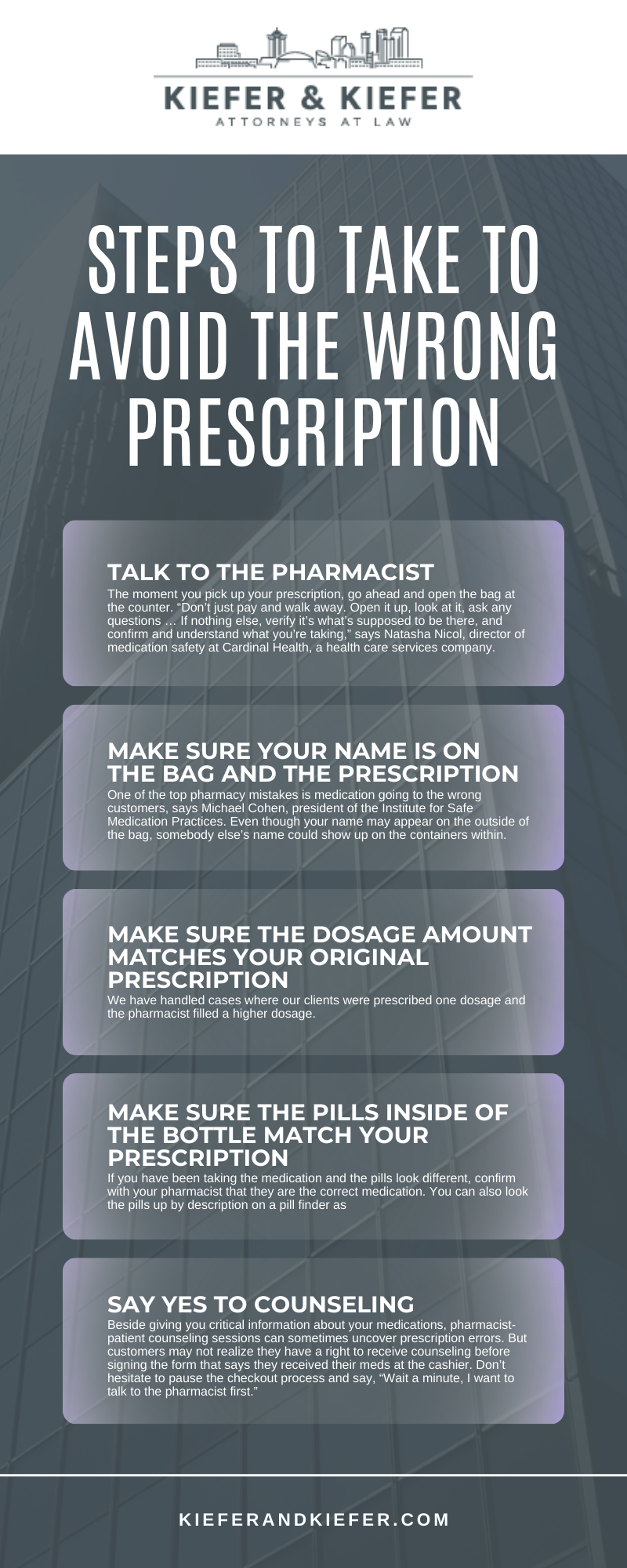
When patients fail to pick up and take their prescribed medications, the likelihood of their condition worsening or new complications arising increases dramatically. This often leads to an uptick in emergency room visits, hospitalizations, and readmissions, all of which are extraordinarily expensive for the healthcare system. The resources consumed by treating preventable conditions or exacerbations due to medication non-adherence are immense, diverting funds and personnel that could otherwise be allocated to proactive care, public health initiatives, or addressing other critical health needs. This creates a costly cycle: uncollected prescriptions lead to untreated conditions, which lead to more expensive acute care, placing a heavier burden on insurance companies, government healthcare programs (like Medicare and Medicaid), and ultimately, taxpayers.
From a money perspective, this inefficiency represents billions of dollars lost annually across various economies. It’s a systemic drain that undermines efforts to control healthcare costs and improve public health outcomes. Understanding this broader economic impact is crucial for policymakers and healthcare administrators trying to optimize resource allocation and enhance overall system efficiency.
Brand Reputation and Trust in Healthcare
The issue of uncollected prescriptions also subtly erodes brand reputation across various stakeholders in the healthcare industry. For individual healthcare providers (doctors, specialists), if their patients consistently fail to pick up prescriptions, it could reflect poorly on their patient education, communication skills, or the perceived value of their treatment plans. While often not their direct fault, it can impact their professional standing and the trust patients place in their recommendations.
Pharmacy brands also face a nuanced challenge. While they are often at the receiving end of the problem, their brand reputation can suffer if patients experience delays due to overloaded systems, or if the process for managing unclaimed medications is perceived as inefficient. Conversely, pharmacies that proactively address this issue through patient outreach and convenient services can enhance their brand image as reliable and patient-centric.
Even pharmaceutical companies are indirectly affected. If a significant percentage of their prescribed medications are never picked up, it indicates a gap in the patient journey that prevents their product from reaching the intended user. This can lead to skewed sales data, affect market analysis, and potentially impact their marketing and brand strategy efforts. Ultimately, the cumulative effect of uncollected prescriptions can contribute to a broader erosion of trust in the healthcare system as a whole, making patients more hesitant to follow advice or engage with medical services if they perceive them as ineffective or financially prohibitive.
Leveraging Technology and Smart Strategies to Bridge the Gap
Addressing the multifaceted problem of uncollected prescriptions requires a concerted effort, strategically leveraging technology, fostering financial literacy, and employing smart branding and communication strategies.
Tech Solutions for Improved Adherence and Pickup Rates
The tech landscape offers a myriad of solutions to tackle this challenge head-on. Mobile applications are at the forefront, providing automated medication reminders, refill notifications, and the convenience of online ordering and prescription management. Many pharmacy chains and health providers now offer apps that allow patients to order refills with a few taps, track their prescription status, and even schedule delivery services directly to their homes or workplaces. This significantly reduces the friction associated with physical pickup, especially for those with mobility issues or busy schedules.
Telehealth platforms and virtual consultations also play a crucial role. By reducing the need for in-person doctor visits, they streamline the prescription process, often integrating directly with e-prescribing systems that send prescriptions electronically to the patient’s preferred pharmacy. This digital trail can also be leveraged for follow-up reminders.
Beyond consumer-facing apps, AI and predictive analytics tools are emerging as powerful aids for healthcare providers and pharmacies. AI can analyze patient data to identify individuals at higher risk of non-adherence, allowing for targeted outreach and personalized interventions. For example, an AI might flag a patient with a history of missed pickups and a new, expensive medication, prompting a pharmacist to call and discuss potential barriers. Enhanced digital security protocols are also paramount in these integrated systems, ensuring patient data privacy and preventing unauthorized access to sensitive prescription information. Furthermore, wearable technology and smart dispensers can help remind patients when to take their medication, indirectly supporting the importance of picking it up in the first place.
Financial Literacy and Support Systems
Addressing the money aspect is critical. Many uncollected prescriptions are due to financial barriers – patients are unaware of the cost, find it too high, or struggle with their insurance coverage. Promoting financial literacy related to healthcare costs is essential. This includes educating patients on how to understand their insurance benefits, navigate deductibles and co-pays, and explore generic alternatives.
Pharmacies and healthcare providers can actively connect patients with patient assistance programs offered by pharmaceutical companies, government initiatives, or non-profit organizations. Implementing user-friendly financial tools and apps that help patients budget for medication costs, compare prices, or find coupons can also empower individuals to manage their healthcare expenses proactively. Pharmacists can serve as crucial guides, offering to discuss medication costs before dispensing and exploring options like splitting pills (if appropriate) or suggesting less expensive, equally effective alternatives with the prescribing physician. Transparent pricing and clear communication about potential out-of-pocket expenses at the point of prescribing and at the pharmacy counter can significantly reduce sticker shock and subsequent non-pickup rates.
Branding Health: Communication and Patient Engagement
Effective branding and communication are vital in fostering patient engagement and adherence. It’s not just about selling a product; it’s about building trust and conveying the value of health. Healthcare providers and pharmacies need to adopt clear, empathetic, and persistent communication strategies. This means explaining why a medication is important, what the consequences of not taking it are, and being open to discussing patient concerns, whether they relate to side effects, cost, or complexity of regimen.
Personal branding for healthcare professionals becomes important here – building a reputation for being approachable, informative, and genuinely concerned about patient outcomes can significantly impact adherence. Pharmacies can enhance their corporate identity by positioning themselves as health partners, not just dispensers, offering services like medication therapy management, counseling, and proactive follow-ups. Marketing and design principles can be applied to create easy-to-understand medication instructions, reminder systems, and educational materials that resonate with diverse patient populations.
Regular, personalized outreach (via calls, texts, or secure app messages) from pharmacy staff or prescribing offices can serve as effective reminders and opportunities to address potential barriers before they lead to an uncollected prescription. Ultimately, building a strong, trusted relationship with patients through clear, consistent, and compassionate communication is a powerful way to ensure they prioritize their health and pick up their vital medications.

Conclusion
The question “What happens if you don’t pick up a prescription?” unravels a complex tapestry of health risks, financial burdens, operational inefficiencies, and systemic challenges within our healthcare landscape. It highlights a critical intersection where individual responsibility meets broader institutional accountability. From the immediate deterioration of a patient’s health and the drain on their personal finances, to the operational bottlenecks and financial losses experienced by pharmacies, and the profound economic burden on the entire healthcare system, the consequences are far-reaching.
However, in this challenge lies immense opportunity. By strategically integrating advanced technology – from AI-driven predictive analytics and secure digital prescription platforms to patient-friendly mobile apps and delivery services – we can streamline processes and empower patients. By fostering greater financial literacy and building robust support systems, we can dismantle the economic barriers that often prevent medication access. And by embracing patient-centric branding and communication strategies, healthcare providers and pharmacies can cultivate trust, improve patient engagement, and underscore the undeniable value of adherence.
Ultimately, addressing the issue of uncollected prescriptions is not merely about logistics; it’s about safeguarding public health, optimizing resource allocation, and ensuring that the promise of modern medicine reaches every individual who needs it. It requires a collective commitment from patients, practitioners, and policymakers to leverage every available tool – technological, financial, and communicative – to close this critical gap in care.
aViewFromTheCave is a participant in the Amazon Services LLC Associates Program, an affiliate advertising program designed to provide a means for sites to earn advertising fees by advertising and linking to Amazon.com. Amazon, the Amazon logo, AmazonSupply, and the AmazonSupply logo are trademarks of Amazon.com, Inc. or its affiliates. As an Amazon Associate we earn affiliate commissions from qualifying purchases.