
The pre-trial phase of a legal case was once a period defined by endless stacks of paper, manual filing systems, and physical meetings that stretched on for months. In the modern era, however, the concept of “what happens in pre-trial” has been fundamentally reshaped by technology. From artificial intelligence and big data analytics to cloud-based collaboration tools, the pre-trial landscape is now a high-tech battleground where efficiency and digital precision determine the outcome of a case long before a jury is ever seated.
In this deep dive, we explore how cutting-edge software and technological trends are optimizing the pre-trial process, reducing costs for firms, and introducing a level of predictive accuracy that was previously unimaginable.
The Evolution of E-Discovery and AI-Driven Data Management
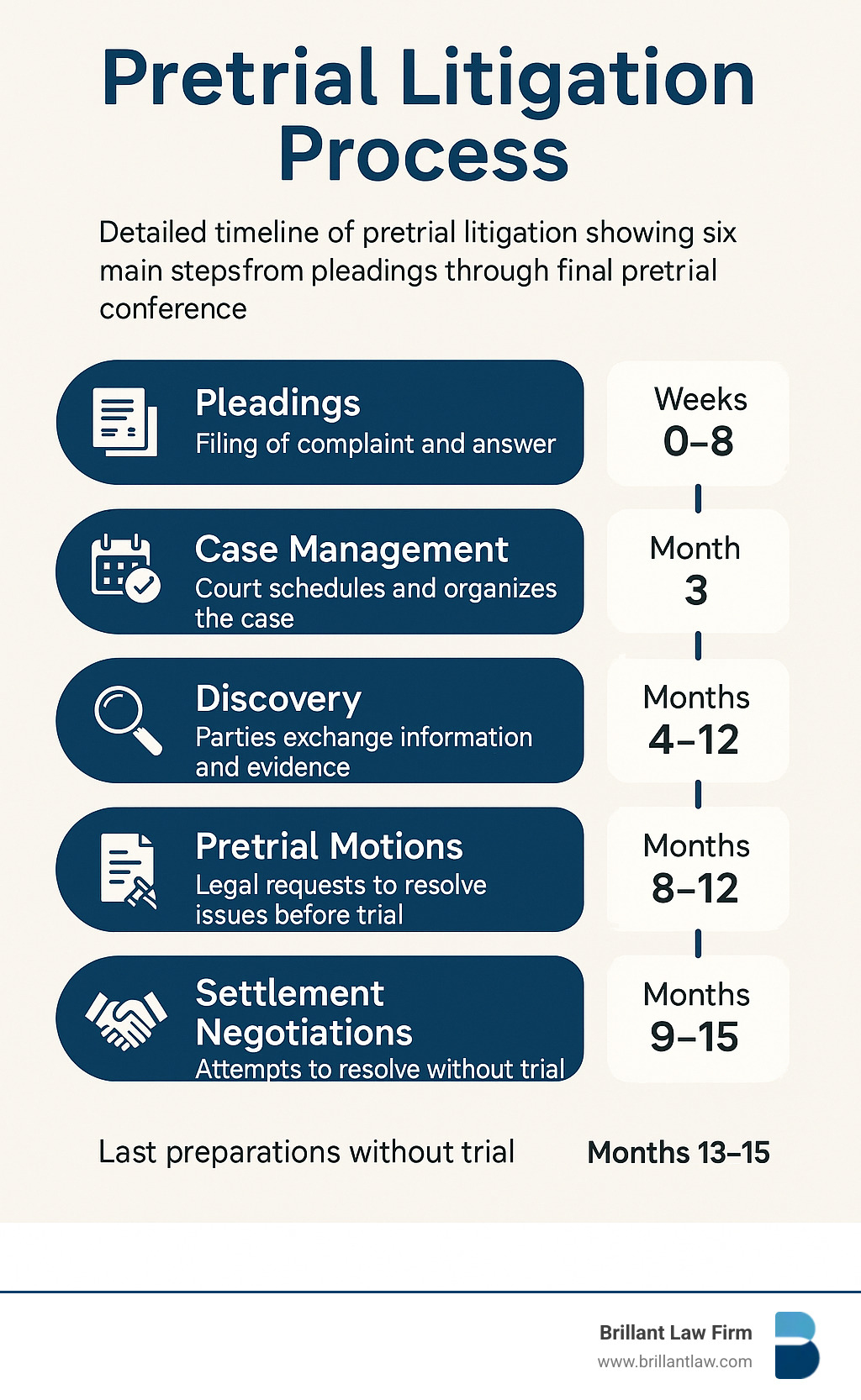
At the heart of any pre-trial phase is discovery—the exchange of information between parties. In the digital age, this has evolved into “E-Discovery,” a massive technological undertaking that involves identifying, collecting, and producing electronically stored information (ESI).
Streamlining Document Review with Technology-Assisted Review (TAR)
Traditionally, junior associates would spend thousands of hours manually reading emails and documents to determine relevance. Today, Technology-Assisted Review (TAR) uses machine learning algorithms to prioritize and categorize documents. By “training” the software on a small subset of data, legal teams can apply those parameters to millions of files instantly. This use of AI not only accelerates the pre-trial timeline but also significantly reduces human error, ensuring that “smoking gun” evidence isn’t buried under a mountain of digital noise.
Managing Big Data in Complex Litigation
Modern lawsuits often involve terabytes of data, ranging from Slack messages and WhatsApp threads to GPS logs and IoT (Internet of Things) sensor data. Advanced E-Discovery platforms act as centralized hubs that can ingest these disparate data formats. These tools use metadata extraction to map out timelines of events automatically. For tech-savvy legal teams, the pre-trial phase is now about data visualization—turning raw spreadsheets into interactive charts that tell a story of who knew what, and when.
Predictive Analytics and Risk Assessment Tools
One of the most significant technological shifts in the pre-trial phase is the move from reactive preparation to predictive strategy. Legal tech startups are now providing tools that allow firms to “moneyball” their litigation strategy.
Using AI to Predict Judicial Outcomes
Legal analytics platforms, such as Lex Machina or Westlaw’s Precision, analyze millions of past court rulings to provide insights into a specific judge’s tendencies. During the pre-trial motion phase, tech tools can calculate the statistical likelihood of a motion to dismiss being granted based on the specific jurisdiction and the judge’s history. This data-driven approach allows counsel to advise clients more accurately on whether to settle or proceed to trial, shifting the pre-trial phase from a series of guesses to a calculated risk management exercise.
Behavioral Analysis in Jury Selection Software
Even before a trial begins, the pre-trial phase involves “voir dire” preparation. Modern tech tools now scrape public social media data and professional history to build profiles of potential jurors. Sentiment analysis AI can predict how certain demographics might react to specific arguments. While controversial, this intersection of big data and psychology has become a staple for high-stakes litigation, allowing legal teams to simulate various “what-if” scenarios before the first opening statement is made.
Virtual Pre-Trial Hearings and Digital Collaboration
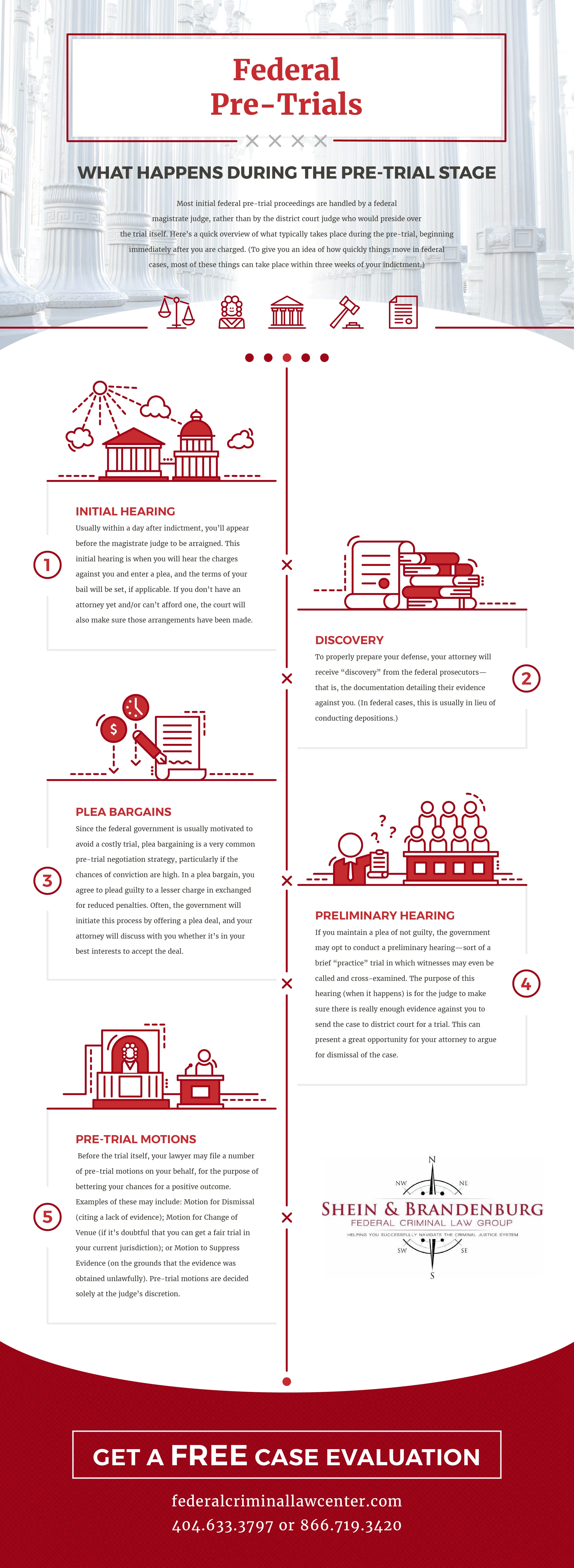
The global shift toward remote work has solidified the role of virtual proceedings in the legal system. The pre-trial phase, which consists largely of administrative hearings and depositions, has been the primary beneficiary of this digital migration.
The Shift to Remote Depositions and Proceedings
Teleconferencing software specifically designed for the legal industry has replaced the need for expensive travel. These platforms offer integrated features like digital exhibit sharing, real-time transcription, and secure “breakout rooms” for private counsel-client consultations. By conducting depositions virtually, tech-forward firms can record and index testimony with searchable timestamps, making it easier to pull clips for use during motions or trial.
Cloud-Based Collaboration for Multi-Jurisdictional Teams
Large-scale litigation often involves experts and attorneys spread across the globe. Cloud-based case management software (such as Clio or Relativity) serves as a “single source of truth.” During the pre-trial phase, these platforms allow for real-time collaboration on briefs, automated task tracking, and secure document versioning. The ability to access a case file from a secure mobile app ensures that the pre-trial process remains fluid and responsive, regardless of the physical location of the legal team.
Digital Forensics and Evidence Preservation
As more of our lives are lived online, the pre-trial phase has become increasingly focused on digital forensics—the “CSI” of the software world.
Recovering Deleted Data and Metadata Analysis
In many pre-trial disputes, the key piece of evidence is something that someone tried to hide. Digital forensic tools allow experts to recover deleted files, analyze “shadow copies” of databases, and examine metadata to prove when a document was actually created or modified. This level of technical scrutiny ensures that the integrity of the discovery process is maintained. In the tech niche, “pre-trial” often means a deep-dive audit of a company’s server architecture to ensure no data spoliation has occurred.
Ensuring Chain of Custody in a Digital World
Blockchain technology is beginning to find its way into the pre-trial phase as a method of ensuring the chain of custody for digital evidence. By creating a cryptographic hash of a file at the moment it is collected, tech tools can prove in court that the evidence has not been altered or tampered with. This “digital fingerprinting” is essential in an era of deepfakes and sophisticated cyber-tampering, providing a layer of trust that traditional paper logs simply cannot match.
Cybersecurity and Data Privacy in the Pre-Trial Stage
With the exchange of sensitive corporate secrets and personal information during discovery, the pre-trial phase is a high-risk period for data breaches. Consequently, digital security has become a cornerstone of legal technology.
Protecting Privileged Communication with Encryption
The attorney-client privilege is the bedrock of legal practice, but it is under constant threat from cyber-espionage. Modern legal tech incorporates end-to-end encryption for all pre-trial communications. Secure portals have replaced email for the exchange of sensitive documents, ensuring that even if a firm’s primary server is compromised, the specific case data remains encrypted and inaccessible to unauthorized parties.
Compliance with Global Data Privacy Regulations
In international litigation, the pre-trial phase must navigate a complex web of data privacy laws like the GDPR (General Data Protection Regulation) or CCPA (California Consumer Privacy Act). Tech tools now include “privacy-by-design” features that automatically redact PII (Personally Identifiable Information) from discovery sets. This automation is crucial; without it, the manual labor required to comply with privacy laws during a 10-million-document discovery phase would be financially ruinous.

Conclusion: The Tech-Enabled Future of Litigation
What happens in the pre-trial phase is no longer just a legal ritual; it is a sophisticated technological process. The integration of AI, big data, and secure cloud computing has turned the pre-trial period into a phase of intense optimization. While the law remains a human-centric profession, the tools used to navigate it are increasingly digital.
For law firms and corporate legal departments, staying competitive means embracing these tech trends. The ability to harness E-Discovery software, utilize predictive analytics, and maintain rigorous digital security isn’t just a “bonus” anymore—it is the standard for modern litigation. As we look toward the future, the pre-trial phase will continue to be the primary laboratory where new legal technologies are tested, refined, and eventually codified into the very fabric of the justice system.
aViewFromTheCave is a participant in the Amazon Services LLC Associates Program, an affiliate advertising program designed to provide a means for sites to earn advertising fees by advertising and linking to Amazon.com. Amazon, the Amazon logo, AmazonSupply, and the AmazonSupply logo are trademarks of Amazon.com, Inc. or its affiliates. As an Amazon Associate we earn affiliate commissions from qualifying purchases.