
In the world of corporate identity and brand strategy, “legacy” is often viewed as the ultimate goal. However, William Shakespeare’s Romeo and Juliet, specifically its concluding Act 5, serves as a masterclass in how rigid brand positioning, failed internal communications, and a lack of crisis management can lead to the total liquidation of even the most established “corporate” houses.
When we analyze Act 5 through the lens of brand strategy, we see more than just a tragic romance; we see the collapse of two competing market leaders—the House of Capulet and the House of Montague. These were not just families; they were brands defined by their history, their visual markers, and their adversarial market share in Verona. Act 5 is the final report on their bankruptcy.
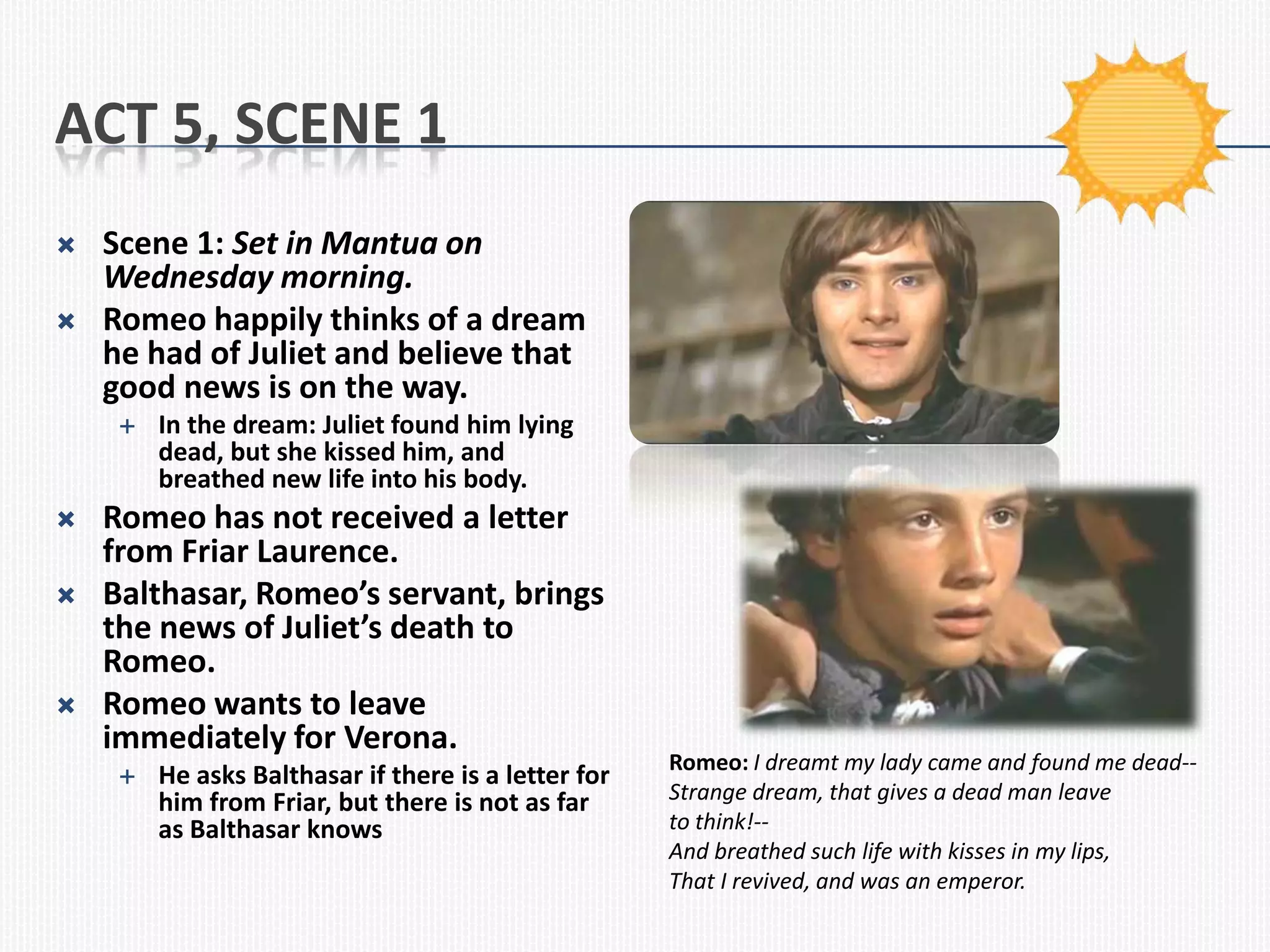
The Failure of Legacy Positioning: The Montague and Capulet Identity Crisis
The conflict in Romeo and Juliet is rooted in brand identity. “Montague” and “Capulet” are high-equity names that carry centuries of baggage. By Act 5, these brands have become so bloated by their own historical narrative that they have lost sight of their current operational reality.
Brand Equity Built on Conflict
For the Capulets and Montagues, their brand equity was built on a “differentiator” of mutual exclusion. To be a Capulet was defined primarily by not being a Montague. In modern branding, this is known as adversarial positioning. While this can create a fiercely loyal customer base (or in this case, kinsmen and servants), it creates a dangerous “us vs. them” silo.
By the time we reach the final act, the “Ancient Grudge” has become a toxic brand asset. The leadership of both houses—the CEOs, if you will—have failed to evolve their brand values. They are operating on a legacy model that requires constant conflict to maintain relevance. In Act 5, this lack of evolution leads to a systemic failure where the brand’s survival is prioritized over the safety of its most valuable stakeholders: the heirs.
The Cost of Inflexible Brand Standards
A brand that cannot adapt to changing market conditions—or in this case, changing social dynamics—is destined for obsolescence. Lord Capulet’s insistence on Juliet’s marriage to Paris in the preceding acts was an attempt at a “strategic merger” to bolster the Capulet brand’s standing with the Prince’s “government” sector.
However, this was a forced acquisition. Juliet, as a primary stakeholder, was never consulted. By Act 5, the brand’s rigidity has forced its most promising “talent” to go “underground.” The tomb in Act 5 represents the ultimate end of an inflexible brand: a dark, static space where growth is impossible. When a brand refuses to listen to the needs of its internal audience, it risks a total loss of future viability.
Communication Breakdowns and the Erasure of the Value Proposition
In brand management, the internal narrative must align with the external reality. Act 5 is defined by a catastrophic failure in the information supply chain. This is a classic case of a “broken link” in the brand’s communication strategy, where the message sent is not the message received.
Internal vs. External Communication Silos
The primary catalyst for the tragedy in Act 5 is the failure of the message from Friar Laurence to reach Romeo in Mantua. In branding terms, this is a failure of internal communication. Friar Laurence acted as a consultant, attempting to bridge the gap between two competing brands through a secret partnership.
The value proposition—a peaceful Verona through the union of the two houses—was solid. However, the delivery mechanism was flawed. Because the “merger” (the marriage) was kept secret, the brands continued to operate as enemies. Romeo, operating on incomplete data (the news of Juliet’s “death” from Balthasar), makes a catastrophic decision based on a false brand narrative. This highlights a vital lesson for modern organizations: if your internal stakeholders are not aligned with the true mission, the external brand will inevitably suffer.
The Friar Laurence Effect: Third-Party Agency Failures
Friar Laurence represents an outside agency hired to manage a sensitive rebranding project. His strategy was high-risk, high-reward. He sought to use a “disruptive” tactic—simulated death—to bypass the existing market barriers (the family feud).

However, Laurence failed to account for “market volatility”—the plague that prevented Friar John from delivering the crucial message. In branding, relying on a single point of failure in your communication strategy is a recipe for disaster. When the agency (the Friars) failed to deliver the “creative brief” to the key stakeholder (Romeo), the entire campaign collapsed. The lack of a contingency plan or a “Plan B” is what transformed a strategic pivot into a total brand erasure.
Crisis Management in the Tomb: When Strategy Meets Catastrophe
Act 5, Scene 3, takes place within the Capulet monument. This setting is symbolic of the “sunk cost fallacy” in business. Both families have invested so much in their feud that they are literally surrounded by the “dead assets” of their past.
The Final Pivot: A Miscalculation of Timing
In brand strategy, timing is everything. A product launch or a rebranding effort that is even slightly off-kilter can fail. Romeo’s arrival at the tomb is a desperate attempt at a “final pivot.” He believes he is closing the account on his life because he perceives the Montague brand’s future as non-existent without its counterpart.
When Romeo consumes the apothecary’s poison, he is performing the ultimate “hostile takeover” of his own narrative. Moments later, Juliet wakes up. This “market lag”—the few minutes between Romeo’s death and Juliet’s awakening—is the most expensive interval in literary history. It serves as a stark reminder that in any high-stakes brand environment, real-time data and synchronized action are the only things that prevent total collapse.
The Death of the Heir: Total Loss of Future Market Value
The deaths of Romeo and Juliet in Act 5 represent the total loss of the “future value” of both brands. In corporate terms, the heirs are the R&D (Research and Development) departments. They represent the potential for innovation, new markets, and a life beyond the current “legacy” cycle.
When the Prince arrives at the tomb and surveys the carnage, he sees the “liquidation” of Verona’s future. The Capulets and Montagues have effectively destroyed their own succession plans. A brand that destroys its future to protect its past is no longer a business; it is a monument. The visual of the two dead lovers is a powerful image of “brand suicide,” where the pursuit of ego and historical narrative overrides the basic instinct for survival.
Rebranding Through Sacrifice: The Prince’s Final Audit
The conclusion of Act 5 is not just an ending; it is a forced rebranding. The Prince, acting as a regulatory body or a government auditor, delivers the final verdict: “All are punished.” This is the moment where the brands are forced to face their “externalities”—the costs they have imposed on society through their private conflict.
Competitive Cooperation and the “Glooming Peace”
The final moments of the play see Lord Capulet and Lord Montague shaking hands. This is a “joint venture” born out of necessity rather than desire. They promise to build statues of each other’s children in pure gold.
In the world of branding, this is a transition from an adversarial model to a “co-opetition” model. They are no longer competing for market share in the streets; they are cooperating to preserve what remains of their reputations. However, this rebranding is hollow. The “glooming peace” the Prince describes is a low-growth, high-regret market environment. The brands have survived, but their “core product”—the vitality of their families—is gone.

Lessons for Modern Corporate Identity
The “Act 5” of any modern brand is usually its moment of greatest crisis. Whether it is a PR scandal, a failed merger, or a technological disruption, the lessons from Romeo and Juliet remain relevant:
- Transparency is Key: Had the “partnership” between Romeo and Juliet been transparent, the communication failures of Act 5 would have been mitigated. Brands must be honest with their stakeholders.
- Agility Over Ego: The rigid “brand standards” of the Capulets and Montagues prevented them from seeing a path to peace that didn’t involve tragedy.
- Communication Integrity: Your message is only as good as its delivery. Ensure that your critical data reaches the right people at the right time.
- Succession Planning: Never sacrifice your future (the next generation/innovation) to satisfy a grudge or a legacy strategy from the past.
Ultimately, Act 5 of Romeo and Juliet shows us that a brand name—no matter how powerful—is a liability if it is built on a foundation of conflict rather than value. “What’s in a name?” Shakespeare asked. By the end of Act 5, the answer is clear: without a sustainable strategy and clear communication, a name is simply a headstone. The Montagues and Capulets finally found peace, but only after their “brands” had become completely irrelevant to the living world.
aViewFromTheCave is a participant in the Amazon Services LLC Associates Program, an affiliate advertising program designed to provide a means for sites to earn advertising fees by advertising and linking to Amazon.com. Amazon, the Amazon logo, AmazonSupply, and the AmazonSupply logo are trademarks of Amazon.com, Inc. or its affiliates. As an Amazon Associate we earn affiliate commissions from qualifying purchases.