
In the world of consumer packaged goods (CPG), few things are as paradoxically marketed as bottled water. We see images of ancient glaciers, untouched springs, and water that has been filtered through volcanic rock for millennia. Yet, when you turn the bottle around, there is often a stamped date suggesting the product will “expire” within two years. To the average consumer, the question is: What happens if you drink expired water? To a brand strategist, the question is far more complex: What happens to a brand’s promise when its product comes with a self-imposed shelf life?
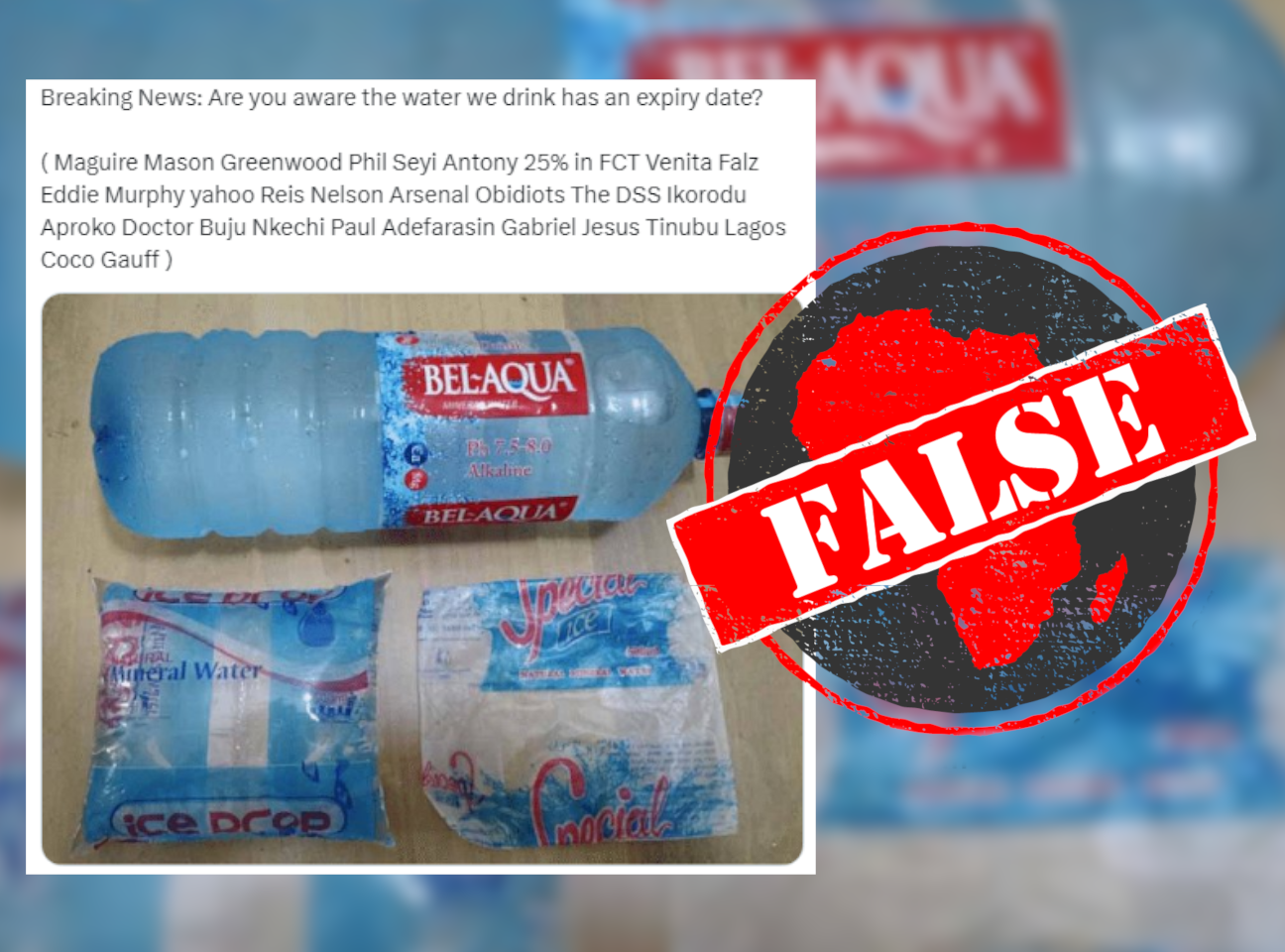
The expiration date on a water bottle is rarely about the water itself—which, in a vacuum, does not spoil—but rather about the integrity of the packaging, the logistical requirements of the supply chain, and the maintenance of a brand’s “premium” identity. For companies like Evian, Fiji, or even disruptors like Liquid Death, the expiration date is a critical touchpoint in brand strategy, safety signaling, and corporate identity.
1. The Illusion of Freshness: The Branding of Expiry
The concept of an expiration date on water is a fascinating case study in how legal mandates and marketing psychology intersect. For decades, many consumers assumed that water could “go bad,” primarily because the branding told them so. However, the origin of these dates has more to do with bureaucracy than biology.
The Legal Origin of the Date Stamp
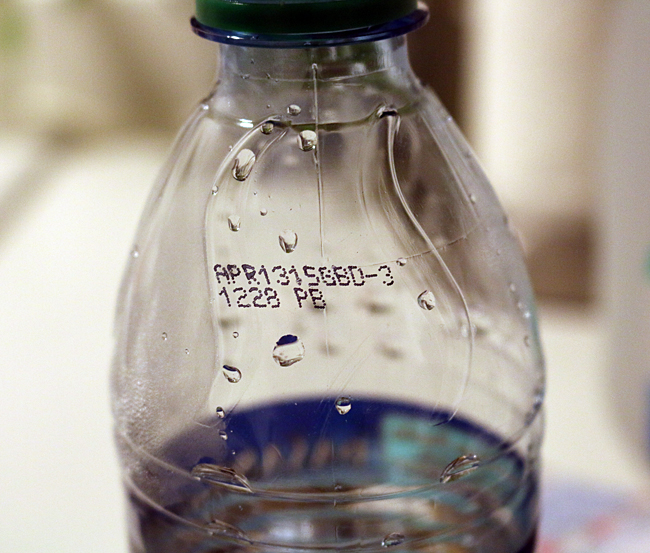
In the late 1980s, the state of New Jersey passed a law requiring all food products—including bottled water—to display an expiration date of two years or less from the date of manufacture. Because it was logistically inefficient for national brands to create separate labels specifically for New Jersey, they simply began printing two-year expiration dates on every bottle produced in the United States.
Even after the law was changed, the practice stuck. From a brand strategy perspective, the date stamp became a “trust signal.” Consumers have been conditioned to look for dates as a measure of quality. By keeping the date, brands subtly reinforce the idea that their water is “freshly” bottled, even if the liquid inside is technically thousands of years old.
Shelf Life as a Marketing Mechanism
In the competitive landscape of beverage marketing, “freshness” is a powerful differentiator. When a brand like SmartWater or Icelandic Glacial places an expiration date on a bottle, they are managing consumer expectations. The date functions as a guarantee of the sensory experience. If a consumer drinks a bottle of water that has sat in a hot warehouse for three years, they may notice a “plastic” taste. This doesn’t necessarily make the water toxic, but it does violate the brand’s promise of “purity.” By setting an expiration date, the brand effectively says, “We only guarantee our premium taste profile until this date.”
2. Materiality and Brand Perception: When the Packaging Fails the Product
In branding, the medium is often the message. For bottled water, the “medium” is the plastic—specifically Polyethylene Terephthalate (PET). The reason water is said to “expire” is almost entirely due to the leaching of chemicals from the plastic into the water over time. For a brand, this is an existential threat.
Chemical Leaching and the Devaluation of Luxury
High-end water brands like Voss or San Pellegrino trade on the idea of “source integrity.” They sell the story of a specific geographical location. However, if a bottle of water exceeds its shelf life, the porous nature of plastic can allow outside odors (like gasoline fumes in a storage room) or internal chemicals (like antimony or phthalates) to migrate into the liquid.
When a consumer tastes “plastic” in their premium water, the brand equity evaporates instantly. The “luxury” identity is replaced by a “commodity” reality. This is why brand managers are obsessed with “First-In, First-Out” (FIFO) inventory management. The expiration date serves as a logistical tool to ensure that the product on the shelf always reflects the brand’s highest quality standards.
The Aesthetic of “Pure” in a Plastic World
Corporate identity in the water industry is built on the visual of clarity. A yellowing bottle or a dusty, “old” looking label communicates neglect. When a brand allows “expired” water to remain on shelves, they are signaling a lack of control over their supply chain. In the digital age, where a single viral photo of a degraded bottle can spark a “micro-crisis” on social media, maintaining the physical perfection of the packaging is as important as the water itself. The expiration date acts as a self-destruct mechanism that protects the brand from appearing stale or outdated.
3. Strategic Risk Management: The Cost of a Tainted Reputation
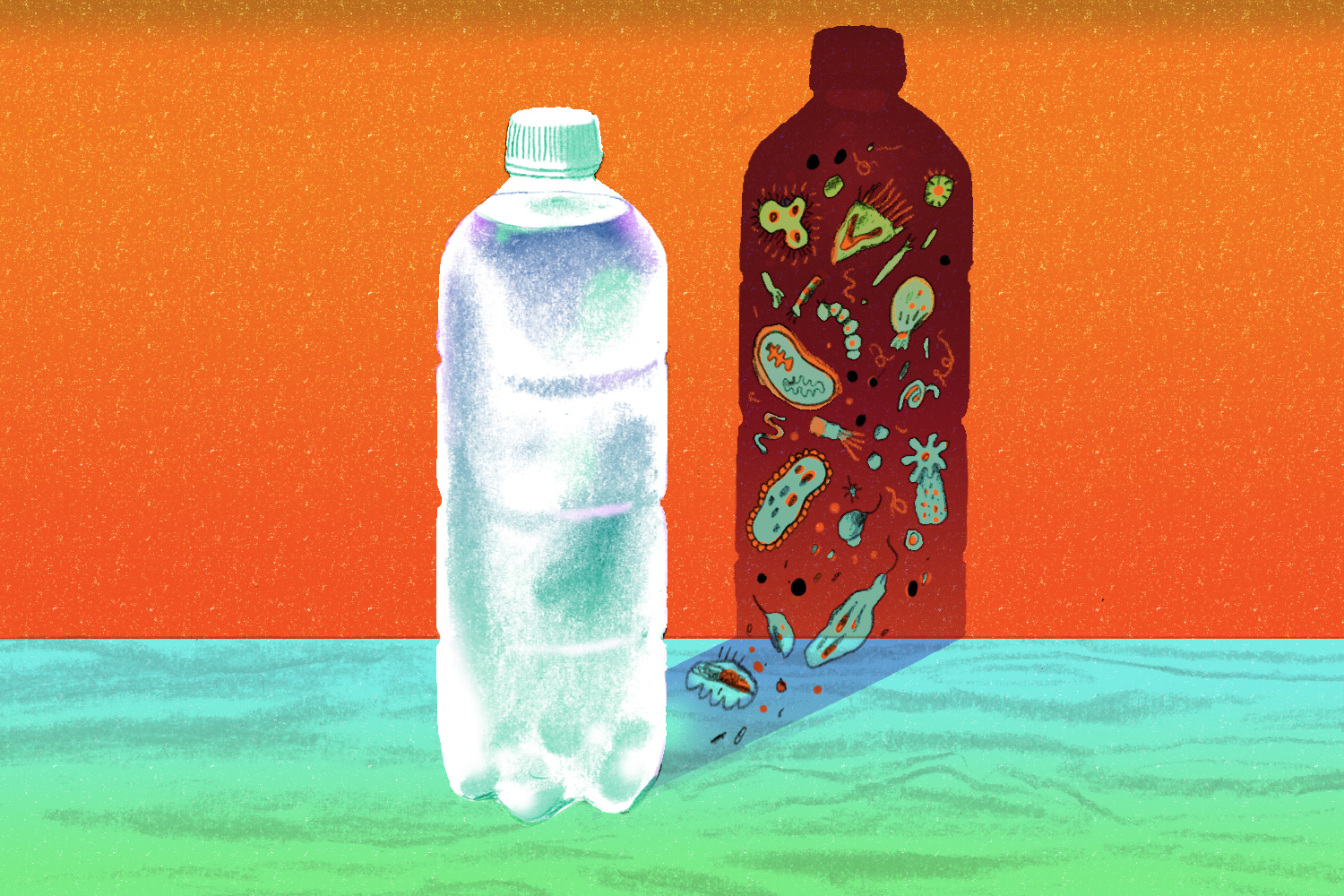
For a global brand, the financial implications of a product quality issue are staggering. Drinking “expired” water that has leached chemicals might not cause immediate illness, but it can lead to long-term brand erosion and legal liability.
Lessons from Product Recalls
History is littered with beverage brands that failed to manage their product’s lifecycle. While water is generally low-risk, any deviation from the “pure” promise can lead to massive recalls. If a brand ignores the degradation of its packaging (the “expiration”), they risk consumer advocacy groups performing independent testing and finding elevated levels of microplastics or chemicals.
From a brand strategy standpoint, it is much cheaper to rotate stock based on an arbitrary two-year date than it is to manage a national PR crisis regarding chemical contamination. The expiration date is, in essence, a form of “reputational insurance.” It allows the brand to legally disclaim the quality of the product after a certain point, shifting the responsibility of proper storage and timely consumption onto the retailer and the consumer.
Maintaining the “Source” Story
Many premium water brands invest millions in marketing their specific source—be it a spring in the French Alps or an artesian well in Fiji. This “origin story” is the backbone of their corporate identity. If water “expires” and loses its characteristic mineral profile or develops an off-flavor, the connection to the source is broken.
Strategic brand management requires protecting this narrative at all costs. If the water doesn’t taste like it came from the Alps, it doesn’t matter what the label says; the brand is lying to the consumer. Therefore, the expiration date serves to protect the “sanctity” of the source story by ensuring the product is consumed while its flavor profile is still intact.
4. The Sustainability Pivot: Redefining Branding for the Next Decade
As we move into an era of heightened environmental consciousness, the “expiration date” on water is becoming a point of friction for brands. Consumers are increasingly critical of the “use by” culture that leads to unnecessary waste. This has forced brands to rethink their identity and their approach to product longevity.
From Disposable to Durable
We are seeing a shift in how brands communicate “freshness.” Some brands are moving toward aluminum cans (like Liquid Death) or glass bottles, which have significantly longer shelf lives and do not leach chemicals in the same way PET plastic does. By changing the packaging, these brands can extend their “expiration” dates, which serves as a powerful marketing claim. It tells the consumer: “Our product is so high-quality, and our packaging so robust, that it doesn’t ‘expire’ like the cheap stuff.”
This is a brilliant branding move. It turns a logistical limitation (plastic degradation) into a competitive advantage (packaging durability). Brands that can honestly claim a longer shelf life without sacrificing purity are winning the “trust war” in the CPG space.
The Rise of Transparency as a Brand Pillar
Modern brand strategy is moving away from “command and control” marketing and toward radical transparency. Instead of just printing a date, some brands are now using QR codes to show consumers exactly when the water was bottled, the results of the latest purity tests, and the expected “peak quality” window.
This level of detail transforms the expiration date from a mysterious warning into a data-driven service. It builds a different kind of brand loyalty—one based on honesty rather than fear. When a brand is brave enough to explain why a date exists (to protect flavor, not because the water is “poisonous”), they build a more sophisticated relationship with their audience.
Conclusion: The Brand is the Seal of Quality
What happens if you drink expired water? Physically, likely very little. But brand-wise, everything changes. The expiration date on a water bottle is a testament to the fragility of brand trust. It is a tool used by corporations to navigate the complex waters of legal requirements, chemical realities, and consumer psychology.
For the modern brand manager, the “expired” water bottle is a reminder that a product is more than just its contents; it is the sum of its packaging, its promises, and its presence on the shelf. In an industry where the product is essentially free (as tap water), the “brand” is the only thing the consumer is truly paying for. Protecting that brand means ensuring that every sip—from the day of bottling to the day of expiry—is as “pure” as the marketing suggests. The date on the bottle isn’t just a deadline for the water; it’s a deadline for the brand’s integrity.
aViewFromTheCave is a participant in the Amazon Services LLC Associates Program, an affiliate advertising program designed to provide a means for sites to earn advertising fees by advertising and linking to Amazon.com. Amazon, the Amazon logo, AmazonSupply, and the AmazonSupply logo are trademarks of Amazon.com, Inc. or its affiliates. As an Amazon Associate we earn affiliate commissions from qualifying purchases.