
In the modern landscape of professional sports, an athlete’s value is no longer measured solely by their performance on the field. While yards, touchdowns, and catches remain the foundational currency, the digital age has ushered in the era of the “Personal Brand.” One of the most fascinating case studies in recent years is Nathaniel “Tank” Dell. The Houston Texans wide receiver transitioned from a third-round draft pick to a household name in a matter of months. However, when news broke regarding his off-season injury and a traumatic incident involving a shooting in Florida, the narrative shifted from “What is he doing?” to “What happened to Tank Dell?”
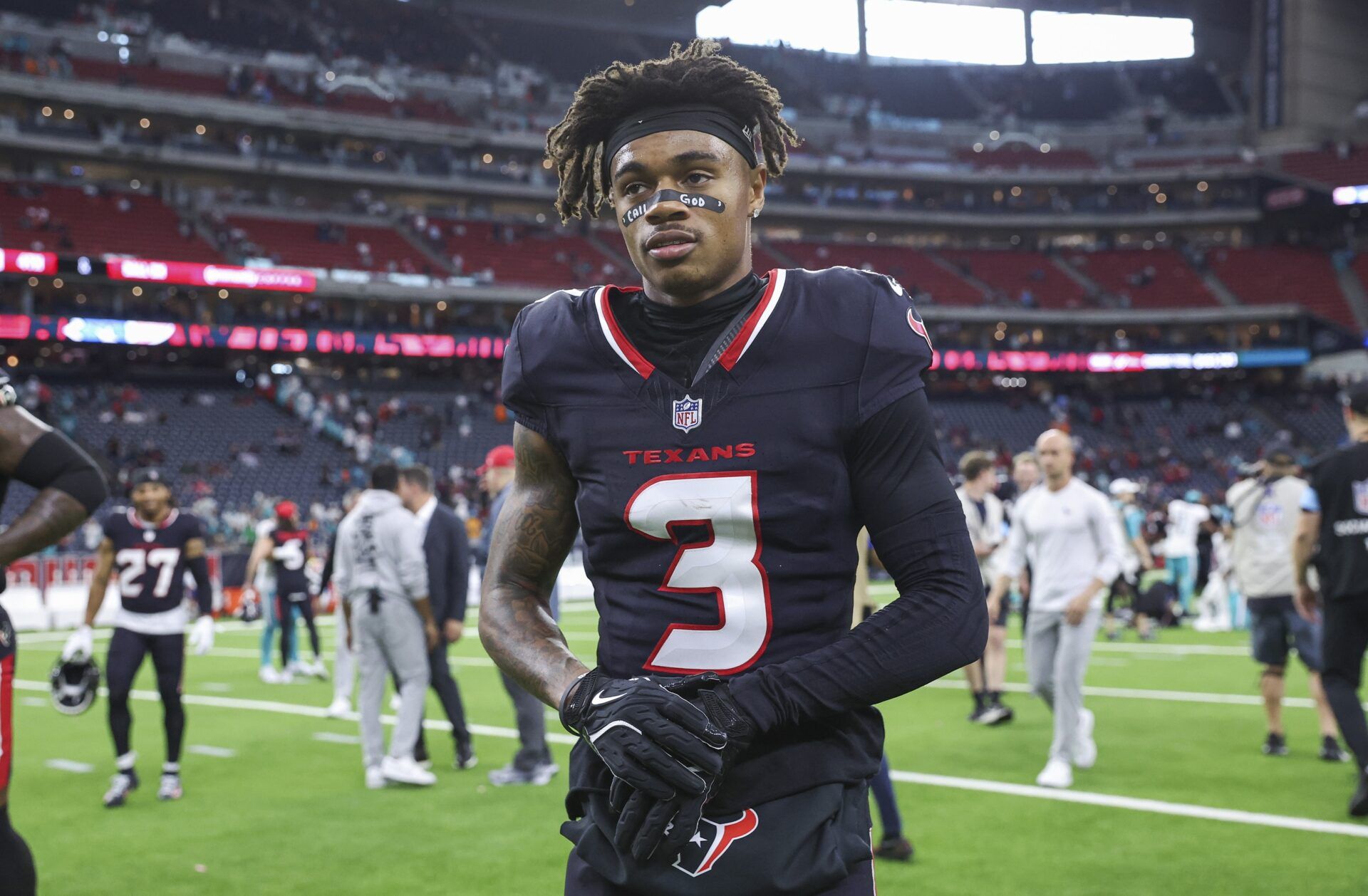
From a brand strategy perspective, the story of Tank Dell is not just one of athletic recovery; it is a masterclass in maintaining brand equity during a crisis, the importance of narrative control, and the strategic positioning of an “underdog” persona in a competitive marketplace.
1. The Genesis of the “Tank” Brand: Leveraging the Underdog Narrative
Every successful brand needs a compelling origin story. For Tank Dell, that story is built on the foundation of defying expectations. Standing at 5’8″ and weighing roughly 165 pounds, Dell entered the NFL with a significant “brand deficit” regarding his physical profile. In a league that historically values size and strength, Dell’s brand had to be built on something else: speed, precision, and an unshakeable work ethic.
The Power of Naming and Identity
In branding, a name is everything. “Tank” is a paradoxical nickname for someone of his stature. Originally given to him by his mother because his head was “too big for his body,” the name has been repurposed as a symbol of durability and power. This ironic branding creates a memorable “sticky” factor for fans and analysts. When a brand name contradicts the visual expectation, it creates curiosity, which is the first step in consumer engagement.
Positioning Against Industry Standards
Tank Dell’s brand positioning is a classic “disruptor” strategy. Much like how a small tech startup might disrupt a legacy industry, Dell used his perceived weaknesses—his size—as his greatest market differentiator. By excelling in a “big man’s game,” he carved out a niche as a high-value asset that opponents could not easily replicate. This established a brand identity rooted in the concept of the “giant killer,” making him an attractive figure for sponsorship deals that focus on overcoming obstacles and punching above one’s weight class.
2. Brand Crisis Management: Navigating Uncertainty and Injury
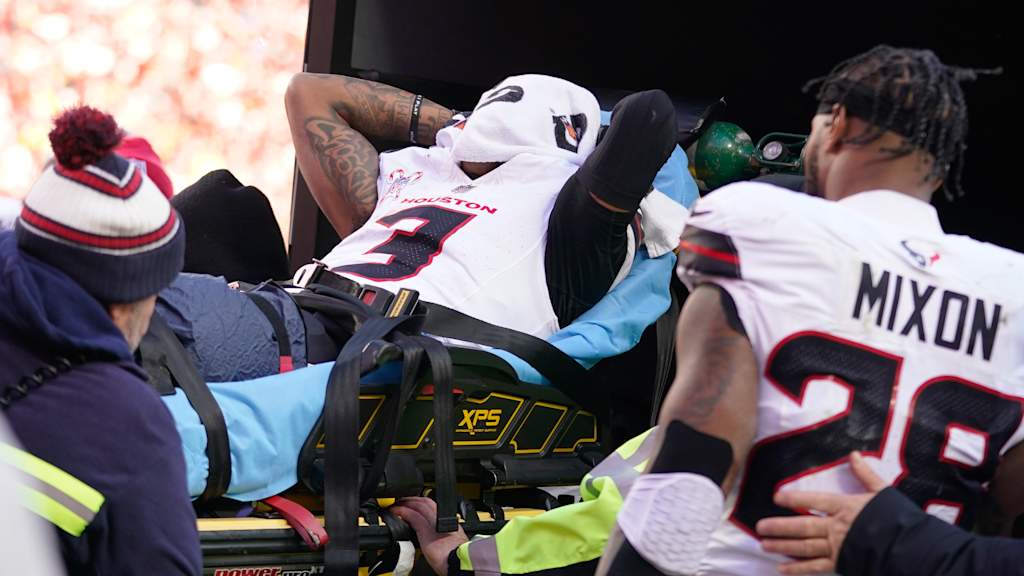
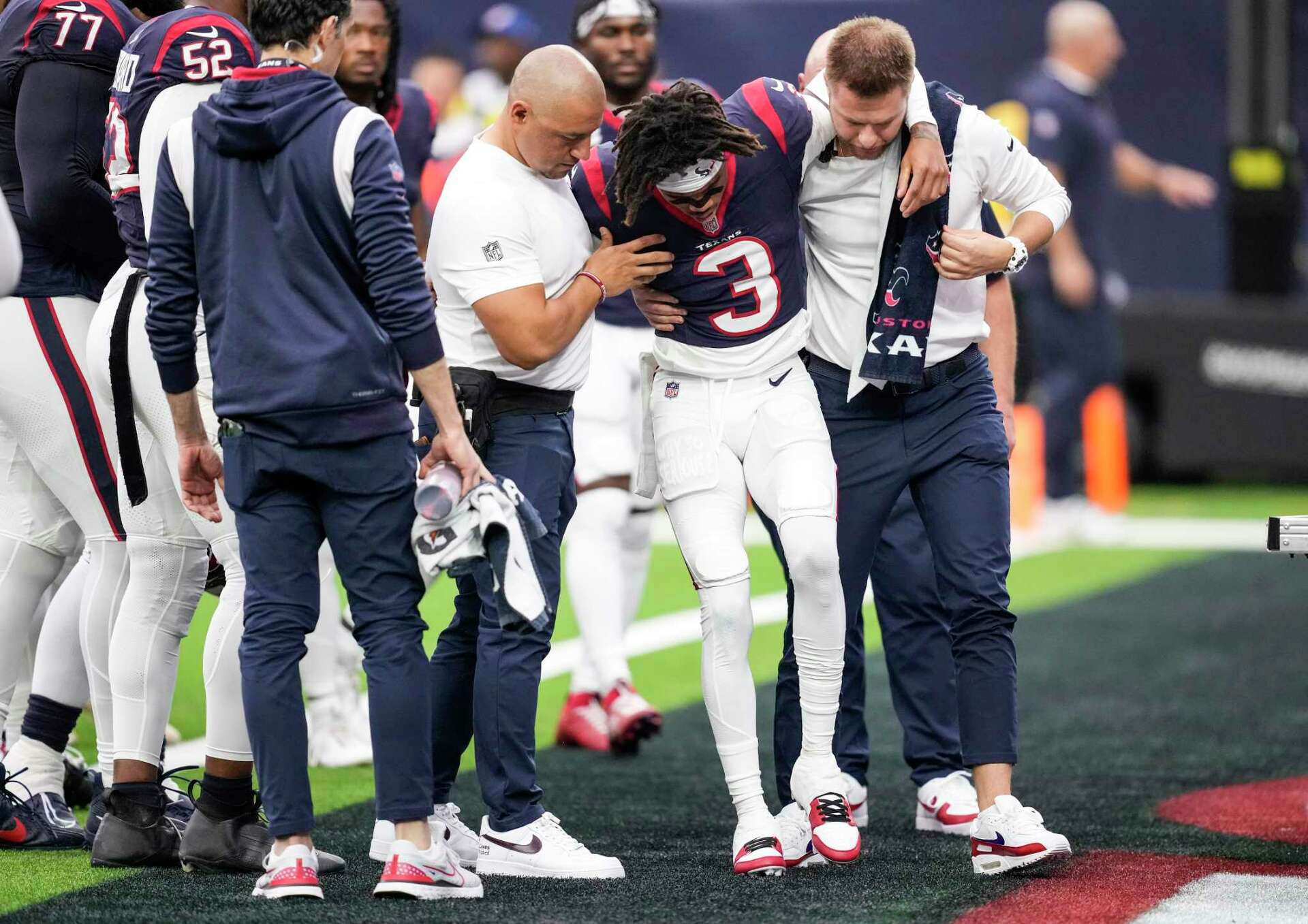
In April 2024, the Tank Dell brand faced its most significant challenge. While at a nightclub in Florida, Dell was caught in the crossfire of a shooting, sustaining a flesh wound. This followed a season-ending leg injury late in 2023. For a rising star, a physical injury is a product defect; a public incident involving violence is a brand crisis.
Controlling the Narrative
When a brand faces a crisis, the speed and transparency of communication determine its survival. The Houston Texans and Dell’s management team acted with surgical precision. By quickly clarifying that he was an innocent bystander and emphasizing his commitment to recovery, they prevented the “off-field issues” label from sticking to his brand. In brand strategy, this is known as “reframing.” They shifted the conversation from the incident itself to his resilience in the face of adversity.
The Visual of Recovery
During his rehabilitation, Dell’s digital footprint was strategically managed. Instead of disappearing from the public eye, his brand utilized social media to showcase the “grind.” Behind-the-scenes footage of his training and recovery served as a “proof of concept” for his return. This maintained his market value for both the Texans and potential corporate partners, ensuring that stakeholders viewed him as an appreciating asset rather than a liability.
3. The Synergy of Personal and Corporate Branding: The Houston Connection
A personal brand does not exist in a vacuum; it is often tied to a larger corporate entity. For Tank Dell, that entity is the Houston Texans. The synergy between Dell’s personal brand and the Texans’ brand revitalization is a textbook example of co-branding excellence.
Alignment with the New Texans Identity
The Houston Texans underwent a massive rebrand in 2024, introducing new uniforms and a modernized logo. Tank Dell, alongside quarterback C.J. Stroud, became the face of this “New Houston.” His high-energy playstyle and youthful exuberance aligned perfectly with the team’s goal to attract a younger, more diverse demographic. When an individual brand aligns so closely with the corporate mission, the resulting “brand lift” benefits both parties.
Community Engagement as Brand Equity
Brand equity is built through emotional connections. Dell has leaned heavily into the Houston community, participating in local events and engaging with fans on a personal level. This “hyper-local” brand strategy builds a loyal customer base (fans) that will support the athlete even during down periods. In marketing terms, Dell is building “customer lifetime value” by ensuring he is seen as an integral part of the city’s culture, not just a transient employee of the team.
4. Digital Strategy and the Modern Fanbase: Authenticity in the Social Era
In the “Attention Economy,” an athlete’s ability to engage followers on Instagram, TikTok, and X (formerly Twitter) is a critical component of their overall brand valuation. Tank Dell’s digital strategy focuses on one key element: authenticity.
The “All-Access” Approach
Modern fans—particularly Gen Z and Millennials—crave authenticity. They can spot a manufactured brand from a mile away. Dell’s social media presence balances professional highlights with glimpses into his personality. By showing his fashion sense, his interactions with teammates, and his genuine reactions to game-day events, he builds a brand that feels accessible. This “humanization” of the athlete brand is what allows for high engagement rates, which is a key metric for brands looking for endorsement partners.
Micro-Influencer Tactics on a Macro Stage
Despite his rising fame, Dell often engages with fans in a way that mimics micro-influencers—responding to comments, sharing fan art, and participating in viral trends. This creates a sense of “community” rather than “audience.” From a marketing perspective, a community is far more valuable than an audience because a community is active, while an audience is passive.
5. The Future Outlook: Scaling the “Tank” Brand Beyond the Gridiron
What happens next to Tank Dell is a matter of strategic scaling. For an athlete, the “playing years” are the acquisition phase of their brand. The goal is to build enough equity to sustain a career long after the cleats are hung up.
Diversification of Brand Assets
As Dell continues his NFL career, the next logical step in his brand strategy is diversification. This involves moving beyond traditional athletic endorsements (like Nike or Gatorade) and into lifestyle, tech, and financial sectors. By positioning himself as a “lifestyle icon” who happens to play football, he expands his reach to a non-sporting audience, thereby increasing his total addressable market (TAM).
Legacy Branding and Longevity
The ultimate goal of any personal brand is to achieve “legacy status.” This is the point where the brand name itself carries value regardless of current activity (think Michael Jordan or Tom Brady). For Tank Dell, the path to legacy branding involves consistent performance, a clean public record, and a continued commitment to the “Underdog/Resilience” narrative. If he can continue to overcome physical setbacks and maintain his high level of play, “Tank Dell” will become synonymous with the idea that size does not define potential—a brand message that is universally marketable.
Conclusion: The Resilience of the Tank Dell Brand
So, what happened to Tank Dell? The answer is a multifaceted success story of recovery and strategic brand management. Through a combination of organic storytelling, crisis management, and strategic alignment with his team, Tank Dell has transformed from a promising rookie into a resilient brand icon.
He serves as a reminder that in the modern world, your response to adversity is just as important as your initial success. By leaning into his unique identity and maintaining a transparent relationship with his audience, Dell has not only secured his place on the field but has also built a personal brand that is built to last. For marketers and brand strategists, the evolution of Tank Dell provides a clear blueprint: identify your niche, own your narrative, and never let a setback define your brand’s future.
aViewFromTheCave is a participant in the Amazon Services LLC Associates Program, an affiliate advertising program designed to provide a means for sites to earn advertising fees by advertising and linking to Amazon.com. Amazon, the Amazon logo, AmazonSupply, and the AmazonSupply logo are trademarks of Amazon.com, Inc. or its affiliates. As an Amazon Associate we earn affiliate commissions from qualifying purchases.