
In the landscape of modern storytelling and intellectual property (IP) management, few symbols carry as much weight as the Elven Rings of Power. While casual audiences may view them simply as artifacts of high fantasy, from a brand strategy perspective, the Three Rings—Vilya, Narya, and Nenya—represent a masterclass in narrative scarcity, premium positioning, and legacy management.
When we ask “what happened” to these rings, we are not just tracing a fictional timeline; we are analyzing the lifecycle of a brand that has survived for over seventy years. The trajectory of the Elven Rings provides profound insights into how high-value brand identities are constructed, how they are diluted through over-exposure, and how they are ultimately preserved to maintain long-term equity.
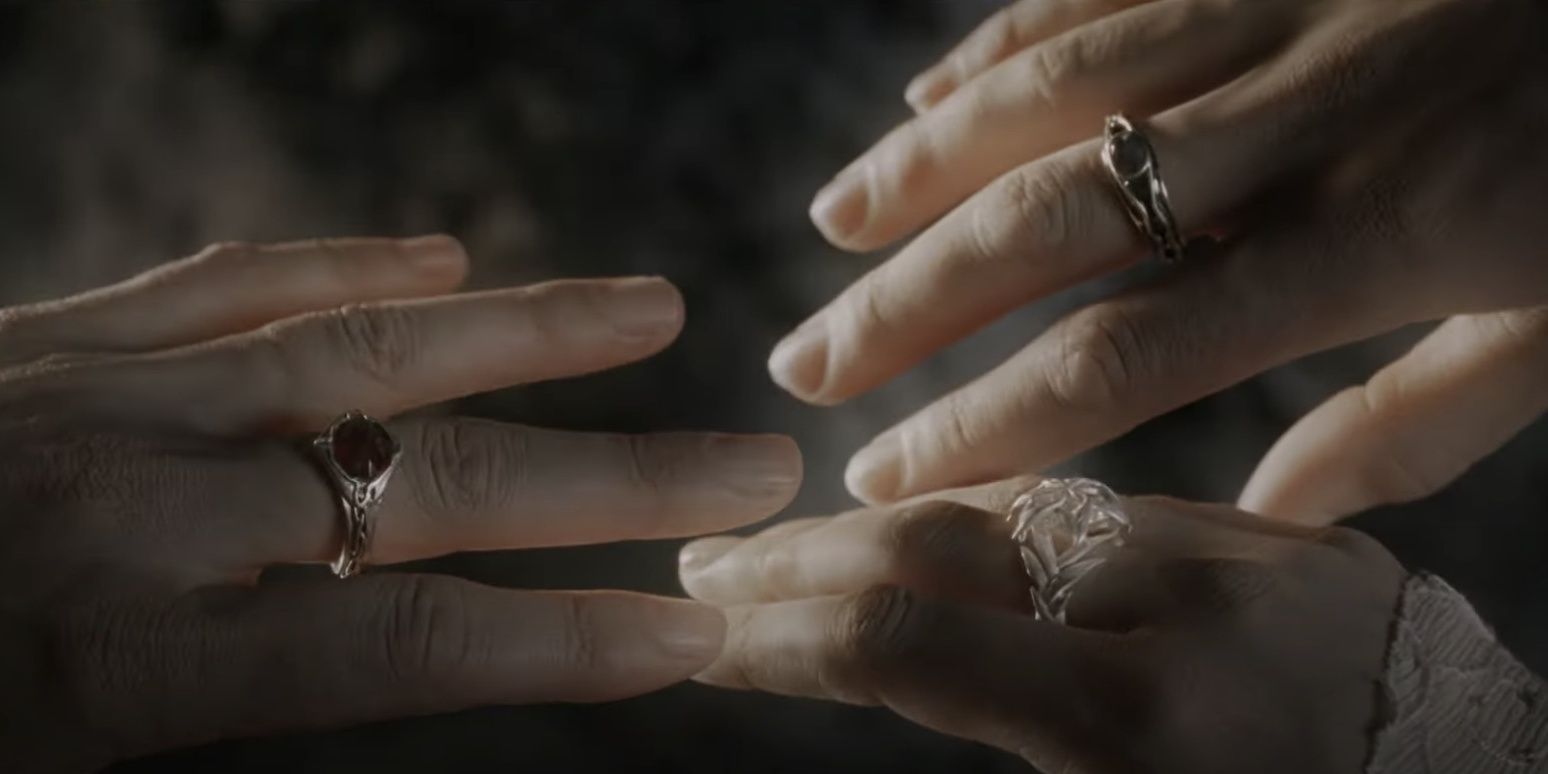
The Architecture of Exclusivity: Defining the Elven Brand Identity
The Elven Rings were never meant for the masses. Unlike the Seven for the Dwarf-lords or the Nine for Mortal Men, the Three were forged in secret by Celebrimbor, untouched by the “dark brand” of Sauron. In business terms, this represents the creation of a “private label” or an “exclusive tier” within a larger ecosystem.
Quality Over Quantity: The Three Rings as Premium Assets
The brand identity of the Elven Rings is rooted in the concept of preservation rather than conquest. While the other rings were marketed (deceptively) as tools for power and accumulation, the Three were designed to “ward off the decays of time.” This is a classic example of Value-Based Positioning.
In the corporate world, brands like Patek Philippe or Rolex utilize a similar strategy. They do not sell “timekeeping”; they sell the preservation of legacy and the defiance of aging. By limiting the number of rings to just three, the “brand” ensured that each asset held maximum significance. The scarcity wasn’t just a plot device—it was the foundational element of their prestige. When a brand limits its output, the perceived value of each unit skyrockets. The Elven Rings were the “Veblen goods” of Middle-earth: their desirability was intrinsically linked to their exclusivity and the high status of their “brand ambassadors” (Galadriel, Elrond, and Gandalf).
Hidden Power: The Marketing of Mystique
One of the most effective strategies in brand management is the “Invisible Brand” or “Stealth Wealth” approach. For the majority of the Second and Third Ages, the existence and locations of the Three Rings were closely guarded secrets. This created an aura of mystique that far outweighed the physical presence of the rings themselves.
From a marketing standpoint, this mirrors how luxury brands like Goyard or certain high-end consulting firms operate. They do not engage in loud, aggressive advertising. Instead, they rely on a “pull” strategy where the mystery of the product drives interest. By keeping the rings hidden, the Elven leaders prevented “brand fatigue” and protected the assets from competitors (Sauron). What happened to the rings during this period was a deliberate period of “brand hibernation,” where the value matured in silence, away from the volatility of the broader market.
Brand Erosion and the Challenge of IP Expansion
As we move into the modern era, the question of “what happened to the Elven Rings” takes on a meta-textual meaning. With the advent of multi-billion dollar adaptations, most notably Amazon’s The Rings of Power, the brand of the Elven Rings has entered a phase of aggressive expansion. This transition from a niche, literary “prestige brand” to a global “mass-market franchise” presents significant risks of brand erosion.
The Rings of Power Series: Rebranding the Legend for a New Era
When a brand decides to expand its reach, it must often “reboot” its origin story to appeal to a broader demographic. Amazon’s strategy with the Elven Rings has been to demystify their creation. By showing the literal forging process, the brand moves from “mythic and untouchable” to “tangible and explained.”
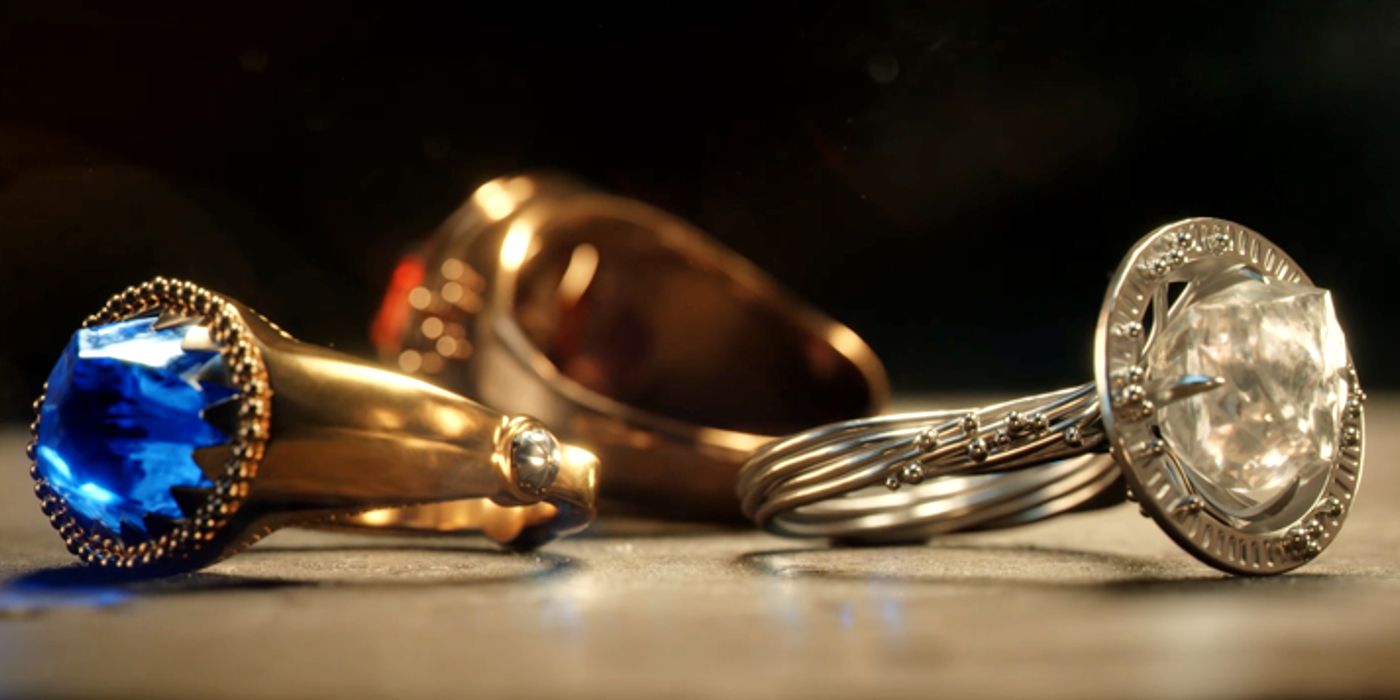
In brand strategy, this is known as Vertical Brand Extension. You take a high-end concept and make it accessible. However, the risk is that by explaining the “how” and “why” behind the product, you strip away the very mystique that made the brand valuable in the first place. For many long-term “consumers” of Tolkien’s lore, the detailed visualization of the rings’ creation felt like a dilution of the brand’s core identity—moving it away from high-concept art toward standardized blockbuster entertainment.
Strategic Consistency vs. Commercial Saturation
The challenge for any legacy brand is maintaining consistency across different platforms. The Elven Rings now exist in books, films, video games, and streaming series. Each iteration risks “brand drift,” where the original values of the asset are lost.
When we look at what is happening to the Elven Rings today, we see a battle between commercial saturation and narrative integrity. To maintain the “Elven Brand,” creators must resist the urge to over-commercialize. If every character in a spin-off series has a “ring of power,” the original Three lose their status as unique, high-value assets. This is a cautionary tale for any corporate entity: rapid expansion often comes at the cost of the original brand’s soul.
Ownership and Legacy: How the Tolkien Estate Manages “Corporate Identity”
The ultimate fate of the Elven Rings—their departure from Middle-earth at the end of the Third Age—is a poignant metaphor for a brand “going private” or “exiting the market” while its value is at its peak. This transition was overseen by the ultimate “brand managers”: the Tolkien Estate.
Guarding the Lore: The Intellectual Property Fortress
The Tolkien Estate has long been recognized for its rigorous, almost protective, management of its intellectual property. They treat Middle-earth not just as a series of stories, but as a prestigious corporate identity that must be shielded from “brand-tarnishing” associations.
What happened to the Elven Rings in the literary canon—their loss of power once the One Ring was destroyed—parallels the “Sunsetting” of a product line. Rather than allowing the rings to linger as diminished versions of themselves, Tolkien (the original founder) chose to have them “retire.” This is a sophisticated brand move. By ending the lifecycle of the Three Rings when their “market conditions” (the magic of Middle-earth) changed, the estate ensured that the rings remained untainted by the decline of the world around them.
Lessons in Longevity: Keeping a 70-Year-Old Brand Relevant
How does a brand stay relevant for seven decades? The answer lies in the balance between Heritage and Innovation. The Elven Rings remain a topic of intense discussion because they represent an aspirational ideal: the marriage of supreme craftsmanship with ethical responsibility.
For modern brand strategists, the lesson here is that longevity is built on “core truths.” The Elven Rings were never just about the gold or the gems; they were about the promise of the brand—the promise of protection and beauty. As long as the brand managers (the authors and estate) stay true to that core promise, the IP can withstand various adaptations, even if some are less successful than others. The rings didn’t just disappear; they transitioned into a “legacy state” where they continue to generate cultural interest (and revenue) through their perceived historical significance.

Conclusion: The Enduring ROI of Mythic Branding
What happened to the Elven Rings? In the narrative, they faded as the age of magic gave way to the age of men, eventually being carried across the sea to the Undying Lands. In the world of branding, they underwent a transformation from active “products” to “iconic heritage assets.”
The story of the Three Rings is a reminder that the most powerful brands are those that understand the value of scarcity, the necessity of protective management, and the power of a well-timed exit. By refusing to let the Elven Rings become commonplace, the “brand” of Tolkien’s world has maintained a level of prestige that modern franchises struggle to emulate.
For businesses and brand strategists, the Elven Rings serve as a North Star: a reminder that the goal of a great brand is not just to dominate the market in the short term, but to create a legacy so profound that its value remains unquestioned, even long after the “product” has left the shelves. The rings may have left Middle-earth, but their “brand equity” remains one of the most valuable assets in the history of global media.
aViewFromTheCave is a participant in the Amazon Services LLC Associates Program, an affiliate advertising program designed to provide a means for sites to earn advertising fees by advertising and linking to Amazon.com. Amazon, the Amazon logo, AmazonSupply, and the AmazonSupply logo are trademarks of Amazon.com, Inc. or its affiliates. As an Amazon Associate we earn affiliate commissions from qualifying purchases.