
In the early decades of the twenty-first century, the landscape of personal branding underwent a seismic shift. The transition from corporate-led marketing to the era of the “Creator Economy” allowed individuals to build global identities from their living rooms. One of the most poignant and instructive examples of this shift is the story of Steve Cash, the architect behind the “Talking Kitty Cat” brand. While many remember him as a pioneer of early YouTube entertainment, a deeper analysis reveals a masterclass in organic brand development, community engagement, and the complex pressures inherent in maintaining a high-visibility personal brand.
Understanding what happened to the Steve Cash brand requires more than a cursory look at video view counts; it requires an examination of how a single individual synthesized humor, storytelling, and animal personification to create a digital empire that lasted over a decade. This article explores the rise of the Steve Cash brand, the strategy behind its longevity, and the critical lessons it offers for modern brand managers and creators navigating the intersection of public persona and private reality.
The Architecture of a Viral Brand: The Talking Kitty Cat Series
Long before the advent of TikTok’s short-form dominance, Steve Cash understood the fundamental tenets of brand stickiness: character, consistency, and a unique voice. His primary brand asset, the “Talking Kitty Cat” series, was not merely a collection of funny animal videos; it was a scripted, episodic sitcom that leveraged the burgeoning tools of digital media to create a distinct brand universe.
Identifying the Unique Selling Proposition (USP)
In a saturated market of “cute cat videos,” Cash identified a unique gap. His brand didn’t rely on random feline antics; it relied on anthropomorphism driven by sophisticated (for the time) editing and a cynical, adult-oriented wit. The USP was the juxtaposition of an adorable black cat named Sylvester with a grumbling, misanthropic personality. This subversion of expectations became the cornerstone of the brand’s identity, allowing it to stand out in a sea of generic content.
Consistency and Tone: The Pillars of Brand Loyalty
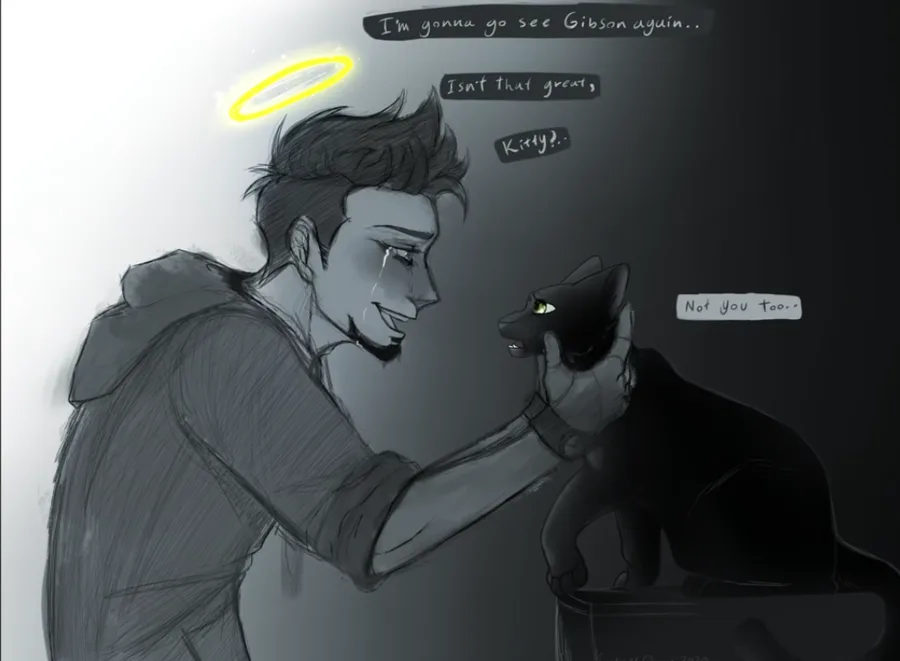
Successful branding requires a “North Star”—a consistent tone that the audience can rely on. For Steve Cash, this was a blend of rural Americana and dark humor. By maintaining a consistent cast of characters (Sylvester, Gibson, Shelby), he created a “shared universe” long before the term became a corporate buzzword for Marvel or Disney. This consistency turned casual viewers into loyal brand advocates who felt a sense of ownership over the narrative arc of the characters.
Building Audience Connection through Authenticity
In the world of personal branding, the line between the product and the person is often blurred. Steve Cash excelled at humanizing his brand, moving beyond the “Talking Kitty Cat” persona to let his audience see the man behind the camera. This transition from a “content channel” to a “personal brand” is a delicate maneuver that, when done correctly, fosters deep brand equity.
The Parasocial Relationship as a Brand Asset
One of the most powerful tools in a creator’s brand kit is the parasocial relationship—the one-sided bond formed between an audience and a media personality. Cash cultivated this by being transparent about his life in Idaho, his musical pursuits, and his interactions with his pets. This transparency transformed his audience from “subscribers” into a “community.” From a strategic standpoint, this community acted as a moat, protecting the brand from platform algorithm changes that might have sunk less personality-driven channels.

Vulnerability vs. Professionalism in Digital Content
The Steve Cash brand was notable for its lack of “corporate polish.” In an era where many influencers were moving toward high-budget production, Cash maintained a “pro-sumer” aesthetic. This choice was a strategic branding move; it signaled authenticity and relatability. However, this level of vulnerability also meant that the brand was inextricably linked to Cash’s personal well-being. This creates a high-stakes environment where the brand’s health is entirely dependent on the creator’s resilience—a precarious position for any long-term business model.
Navigating the Pressures of a Personal Brand
The trajectory of Steve Cash also serves as a cautionary tale regarding the sustainability of a brand built entirely on a single individual. As the “Talking Kitty Cat” brand grew to millions of subscribers, the pressure to perform and the expectations of a global audience began to weigh heavily on the creator.
The Burnout Factor in Content Branding
In the business of personal branding, “the grind” is often glorified. However, the requirement to constantly innovate while maintaining the core brand voice can lead to significant burnout. For Cash, the brand was a 24/7 commitment. Each episode of his main series required hours of filming, voice acting, and meticulous editing to sync the cats’ mouths with the dialogue. When a brand becomes a “content treadmill,” the creative spark that initiated the brand can become a source of profound stress.
Mental Health Advocacy within the Brand Narrative
Toward the later years of his career, Cash began to integrate his struggles with mental health—specifically depression and bipolar disorder—into his digital presence. This was a significant shift in brand strategy. By moving from pure entertainment to advocacy and personal honesty, he deepened the connection with his audience but also made his private struggles a public brand element. This move highlighted a critical challenge in modern branding: how does an individual manage their “digital twin” when their physical self is in crisis?
The Longevity and Afterlife of a Creator Brand
The tragic conclusion of Steve Cash’s life in 2020 sent shockwaves through the digital world. For brand strategists, it raised complex questions about digital estates, legacy, and how a brand survives its founder.
Managing a Digital Estate and Legacy
Unlike a traditional corporation that can appoint a new CEO, a personal brand like Steve Cash’s faces an existential crisis upon the loss of the individual. Today, his channel remains as a digital archive—a museum of his work. The brand has transitioned from an active entity to a legacy brand. The way his family and the YouTube community handled his passing—focusing on the joy his work brought while being honest about the tragedy—preserved the brand’s integrity. It ensured that “Steve Cash” would be remembered not just for the end, but for the decade of innovation that preceded it.

Lessons for Future Brand Architects
The story of Steve Cash offers three vital takeaways for anyone building a personal brand today:
- Diversification of Identity: While the creator is the face of the brand, building assets that can stand independently (such as intellectual property, characters, or community platforms) provides the brand with more stability.
- The Importance of “Off-Ramps”: Brands must have a strategy for hiatuses or pivots. The pressure to be “always on” is unsustainable for any human founder.
- The Value of Empathy-Driven Branding: Cash’s greatest success wasn’t his technical skill, but his ability to make people feel a sense of companionship. In an increasingly automated and AI-driven world, the human element of a brand remains its most valuable currency.
In conclusion, “what happened to Steve Cash” is a narrative of a pioneering digital strategist who built one of the most recognizable personal brands of the early internet. His work demonstrated the power of character-driven storytelling and the immense potential of the creator-audience bond. While his story ended in tragedy, the brand architecture he built—founded on humor, authenticity, and a deep love for his craft—continues to serve as a blueprint and a poignant reminder of the human heart at the center of every digital identity. As we look toward the future of personal branding, the legacy of Steve Cash remains a testament to the fact that the most enduring brands are those that dare to be unapologetically human.
aViewFromTheCave is a participant in the Amazon Services LLC Associates Program, an affiliate advertising program designed to provide a means for sites to earn advertising fees by advertising and linking to Amazon.com. Amazon, the Amazon logo, AmazonSupply, and the AmazonSupply logo are trademarks of Amazon.com, Inc. or its affiliates. As an Amazon Associate we earn affiliate commissions from qualifying purchases.