
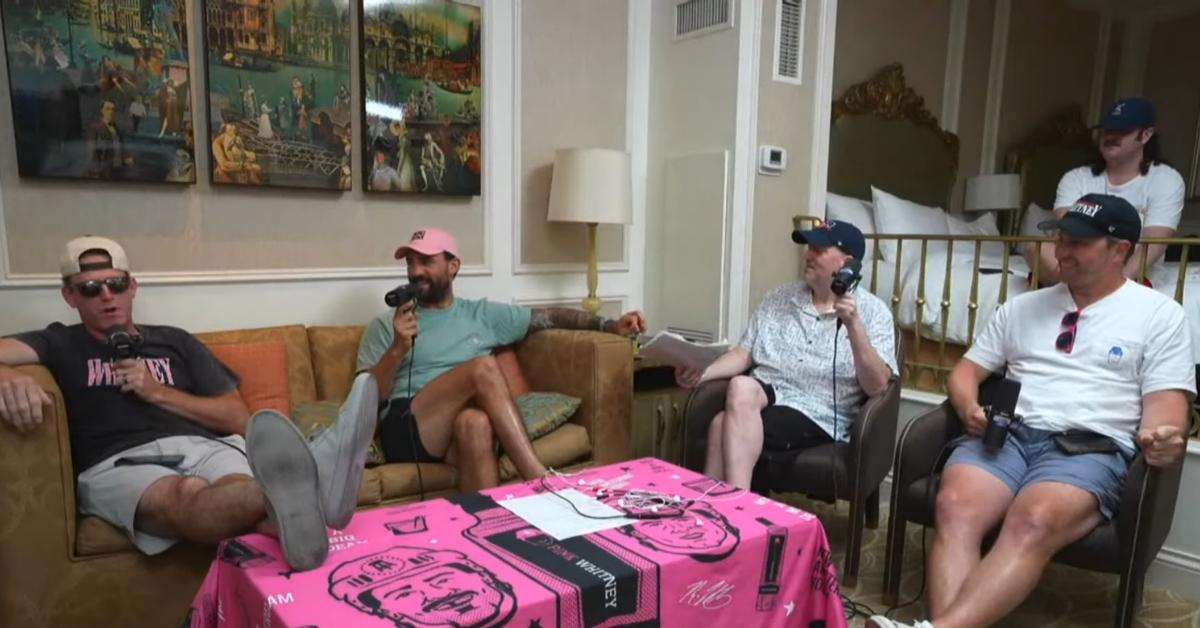
The landscape of modern sports media has shifted from traditional broadcast booths to personality-driven digital empires. At the forefront of this revolution is Spittin’ Chiclets, a flagship podcast under the Barstool Sports umbrella that redefined how hockey fans consume content. Central to the show’s meteoric rise was Brian McGonagle, better known as “Rear Admiral” (RA). However, recent shifts in RA’s presence on the show have sparked significant discussion regarding the sustainability of personal branding, the pressures of high-stakes content creation, and the corporate strategy involved in managing human capital within a massive media brand.

The story of RA’s hiatus and changing role is not merely a piece of sports trivia; it is a complex case study in brand management, the risks of “authentic” persona marketing, and the strategic pivots required to maintain a multi-million dollar media entity.
The Intersection of Personal Identity and Corporate Branding
In the digital age, a brand is often only as strong as the personalities that represent it. For Spittin’ Chiclets, the brand was built on the chemistry between former NHL players Ryan Whitney and Paul Bissonnette, and the “everyman” hockey historian perspective provided by RA.
From Niche Blogger to Global Media Personality
Brian McGonagle’s journey is a quintessential personal branding success story. Starting as a blogger with a deep-seated passion for the Boston Bruins and the cinematic history of hockey, he provided the foundational “fan voice” for the podcast. His brand was rooted in relatability—he was the voice of the fan in the nosebleeds, a contrast to the elite athlete experiences of his co-hosts. This differentiation was a deliberate brand positioning strategy that allowed Spittin’ Chiclets to capture a broad demographic, ranging from casual viewers to hardcore hockey aficionados.
The Risks of the “Authentic” Brand Archetype
The “RA brand” was heavily predicated on authenticity, often manifesting as a raw, unfiltered, and party-centric lifestyle. While this transparency drove high engagement and fostered a loyal “parasocial” relationship with the audience, it also presented a significant risk. In professional branding, when an individual’s personal struggles or lifestyle choices become inseparable from their public persona, any instability in their private life can directly impact the corporate entity’s image. RA’s recent decision to step back to focus on his mental health and wellness highlights the inherent fragility of personality-driven brands.
Navigating the Barstool Ecosystem: A Case Study in Brand Synergy
To understand what happened to RA, one must analyze the corporate environment of Barstool Sports. Barstool has built a multi-billion dollar empire by leveraging “rebel” branding, but as the company matured—moving through acquisitions by Penn Entertainment and eventually returning to founder Dave Portnoy—the professional expectations for its lead personalities shifted.
The Umbrella Effect: Barstool vs. Chiclets
Spittin’ Chiclets operates as a “sub-brand” with a high degree of autonomy, yet it is still tethered to the overarching Barstool corporate identity. When a lead personality like RA faces public scrutiny or personal hurdles, the brand management team must weigh the value of “authenticity” against the necessity of operational consistency. RA’s absence was handled not as a termination, but as a strategic “sabbatical.” This reflects a sophisticated brand move: protecting the individual to ensure the long-term viability of the collective. By allowing RA the space to recover, Barstool preserved the brand’s integrity and avoided the backlash associated with “corporate coldness.”
Managing Crisis and Public Perception in Real-Time
In the world of personal branding, silence is often filled by speculation. The “What happened to RA?” narrative became a trending topic, forcing the Spittin’ Chiclets brand to engage in proactive crisis communication. The co-hosts, Bissonnette and Whitney, addressed the situation with a mix of humor and sincerity, maintaining the show’s brand voice while setting professional boundaries. This transparency helped mitigate brand erosion and maintained audience trust, proving that in modern marketing, vulnerability can be a powerful tool for loyalty if managed correctly.

The Lifecycle of a Podcast Persona
Every digital brand goes through a lifecycle: launch, growth, maturity, and pivot. For nearly a decade, RA was a constant in the growth phase. However, as the podcast transitioned into a global media powerhouse with live tours, merchandise lines (Pink Whitney), and daily social media requirements, the demands on the talent evolved.
Burnout and the Demands of Digital Content Production
The “always-on” nature of modern digital branding is a recipe for burnout. For a personality like RA, whose brand was tied to being at the center of the “hockey party,” the physical and mental toll was immense. From a brand strategy perspective, this is a cautionary tale about “over-leveraging” a single personality. When a brand’s value proposition is tied too closely to a person’s ability to maintain an intense public lifestyle, the risk of burnout becomes a logistical liability for the business.
Strategizing the Pivot: Rebranding and Taking Breaks
What we are currently witnessing with RA is a brand pivot. By stepping back from the “front lines” of every episode and focusing on specific segments or recurring appearances, RA is transitioning from a “primary driver” to a “legacy contributor.” This allows the Spittin’ Chiclets brand to evolve and introduce new elements (like the increased role of producer Matt Murley) without alienating the core audience that is emotionally invested in the original cast. This is a common tactic in television—think of it as a “limited series” approach to a formerly lead character.
Future-Proofing the Spittin’ Chiclets Brand
The RA situation serves as a blueprint for how other personality-led media brands should handle the inevitable evolution of their cast. The goal of any corporate identity is to outlast any single contributor while still honoring the roots that made the brand successful.
The Sustainability of a Personality-Driven Model
The question for Spittin’ Chiclets moving forward is how to institutionalize the brand’s success. The “Chiclets” name now carries weight independent of who is behind the microphone. By diversifying their content—producing documentaries, hosting live events, and launching successful consumer goods—the brand has moved beyond the “podcast” label. This diversification acts as a hedge against the volatility of individual personalities. If one “pillar” of the brand needs to step away, the structure remains standing.
Lessons for Modern Media Entrepreneurs
For entrepreneurs looking to build a brand around their own personality, the RA saga offers three vital lessons:
- Brand Separation: Create a distinction between your private self and your public persona to allow for “offline” recovery without damaging the business.
- Succession and Support: Build a supporting cast and infrastructure so the brand is not dependent on a 100% “up-time” from a single individual.
- Wellness as Brand Equity: In the modern market, a leader who prioritizes mental health can actually strengthen a brand’s reputation, making it appear more human, ethical, and sustainable.
Conclusion
The evolution of RA’s role within Spittin’ Chiclets is a natural progression in the lifecycle of a massive media brand. While fans may miss his constant presence, the strategic decision to prioritize his health is a win for both the individual and the corporate entity. It demonstrates a shift in the “Barstool” way of doing business—moving toward a more sustainable, mature approach to talent management.
Ultimately, the Spittin’ Chiclets brand remains a dominant force in the sports world because it has learned to navigate the messy, human side of personal branding with a professional, strategic lens. Whether RA returns full-time or transitions into a new specialized role, the “Chiclets” brand has proven that it is resilient enough to handle change, proving that the most successful brands are those that can adapt to the human realities of their creators.
aViewFromTheCave is a participant in the Amazon Services LLC Associates Program, an affiliate advertising program designed to provide a means for sites to earn advertising fees by advertising and linking to Amazon.com. Amazon, the Amazon logo, AmazonSupply, and the AmazonSupply logo are trademarks of Amazon.com, Inc. or its affiliates. As an Amazon Associate we earn affiliate commissions from qualifying purchases.