
In the high-stakes world of Quick Service Restaurants (QSR), few stories are as compelling as the transformation of Popeyes Louisiana Kitchen. For decades, the brand was perceived as a steady but secondary player in the fried chicken market, often overshadowed by the global footprint of KFC. However, in recent years, “what happened to Popeyes” has become a case study in masterclass brand strategy, viral marketing, and the delicate balance of maintaining heritage while scaling globally.
The story of Popeyes is no longer just about fried chicken; it is a narrative of how a legacy brand successfully navigated a digital-first world, redefined its visual identity, and leveraged a “cultural moment” to catapult itself into the center of the global culinary conversation.
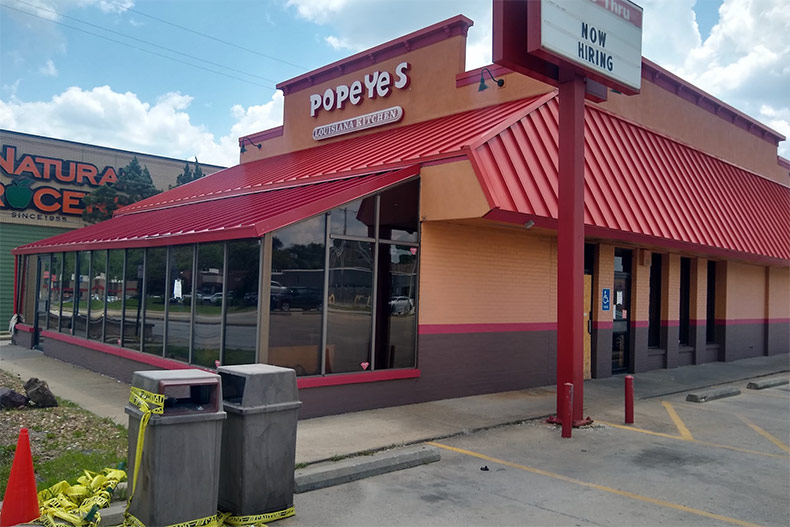
The New Orleans Heritage: Crafting a Unique Brand Identity
To understand where Popeyes is today, one must look at its origins. Founded in 1972 in Arabi, Louisiana, by Al Copeland, the brand was built on a foundation of “Cajun” and “Creole” flavors that set it apart from the standard salt-and-pepper breading of its competitors. However, for a long time, the brand struggled to articulate this heritage to a national audience.
From “Popeyes Mighty Good Fried Chicken” to “Popeyes Louisiana Kitchen”
One of the most significant pivots in the brand’s history occurred in 2008 when the company officially rebranded from “Popeyes Chicken & Biscuits” to “Popeyes Louisiana Kitchen.” This wasn’t merely a change of signage; it was a strategic deepening of the brand’s “Right to Win.” By anchoring the brand to Louisiana, Popeyes claimed ownership of a specific culinary tradition known for flavor, soul, and slow-cooked quality. This move successfully transitioned the brand from a generic fast-food provider to a “culinary-led” brand, a distinction that has remained a cornerstone of its marketing strategy.
The Power of Authenticity and Regional Heritage
In the modern marketplace, consumers—particularly Millennials and Gen Z—crave authenticity. Popeyes capitalized on this by emphasizing its 12-hour marination process and its hand-battered breading. Unlike many competitors who pivoted toward “healthier” options or stripped-back menus, Popeyes doubled down on its indulgent, flavorful roots. By positioning itself as the guardian of Louisiana’s culinary soul, the brand built a loyal community that felt it was consuming a piece of culture, not just a meal.
The Chicken Sandwich Phenomenon: A Case Study in Viral Marketing
If you ask a brand strategist what happened to Popeyes to cause its meteoric rise in 2019, the answer is unanimous: The Chicken Sandwich. While the product itself was high-quality, the real success lay in a stroke of marketing genius that redefined social media engagement for the corporate world.
The Twitter War That Changed Everything
In August 2019, Popeyes launched its fried chicken sandwich. When Chick-fil-A tweeted a thinly veiled jab about “original” recipes, Popeyes responded with a simple, two-word tweet: “… y’all good?”
This interaction triggered what became known as the “Chicken Sandwich Wars.” It was a watershed moment in brand voice. Popeyes adopted a persona that was confident, witty, and culturally resonant. The brand didn’t just participate in the conversation; it sparked a digital frenzy that resulted in billions of earned media impressions. This move effectively repositioned Popeyes as the “challenger brand” that wasn’t afraid to take on the market leader.
Capitalizing on the “Scarcity Effect” and Social Proof
The viral nature of the sandwich led to unprecedented demand, resulting in the product selling out nationwide within two weeks. From a brand perspective, this “failure” to meet demand was a massive success. It created an aura of scarcity that money couldn’t buy. Long lines and sold-out signs became social proof of the brand’s superiority. Popeyes managed to maintain the hype during the “dark period” when the sandwich was unavailable, using that time to build anticipation for its permanent return. This demonstrated the brand’s ability to turn operational challenges into marketing gold.
Post-Hype Realities: Managing Growth and Maintaining Brand Quality
After the dust settled from the 2019 explosion, Popeyes faced a new challenge: how to sustain that momentum without diluting the brand. The “what happened” in this phase of the journey involves the difficult transition from a viral sensation to a consistent global powerhouse.
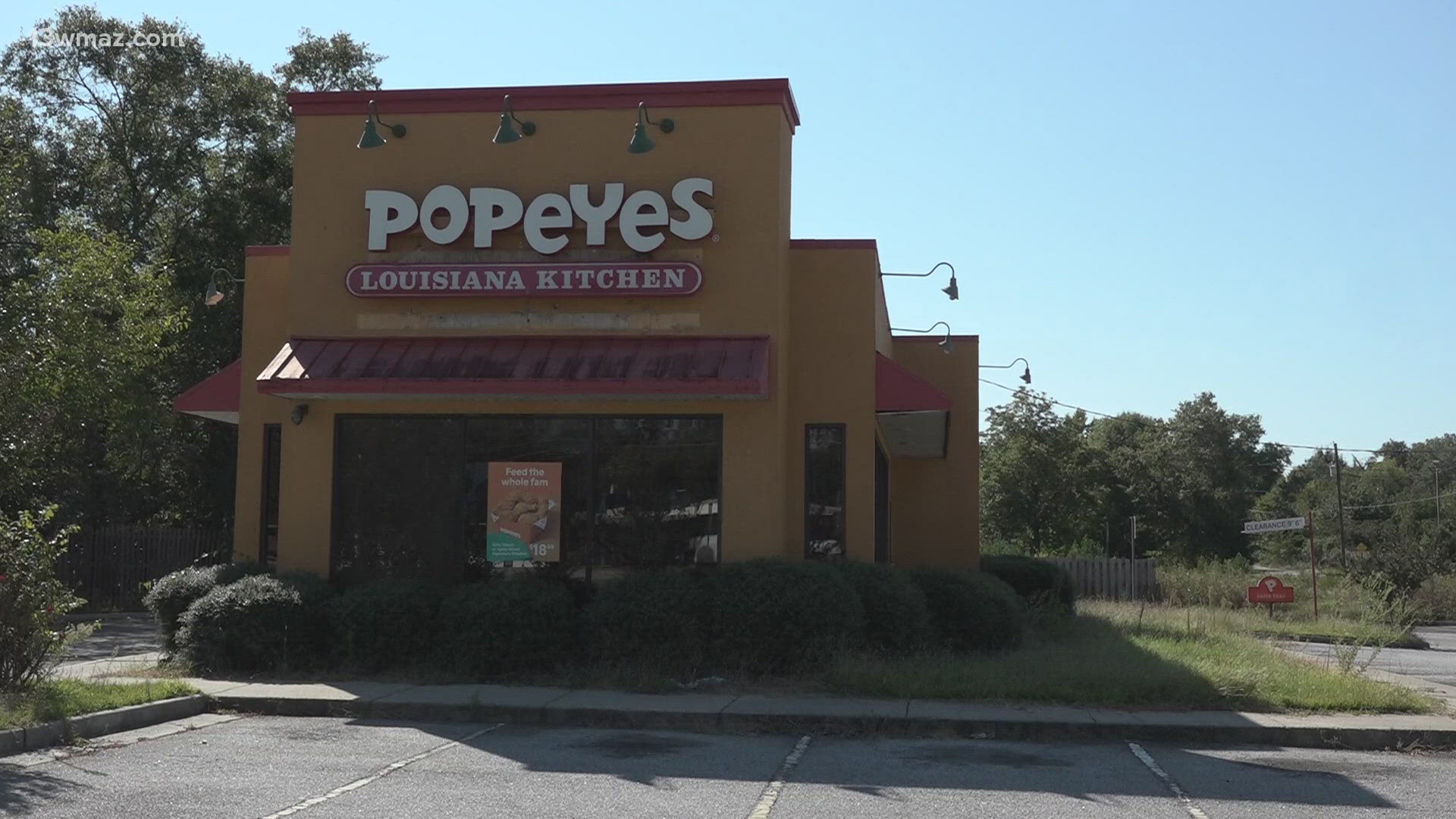
The Operational Strain of Success
Rapid growth often puts a strain on brand consistency. As Popeyes stores were flooded with customers, reports of long wait times and inconsistent service began to surface. For a brand, the “customer experience” is as much a part of the brand identity as the logo. Popeyes had to invest heavily in back-of-house technology and kitchen ergonomics to ensure that the “Louisiana Kitchen” promise wasn’t broken by poor service. The brand realized that while marketing gets customers through the door, operations keep them coming back.
Navigating the Consistency Gap in a Franchise Model
Maintaining a premium brand image in a franchise-heavy model is notoriously difficult. Popeyes, under the ownership of Restaurant Brands International (RBI), began implementing stricter quality controls and more rigorous training programs. The brand had to ensure that a spicy chicken sandwich in London tasted exactly like one in New Orleans. This phase of the brand evolution focused on “operational excellence” as a core pillar of brand health, recognizing that a single bad experience could go viral just as easily as a good one.
Modernization and Global Expansion: Rebranding for the 21st Century
To keep the brand fresh, Popeyes underwent a significant visual refresh in 2020. This move signaled that the company was looking beyond its past successes and toward a more modern, global future.
Digital Transformation and Visual Identity Refresh
The 2020 rebrand introduced a modernized “poppy” logo and a more cohesive visual language. The brand moved away from the cluttered, old-fashioned aesthetics of early-2000s fast food toward a “Modern Louisiana” look—cleaner lines, vibrant oranges, and hand-drawn illustrations. This visual shift was crucial for the brand’s digital transformation. As delivery apps and digital kiosks became the primary touchpoints for consumers, Popeyes needed a visual identity that was “app-friendly” and instantly recognizable on a smartphone screen.
Exporting “Louisiana Fast” to International Markets
Perhaps the most significant development in the Popeyes story is its aggressive international expansion. The brand successfully exported its “Louisiana Fast” positioning to the UK, China, India, and Spain. The brand strategy here was brilliant: keep the core Louisiana DNA but allow for local “menu-hacking.” By maintaining its core identity while respecting local palates, Popeyes has managed to become a global lifestyle brand rather than just a regional American chain.
The Future of Popeyes: Staying Relevant in a Crowded Market
As we look at the current state of Popeyes, the brand finds itself at a crossroads. The “Chicken Sandwich” era is over, and the market is more saturated than ever. To remain relevant, the brand is focusing on the next evolution of its identity.
Sustainable Branding and Ingredient Transparency
Modern brand strategy requires more than just good marketing; it requires corporate responsibility. Popeyes has begun pivoting toward more transparent sourcing and higher animal welfare standards. For a brand rooted in “soul food,” showing heart through sustainability is a logical and necessary evolution. By committing to “real ingredients” and removing artificial colors and flavors, Popeyes is aligning itself with the values of the modern consumer without sacrificing its flavor-first reputation.
Leveraging Nostalgia vs. Modern Convenience
The ultimate challenge for Popeyes is balancing its rich history with the demand for modern convenience. The brand is increasingly leaning into “nostalgic marketing”—using its 50-year history to build trust—while simultaneously rolling out “ghost kitchens” and “drive-thru only” concepts. This dual-track strategy allows the brand to serve the heritage-focused customer and the convenience-focused customer simultaneously.

Conclusion
“What happened to Popeyes” is a story of a brand that found its voice by looking backward at its roots and forward at digital trends. Through a combination of authentic heritage, daring social media strategies, and a rigorous commitment to operational modernization, Popeyes transformed from a regional favorite into a global cultural icon.
The brand’s journey teaches us that in the modern era, a brand is not just what you sell, but how you speak, how you react to culture, and how consistently you deliver on your promise. Popeyes didn’t just change its menu; it changed its narrative, proving that even a 50-year-old brand can become the most talked-about name in the world with the right strategy. As it continues to expand, the world will be watching to see if it can keep that Louisiana spark alive in an increasingly digital and globalized landscape.
aViewFromTheCave is a participant in the Amazon Services LLC Associates Program, an affiliate advertising program designed to provide a means for sites to earn advertising fees by advertising and linking to Amazon.com. Amazon, the Amazon logo, AmazonSupply, and the AmazonSupply logo are trademarks of Amazon.com, Inc. or its affiliates. As an Amazon Associate we earn affiliate commissions from qualifying purchases.