
In the rapidly evolving landscape of global commerce, the transition from physical storefronts to digital ecosystems has necessitated a sophisticated financial infrastructure. At the heart of this transformation lies Stripe, a company that has redefined how money moves across the internet. While many view Stripe through a purely technical lens, its true essence is that of a comprehensive financial tool designed to optimize revenue, manage risk, and facilitate the scaling of businesses in the 21st century. As we look at the “GDP of the internet,” Stripe stands as the primary engine driving economic growth for startups and Fortune 500 companies alike.
The Infrastructure of Global Payment Processing
The primary function of Stripe is to act as a bridge between a business and the complex world of global banking. Historically, accepting payments online required a labyrinthine process involving merchant accounts, payment gateways, and rigorous compliance checks. Stripe collapsed these silos into a unified financial stack, allowing businesses to focus on their core value proposition rather than the mechanics of moving money.
Streamlining Transactional Flow and Cash Management
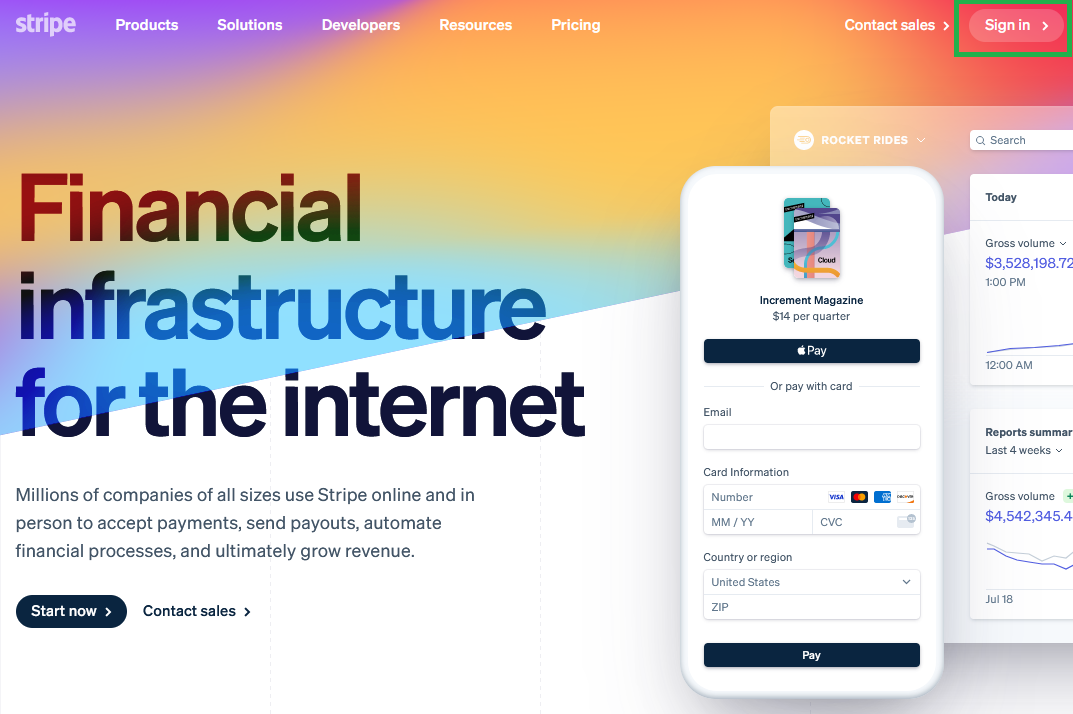
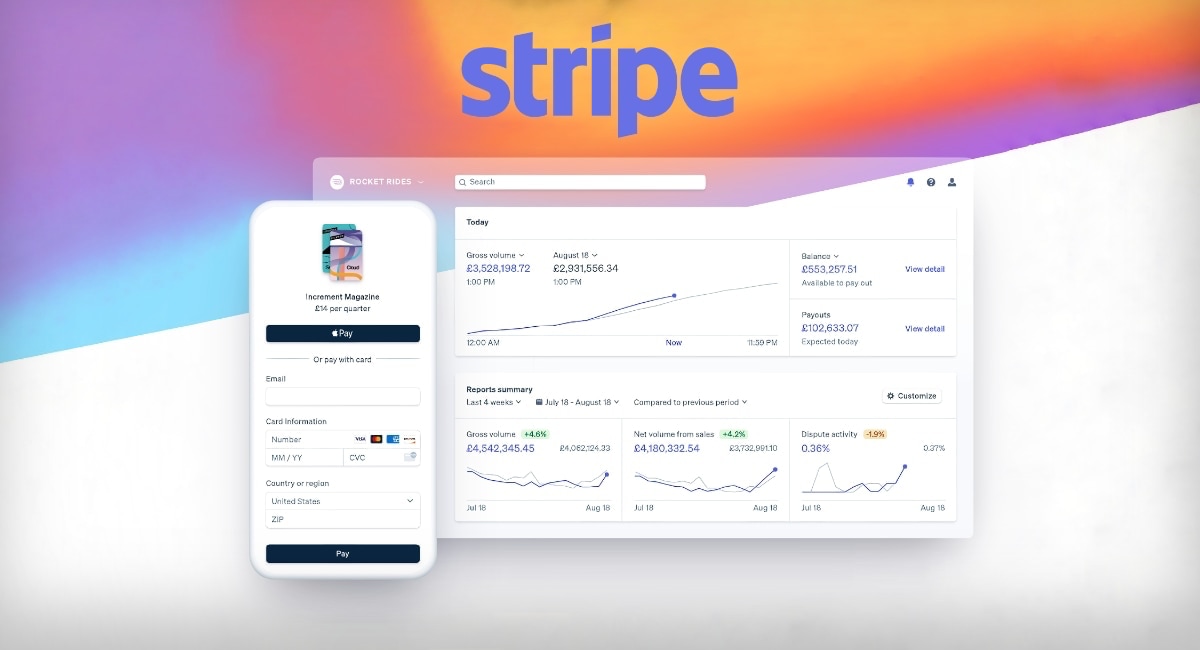
At its core, Stripe provides the mechanism for capturing payments from customers and ensuring those funds are settled into a business’s bank account with minimal friction. This isn’t just about “taking credit cards”; it’s about managing the entire lifecycle of a transaction. For a business owner, the financial clarity provided by a centralized dashboard is invaluable. It offers a real-time view of net revenue, pending payouts, and historical data, which are essential for maintaining healthy cash flow—the lifeblood of any commercial enterprise.
Multi-Currency Management and International Expansion
One of the most significant hurdles in personal and business finance is the complexity of international exchange. Stripe allows businesses to accept over 135 currencies, providing a seamless experience for the end-user while handling the backend currency conversion for the merchant. By automating these financial conversions and managing the relationships with local acquiring banks across different continents, Stripe enables even small side hustles to operate as multinational corporations from day one. This democratization of global finance is a key driver in the modern “online income” trend.
Strategic Financial Tools for Scaling Revenue
Beyond the simple “buy now” button, Stripe offers a suite of advanced financial tools designed to maximize the lifetime value of a customer. In the “Money” niche, efficiency is everything. If a business loses 5% of its transactions to failed payments or inefficient billing cycles, that is a direct hit to the bottom line. Stripe’s suite of products is engineered to recapture that lost revenue.
Managing the Subscription Economy with Stripe Billing
The shift from one-time purchases to recurring revenue models has been one of the most significant financial trends of the last decade. Stripe Billing is a specialized tool within the ecosystem that handles the complexities of subscriptions, tiered pricing, and usage-based billing. From a financial management perspective, this tool is vital because it automates “dunning”—the process of communicating with customers to recover declined payments. By using machine learning to retry cards at the optimal time, Stripe recovers billions of dollars in revenue for its users that would otherwise have been lost to involuntary churn.
Optimizing Revenue Recovery and Financial Analytics
In the world of business finance, data is just as important as the currency itself. Stripe provides deep financial analytics that allow CFOs and entrepreneurs to understand their “Monthly Recurring Revenue” (MRR), “Churn Rate,” and “Average Revenue Per User” (ARPU). These metrics are the foundation of any serious investment or growth strategy. By providing a clean, exportable data set, Stripe simplifies the auditing and accounting processes that typically plague growing businesses, making it easier to report to stakeholders or prepare for tax season.

Mitigating Risk and Ensuring Financial Security
When dealing with large volumes of money, the primary threats are fraud and regulatory non-compliance. These are not just technical hurdles; they are existential financial risks. A high rate of chargebacks can lead to a business being blacklisted by major card networks, effectively ending its ability to generate income.
Fraud Prevention through Machine Learning
Stripe Radar is an integrated financial security tool that uses sophisticated algorithms to detect and block fraudulent transactions. In the “Money” niche, protecting capital is as important as earning it. Radar analyzes trillions of data points across the entire Stripe network to identify patterns of fraud before a transaction is even processed. For a business owner, this means lower chargeback fees and a more secure bottom line. By reducing the “false positive” rate—where legitimate customers are accidentally blocked—Stripe ensures that revenue growth is not sacrificed for the sake of security.
Navigating the Complexity of Global Tax and Compliance
As businesses grow, they inevitably encounter the nightmare of “Tax Nexus.” Selling a digital product to a customer in the EU, for example, carries different VAT implications than selling to a customer in New York. Stripe Tax automates this entire process, calculating and collecting the correct amount of tax based on the customer’s location. From a financial tool perspective, this is a game-changer. It reduces the overhead costs of hiring specialized accounting firms and mitigates the risk of heavy fines from tax authorities, allowing the business to remain financially compliant as it scales across borders.
The Evolution into a Comprehensive Business Banking Ecosystem
Stripe’s most recent innovations move beyond simple payment processing and into the realm of traditional banking and corporate finance. This shift signals a future where the distinction between “software” and “bank” becomes increasingly blurred.
Capital and Lending for Growth
One of the most difficult aspects of business finance is securing credit. Traditional banks often require years of tax returns and physical collateral. Stripe Capital leverages the transactional data already flowing through the platform to offer pre-approved, data-driven loans to businesses. This allows entrepreneurs to access liquidity when they need it most—to buy inventory, hire staff, or invest in marketing. Because the repayment is automated as a percentage of daily sales, it aligns the loan’s cost with the business’s actual cash flow, offering a more flexible financial instrument than a standard fixed-payment loan.
Treasury and Corporate Spend Management
With Stripe Treasury and Stripe Issuing, the platform has entered the “Banking-as-a-Service” (BaaS) space. Businesses can now hold balances, pay bills, and issue branded corporate cards to employees. For a startup, this means their financial stack is entirely integrated. Instead of transferring money out to a separate business bank account and waiting days for it to clear, they can manage their entire financial lifecycle—from the initial customer payment to the final employee expense—within a single ecosystem. This level of financial integration reduces “drag” on capital and provides a level of agility that was previously impossible.
The Future of Money and the Digital Economy
Stripe is far more than a tool for developers; it is a fundamental shift in how we conceptualize the movement of value. In an era where online income and digital side hustles are becoming mainstream, having a robust, secure, and intelligent financial partner is mandatory.
By focusing on the “Money” aspect of the platform, we see that Stripe’s value lies in its ability to eliminate the “financial friction” that historically stunted growth. Whether it is through optimizing checkout flows to increase conversion rates, providing instant access to capital, or automating the complexities of global tax law, Stripe serves as a strategic asset for anyone serious about business finance. As the global economy continues to migrate online, the tools that manage our money must be as dynamic as the markets they serve. Stripe has proven itself to be that tool, turning the complexity of global finance into a competitive advantage for millions of businesses worldwide.
aViewFromTheCave is a participant in the Amazon Services LLC Associates Program, an affiliate advertising program designed to provide a means for sites to earn advertising fees by advertising and linking to Amazon.com. Amazon, the Amazon logo, AmazonSupply, and the AmazonSupply logo are trademarks of Amazon.com, Inc. or its affiliates. As an Amazon Associate we earn affiliate commissions from qualifying purchases.