
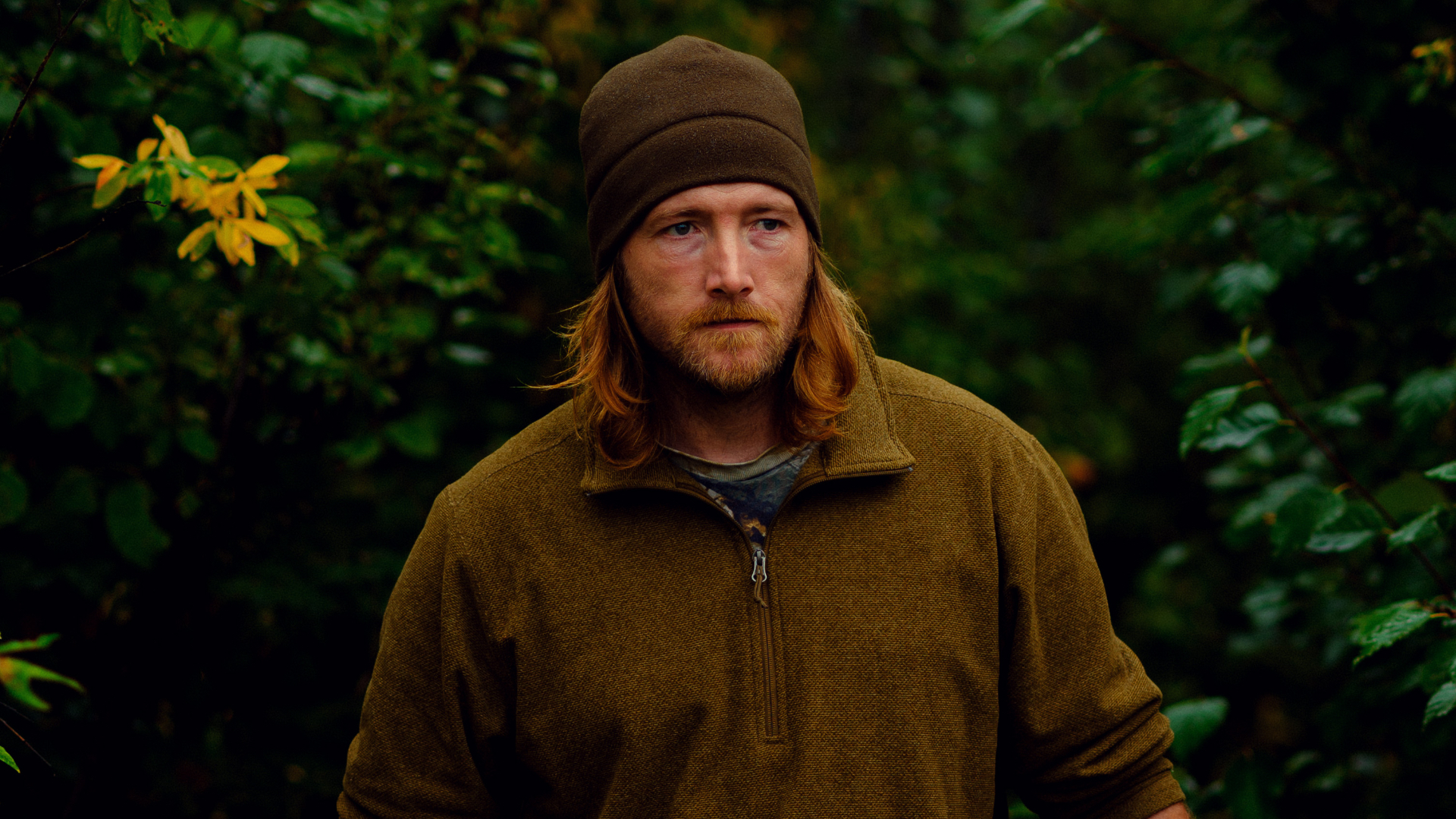
The hit History Channel series Alone is often marketed as the ultimate test of human will, primitive skills, and psychological endurance. However, beneath the surface of shelter-building and foraging lies a complex financial narrative. When Dusty Blake, a standout contestant on Season 11, made the difficult decision to tap out, it wasn’t just a dramatic television moment—it was a profound lesson in cost-benefit analysis. For those viewing the show through the lens of personal finance and business strategy, Dusty’s departure offers a case study in high-stakes risk management and the economic realities of extreme side hustles.
The High-Stakes Economy of Reality TV Competitions
To understand the weight of Dusty’s decision, one must first look at the “Alone” contract as a financial instrument. The prize—typically $500,000—is a life-changing sum for most participants. However, the path to that payout is paved with significant financial risks that go unmentioned in the show’s voiceovers.
Understanding the Prize Structure and Tax Implications
A $500,000 windfall is rarely $500,000 in the winner’s bank account. In the United States, lottery and contest winnings are taxed as ordinary income. For a winner, this could mean moving into the highest federal tax bracket, potentially losing nearly 37% to the IRS, plus state taxes. When contestants like Dusty enter the wilderness, they are essentially bidding for a net gain of roughly $320,000. While substantial, this figure must be weighed against the long-term physical damage that could impair their ability to earn a living in the future.
The Opportunity Cost of Disconnecting from a Career
Participating in Alone is not a paid vacation. Contestants are often self-employed, skilled tradespeople, or wilderness instructors. By spending months in the Arctic or the mountains, they are forfeiting their regular income. For a contractor like Dusty, this means months of zero billable hours, the potential loss of long-term clients, and the cessation of contributions to retirement accounts. The “buy-in” for the show is essentially the contestant’s current salary plus the operational costs of their life back home, which must be covered by savings or family support while they are away.
Analyzing Dusty Blake’s Exit Through a Financial Lens
Dusty Blake was a formidable competitor, but his journey was cut short by a debilitating physical ailment. From a purely financial perspective, his decision to tap out was an exercise in “loss aversion”—a principle in behavioral economics where the pain of losing (in this case, his health) is perceived as more significant than the gain of winning.
The Health-Wealth Trade-off: When Physical Risk Outweighs Potential Gain
Dusty began experiencing severe stomach issues and cramping that prevented him from performing basic survival tasks. In the world of personal finance, your “human capital”—your ability to work—is your greatest asset. For a man who relies on his physical strength to provide for his family, the risk of permanent organ damage or long-term gastrointestinal illness represents a catastrophic financial liability. If the pursuit of $500,000 leads to a permanent disability that prevents ten years of future work, the net financial result is a massive loss. Dusty’s exit was a pragmatic choice to protect his primary income-generating asset: his body.
Managing Sunk Costs in High-Pressure Environments
The “Sunk Cost Fallacy” is a common trap in both business and survival. It is the tendency to continue an endeavor once an investment in money, effort, or time has been made, even if the current costs outweigh the benefits. Dusty had invested years of training and weeks of starvation into his Alone journey. Many contestants fall victim to the fallacy, staying until they are medically evacuated, often resulting in months of expensive recovery. By tapping out when he did, Dusty demonstrated a keen understanding of “knowing when to fold,” a skill as vital in the boardroom as it is in the bush.
The “Alone” Side Hustle: Turning Survival Skills into a Monetizable Brand

For many participants, the $500,000 prize is only one potential revenue stream. The modern “creator economy” has changed the math for reality TV contestants. Even those who do not win the grand prize can leverage their appearance into a diversified portfolio of online income.
Post-Show Revenue Streams: YouTube, Sponsorships, and Courses
In the digital age, a contestant’s “time on screen” is a marketing asset. Survivors like Dusty can transition their notoriety into successful YouTube channels, where ad revenue and brand sponsorships from outdoor gear companies provide a steady “passive” income. Furthermore, many former contestants launch digital products, such as survival courses, specialized e-books, or consulting services. This pivot represents a transition from a labor-intensive income model to a scalable business model, where the initial “investment” was the hardship endured on the show.
Diversifying Income After the Credits Roll
The most successful Alone alumni are those who view the show as a platform rather than a destination. By diversifying their income across multiple platforms—social media, speaking engagements, and physical product lines (like custom knives or fire starters)—they build a financial safety net that is far more resilient than a one-time cash prize. Dusty’s relatable personality and skills make him a prime candidate for this type of brand expansion, potentially earning him more over the next decade than the prize money would have provided upfront.
Building a Financial Safety Net for Extreme Career Pivoters
Dusty’s experience highlights a critical lesson for anyone looking to leave a stable job for a high-risk venture, whether that’s a reality show or a startup. Without a robust financial foundation, the pressure of the venture can lead to poor decision-making.
The Importance of Emergency Funds in High-Risk Ventures
Before heading into the wilderness, a contestant must ensure their “home front” is financially secure. This involves having an emergency fund that covers 6–12 months of living expenses. For entrepreneurs and high-stakes competitors, this liquidity is what allows them to focus on the task at hand without the psychological burden of debt or impending bills. It is likely that Dusty’s ability to make a rational health decision was supported by the knowledge that his family’s immediate financial survival did not depend solely on him winning the prize.
Insurance and Liability in Unconventional Work Settings
While the production company provides certain protections, the long-term health implications of extreme starvation are often the responsibility of the individual. For those in unconventional career paths, high-quality disability insurance and comprehensive health coverage are non-negotiable business expenses. These tools act as a hedge against the exact type of scenario Dusty faced, ensuring that a medical tap-out doesn’t lead to a total financial wipeout.
Strategic Decision-Making: Lessons for Every Entrepreneur
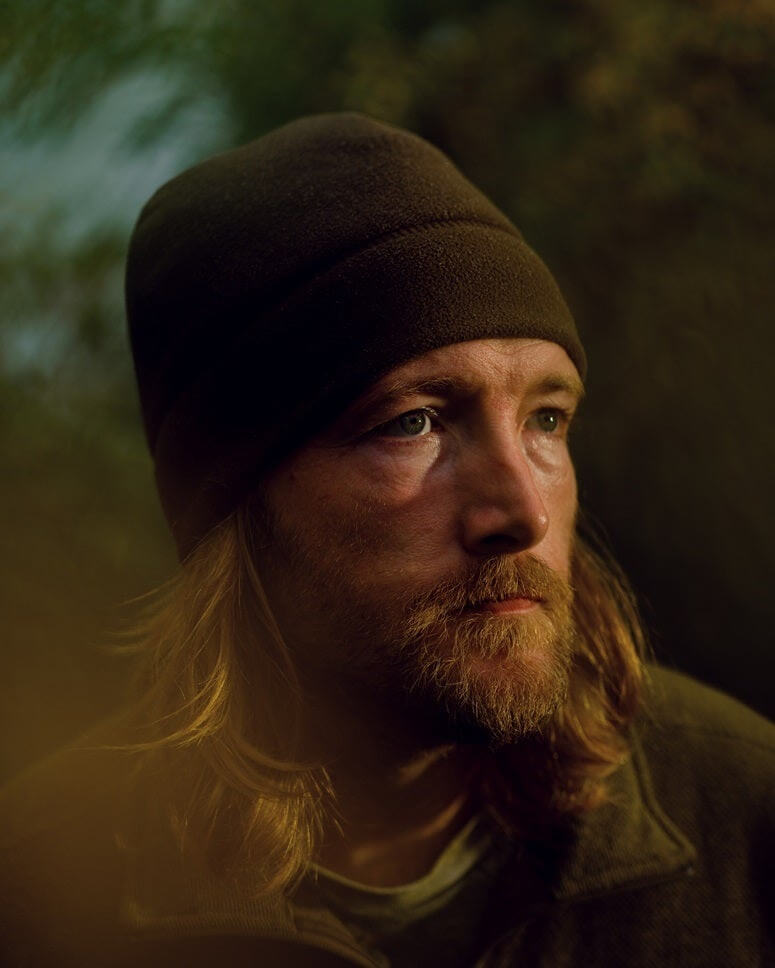
The story of what happened to Dusty on Alone is ultimately a story of strategic recalibration. In business, we often talk about “pivoting”—changing direction when the current path is no longer viable. Dusty’s tap-out was a personal pivot.
To the casual observer, tapping out looks like quitting. To a financial strategist, it looks like a calculated exit. In any investment, there is a point of diminishing returns. When the “cost” (physical pain, mental health, and risk of permanent injury) begins to escalate exponentially while the “reward” (a fixed prize amount) remains static, the logic of staying begins to collapse.
Dusty Blake left the show with his integrity intact and his health recoverable. By prioritizing his long-term earning potential over a short-term gamble, he modeled the kind of disciplined financial thinking required for long-term success. Whether you are managing a stock portfolio or surviving in the Arctic, the most important skill is not just the ability to endure, but the wisdom to know when the price of winning has become too high.
In conclusion, Dusty’s departure from Alone serves as a powerful reminder that money is a tool for life, not a replacement for it. True financial literacy involves understanding the value of your health, the reality of taxes, and the power of leveraging one’s personal brand to create lasting wealth far beyond a single competition. For Dusty, the journey in the wilderness ended, but the opportunity to build a sustainable, multifaceted financial future is just beginning.
aViewFromTheCave is a participant in the Amazon Services LLC Associates Program, an affiliate advertising program designed to provide a means for sites to earn advertising fees by advertising and linking to Amazon.com. Amazon, the Amazon logo, AmazonSupply, and the AmazonSupply logo are trademarks of Amazon.com, Inc. or its affiliates. As an Amazon Associate we earn affiliate commissions from qualifying purchases.