
In the landscape of 2000s television, few characters possess a personal brand as potent, polarizing, and meticulously constructed as Dan Scott from One Tree Hill. While casual viewers remember him as the man they loved to hate, a deeper analysis through the lens of brand strategy reveals a complex case study in reputation management, identity pivot, and narrative positioning. Dan Scott wasn’t just a character; he was a masterclass in how a persona is built, destroyed, and eventually—against all odds—rehabilitated.
To understand what happened to Dan Scott, one must look past the plot points of the WB/CW drama and analyze the “brand lifecycle” of Tree Hill’s most notorious figure. From his beginnings as a local sports hero to his final moments of sacrificial redemption, Dan’s journey offers profound insights into how personal branding dictates influence and legacy.
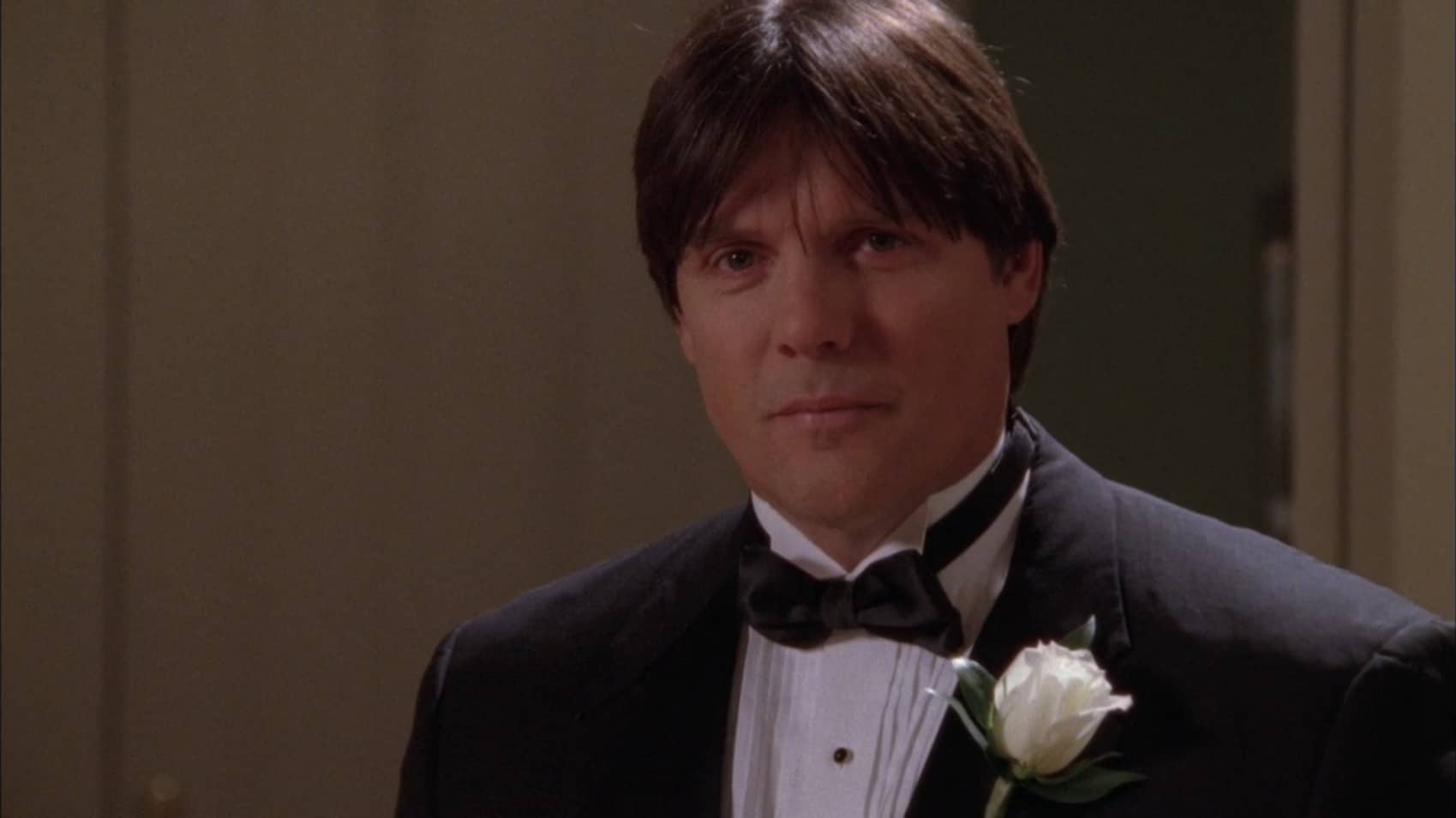
The Foundation of the Villain Brand: Establishing Authority and Dominance
Every strong brand begins with a clear identity and a core value proposition. In the early seasons of One Tree Hill, the Dan Scott brand was built on the pillars of excellence, competition, and ruthless dominance. As the former star of the high school basketball team and the owner of a successful car dealership, Dan’s brand was synonymous with “winning at all costs.”
The Power of Identity: From Star Athlete to Business Mogul
Dan Scott understood the value of local equity. He leveraged his past as a basketball legend to build his corporate identity as a premier businessman in Tree Hill. This is a classic brand strategy: using “legacy status” to gain market entry. For Dan, his athletic prowess served as the social proof needed to establish himself as a leader. His brand voice was authoritative, demanding, and uncompromising. He didn’t just sell cars; he sold the image of success, projecting a lifestyle that demanded respect, even if it didn’t inspire affection.
Strategic Manipulation as a Brand Asset
In branding, “differentiation” is key. Dan Scott differentiated himself from the other parental figures in the show by embracing the “antagonist” archetype. He realized early on that power often stems from fear and control rather than collaboration. By positioning himself as the ultimate gatekeeper—of his sons’ futures, of the town’s politics, and of the community’s social hierarchy—he created a high-barrier-to-entry brand. This strategic manipulation allowed him to control the narrative of his family and business for years, ensuring that the Dan Scott name was always at the center of the conversation.
Brand Crisis: The Murder of Keith Scott and Total Reputation Collapse
In the world of corporate branding, a scandal can lead to a total loss of brand equity. For Dan Scott, the mid-series climax involving the murder of his brother, Keith, represented the ultimate brand crisis. This wasn’t just a moral failing; it was a catastrophic breach of the “family man” facade he had intermittently tried to maintain.
The Impact of Ethical Failure on Personal Brand Equity
When a brand’s actions contradict its stated values, the result is a “brand disconnect.” Dan Scott had spent years portraying himself as a man of order and success. The revelation of his crime shattered this image. In the eyes of the public (the citizens of Tree Hill) and his internal stakeholders (his family), his brand transitioned from “harsh leader” to “toxic liability.” The equity he had built over decades—his business success, his political aspirations as mayor—evaporated instantly. This serves as a cautionary tale for any personal brand: ethical bankruptcy is the fastest route to market obsolescence.
Public Perception vs. Private Reality
During this period, Dan Scott faced the most difficult challenge any brand can encounter: a narrative he could no longer control. His brand was now defined by the “murderer” label. In brand strategy, once a negative label becomes the primary association with your name, the cost of rebranding becomes exponential. Dan went from being the face of Tree Hill excellence to a social pariah. His attempt to maintain a “business as usual” persona during the investigation was a failure in crisis communication, as his lack of transparency only fueled the public’s distrust.
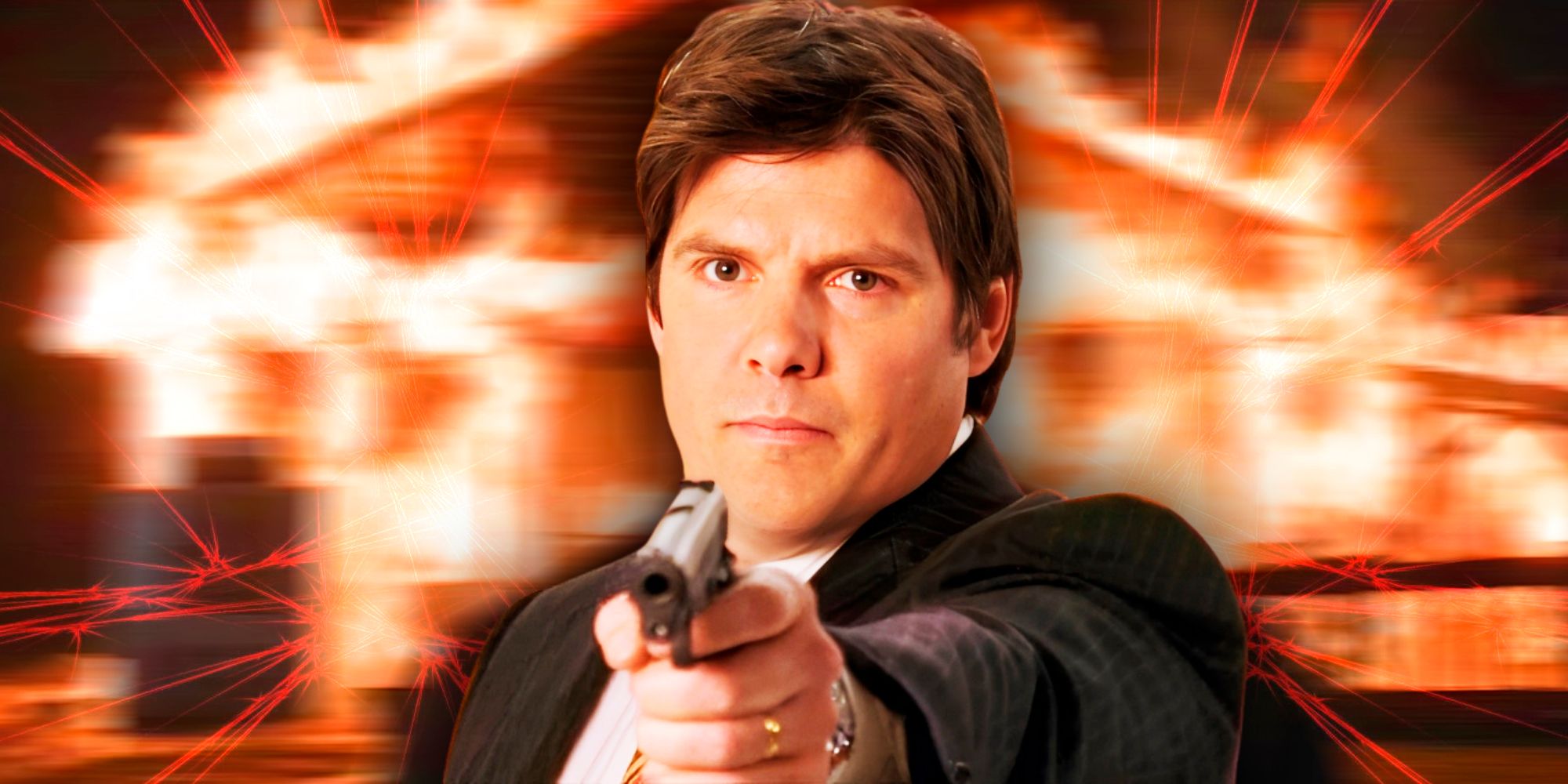
The Pivot: Post-Prison Brand Rehabilitation
What happened to Dan Scott after his prison sentence is perhaps the most interesting phase of his brand lifecycle. Recognizing that his old identity was dead, Dan engaged in a radical “brand pivot.” This is often seen in the corporate world when a company undergoes a total overhaul after a disaster—think of it as a “New Coke” moment, but with much higher stakes.
Leveraging Transparency and Vulnerability
Upon his release from prison, Dan Scott realized that he could no longer lead with power. Instead, he chose to lead with transparency—or at least, a calculated version of it. He began to lean into his “villain” status as a form of honesty. By admitting his flaws (to an extent), he attempted to lower the defenses of those around him. In branding, this is known as “vulnerability marketing.” By acknowledging a brand’s past failures, it can sometimes find a path toward a new, humbler identity.
The “Dan Scott for Redemption” Marketing Campaign
Dan’s foray into the world of media—specifically his talk show, Scott Free—was a brilliant, if cynical, move in personal brand management. He utilized the very medium that had vilified him to reshape his image. By positioning himself as a “reformed sinner” who could help others avoid his mistakes, he attempted to monetize his infamy and transform it into influence. This move shifted his brand from “The Murderer” to “The Man Seeking Atonement.” While many remained skeptical, the strategic use of a platform allowed him to communicate directly with his “audience” without the filter of his detractors.
Legacy and Life-Cycle: The Final Brand Transformation
The final seasons of One Tree Hill saw the ultimate conclusion of the Dan Scott brand. Every brand eventually reaches a “maturity” or “decline” phase where its legacy is cemented. For Dan, the goal was no longer profit or power; it was the restoration of his name within his family.
Sacrifice as the Ultimate Brand Rebrand
In the series’ final arc, Dan Scott’s actions—specifically his role in rescuing his son Nathan from kidnappers—served as the ultimate “rebranding” event. In brand psychology, a single, high-impact positive action can sometimes overshadow a history of negative associations. By putting his life on the line, Dan performed a “brand sacrifice.” He traded his physical existence for the survival of his legacy (his sons and grandsons). This act shifted the final perception of the Dan Scott brand from one of selfish destruction to one of selfless protection.
Lessons in Narrative Branding for Modern Media
The evolution of Dan Scott provides a blueprint for understanding narrative branding. It demonstrates that a brand is not a static entity; it is a living story.
- Consistency vs. Change: Dan showed that while consistency is usually a brand asset, the ability to change is a survival necessity.
- The Power of the Ending: In branding, the “last touchpoint” is often the most memorable. Because Dan’s story ended on a note of heroism and reconciliation, his brand legacy in the minds of many fans is far more nuanced than that of a simple villain.
- Stakeholder Management: Ultimately, Dan’s brand was only “repaired” when his primary stakeholders—Lucas, Nathan, and Haley—offered a modicum of forgiveness. This highlights that a brand’s value is ultimately determined by the people it serves and impacts.

Conclusion: The Enduring Legacy of the Dan Scott Identity
What happened to Dan Scott in One Tree Hill was a journey of extreme brand volatility. He rose as a symbol of local success, crashed as a cautionary tale of moral failure, and was eventually resurrected as a tragic figure of redemption.
For professionals in brand strategy and marketing, Dan Scott’s arc illustrates that reputation is the most valuable currency one possesses. It can be spent quickly, but it takes a lifetime of strategic, painful, and consistent effort to earn back even a fraction of what was lost. Dan Scott died not as the mayor or the dealership mogul, but as a grandfather and a father who finally understood that a brand is only as strong as the love and truth it is built upon. In the end, his brand wasn’t about the cars he sold or the games he won—it was about the narrative of a man who spent his final breath trying to rewrite a dark history into a story of light.
aViewFromTheCave is a participant in the Amazon Services LLC Associates Program, an affiliate advertising program designed to provide a means for sites to earn advertising fees by advertising and linking to Amazon.com. Amazon, the Amazon logo, AmazonSupply, and the AmazonSupply logo are trademarks of Amazon.com, Inc. or its affiliates. As an Amazon Associate we earn affiliate commissions from qualifying purchases.