
In the early 2010s, the global music landscape was hijacked by a singular, neon-drenched aesthetic that prioritized high-energy hedonism above all else. At the center of this movement was LMFAO, a duo comprised of Redfoo and Sky Blu. While many viewed them simply as a pop-EDM act, a closer examination reveals that LMFAO was one of the most successful experiments in hyper-niche branding and market saturation of the digital age. Their sudden disappearance from the charts was not merely a musical hiatus but a case study in brand fatigue, the lifecycle of novelty identities, and the challenges of sustaining a corporate persona built on the ephemeral nature of “the party.”

Building a Viral Identity: The Architecture of the LMFAO Brand
The success of LMFAO was not accidental. It was the result of a meticulously crafted visual and auditory brand language that was instantly recognizable. In an era where digital attention spans were beginning to shrink, LMFAO created a “thumb-stopping” identity that translated perfectly across YouTube, social media, and retail.
The Visual Language of “Party Rock”
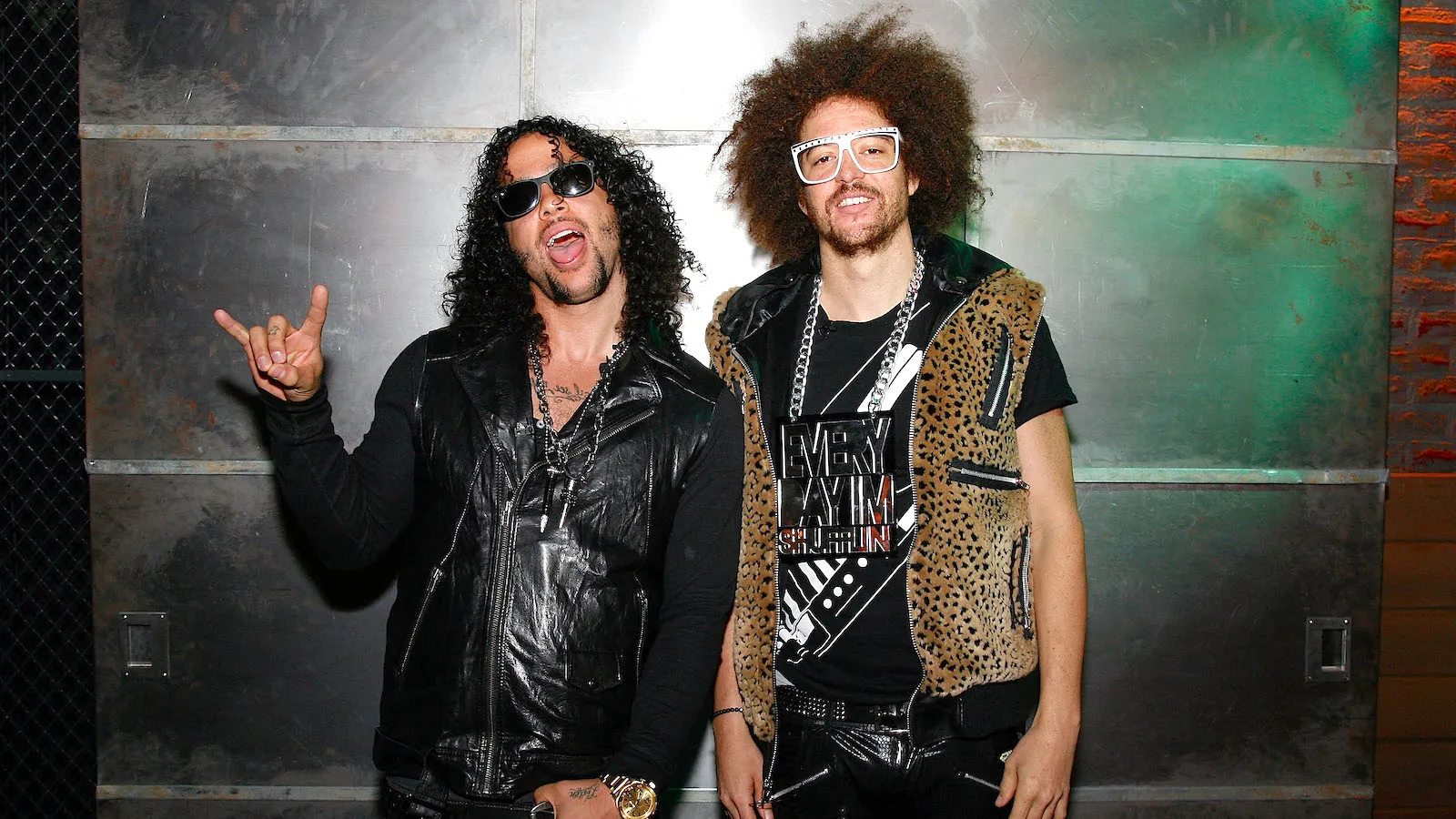
The “Party Rock” brand was defined by a specific set of visual cues: animal prints, oversized shutter shades, neon color palettes, and the iconic “shuffle” dance. This wasn’t just wardrobe styling; it was a uniform. By standardizing their appearance, LMFAO made themselves a living logo. This visual consistency allowed them to transcend music and move into the realm of a lifestyle brand. When consumers saw a pair of leopard-print leggings or plastic glasses, they didn’t just see clothing; they saw the LMFAO brand. This is a classic brand strategy technique: associating a company with specific visual markers to the point where the brand owns those markers in the consumer’s mind.
Sound as a Brand Signature
Beyond the visuals, LMFAO’s sound was engineered for brand recognition. Utilizing high-BPM “big room” house beats combined with humorous, chant-like lyrics, they created a sonic template that was both accessible and infectious. Their hits, “Party Rock Anthem” and “Sexy and I Know It,” functioned as audio logos. The production was clean, loud, and optimized for radio and club play, ensuring that the brand was heard even if it wasn’t seen. They successfully carved out a market niche—”shuffling”—which gave their audience a physical way to participate in the brand, turning fans into active brand ambassadors.
Market Saturation and the Lifecycle of High-Energy Branding
One of the most significant challenges in brand management is balancing growth with exclusivity. LMFAO achieved a level of market saturation that most brands only dream of, but this rapid ascent ultimately led to the brand’s “burnout.”
The Risks of Hyper-Niche Positioning
LMFAO positioned themselves exclusively as the architects of the “party.” While this allowed them to dominate that specific market segment, it left them with very little room for brand evolution. In brand strategy, hyper-niche positioning is a double-edged sword. It creates a loyal following quickly, but it also creates a “glass ceiling” for the brand’s growth. When the cultural zeitgeist moved away from the neon-EDM aesthetic of the early 2010s toward more minimalist or authentic branding (like the rise of indie-pop and stripped-back production), the LMFAO brand had no logical pivot. They were so synonymous with a specific moment in time that they could not exist outside of it.
Overexposure and the “Novelty Trap”
By 2012, LMFAO was everywhere—from the Super Bowl halftime show to every major retail outlet through their “Party Rock” clothing line. This level of overexposure often leads to brand devaluation. When a brand is omnipresent, it loses its “cool factor” and begins to feel like a commodity. For a brand built on the concept of being the life of the party, becoming a household commodity is the kiss of death. The novelty of the shuffle and the glasses began to wear thin, and the market reached a point of saturation where the consumer’s response shifted from engagement to annoyance. This is a common phenomenon in “fast-fashion” style branding, where a trend is extracted for every cent of value in a short window, often at the expense of long-term viability.
The Pivot and the Fallout: Managing a Brand Split
In late 2012, the duo announced an indefinite hiatus. In the corporate world, this is equivalent to a brand split or a divestiture. The way this transition was handled provides valuable insights into how personal branding and corporate identity can often clash.
Redfoo vs. Sky Blu: Divergent Brand Paths
Following the split, Redfoo and Sky Blu took significantly different approaches to their personal brands. Redfoo attempted to maintain the “Party Rock” momentum, continuing with a similar visual style and sound. However, without the synergy of the duo, the brand felt like a legacy act rather than a contemporary force. On the other hand, Sky Blu (now SkyxBlu) attempted a total brand refresh, moving away from the “Party Rock” image to pursue a more “authentic” and diverse musical path.
This divergence highlights a critical brand strategy lesson: once a brand is deeply associated with a specific partner or identity, decoupling them is incredibly difficult. Redfoo’s struggle to innovate and Sky Blu’s struggle to be recognized outside the “Party Rock” shadow demonstrate the “Brand Anchor” effect, where a previous identity prevents a new one from taking hold.
Intellectual Property and the Legacy of the “Party Rock” Trademark
The “Party Rock” name wasn’t just a song title; it was a trademarked lifestyle brand. Even during their hiatus, the business side of LMFAO continued to function through licensing and apparel. However, the internal friction between the two members—often surfacing in the media regarding royalties and the use of the brand name—served as a warning for collaborative brands. Without a clear “exit strategy” or a legal framework for brand dissolution, the equity of the brand began to erode through public disputes. A brand is only as strong as its leadership’s alignment, and once the internal partnership fractured, the external brand power followed suit.
Lessons for Modern Creators: Sustainability in the Attention Economy
The story of “what happened to LMFAO” is essentially a story of how to manage a high-growth brand in the digital age. For modern creators and marketers, there are several key takeaways regarding brand longevity.
Balancing Trend-Jacking with Longevity
LMFAO were masters of “trend-jacking”—identifying a rising cultural movement (EDM and shuffling) and positioning themselves at the forefront. While this is an excellent strategy for rapid scaling, a sustainable brand must eventually build a foundation that is independent of the trend. Brands like Nike or Apple use trends to stay relevant, but their core identity is based on timeless values (performance and innovation). LMFAO’s core identity was the trend itself, which meant that when the trend died, the brand died with it.
Diversification Beyond the Core Product
One area where LMFAO showed brand foresight was in their diversification into clothing and merchandise. They understood that music was simply the marketing vehicle for a wider product ecosystem. However, they failed to diversify the messaging of that ecosystem. Every product they released served the same emotional trigger (partying). To survive long-term, brands must diversify the emotional needs they meet for their customers. Had LMFAO evolved their brand to represent “creativity” or “community” more broadly, they might have transitioned into a more permanent fixture in the entertainment industry.

Conclusion: The Brand That Burned Too Bright
What happened to LMFAO? They didn’t just disappear; they completed a full brand lifecycle at an accelerated pace. They identified an untapped market, created a distinct visual and sonic identity, achieved total market saturation, and eventually succumbed to brand fatigue.
Today, the “Party Rock” era serves as a nostalgic touchstone, proof of the duo’s incredible ability to capture the world’s attention. From a brand strategy perspective, they remain a pinnacle example of how to build a global empire on a single, well-executed idea—and a cautionary tale of what happens when a brand becomes too synonymous with a fleeting cultural moment. In the modern attention economy, the goal is often to go viral; LMFAO proves that while going viral can build a brand overnight, only strategic evolution can keep it alive in the morning.
aViewFromTheCave is a participant in the Amazon Services LLC Associates Program, an affiliate advertising program designed to provide a means for sites to earn advertising fees by advertising and linking to Amazon.com. Amazon, the Amazon logo, AmazonSupply, and the AmazonSupply logo are trademarks of Amazon.com, Inc. or its affiliates. As an Amazon Associate we earn affiliate commissions from qualifying purchases.