
In the modern landscape of global media, few phrases have transcended linguistic barriers and cultural silos as effectively as “Sasageyo.” Originating from the Japanese phrase “Shinzou wo Sasageyo!”—most famously known as the anthem of the hit anime series Attack on Titan—the term has evolved from a simple song lyric into a powerhouse of brand identity. While its literal translation involves the act of “devoting” or “sacrificing,” its application in the world of brand strategy offers a masterclass in how emotional resonance, sonic branding, and community engagement can turn a niche product into a global icon.

To understand what “Sasageyo” means in a professional context, one must look past the animation and into the mechanics of brand equity. It is a study of how a single concept can encapsulate a mission statement, foster a cult-like following, and maintain relevance across diverse digital platforms.
The Anatomy of a Global Catchphrase: Why Meaning Matters in Brand Identity
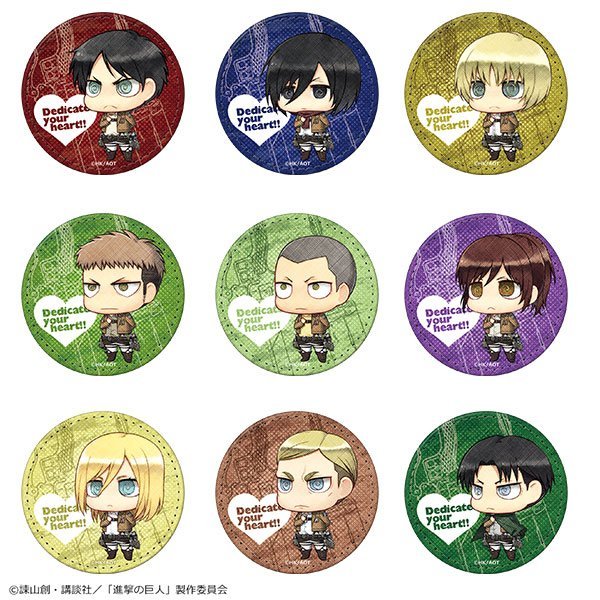
At its core, “Sasageyo” (捧げよ) is the imperative form of the Japanese verb sasageru, which means to offer, to sacrifice, or to dedicate. In the context of the Attack on Titan franchise, it is part of the command “Shinzou wo Sasageyo!”—literally, “Dedicate your heart!” From a brand strategy perspective, this is not just a line of dialogue; it is a quintessential “Call to Action” (CTA).
From Translation to Transformation
A brand’s power is often found in its ability to condense complex emotions into a single, repeatable unit of communication. “Sasageyo” succeeded because it moved beyond literal translation. For global audiences, the word became a symbol of “all-in” commitment. In branding, this transformation is known as “semantic narrowing,” where a broad term becomes specifically associated with the values of a particular entity. When a consumer hears “Sasageyo,” they do not think of generic Japanese verbs; they think of the intensity, the stakes, and the identity of the Attack on Titan brand.
Creating a Sonic Identity
One of the most overlooked aspects of brand strategy is sonic branding. “Sasageyo” is inextricably linked to the melody of the opening theme by the band Linked Horizon. The phonetic punchiness of the word—three syllables, ending in a strong vowel—makes it an ideal auditory logo. Successful brands like Intel, Netflix, and Apple use sound to trigger immediate brand recognition. “Sasageyo” functions in the same way, acting as an emotional anchor that reinforces the brand’s identity every time it is heard.
The Power of Sacrifice: Leveraging the Archetype of the “Hero” in Marketing
In the world of corporate identity and brand storytelling, we often utilize Carl Jung’s archetypes to create a relatable personality for a business. The “Sasageyo” philosophy taps directly into the “Hero” archetype. This archetype is defined by mastery, courage, and the willingness to sacrifice for a greater cause.
The Psychology of “Devoting One’s Heart”
When a brand asks its audience to “dedicate their hearts,” it is moving away from a transactional relationship and toward a transformational one. Modern marketing is no longer about selling a feature; it is about selling a purpose. Brands like Patagonia or Tesla don’t just sell jackets or cars; they sell a commitment to the environment or the future of humanity. “Sasageyo” encapsulates this psychological trigger: the desire to belong to something larger than oneself. By adopting a “Sasageyo” mindset, a brand positions its products as tools for a meaningful mission, thereby increasing the “switching cost” for consumers.
Building Brand Loyalty through Shared Values
High-level branding requires the alignment of internal values with external messaging. The “Sasageyo” sentiment works because it is consistent with the narrative arc of the product it represents. In the corporate world, this is equivalent to “Brand Authenticity.” If a company’s mission statement is to “Devote ourselves to customer excellence,” but their service is mediocre, the brand fails. Attack on Titan maintained its “Sasageyo” brand promise by ensuring every piece of content—from the manga to the final episode—reflected the gravity and sacrifice implied by the catchphrase.
Virality by Design: How Sasageyo Conquered Digital Communities
The transition of “Sasageyo” from a Japanese phrase to a global meme is a textbook example of organic marketing and memetic engineering. In brand strategy, virality is rarely an accident; it is the result of creating “frictionless” content that is easy to share and adapt.
Memetic Engineering and User-Generated Content
A key metric for modern brand success is the volume of User-Generated Content (UGC). “Sasageyo” became a viral sensation because the visual of the “salute” accompanying the phrase (right fist over the heart) was easily replicable. This physical gesture acted as a brand “signature.” On platforms like TikTok and Instagram, users created thousands of videos mimicking the gesture, using the song as a background. For a brand strategist, this is the ultimate goal: the audience becomes the marketing department. The phrase “Sasageyo” provided the “template,” and the community provided the “reach.”
Cross-Cultural Appeal and the Elimination of Language Barriers
One of the greatest challenges in global branding is localization. However, “Sasageyo” managed to bypass this hurdle through emotional resonance. You do not need to speak Japanese to understand the passion behind the word. This is similar to how brands like Coca-Cola or Nike use visual storytelling to communicate across cultures. By focusing on a universal human emotion—dedication—the brand created a global “shorthand” that worked as well in New York as it did in Tokyo.
Lessons for Modern Brands: Implementing the “Sasageyo” Philosophy
How can a modern brand, whether a tech startup or a personal brand, implement the lessons learned from “Sasageyo”? It comes down to three strategic pillars: Clarity of Purpose, Emotional Anchoring, and Community Empowerment.
Consistency Across Touchpoints
A brand is the sum of all its parts. For “Sasageyo” to have the impact it did, it had to be consistent. It wasn’t just a song; it was a theme that appeared in the music, the dialogue, the merchandise, and the marketing campaigns. When developing a corporate identity, consistency across all touchpoints is vital. If your brand’s “Sasageyo” (its core dedication) is innovation, that innovation must be visible in your UI/UX, your customer support, and your internal culture.
Turning Consumers into Advocates
The ultimate stage of the marketing funnel is not “Purchase,” but “Advocacy.” The “Sasageyo” phenomenon turned viewers into advocates who felt a deep, personal connection to the brand. This was achieved by rewarding the community’s passion. Brands can replicate this by building “Brand Communities”—spaces where the most dedicated users can interact, share content, and feel like they are part of the brand’s “inner circle.”
Defining Your Brand’s “Sacrifice”
In a crowded marketplace, brands that stand for everything end up standing for nothing. To truly “Sasageyo,” a brand must be willing to sacrifice certain segments of the market to appeal deeply to another. This is the essence of “Brand Positioning.” By being “all-in” on a specific niche or value proposition, a brand creates a more potent and memorable identity. What is your brand willing to sacrifice to stay true to its core mission?

Conclusion: The Lasting Legacy of Dedication in Branding
What does “Sasageyo” mean? Beyond the dictionary definition, it means the courage to be uncompromising. In the context of brand strategy, it represents the pinnacle of emotional engagement—where a word ceases to be language and becomes an identity.
The success of “Sasageyo” teaches us that in an era of fleeting attention spans, the brands that survive are those that can command the “hearts” of their audience. By combining a clear mission (the sacrifice) with a powerful sonic and visual identity (the phrase and the salute), and fostering a global community of advocates, the Attack on Titan franchise created a brand legacy that will be studied by marketers for years to come.
Whether you are building a personal brand or a corporate empire, the lesson remains the same: If you want your audience to care, you must first be willing to “Sasageyo”—to dedicate your own heart to the mission you serve. In the end, brand strategy is not just about recognition; it is about resonance. And nothing resonates quite like a heart dedicated to its purpose.
aViewFromTheCave is a participant in the Amazon Services LLC Associates Program, an affiliate advertising program designed to provide a means for sites to earn advertising fees by advertising and linking to Amazon.com. Amazon, the Amazon logo, AmazonSupply, and the AmazonSupply logo are trademarks of Amazon.com, Inc. or its affiliates. As an Amazon Associate we earn affiliate commissions from qualifying purchases.