
In the traditional sense, a “crush” is a whirlwind of physiological and psychological responses—racing hearts, obsessive thoughts, and an irrational sense of devotion. In the modern marketplace, this phenomenon has migrated from the realm of interpersonal relationships to the world of brand strategy. We no longer just buy products; we develop “brand crushes.”
But what does having a crush on a brand actually feel like, and why does it matter to the architects of corporate identity? For a consumer, it feels like a magnetic pull toward a specific logo, a sense of pride when carrying a certain shopping bag, and a reflexive defense of the company’s choices. For a brand strategist, it represents the pinnacle of emotional branding: the transition from a transactional relationship to an emotional one.

The Anatomy of Attraction: Why We Fall for Certain Brands
The initial spark of a brand crush is rarely accidental. It is the result of meticulously engineered touchpoints designed to trigger a specific emotional response. Much like a first date, the “meet-cute” between a consumer and a brand sets the stage for everything that follows.
The First Interaction: User Experience as a Meet-Cute
In the digital age, the first interaction often happens on a screen. A brand crush begins when a user experiences a “frictionless” moment. Whether it is the intuitive swipe of an app or the tactile satisfaction of unboxing a premium product, the ease of use creates an immediate sense of relief and pleasure. This is the “halo effect” in action; if the website is beautiful and easy to navigate, we subconsciously assume the product and the company’s values are equally high-quality.
Visual Identity: The Role of Aesthetics in Instant Attraction
We are visual creatures. A brand’s visual identity—its color palette, typography, and imagery—functions as its “physical appearance.” A brand crush often starts with an aesthetic alignment. When a consumer sees a brand like Glossier or Apple, the minimalism isn’t just a design choice; it’s a lifestyle signal. Having a crush on these brands feels like an extension of one’s own identity. You don’t just like the logo; you like who you become when you are associated with it.
The Psychology of Aspiration
A brand crush is often rooted in who we want to be. Luxury brands and high-performance gear (like Peloton or Porsche) lean heavily into aspirational marketing. The “crush” here feels like a bridge between the current self and the ideal self. When a consumer engages with the brand, they get a hit of dopamine because they are momentarily stepping into the life they desire.
Beyond the Surface: Building Deep Emotional Resonance
Once the initial attraction is established, a brand must move from a “crush” to a meaningful “relationship” to ensure longevity. This is where brand strategy moves beyond aesthetics and into the realm of shared values and storytelling.
Shared Values and the Purpose-Driven Connection
Modern consumers, particularly Millennials and Gen Z, seek brands that “stand for something.” A brand crush intensifies when a consumer discovers that a company shares their worldview. This is the secret sauce of brands like Patagonia. When a customer buys a jacket from them, the “crush” is fueled by a shared commitment to environmental activism. It feels like finding a kindred spirit. This emotional resonance creates a buffer against competitors; you wouldn’t “cheat” on a brand that represents your moral compass.
Storytelling as the Language of Intimacy
What does it feel like when a brand tells a great story? It feels like being understood. Brand storytelling isn’t about selling features; it’s about narrating a journey where the customer is the hero. When Nike tells a story about overcoming adversity, they aren’t talking about shoes—they are talking about the human spirit. The “crush” develops because the consumer feels the brand is an ally in their personal struggles.
The Power of Exclusivity and Belonging
Human beings have an innate desire to belong to a “tribe.” Brands that master the art of community building—think Harley-Davidson or Lego—turn individual crushes into a collective movement. Having a brand crush in this context feels like having a secret handshake. It provides a sense of social validation and community support, making the emotional bond nearly unbreakable.
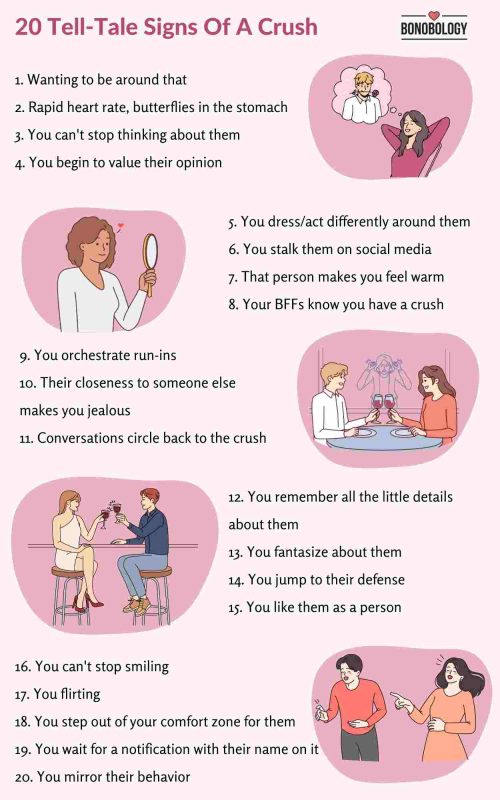
The Neurobiology of Loyalty: What Happens in the Consumer’s Brain
To understand the “feeling” of a brand crush, we must look at the science. Neuromarketing has shown that when people view images of brands they love, the same areas of the brain light up as when they see pictures of their friends or romantic partners.
Dopamine and the Reward Loop of Brand Engagement
Every time a brand delivers on its promise, the brain releases dopamine. This neurotransmitter is responsible for the “rush” of a crush. Over time, the brand becomes a reliable source of pleasure. Whether it’s the notification sound of a favorite social media app or the smell of a new Starbucks coffee, these sensory triggers maintain the “crush” by keeping the brain’s reward system engaged.
The Cognitive Dissonance of Devotion
One of the most fascinating aspects of a brand crush is how it affects logic. When we have a crush, we tend to overlook flaws. In branding, this is known as “brand insulation.” If a brand you are indifferent toward makes a mistake, you abandon them. If a brand you have a “crush” on makes a mistake, you defend them. You find excuses for their high prices or their shipping delays because the emotional investment is too high to walk away from.
From Infatuation to Advocacy: The Brand Loyalty Spectrum
A crush is often the middle stage of the loyalty spectrum. It starts with awareness, moves to a crush (active preference), and ideally ends in advocacy. An advocate doesn’t just feel the crush; they want everyone else to feel it, too. This is the highest ROI a brand can achieve: a customer who acts as a voluntary, unpaid spokesperson because their emotional connection is so profound.
Sustaining the Spark: How Brands Turn Crushes into Lifelong Partnerships
The danger of a “crush” is that it can be fleeting. For a brand to sustain that feeling over decades, it must transition from the excitement of the new to the comfort of the familiar.
Consistency and Reliability: The Bedrock of Trust
You cannot have a long-term relationship without trust. If a brand’s messaging is inconsistent or its product quality fluctuates, the crush fades. Sustaining the spark requires the brand to show up exactly as expected, every single time. This reliability creates a sense of safety. The “feeling” of the crush evolves from a heart-pounding excitement into a deep-seated confidence that the brand will never let you down.
Personalization: The “They Know Me” Factor
In the modern landscape, data-driven personalization is the ultimate way to keep a brand crush alive. When a brand remembers your birthday, suggests products based on your actual needs, or sends a “just because” discount, it feels personal. It mimics the attention to detail found in a romantic relationship. It makes the consumer feel seen and valued, rather than just another number in a database.
The Art of Surprise and Delight
To prevent the relationship from becoming stagnant, brands must occasionally “re-woo” their customers. This is achieved through “Surprise and Delight” tactics—unexpected upgrades, limited-edition collaborations, or exclusive access to events. These moments reignite the initial “crush” feeling, reminding the consumer why they fell in love with the brand in the first place.
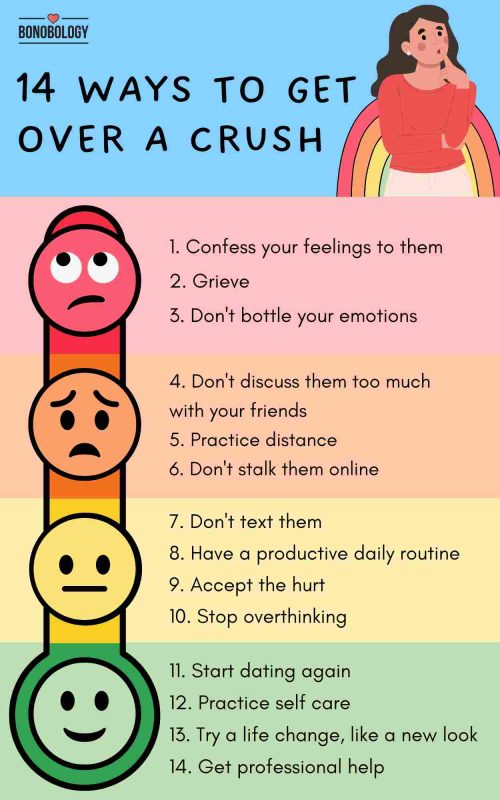
Conclusion: The Strategic Value of the Brand Crush
What does having a crush on a brand feel like? It feels like a mix of identity, aspiration, and trust. It is the feeling that a company “gets” you, represents you, and makes your life better or more beautiful.
For companies, fostering this feeling is the ultimate goal of brand strategy. In a world of infinite choice and collapsing barriers to entry, functional superiority is no longer enough. Competitors can copy your features, your pricing, and your distribution, but they cannot easily copy the emotional bond you have built with your audience.
A brand crush is the ultimate competitive advantage. It transforms a commodity into a necessity and a customer into a fan. By understanding the psychology of attraction, the power of storytelling, and the necessity of trust, brand architects can create experiences that don’t just sit on a shelf—they live in the hearts and minds of their consumers. The “crush” is where the profit lives, but more importantly, it is where the brand becomes human.
aViewFromTheCave is a participant in the Amazon Services LLC Associates Program, an affiliate advertising program designed to provide a means for sites to earn advertising fees by advertising and linking to Amazon.com. Amazon, the Amazon logo, AmazonSupply, and the AmazonSupply logo are trademarks of Amazon.com, Inc. or its affiliates. As an Amazon Associate we earn affiliate commissions from qualifying purchases.