
In the hyper-competitive landscape of global commerce, a brand’s identity is often forged in the materials it chooses. For companies operating in the luxury, fashion, and lifestyle sectors, the term “full grain leather” is far more than a technical specification; it is a powerful branding tool, a signal of uncompromising quality, and a foundational pillar of corporate integrity. When a consumer asks, “What does full grain leather mean?” they are rarely looking for a biological lesson on bovine hides. Instead, they are seeking validation of a brand’s promise.
To understand full grain leather through the lens of brand strategy is to understand the difference between a product that is merely “sold” and one that is “invested in.” It is the highest grade of leather available, and its adoption by a brand speaks volumes about that company’s target demographic, pricing strategy, and long-term vision.
The Alchemy of Quality: Defining Full Grain Leather in the Premium Brand Landscape
At its most basic level, full grain leather refers to the outermost layer of the animal hide, located just below the hair. Unlike other grades of leather, the surface of full grain has not been sanded, buffed, or snuffed to remove natural imperfections or marks. From a brand perspective, this “untouched” nature is the ultimate expression of authenticity.
The Anatomy of the Hide: Why “Full Grain” is the Gold Standard
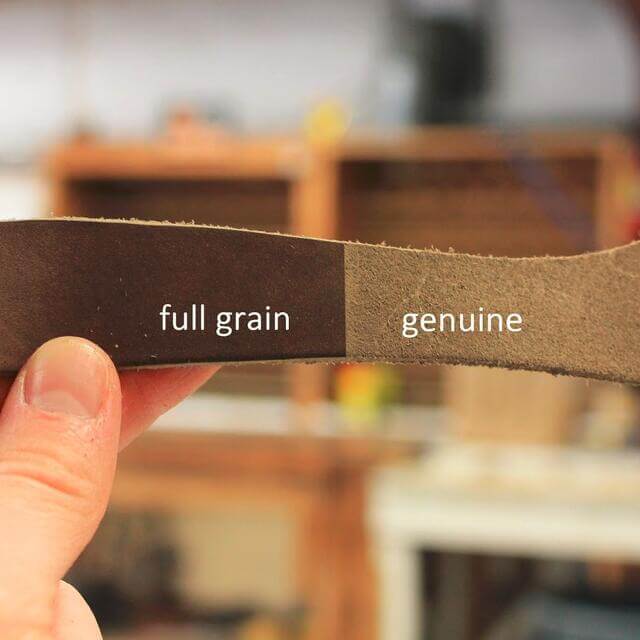
The grain of a hide contains the strongest fibers. Because full grain leather retains this entire layer, it possesses superior durability and breathability. For a brand, choosing this material is an intentional move toward “slow fashion.” While cheaper alternatives like “genuine leather” (a marketing euphemism for lower-quality split leather) or “top grain” (which is sanded down) are easier to work with and more uniform, they lack the structural integrity of full grain. By utilizing the toughest part of the hide, a brand positions itself as a provider of “buy-it-for-life” goods, fostering a reputation for reliability that pays dividends in customer lifetime value.
From Raw Material to Brand Promise: The Durability Factor
In brand strategy, the product’s performance is the ultimate truth of the marketing message. A brand can claim to be “premium,” but if its leather bags peel or crack after a year of use, the brand equity evaporates. Full grain leather does not peel. It is resistant to moisture and develops a unique character over time. By selecting this material, a brand is making a silent promise to the consumer: “This product will outlast the trends of today.” This durability becomes a core component of the brand’s identity, attracting a discerning clientele who value substance over superficiality.
Full Grain as a Signal: The Strategic Power of Material Selection
Every material choice a company makes sends a signal to the market. In the world of personal branding and corporate identity, full grain leather serves as a shorthand for “no shortcuts taken.” It is an expensive material to source and a difficult material to craft, as artisans must work around the natural variations of the hide.
Cultivating Brand Equity through Authenticity
In an era of “greenwashing” and synthetic substitutes, authenticity has become a rare commodity. Full grain leather celebrates the natural history of the animal—healed scars, wrinkles, and pore structures are all visible. For a brand, these “imperfections” are actually assets. They tell a story of a natural product that hasn’t been homogenized by industrial processing. This aligns perfectly with brands that value heritage, craftsmanship, and a “return to roots” ethos. When a brand refuses to sand away these marks, it signals a level of confidence in its own skin—literally and figuratively.
The “Patina” Effect: Why Longevity Enhances Brand Loyalty
One of the most significant branding advantages of full grain leather is the development of a “patina.” As the leather is handled and exposed to the elements, it absorbs oils and develops a rich, lustrous sheen. It changes color and texture, becoming more beautiful with age. This is a marketer’s dream: the product actually improves the longer the customer owns it. This “patina” becomes a badge of honor for the user, a visual representation of their history with the brand. It transforms a commodity into a sentimental heirloom, ensuring that the brand remains a part of the customer’s daily life for decades.
Differentiation in a Crowded Market: Full Grain vs. Genuine Leather

One of the most critical challenges in brand communication is educating the consumer on value. The leather industry is notorious for confusing terminology, often used to mask inferior quality. A savvy brand uses the “full grain” distinction to elevate itself above the noise of “genuine” alternatives.
Debunking the “Genuine Leather” Marketing Myth
To the average consumer, the stamp “Genuine Leather” sounds like a certification of quality. In reality, it is often one of the lowest grades of leather—made from the remaining layers of the hide after the top layers have been split off for higher-end products. Brands that use full grain leather have a unique opportunity to use educational marketing as a competitive advantage. By teaching their audience that “genuine” is actually a tier of mediocrity, they position their own full grain products as the only logical choice for a quality-conscious buyer. This educational approach builds trust and positions the brand as an industry authority.
Pricing Strategy: Justifying Premium Margins with Superior Sourcing
Price is a primary component of brand positioning. However, high prices must be justified by tangible value to avoid being perceived as “luxury for luxury’s sake.” Full grain leather is significantly more expensive to procure because it requires high-quality hides that don’t need to be sanded down (hides with too many blemishes are relegated to the “top grain” or “corrected” categories). By being transparent about their sourcing, brands can justify premium price points. The cost of the material, combined with the specialized labor required to work with uncorrected hides, creates a “value barrier” that cheaper competitors cannot cross.
Brand Sustainability and the Ethics of Longevity
Modern brand strategy is inextricably linked to sustainability. Today’s consumers, particularly Millennials and Gen Z, are increasingly skeptical of fast fashion and disposable culture. Full grain leather fits perfectly into a “circular economy” brand narrative.
The Environmental Impact of “Buy Less, Buy Better”
While the leather industry faces environmental scrutiny, the argument for full grain leather is rooted in the philosophy of longevity. A full grain leather briefcase might last 30 years, whereas a synthetic “vegan leather” (often plastic-based) or a low-grade genuine leather equivalent might last only two. From a brand sustainability standpoint, promoting products that do not need to be replaced every few years is a powerful statement. It positions the brand as a partner in the consumer’s effort to reduce waste, focusing on the “quality over quantity” movement that is currently reshaping the luxury market.
Transparency as a Core Brand Value
For many contemporary brands, transparency in the supply chain is a key differentiator. Brands that utilize full grain leather often go a step further by highlighting the tanneries they work with (such as those certified by the Leather Working Group). This level of detail builds a narrative of responsibility. When a brand can explain what full grain means, where the hides come from, and how they are tanned (e.g., vegetable tanning vs. chrome tanning), it creates a layer of “intellectual luxury” that resonates with the modern, informed consumer.
Case Studies: Iconic Brands Defined by Their Leather Sourcing
The power of full grain leather in branding is best seen in companies that have built their entire corporate identity around material excellence.
Hermès and the Heritage of Perfection
Hermès is perhaps the most famous example of a brand that refuses to compromise on leather quality. Their “Barenia” leather is a high-grade full grain calfskin that requires a specific tanning process. By prioritizing the material above all else, Hermès has created a brand where the product’s quality justifies multi-year waiting lists and five-figure price tags. For Hermès, full grain is not a choice; it is the foundation of their 180-year-old legacy.
Emerging D2C Brands: Using Full Grain to Disrupt Luxury
In the last decade, Direct-to-Consumer (D2C) brands like Saddleback Leather or Maverick Goods have used the “Full Grain” label to disrupt traditional retail. Their marketing often centers entirely on the durability of the leather, using taglines like “They’ll fight over it when you’re dead.” By focusing on the rugged, indestructible nature of full grain, these brands have carved out a niche that appeals to a specific “rugged luxury” persona, proving that material-first branding can successfully challenge established fashion houses.

Conclusion: The Enduring Value of the Grain
In the final analysis, full grain leather is more than just the top layer of a hide; it is a strategic asset. For a brand, it represents a commitment to excellence, a rejection of the disposable, and a bridge of trust between the company and the consumer. By understanding and articulating what full grain leather means, a brand can transcend the role of a mere vendor and become a steward of quality, heritage, and lasting value. In a world of synthetic shortcuts and fleeting trends, the brands that stand the test of time are almost always the ones built on a foundation of “full grain” integrity.
aViewFromTheCave is a participant in the Amazon Services LLC Associates Program, an affiliate advertising program designed to provide a means for sites to earn advertising fees by advertising and linking to Amazon.com. Amazon, the Amazon logo, AmazonSupply, and the AmazonSupply logo are trademarks of Amazon.com, Inc. or its affiliates. As an Amazon Associate we earn affiliate commissions from qualifying purchases.