
In the complex landscape of financial transactions, the term “countersignature” serves as a cornerstone of security, trust, and legal validity. At its most fundamental level, a countersignature is an additional signature added to a document that has already been signed by another party. While it might seem like a mere bureaucratic redundancy, in the world of personal and business finance, it is a critical mechanism used to authenticate agreements, authorize large expenditures, and ensure that all parties are held to their contractual obligations.
Understanding the nuances of countersignatures is essential for entrepreneurs, investors, and individuals navigating significant life milestones, such as purchasing a home or securing a business loan. This guide explores the multifaceted role of the countersignature within the “Money” niche, detailing why it is used, where it is required, and how it protects your financial interests.
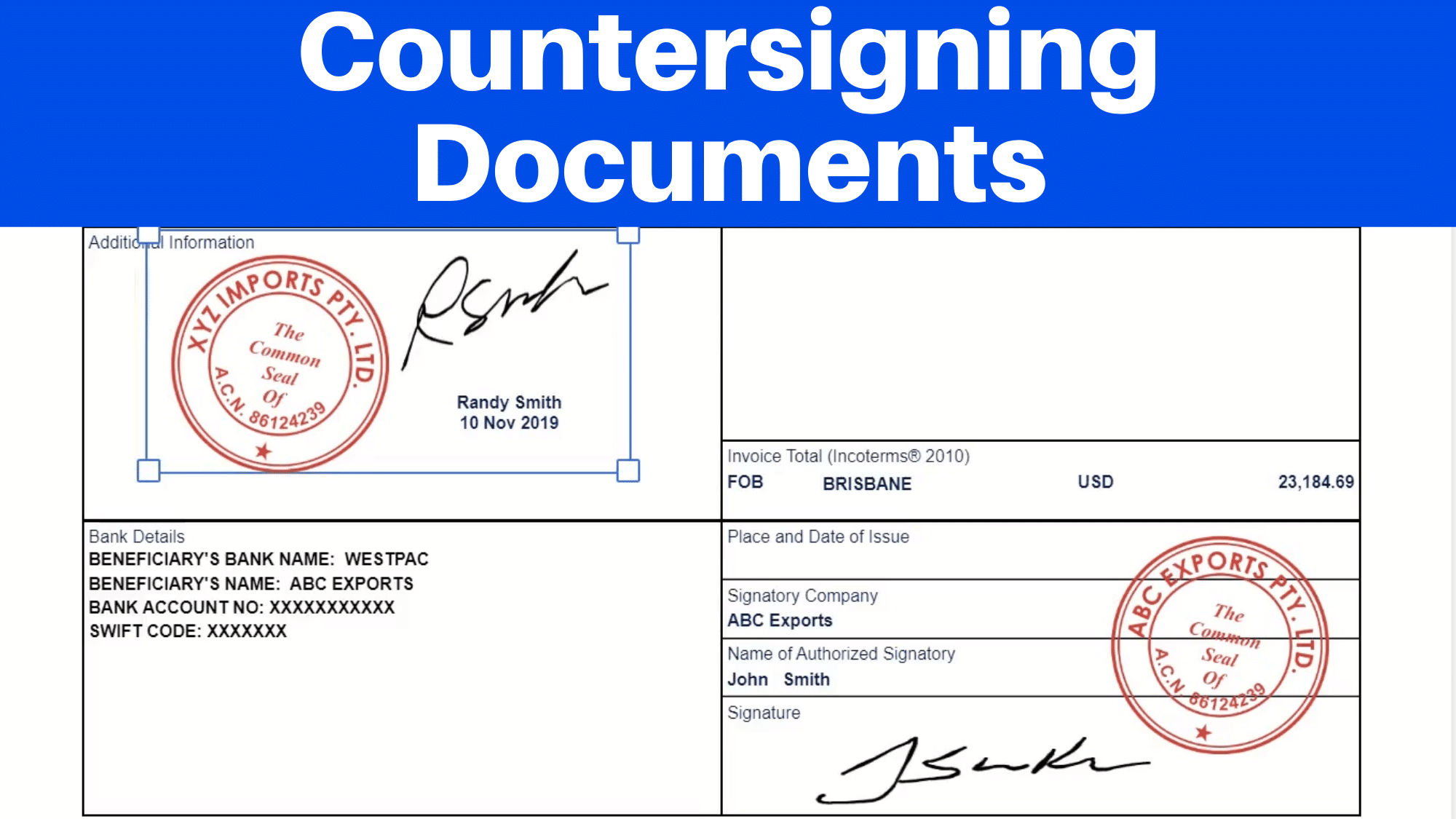
Understanding the Fundamentals of Countersignatures in Financial Transactions
To appreciate the value of a countersignature, one must first understand the life cycle of a financial contract. Most agreements begin with an offer and an acceptance. However, in high-stakes financial environments, a single signature is often insufficient to trigger the execution of a contract.
Defining the Second Signature Requirement
In financial terms, the first signature typically represents the “party of the first part”—the individual or entity initiating the request or making the commitment. The countersignature represents the “party of the second part”—the entity that validates the request or accepts the terms.
For example, when a company issues a high-value check, the first signature might be that of a department head. The countersignature would then be provided by the Chief Financial Officer (CFO). This dual-authorization process ensures that no single individual has total control over the organization’s liquid assets, thereby creating a system of checks and balances that is vital for fiscal responsibility.
The Role of Enforceability in Financial Contracts
A contract is often considered “unexecuted” until the countersignature is applied. In the eyes of the law and financial institutions, the absence of a countersignature can render a document void or unenforceable. This is particularly relevant in commercial lending. If a borrower signs a loan agreement but the bank’s authorized officer fails to provide a countersignature, the funds may not be disbursed because the bank has not technically “accepted” the terms of the deal yet.
The countersignature acts as the final “seal of approval,” signaling that the document is now a legally binding instrument. From a wealth management perspective, ensuring that all countersignatures are properly executed is a primary step in mitigating legal risk.
Common Financial Scenarios Requiring a Countersignature
The application of countersignatures spans a wide variety of financial instruments. Whether dealing with personal banking or corporate mergers, knowing when to expect this requirement can help prevent delays in capital movement.
Banking and High-Value Check Issuance
Historically, the most common encounter an individual had with a countersignature was via traveler’s checks. You would sign the check upon purchase and countersign it at the point of sale to prove your identity. While traveler’s checks have largely been replaced by digital tools, the logic remains in modern business banking.
Many corporate bank accounts require “dual signatures” for checks exceeding a certain threshold (e.g., $10,000). In this scenario, the bank will not honor the check unless two authorized representatives have signed it. This is a fundamental internal control designed to prevent embezzlement and unauthorized withdrawals.
Insurance Policies and Indemnity Agreements
When you enter into an insurance contract, the policy document is usually signed by an executive or an authorized agent of the insurance company. This is a countersignature to your initial application. In the context of “Money,” this is crucial because it confirms that the underwriter has accepted the risk. Without that countersignature, you might have paid a premium without actually having a binding policy in place, which could lead to catastrophic financial loss in the event of a claim.
Business Partnerships and Vendor Contracts
In the realm of business finance, vendor agreements and service contracts frequently require countersignatures. When a startup signs a lease for office space or a contract with a manufacturing partner, the document is not fully “executed” until the landlord or the manufacturer provides their countersignature. For the business owner, the countersignature is the “green light” that allows them to begin accounting for those expenses or projected revenues in their financial statements.
The Strategic Importance of Countersignatures for Risk Management
Beyond the legalities, countersignatures serve as a strategic tool for managing financial risk. For any entity managing significant capital, the process of requiring a second signature is a proactive defense against various forms of financial malpractice.
Preventing Internal Fraud and Unauthorized Spending
Internal fraud is a significant threat to the solvency of small and medium-sized enterprises (SMEs). Without a countersignature requirement, a single employee with access to the company’s accounts could theoretically transfer funds to a private account or pay “ghost vendors.”
By implementing a mandatory countersignature policy for all financial disbursements over a specific amount, a business creates a “four-eyes principle” (the requirement that a transaction be approved by at least two people). This serves as a deterrent to fraudulent activity and ensures that major financial decisions are reviewed by more than one set of eyes.
Legal Compliance and Regulatory Standards
In many jurisdictions, financial institutions are bound by “Know Your Customer” (KYC) and Anti-Money Laundering (AML) regulations. Countersignatures play a role here by providing an audit trail. If a financial document is scrutinized during an audit, the presence of multiple signatures proves that the institution followed its internal protocols and that the transaction underwent proper vetting. For investors and shareholders, this transparency is a key indicator of a company’s corporate governance health.
Modern Evolution: Digital Signatures and Business Finance
As we move toward a cashless and paperless economy, the concept of the “ink signature” is evolving. However, the requirement for a countersignature remains as relevant as ever in the digital space, specifically within fintech and online business operations.
Bridging the Gap Between Legacy Finance and Fintech
Today, “digital countersignatures” are facilitated by encrypted platforms that track the metadata of the signing process. In online income ventures or freelance contracts, digital platforms allow one party to sign and then automatically notify the second party that a countersignature is required.
From a financial tool perspective, these platforms provide a “Certificate of Completion,” which includes the IP addresses and timestamps of both signers. This digital audit trail is often more secure than a physical signature, as it is harder to forge and easier to verify in a court of law. For those involved in online business finance, leveraging these tools ensures that agreements are finalized swiftly without sacrificing security.
Best Practices for Implementing Signature Workflows
For business owners and financial managers, managing the countersignature process efficiently is a matter of operational liquidity. If a contract sits on a desk for weeks awaiting a countersignature, it can stall projects and delay revenue.
- Establish Thresholds: Define exactly which financial amounts require a countersignature to avoid bottlenecking small, routine payments.
- Use Authorized Signatory Lists: Maintain an updated list of who is authorized to provide a countersignature to ensure that the “second signer” actually has the legal authority to bind the company.
- Audit Regularly: Periodically review signed contracts to ensure that no documents were finalized with missing signatures, which could expose the business to financial liability.

Conclusion: The Final Word on Financial Validity
In the world of money, trust is a currency, but verification is the gold standard. The countersignature is the ultimate form of verification. Whether you are an individual signing a mortgage, a partner entering a new business venture, or a CFO managing a multi-million dollar budget, the countersignature represents the final moment of consensus.
By requiring a second signature, financial systems protect themselves from error, fraud, and ambiguity. It ensures that both parties are fully aware of the terms and that the agreement has been vetted by the necessary authorities. While it might add an extra step to the administrative process, the financial security and legal peace of mind it provides are invaluable. In every significant financial transaction, the countersignature is not just a formality—it is the definitive act that turns a piece of paper into a binding financial reality.
aViewFromTheCave is a participant in the Amazon Services LLC Associates Program, an affiliate advertising program designed to provide a means for sites to earn advertising fees by advertising and linking to Amazon.com. Amazon, the Amazon logo, AmazonSupply, and the AmazonSupply logo are trademarks of Amazon.com, Inc. or its affiliates. As an Amazon Associate we earn affiliate commissions from qualifying purchases.