
In the realm of brand strategy, the written word is more than just a vehicle for information; it is the fundamental architecture of a company’s identity. When we ask, “What does analysis mean in writing?” in a professional branding context, we are not merely discussing grammar or syntax. Instead, we are looking at the rigorous process of deconstructing text to understand how it influences perception, builds trust, and drives consumer behavior.
Analysis in writing is the bridge between creative intuition and data-driven strategy. It involves a deep dive into the “why” and “how” of a message, rather than just the “what.” For a brand to resonate in a saturated market, every sentence must be analyzed to ensure it aligns with the corporate identity, speaks to the target demographic, and maintains a competitive edge.
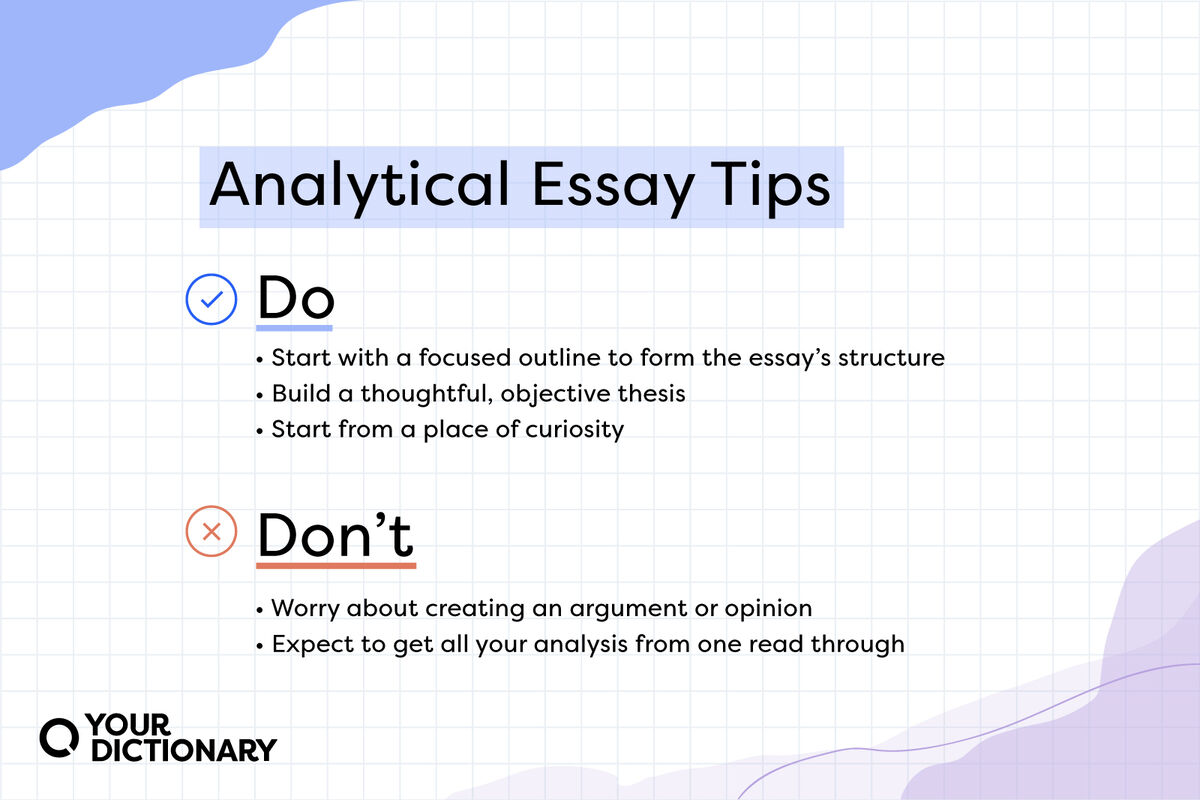
Decoding the Core: The Definition of Analysis in Brand Copywriting
At its most basic level, analysis in writing refers to the critical examination of a text to uncover its underlying components. In branding, this means moving beyond the literal meaning of words to evaluate their emotional and psychological impact.
Moving Beyond Description to Insight
Descriptive writing tells the reader what a product is; analytical writing explores what the product means to the user. When a brand manager analyzes a piece of copy, they are looking for the “insight”—the hidden truth about the audience that the writing addresses. For example, instead of simply stating that a luxury watch is “made of gold,” an analytical approach evaluates how the writing conveys status, heritage, and timelessness. The analysis asks: Does this choice of adjectives evoke the intended prestige? Is the sentence structure formal enough to command respect?
The Anatomy of a Brand Message
Analysis requires breaking a message down into its constituent parts: the hook, the value proposition, the supporting evidence, and the call to action (CTA). By isolating these elements, brand strategists can determine where a piece of writing is succeeding and where it is failing. If a brand’s landing page has high traffic but low conversion, the analysis of the writing might reveal a strong hook but a weak, unconvincing value proposition. This surgical approach to text ensures that every word serves a specific strategic purpose.
Competitive Content Analysis: Reverse-Engineering Success
In the competitive landscape of modern marketing, understanding your own voice is only half the battle. You must also analyze the writing of your competitors. This is known as competitive content analysis, and it is a cornerstone of brand positioning.
Auditing the Voice and Tone of Market Leaders
When we analyze the writing of industry leaders, we are looking for patterns. Does a competitor use a “Challenger” voice—bold, disruptive, and punchy? Or do they adopt a “Caregiver” tone—empathetic, steady, and reassuring? By analyzing the sentence length, vocabulary, and rhetorical devices used by competitors, a brand can identify the “industry standard” for communication. This allows a brand to either harmonize with the market expectations or intentionally deviate from them to stand out.
Identifying Gaps in the Narrative Landscape
Analysis allows a brand to see what isn’t being said. Through a comprehensive review of whitepapers, social media posts, and advertisements within a specific niche, a brand strategist can identify “content gaps.” For instance, if every brand in the skincare industry is writing about “science-backed results,” an analytical review might reveal an opportunity to write about “emotional well-being” or “sustainability” instead. Analysis provides the data needed to pivot the brand narrative into unoccupied, and therefore more profitable, territory.

Audience-Centric Analysis: Writing for Resonance, Not Just Reach
A brand exists only in the mind of the consumer. Therefore, analysis in writing must prioritize the audience’s perspective. Strategic writing analysis involves scrutinizing text through the lens of user experience (UX) and psychological triggers.
Analyzing Psychological Triggers in Consumer Writing
Effective brand writing often utilizes specific psychological principles, such as social proof, scarcity, or authority. Analyzing writing in this context means checking if these triggers are being used ethically and effectively. Does the copy create a sense of belonging? Does the storytelling follow a “Hero’s Journey” where the customer is the protagonist? By analyzing the narrative arc of marketing materials, brands can ensure they are building an emotional connection rather than just pushing a sales pitch.
Testing and Iterating Based on Content Performance
In the digital age, analysis is often iterative. Brands use A/B testing to analyze which version of a headline performs better. However, the true “analysis” happens after the data comes in. If “Headline A” outperformed “Headline B,” the strategist must analyze the linguistic differences. Was it the use of an active verb? Was it the inclusion of a specific benefit? This form of analysis turns raw data into actionable writing guidelines that can be applied to future campaigns, ensuring a constant upward trajectory in brand engagement.
The Role of Analytical Writing in Developing a Unique Brand Identity
Every iconic brand has a “Brand Bible” or a set of style guidelines. These documents are the product of exhaustive writing analysis. They define the boundaries of what the brand can and cannot say, ensuring consistency across all touchpoints.
Synthesis: Turning Analysis into a Brand Style Guide
Once a brand has analyzed its audience, its competitors, and its own internal values, it must synthesize these findings into a cohesive voice. This is where analysis meets execution. The brand strategist analyzes the “personality” of the brand—if the brand were a person, how would they speak? The resulting style guide acts as a filter for all future writing. Every blog post, tweet, and billboard is analyzed against this guide to ensure that the brand voice remains recognizable, whether the customer is reading an email or a physical product package.
Future-Proofing the Brand through Continuous Narrative Evaluation
The meaning of words and the cultural context of language are constantly shifting. Therefore, analysis is not a one-time event. A brand that analyzed its writing in 2010 would find its tone hopelessly outdated today. Professional brand analysis involves a “narrative audit” every few years. This process involves reviewing all existing brand collateral to ensure the language remains inclusive, modern, and aligned with current consumer values. By constantly analyzing the impact of their writing, brands can evolve without losing their core identity.
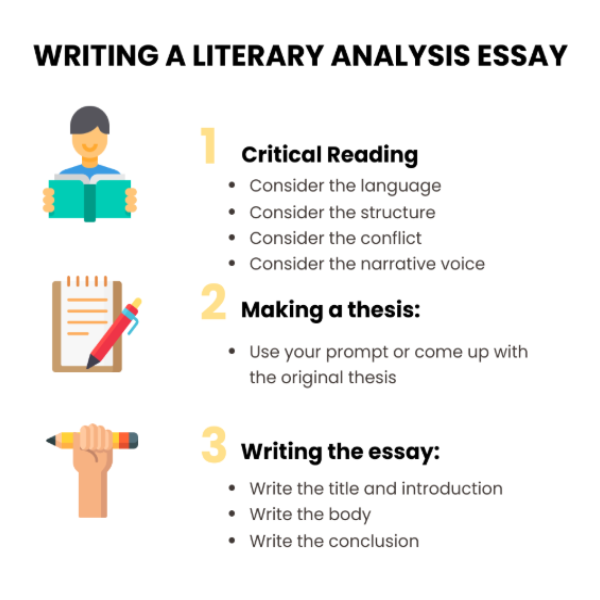
Conclusion: The Strategic Power of the Analytical Mindset
In the world of branding, writing is a high-stakes endeavor. A single poorly chosen word can alienate a demographic, while a perfectly analyzed campaign can build a lifetime of loyalty. To ask “What does analysis mean in writing?” is to ask how we can make communication more intentional, more effective, and more human.
Analysis is the tool that transforms a collection of sentences into a powerful brand asset. It requires a blend of linguistic precision, psychological insight, and market awareness. By deconstructing the components of a message, auditing the competitive landscape, and obsessing over the audience’s emotional response, brand strategists ensure that their writing does more than just fill a page—it builds a legacy. In the end, analysis in writing is about clarity: knowing exactly who you are speaking to, what you are saying, and why it matters.
aViewFromTheCave is a participant in the Amazon Services LLC Associates Program, an affiliate advertising program designed to provide a means for sites to earn advertising fees by advertising and linking to Amazon.com. Amazon, the Amazon logo, AmazonSupply, and the AmazonSupply logo are trademarks of Amazon.com, Inc. or its affiliates. As an Amazon Associate we earn affiliate commissions from qualifying purchases.