
In the world of professional branding, communication is the primary bridge between a company’s values and its target audience. While most brand managers focus heavily on visual identity—logos, color palettes, and typography—the linguistic nuance of a brand’s voice is often what determines long-term customer loyalty. A term that frequently arises in the critique of brand copywriting and customer experience (CX) is “accusatory.”
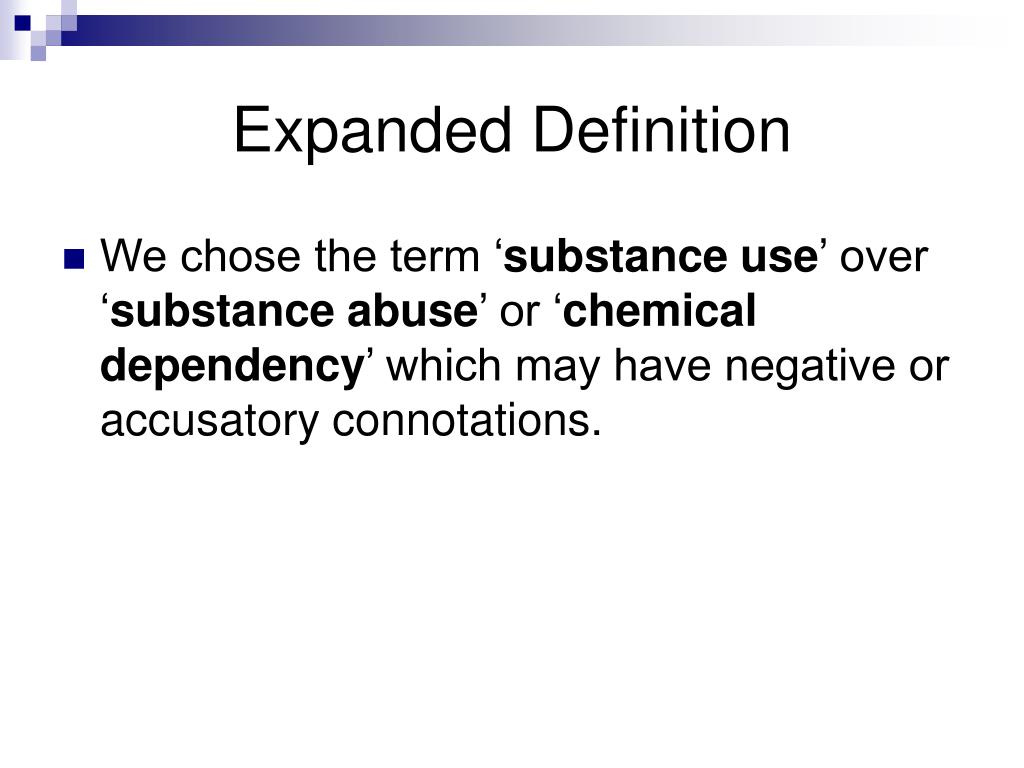
To understand what “accusatory” means in the context of brand strategy, we must look beyond the dictionary definition. While the literal meaning involves assigning blame or suggesting wrongdoing, in branding, an accusatory tone is a subtle communicative failure where the brand’s messaging makes the customer feel defensive, judged, or responsible for a friction point. This article explores the impact of accusatory language on brand perception, how to identify it, and how to pivot toward a more supportive brand identity.

1. The Psychology of the Accusatory Tone in Marketing
At its core, an accusatory tone shifts the burden of an issue onto the recipient. In brand strategy, this is often unintentional, stemming from a lack of empathy in the copywriting process. When a brand sounds accusatory, it triggers a psychological phenomenon known as defensive bias. Instead of engaging with the brand’s call to action, the consumer focuses on protecting their ego or justifying their actions.
Identifying “You-Statements” vs. “Brand-Statements”
One of the most common ways a brand becomes accusatory is through the overuse of “you-statements” during moments of friction. For example, a subscription service might send an email saying, “You failed to update your credit card information.” While factually true, the phrasing is accusatory. It places the “failure” squarely on the customer.
A sophisticated brand strategy shifts this to a “Brand-Statement” or a neutral observation: “We were unable to process your recent payment.” By focusing on the system’s action rather than the user’s mistake, the brand maintains a partnership rather than a prosecution.
The Impact on Consumer Trust and Defensive Bias
Consumer trust is fragile. When a brand adopts an accusatory tone, it breaks the “halo effect”—the tendency for a customer to view a brand’s products favorably because they like the brand’s personality. An accusatory message signals that the brand is more interested in its own bottom line or administrative ease than in the customer’s experience. This creates a power imbalance that can lead to high churn rates and negative word-of-mouth.
2. When Brand Messaging Goes Wrong: Real-World Implications
An accusatory tone rarely exists in a vacuum. It usually manifests in specific touchpoints where the customer is already feeling vulnerable or frustrated. In brand strategy, identifying these “danger zones” is crucial for maintaining a positive corporate identity.
Friction in the User Journey and Checkout Process
The checkout process is the most delicate part of the customer journey. It is also where accusatory language most frequently appears in the form of error messages. Consider the difference between an input field that flashes red and says, “You entered an invalid zip code,” versus one that says, “That zip code doesn’t seem to match our records.”
The former accuses the user of an error; the latter suggests a data mismatch. For high-end luxury brands or fintech companies where precision and trust are paramount, removing accusatory language from technical errors is a vital component of the user experience (UX) strategy.
The Danger of Negative Reinforcement in Retention Campaigns
Retention marketing—the art of keeping existing customers—often falls into the trap of “guilt-tripping,” which is a subset of accusatory communication. We have all seen the “Unsubscribe” pages that feature a sad puppy or text that says, “We guess you don’t care about saving money anymore.”
While meant to be humorous, these tactics are fundamentally accusatory. They suggest that the customer’s decision to leave is a moral or intellectual failing. Modern brand strategy favors “positive offboarding,” where the brand thanks the user for their time and leaves the door open, ensuring the brand’s identity remains untainted by desperation or judgment.
3. Crafting a Supportive Brand Voice: Strategies for Neutrality and Empathy
To avoid an accusatory tone, brand strategists must implement a “supportive voice” framework. This involves a conscious shift in syntax and vocabulary to ensure the customer feels guided rather than corrected.
Rewriting Technical Error Messages
The first step in a tone audit is reviewing every automated message sent by your platform. This includes password resets, shipping delays, and out-of-stock notifications. A supportive brand voice uses passive voice strategically—usually a “no-no” in writing, but a powerful tool in brand strategy to avoid blame. Instead of “You didn’t fill out the form,” use “The form requires a few more details to proceed.” This keeps the momentum moving forward without pointing fingers.
Training Customer Support for De-escalation
Brand identity is often most visible when things go wrong. Customer support teams are the front line of brand strategy. Training these teams to avoid accusatory language is essential. Instead of a representative saying, “You didn’t follow the instructions in the manual,” they should be trained to say, “The manual can be a bit tricky; let’s walk through those steps together.” This transforms the interaction from a confrontation into a consultation, reinforcing a brand identity of helpfulness and expertise.
4. Accusatory Language in Crisis Management and PR
Beyond day-to-day copywriting, the word “accusatory” takes on a much larger role in a brand’s public relations and crisis management strategy. When a company faces a scandal or a product failure, the tone of its response can either save or destroy its reputation.
The “Blame Game” in Corporate Identity
When a brand is under fire, the instinct of the legal or executive team is often to defend the company by pointing to external factors. This often results in accusatory PR statements that blame “misinterpreted data,” “rogue employees,” or even the customers themselves.
A famous example of this was during the “Antennagate” crisis with Apple, where the initial response was essentially telling users they were “holding the phone wrong.” This accusatory stance led to a massive PR backlash. A more effective brand strategy acknowledges the friction immediately and focuses on the solution, rather than the “misuse” by the consumer.
Building Accountability Without Alienation
The strongest brands are those that take radical accountability. In crisis management, this means avoiding any language that could be perceived as accusing the public of being “misinformed” or “overreacting.” A brand that takes responsibility is viewed as powerful and reliable; a brand that sounds accusatory appears weak and defensive. By choosing words that emphasize “learning,” “improving,” and “listening,” a brand can navigate a crisis while strengthening its core identity.
5. Auditing Your Brand Strategy for Tone and Sentiment
To ensure your brand never drifts into accusatory territory, you must implement a rigorous auditing process. This is not a one-time task but an ongoing part of brand maintenance.
Utilizing Sentiment Analysis AI Tools
In the modern tech-driven brand landscape, we have access to sentiment analysis tools that can scan vast amounts of copy to detect tone. These AI tools can flag language that sounds overly aggressive, condescending, or accusatory. By integrating these tools into the content creation workflow, brand managers can catch problematic phrasing before it ever reaches the customer.
Establishing Brand Voice Guidelines for Consistency
The most effective way to prevent an accusatory tone is to document exactly what your brand should sound like. A comprehensive Brand Voice Guide should include a “This, Not That” section specifically for friction points.
- Don’t Say: “You missed the deadline to claim your rewards.”
- Do Say: “Your rewards have expired, but here is how you can earn more.”
By providing these concrete examples, you ensure that every copywriter, social media manager, and support agent is aligned with a non-accusatory, customer-centric philosophy.
Conclusion: The Long-Term Value of an Empathetic Voice
What does “accusatory” mean in brand strategy? It means a failure of empathy. It means prioritizing the brand’s ego over the customer’s experience. In an era where consumers have endless choices, the brands that win are those that make their customers feel seen, understood, and supported—never blamed.
By auditing your messaging, training your teams, and prioritizing a supportive tone, you can transform your brand from a cold corporate entity into a trusted partner. An accusatory tone may seem like a small detail, but in the competitive landscape of modern branding, the way you say things is just as important as what you are selling. High-performing brands know that they should never win an argument at the expense of losing a customer.
aViewFromTheCave is a participant in the Amazon Services LLC Associates Program, an affiliate advertising program designed to provide a means for sites to earn advertising fees by advertising and linking to Amazon.com. Amazon, the Amazon logo, AmazonSupply, and the AmazonSupply logo are trademarks of Amazon.com, Inc. or its affiliates. As an Amazon Associate we earn affiliate commissions from qualifying purchases.