
In the competitive landscape of global marketing, symbols are the currency of communication. They bypass linguistic barriers, tapping directly into the human psyche to evoke emotion, memory, and loyalty. Among the most vibrant and misunderstood icons in contemporary design is the sugar skull, or Calavera. Traditionally rooted in the Mexican celebration of Día de los Muertos (Day of the Dead), the sugar skull has transitioned from a folk-art centerpiece to a powerhouse of visual branding.
But what does a sugar skull symbolize when it moves from an altar to a corporate logo or a product line? In the context of brand strategy and design, the sugar skull represents more than just an aesthetic choice; it is a masterclass in semiotics, cultural storytelling, and the delicate balance between tradition and commercial appeal.
The Semiotics of the Sugar Skull in Modern Brand Identity
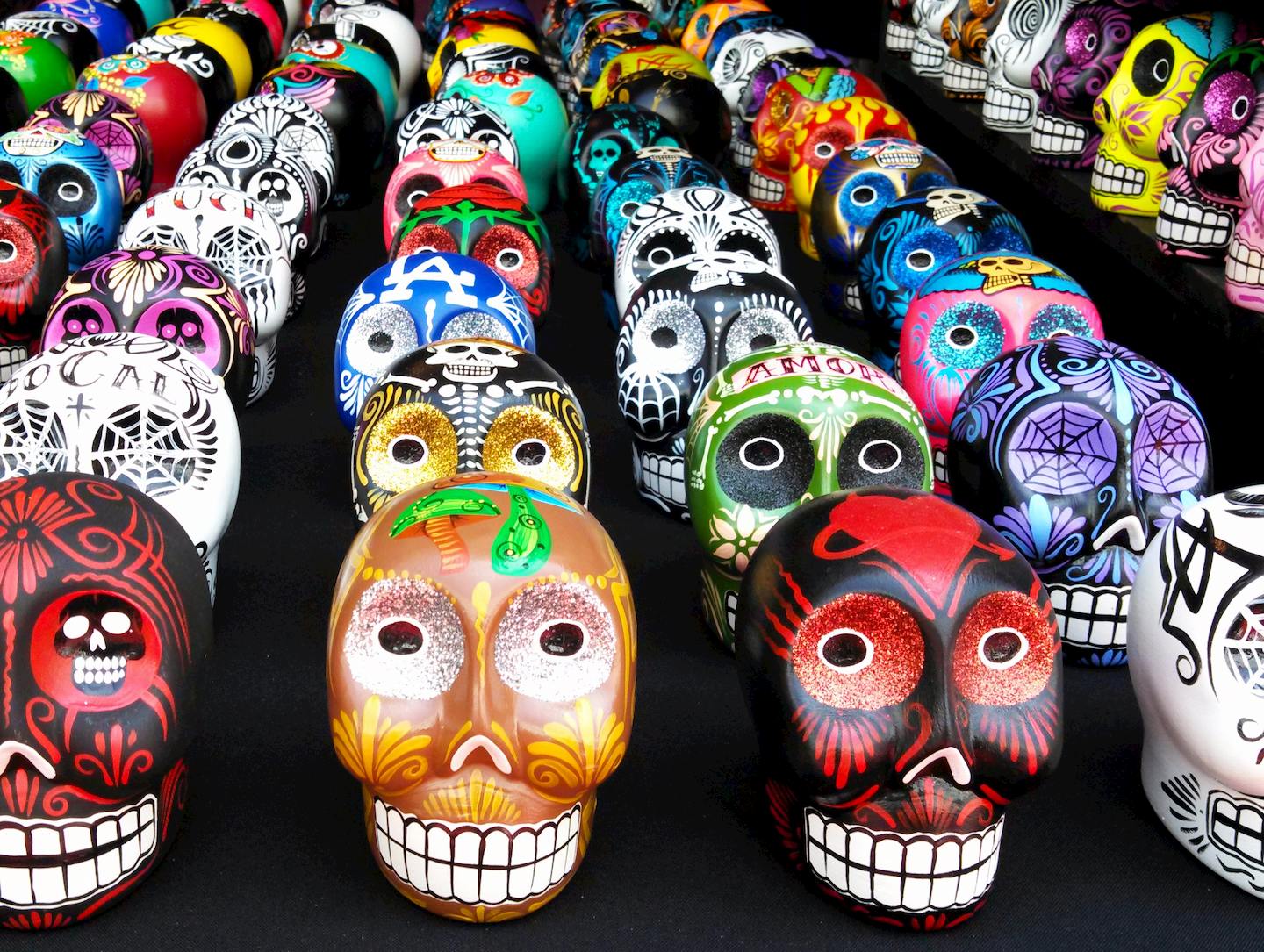
In branding, semiotics is the study of signs and symbols and their interpretation. The sugar skull is a dense semiotic object. Unlike the traditional Western “memento mori,” which often uses the skull as a grim reminder of mortality and fear, the sugar skull flips the script. It symbolizes a celebratory view of life, the honoring of heritage, and the persistence of personality beyond existence.
Visual Hierarchy and Recognition
From a design perspective, the sugar skull offers an incredibly high level of “distinctiveness.” Branding experts emphasize the importance of recognizable assets, and the sugar skull’s structure—symmetrical, ornate, and high-contrast—makes it instantly identifiable even at a distance or in low-resolution digital formats. Brands that utilize this iconography are often looking to project a “bold” or “unconventional” persona. It breaks the “bland-fication” of modern corporate minimalism by offering intricate patterns that demand the viewer’s attention.
Evoking Emotional Resonance
Great brands don’t sell products; they sell feelings. The sugar skull symbolizes the “celebration of life,” a powerful emotional hook. When a brand adopts this symbol, it aligns itself with themes of joy, remembrance, and the defiance of the mundane. This is particularly effective for lifestyle brands, beverage companies, and creative agencies that want to signal a “soulful” identity. By leveraging the sugar skull, a brand suggests that it values depth, history, and a spirited approach to the consumer experience.
Cultural Authenticity vs. Commercial Appropriation
As the sugar skull becomes a global design trend, brand strategists face a critical challenge: the line between cultural appreciation and appropriation. Because the sugar skull symbolizes sacred ancestral connections, its use in marketing requires a high degree of cultural intelligence (CQ).
Navigating the Line of Respect
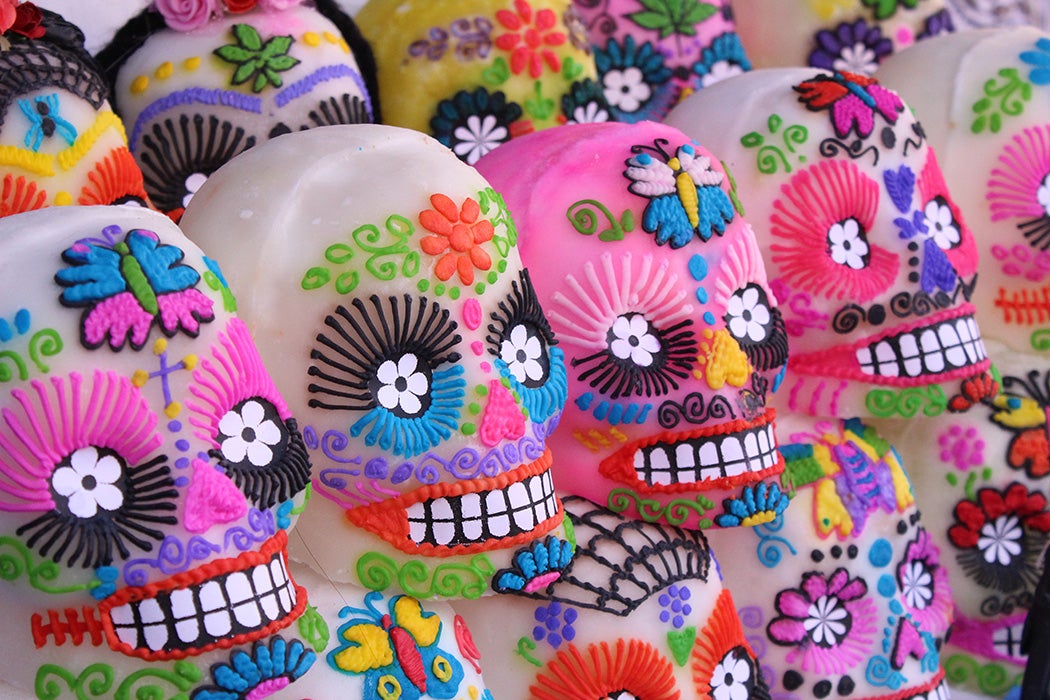
For a brand to use the sugar skull effectively, it must understand the history behind the decoration. The flowers (usually marigolds) symbolize the fragility of life; the bright colors represent the vibrancy of the soul. A brand that “slaps” a sugar skull onto a product without context risks “brand dilution” or, worse, a public relations backlash. Strategic branding involves deep research to ensure that the symbol is used to honor its origins rather than merely to exploit a “cool” aesthetic.
Case Studies of Strategic Alignment
Several brands have successfully integrated the sugar skull by partnering with Mexican artists or donating to cultural preservation funds. For example, when high-end spirits or apparel brands use the Calavera, they often release limited-edition packaging that tells the story of the artisans. This transforms the symbol from a generic graphic into a narrative-driven brand asset. It shows the consumer that the brand is an “educator” and a “patron of the arts,” which significantly boosts brand equity among conscious consumers.
Designing for Immortality: Lessons in Brand Longevity
The sugar skull is a symbol of “immortality”—the idea that someone is never truly gone as long as they are remembered. In the world of branding, this translates to the quest for brand longevity and the “Evergreen Identity.”
Contrast and Vibrancy in Color Palettes
The sugar skull is rarely monochrome. It symbolizes a riot of life through color. In brand design, this provides a template for creating a “dynamic visual system.” Designers can use the specific color meanings of the sugar skull to inform a brand’s palette:
- Yellow/Orange: Symbolizing the sun and the light of the path—ideal for brands focusing on energy and guidance.
- Purple: Symbolizing suffering turned to spirit—often used by brands conveying luxury, mystery, or depth.
- Pink: Symbolizing celebration and joy—perfect for consumer goods aimed at social experiences.
By using these color associations, a brand can create a multi-sensory identity that feels both ancient and cutting-edge.
The Iconography of Celebration
While many brands focus on “problem-solving,” brands that use the sugar skull focus on “celebration.” This is a strategic pivot. Instead of positioning a product as a tool to fix a life deficiency, the sugar skull symbol positions the brand as a participant in the user’s best moments. It suggests that the brand is part of the user’s legacy and personal story. This creates a “community-centric” brand model, where the icon becomes a badge of belonging for a tribe of like-minded individuals.
Implementing Folk-Art Elements in Personal Branding
In the age of the creator economy, personal branding has become as vital as corporate branding. Many creatives, musicians, and entrepreneurs use the sugar skull as a central pillar of their personal identity.
Differentiating Through Narrative Design
In a sea of “clean” and “corporate” personal brands, the sugar skull offers a “maximalist” alternative. It symbolizes a person who is not afraid of complexity or their own history. For a consultant or a designer, using sugar skull elements can signal a “disruptor” status. It tells potential clients that this individual brings a unique, culturally rich perspective to the table that isn’t found in a standard PowerPoint template.
Consistency Across Digital and Physical Touchpoints
The versatility of the sugar skull makes it an excellent “anchor” for a brand’s visual ecosystem. Because it can be simplified into a line-art icon for a favicon or expanded into a mural-sized masterpiece for an office lobby, it maintains brand consistency across diverse platforms. For a personal brand, this consistency builds trust. Whether a follower sees a sugar-skull-themed logo on a business card or a social media banner, the “vibe” remains consistent: vibrant, deep, and memorable.
The Strategic Future of the Sugar Skull in Design
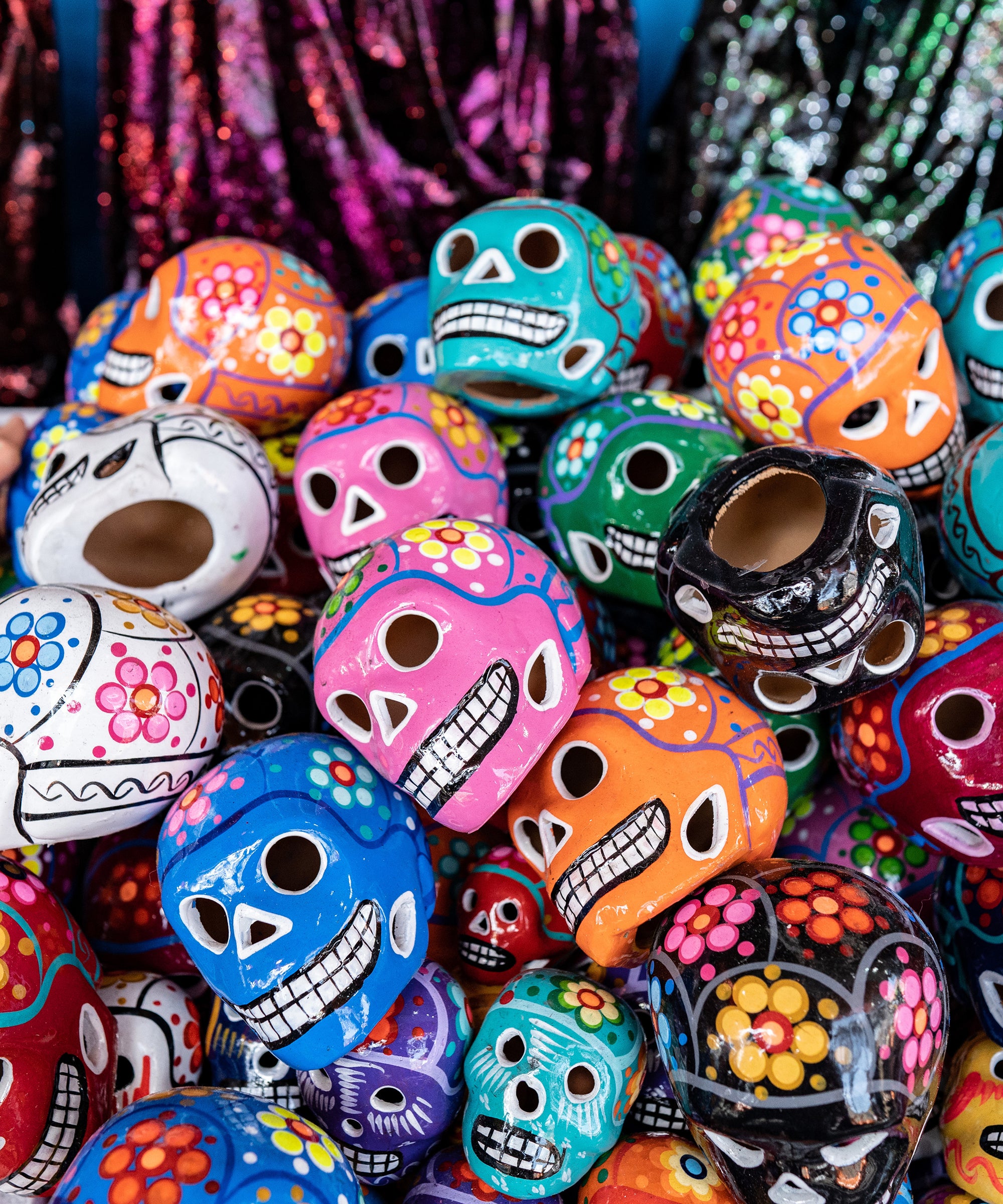
As we move further into a digital-first world, the symbolism of the sugar skull is evolving again. We are seeing it integrated into motion graphics and “liquid” brand identities, where the patterns on the skull shift and change in response to user interaction.
The sugar skull symbolizes a bridge between the past and the future. For a brand strategist, it represents the ultimate goal: creating a symbol that is so powerful it survives the passage of time. It teaches us that the most effective brands are those that embrace the full spectrum of the human experience—the light and the dark, the history and the future, the individual and the community.
In conclusion, the sugar skull is not just a seasonal decorative motif. It is a profound cultural symbol that, when used with strategic intent and cultural respect, can elevate a brand from a mere vendor to a meaningful part of a consumer’s cultural landscape. It symbolizes a brand that has a “soul,” a history, and an unwavering commitment to celebrating life in all its colorful complexity. For any brand looking to leave a lasting mark, the lessons of the Calavera are clear: be bold, be vibrant, and above all, be unforgettable.
aViewFromTheCave is a participant in the Amazon Services LLC Associates Program, an affiliate advertising program designed to provide a means for sites to earn advertising fees by advertising and linking to Amazon.com. Amazon, the Amazon logo, AmazonSupply, and the AmazonSupply logo are trademarks of Amazon.com, Inc. or its affiliates. As an Amazon Associate we earn affiliate commissions from qualifying purchases.