
In the rapidly evolving landscape of Medical Technology (MedTech) and the specialized sector of FemTech, the traditional patient experience is undergoing a digital revolution. For decades, the question “what does a pap smear test feel like” has been answered through the lens of cold metal instruments and clinical anxiety. However, as we move further into the decade, technology is redefining this experience. From the application of advanced materials science in hardware design to the integration of Artificial Intelligence (AI) in diagnostic analysis, the “feel” of preventive care is shifting from mechanical to digital, and from intrusive to streamlined.
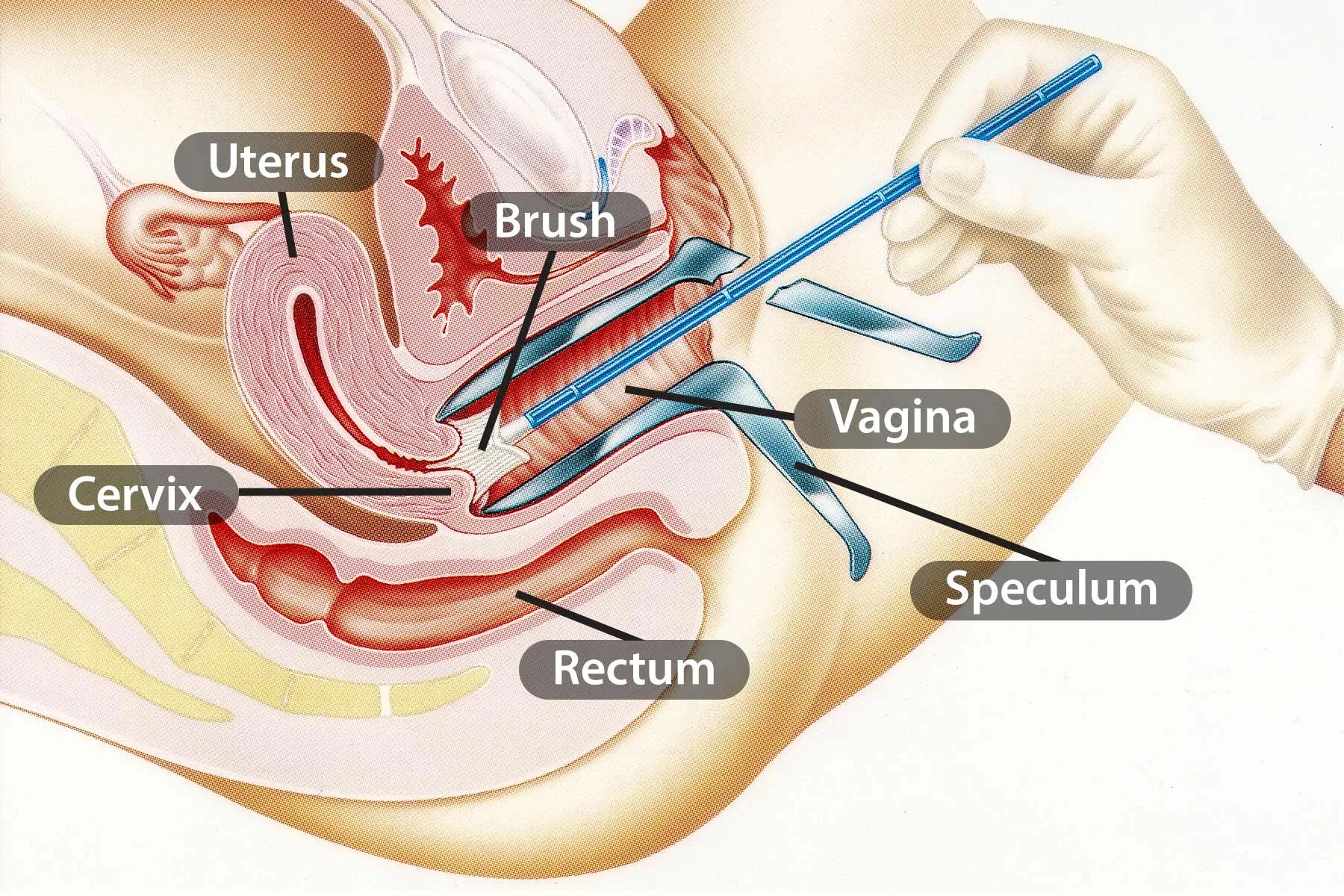
The Evolution of Diagnostic Hardware: Beyond the Traditional Speculum
The physical experience of a Pap smear has historically been defined by the speculum—a device that has remained largely unchanged since the 19th century. In the tech-driven medical era, engineers and product designers are finally addressing the ergonomic and psychological shortcomings of traditional stainless steel tools.
Advancements in Materials Science and Ergonomics
Modern MedTech startups are replacing cold, rigid steel with medical-grade polymers and soft-touch silicone. This change in materials fundamentally alters the tactile sensation of the procedure. New designs focus on “pressure distribution,” using CAD (Computer-Aided Design) to simulate how a device interacts with human tissue. By optimizing the expansion mechanism, technology has reduced the “pinching” sensation and the jarring temperature shock associated with traditional exams. This isn’t just a comfort upgrade; it is a sophisticated engineering solution to increase patient compliance and data accuracy.
Smart Speculums and Integrated Imaging
The next generation of diagnostic hardware includes “smart speculums” equipped with high-definition optical sensors and LED lighting. These devices allow for real-time visualization, often connected to a tablet or a secure cloud interface. For the patient, this changes the “feel” of the exam from a blind procedure to a collaborative, transparent experience. When a clinician can use digital imaging to pinpoint the cervix with precision on the first attempt, the duration of physical discomfort is drastically minimized.
Digital Integration and the AI Layer: The Shift to Objective Data
The “feel” of a Pap smear also encompasses the psychological weight of waiting for results. Historically, this involved a manual “hunt” by cytotechnologists looking through microscopes at thousands of cells. Technology is now automating this process, changing the speed and accuracy of the entire diagnostic pipeline.
AI-Powered Cytology and Image Recognition
Artificial Intelligence is now being used to pre-screen cytology slides. Machine learning algorithms, trained on millions of images of both healthy and malignant cells, can highlight suspicious areas for a pathologist to review. This “human-in-the-loop” AI system reduces the margin for human error and fatigue. For the patient, this means the procedure “feels” more reliable. The anxiety of a potential false negative is mitigated by the knowledge that high-speed computing is cross-referencing their samples against massive global databases of oncological patterns.
Cloud Computing and Rapid Reporting
Legacy systems often resulted in a two-week “dark period” where patients waited in limbo. Today’s diagnostic tech utilizes cloud-based Laboratory Information Systems (LIS) that integrate directly with Patient Portals. As soon as the AI-assisted analysis is verified, the results are pushed to an encrypted app. This digital immediacy changes the emotional “feel” of the test, replacing a period of high stress with a streamlined data delivery experience that mirrors the efficiency of modern fintech or logistics apps.
The Rise of At-Home Tech: Redefining the “Feeling” of Clinical Testing
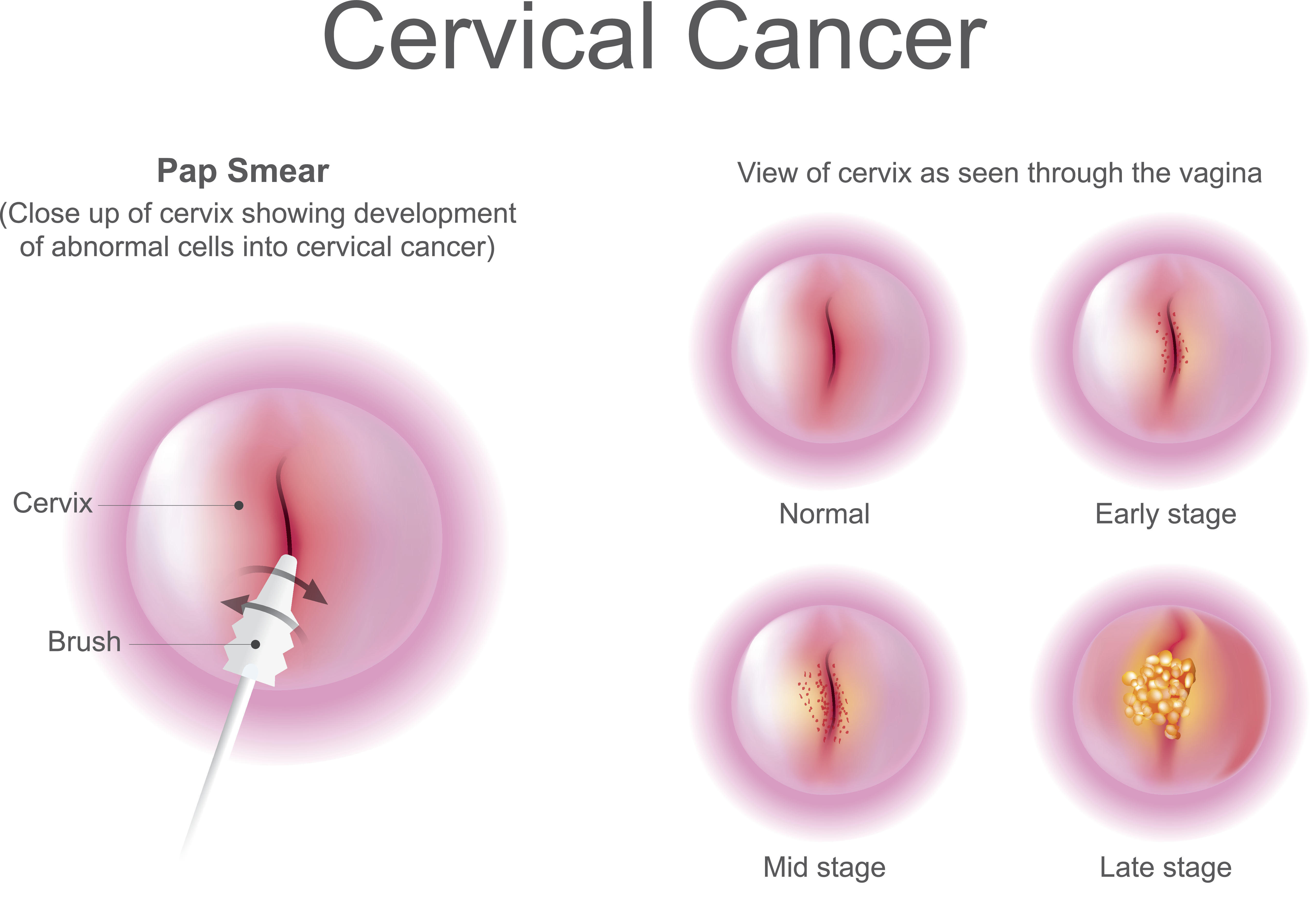
One of the most significant shifts in the niche of health technology is the decentralization of the clinic. The “feel” of a Pap smear is being completely transformed by the rise of self-sampling kits and HPV (Human Papillomavirus) DNA testing.
The UX of Self-Sampling Kits
User Experience (UX) design is at the forefront of the new wave of at-home diagnostic kits. These products are designed to be intuitive, often resembling high-end consumer tech rather than intimidating medical gear. The “feel” here is one of empowerment and privacy. By utilizing soft-bristle brushes and standardized collection vials, the physical sensation is less intrusive than a clinical exam. The tech behind these kits—specifically the stabilization buffers that preserve DNA at room temperature—allows for medical-grade testing to occur in the comfort of one’s home.
Telehealth Integration and Virtual Guidance
Technology has bridged the gap between self-collection and professional oversight. Many FemTech platforms now offer “virtual sit-ins” via secure video links. A patient can be guided through the collection process by a professional in real-time. This blend of software and healthcare services ensures that even though the “feel” of the test is private, the medical rigor remains intact. This hybrid model uses technology to remove the barriers of geography and scheduling, making preventive care a seamless part of a digital lifestyle.
Data Privacy and Digital Security in Gynecological Tech
As the Pap smear experience becomes more digitized, the “feel” of the procedure increasingly involves a sense of digital security. With the rise of “smart” diagnostic tools and app-based results, the protection of highly sensitive biological data has become a paramount technological challenge.
Encryption and HIPAA-Compliant Architectures
In the tech world, the “feel” of a service is often dictated by trust. Modern MedTech companies are investing heavily in end-to-end encryption to ensure that images of a patient’s cervix or their genetic data cannot be breached. The transition from paper charts to blockchain-verified or highly encrypted cloud storage provides a layer of security that was previously impossible. For the modern patient, knowing that their most intimate health data is protected by the same level of security used by global financial institutions is a critical component of the overall experience.
The Role of Big Data in Personalized Medicine
The data collected from millions of digital Pap smears is being used to build “Big Data” sets that inform public health policy and personalized medicine. Advanced analytics can now predict which demographics are at higher risk based on longitudinal data trends. While the individual “feels” a quick, streamlined test, they are actually participating in a global tech network that is working to eradicate cervical cancer through predictive modeling. This shift from reactive medicine to proactive, data-driven wellness is perhaps the most profound change technology has brought to the field.
The Future: Wearables and Non-Invasive Diagnostics
Looking toward the horizon, the “feel” of a Pap smear may eventually move away from physical sampling altogether. Emerging tech is exploring the use of biosensors and even “smart tampons” that could monitor cellular changes via menstrual blood.
Biosensor Evolution
Research into volatile organic compounds (VOCs) suggests that in the future, a “test” might feel like nothing more than a breathalyzer or a non-invasive skin patch. Sensor technology is reaching a point where it can detect the chemical signatures of precancerous changes without the need for a physical scrape of the cervix. This represents the ultimate technological goal: making the physical “feel” of the test disappear entirely while maintaining—or even increasing—diagnostic power.
Integrated Health Ecosystems
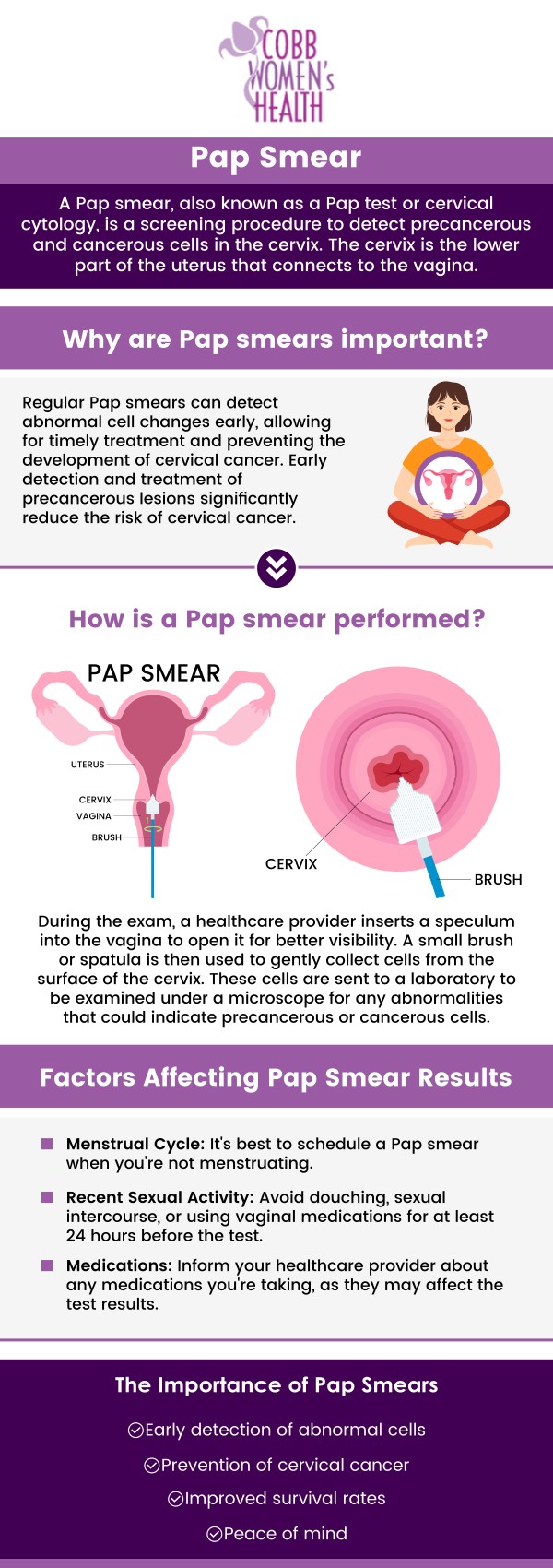
The final evolution of this tech niche is the integration of diagnostic data into broader health ecosystems. Imagine a world where your wearable device (like an Apple Watch or Oura Ring) syncs with your diagnostic lab. While these devices cannot currently perform a Pap smear, they can track the physiological stressors and cycles that provide context to your diagnostic results. The “feel” of healthcare becomes a continuous, background process rather than a sporadic, stressful event.
In conclusion, when we ask “what does a pap smear test feel like” today, the answer is increasingly defined by the triumphs of technology. It is a synergy of ergonomic hardware, AI-driven precision, and secure digital platforms. As MedTech continues to advance, the procedure will continue to shed its legacy of discomfort, replaced by a sophisticated, data-rich experience that prioritizes both the physical comfort and the digital security of the patient. The future of the Pap smear is not just a medical milestone; it is a benchmark for how technology can humanize healthcare.
aViewFromTheCave is a participant in the Amazon Services LLC Associates Program, an affiliate advertising program designed to provide a means for sites to earn advertising fees by advertising and linking to Amazon.com. Amazon, the Amazon logo, AmazonSupply, and the AmazonSupply logo are trademarks of Amazon.com, Inc. or its affiliates. As an Amazon Associate we earn affiliate commissions from qualifying purchases.