
In the landscape of modern mobile gaming and app-based ecosystems, progression is the ultimate currency. Whether you are navigating a fitness app, a productivity suite, or a global gaming phenomenon like Pokémon GO, the mechanics of “leveling up” are governed by complex algorithms designed to balance user engagement with long-term retention. One of the most iconic digital assets in this space is the “Lucky Egg.” While it may appear as a simple consumable item, the Lucky Egg represents a sophisticated tool for optimizing digital progress.
Understanding what a Lucky Egg does—and how to deploy it with surgical precision—is essential for any user looking to master the technical nuances of mobile gaming architecture.

1. The Core Logic: Understanding the XP Multiplier
At its fundamental level, a Lucky Egg is a digital modifier within the software’s reward engine. Its primary function is to apply a 100% boost to Experience Points (XP) earned by the user for a limited duration, typically 30 minutes. In the context of game design, this is known as a “temporary multiplier.”
The Technical Definition of XP
Experience Points (XP) are the data points used to measure a player’s progress through a software’s leveling system. Each action within the app—whether it is capturing a digital creature, completing a quest, or interacting with a location-based node—triggers a specific XP reward. The Lucky Egg intercepts these reward triggers and doubles the output before it is written to the user’s profile database.
The Mechanics of the 30-Minute Window
The Lucky Egg functions on a real-time server-side clock. Once activated, the 30-minute timer runs continuously, regardless of whether the app is open or if the user is actively performing tasks. From a software perspective, this creates a “high-pressure environment” that encourages maximum user throughput. To get the most out of the code, users must ensure their hardware is optimized and their network connection is stable before initiating the activation sequence.
Interaction with Special Events
Modern gaming apps often feature “Double XP” events programmed into their server-side logic. A critical technical detail is that Lucky Eggs usually stack multiplicatively or additively with these global modifiers. For instance, during a 2x XP event, activating a Lucky Egg can result in 4x total XP. Understanding these “stacking” rules is the difference between a casual user and a power user.
2. Strategic Implementation: Optimizing Digital Throughput
In the realm of tech-driven gaming, efficiency is everything. Because the Lucky Egg is often a scarce resource—attained through microtransactions or specific achievement milestones—using one at the wrong time is a significant waste of digital capital. To maximize the 1,800 seconds of a Lucky Egg’s lifespan, users must employ specific data-management strategies.
The Evolution Marathon Technique
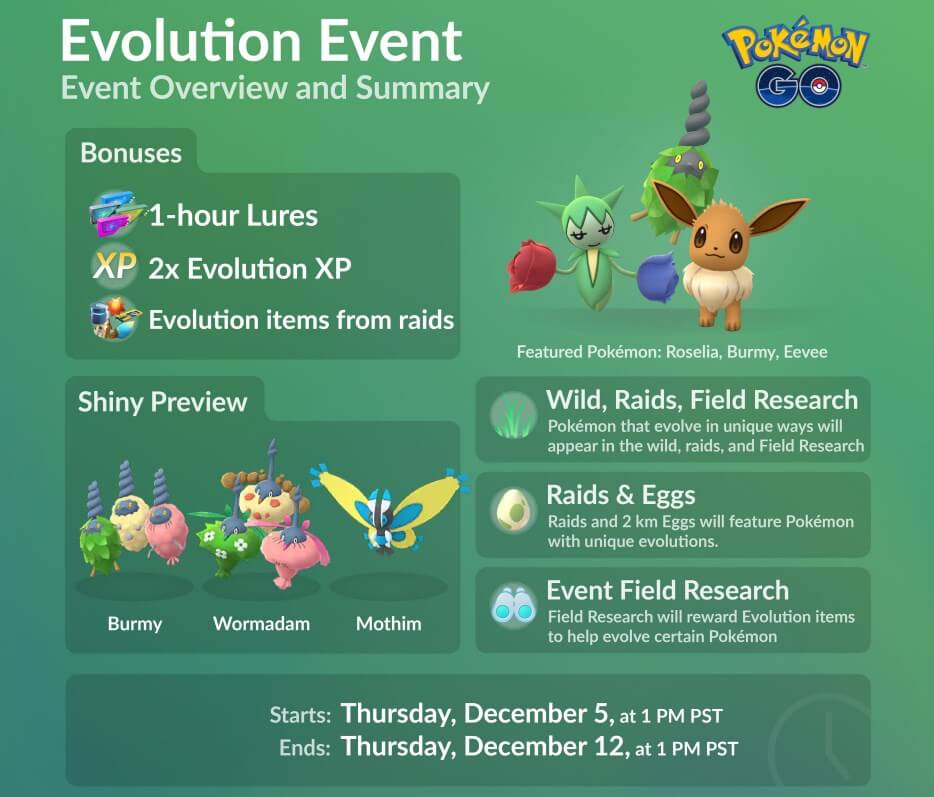
One of the most effective ways to exploit the Lucky Egg’s code is through “evolution marathons.” In many games, the act of evolving a character or upgrading an item yields a high fixed amount of XP. By stockpiling the necessary resources (candies, materials, etc.) and executing dozens of evolutions in a single 30-minute window, a user can generate hundreds of thousands of XP points. This bypasses the traditional “grind” of the game’s progression curve.
Friendship Milestones and API Interactions
Many mobile apps leverage social graphs to encourage engagement. In Pokémon GO, reaching “Ultra Friend” or “Best Friend” status triggers a massive XP drop. These triggers are highly predictable. By coordinating with other users and activating a Lucky Egg just before the app’s server registers the friendship level increase, users can turn a 100,000 XP reward into a 200,000 XP reward instantly. This requires precise timing and a deep understanding of how the app handles notification pings and data syncs.
Synchronizing In-Game Rewards
Beyond evolutions and social triggers, the most efficient users synchronize their “First Catch of the Day” and “Seven-Day Streaks.” These are periodic rewards built into the app’s retention algorithm. When these streaks coincide with a Lucky Egg, the cumulative XP gain can leapfrog a user through several levels in a matter of seconds.
3. The Tech Behind the Item: Gamification and User Retention
The Lucky Egg is more than just a tool for players; it is a masterclass in software gamification. Developers use these items to manipulate the “dopamine loop” and ensure that users remain invested in the ecosystem.
Psychological Anchoring in App Design
The existence of a “boost” item like the Lucky Egg creates a psychological state known as “loss aversion.” Once a user knows they can earn double the rewards, earning the standard amount feels like a loss. This encourages users to wait for the “perfect moment” to play, which increases their mental engagement with the app even when they aren’t actively using it.
The Microtransaction Model
From a business-tech perspective, the Lucky Egg is a key driver of the “freemium” revenue model. While some are given away for free to demonstrate their value, the primary way to obtain them is through a digital storefront using premium currency. This is a classic example of “selling convenience.” The software is intentionally designed with a slow progression curve (the “grind”), and the Lucky Egg is the paid solution to bypass that technical hurdle.
Data Analytics and Balancing
Developers constantly monitor data regarding how Lucky Eggs are used. If players are leveling up too quickly, the developers may adjust the XP requirements for higher levels or change the rewards for specific actions. This “meta-game” balance is managed through cloud-based updates, ensuring the digital economy of the game remains stable while still providing enough incentive for users to purchase and use boosters.
4. Hardware and Software Optimization for Maximum Yield
To truly answer “what does a lucky egg do,” one must look at the physical limitations of the hardware running the app. If your phone is slow or your internet lags, the Lucky Egg’s effectiveness is halved.
Reducing Latency and Animation Lag
Every evolution in a game usually comes with a 10-to-20-second animation. These animations are “dead time” during a Lucky Egg window. Tech-savvy players often look for ways to minimize this. While some apps have built-in “skip” functions, others require users to optimize their device’s RAM and processing power to ensure the app transitions between screens as fast as possible.
The Importance of a Stable Connection
Since XP rewards are verified on the server side, any packet loss or high latency can delay the “reward” signal. If a user performs an action but the server doesn’t register it until the Lucky Egg timer has expired, the bonus is lost. Utilizing a high-speed Wi-Fi connection rather than a fluctuating 4G/5G signal is a technical prerequisite for a successful “egg run.”
Battery Management and Thermal Throttling
Intense 30-minute sessions of rapid screen tapping and data processing can cause mobile devices to heat up. Once a device reaches a certain temperature, the CPU may “throttle,” slowing down the app’s performance. For a power user, keeping the device cool and ensuring it isn’t in a low-power battery mode is essential to maintaining the frame rate required for rapid-fire XP collection.
5. The Future of Boosters in Augmented Reality (AR) and AI
As mobile technology moves toward more integrated AR and AI experiences, the concept of the Lucky Egg is evolving. We are seeing the transition from simple “timers” to context-aware boosters.
AI-Driven Progression Recommendations
Future iterations of mobile apps may use AI to suggest the optimal time for a user to activate a Lucky Egg. By analyzing the user’s inventory and current game state, the software could provide a “projected XP gain” notification, further integrating the booster into the user’s daily habits.
AR Integration and Physical Movement
In location-based tech, the “Lucky Egg” mechanic is being tied more closely to physical movement. We are seeing software that rewards users for moving at specific speeds or visiting high-density “tech hubs.” The Lucky Egg of the future might not just double XP for evolutions, but also for “data discovery” in an augmented physical world.

Conclusion
The Lucky Egg is a cornerstone of digital progression. It is a tool that sits at the intersection of software engineering, behavioral psychology, and strategic optimization. By understanding the underlying logic of the XP multiplier, mastering the timing of digital rewards, and ensuring hardware is tuned for peak performance, users can transform a simple 30-minute timer into a massive leap forward in their digital journey. In the world of tech and gaming, it isn’t just about playing the game; it’s about optimizing the system.
aViewFromTheCave is a participant in the Amazon Services LLC Associates Program, an affiliate advertising program designed to provide a means for sites to earn advertising fees by advertising and linking to Amazon.com. Amazon, the Amazon logo, AmazonSupply, and the AmazonSupply logo are trademarks of Amazon.com, Inc. or its affiliates. As an Amazon Associate we earn affiliate commissions from qualifying purchases.