
In the high-stakes world of global entertainment, the credits of a blockbuster film often list dozens of producers. However, the title of “Executive Producer” (EP) sits at the apex of the hierarchy. While the public often associates film production with artistic direction or on-set management, the role of an Executive Producer is fundamentally a discipline of high-level business finance. To understand what an Executive Producer does is to understand the complex machinery of capital investment, risk management, and the monetization of intellectual property.
An Executive Producer is the financial architect of a project. They are not typically concerned with the specific aperture of a camera lens or the motivation of an actor; rather, they focus on the fiscal health, strategic positioning, and the ultimate Return on Investment (ROI) of the cinematic asset.

The EP as the Chief Financial Architect: Securing the Capital
At its core, a film is a startup venture with a multi-million dollar budget and a timeline that spans several years. The Executive Producer acts as the primary fundraiser and financial strategist. Without the EP, the creative vision remains a script on a shelf; they are the bridge between the creative concept and the capital required to manifest it.
Equity Investors and Private Equity
For many independent and mid-budget films, the Executive Producer’s primary responsibility is identifying and securing private equity. This involves pitching the film as a viable investment vehicle to high-net-worth individuals or private equity firms. The EP must translate creative potential into a “pitch deck” that speaks the language of finance—discussing “comparables,” projected box office revenue, and the “waterfall” of repayment. They structure the deals that allow investors to take a stake in the film’s profits, often navigating complex legal frameworks to ensure the investment is secure.
Navigating Soft Money: Tax Credits and Grants
In the modern financial landscape of film, “soft money” is a critical component of any budget. Executive Producers are experts at navigating international and domestic tax incentives. Whether it is a 30% rebate for filming in Georgia or a specialized grant from a European cultural fund, the EP identifies these opportunities to offset the production’s “negative cost.” By strategically choosing filming locations based on tax treaties and financial incentives, an EP can effectively reduce the amount of hard capital required, thereby lowering the risk for investors.
Debt Financing and Gap Loans
When equity and tax credits aren’t enough to cover the full budget, the Executive Producer turns to debt financing. This involves working with specialized entertainment banks to secure loans against the film’s unsold territories or future tax rebates. The EP manages the “gap financing”—the difference between the money already raised and the total budget needed to reach the “Greenlight” stage. This requires a deep understanding of interest rates, loan-to-value ratios, and the financial stability of the distributors involved.
Strategic Budget Management and Risk Mitigation
Once the capital is secured, the Executive Producer’s role shifts from fundraising to fiscal oversight. While the line producer manages daily expenses, the EP monitors the project from a “macro” financial perspective, ensuring that the project remains a sound business investment.
Contingency Planning and ROI Projections
Every film budget includes a contingency—usually 10% of the total cost—to cover unforeseen disasters. The Executive Producer manages this fund and makes high-level decisions when the production faces a financial crisis. If a film goes over budget, it is the EP who must either find additional capital or make the difficult decision to cut scenes or reduce the scope of the project to protect the investors’ interests. Their primary goal is to prevent “budget creep” from eroding the eventual ROI.
Completion Bonds and Financial Insurance
To protect the investment, an Executive Producer facilitates the “completion bond.” This is a form of insurance that guarantees the film will be finished and delivered to distributors on time and on budget. The EP works with the bond company to provide regular financial audits of the production. If the production is mismanaged, the bond company has the right to step in, often at the EP’s behest, to take over the finances. This level of oversight is essential in high-finance filmmaking to mitigate the inherent risks of a creative endeavor.
Oversight vs. Interference: Protecting the Investment
The EP must strike a delicate balance between giving the creative team freedom and ensuring the project remains marketable. If a director wants to spend an extra $2 million on a practical explosion that wasn’t in the budget, the EP evaluates this through a financial lens: Will this $2 million investment increase the film’s market value by more than $2 million? If the answer is no, the EP acts as the fiscal “adult in the room,” vetoing expenditures that do not contribute to the project’s bottom line.
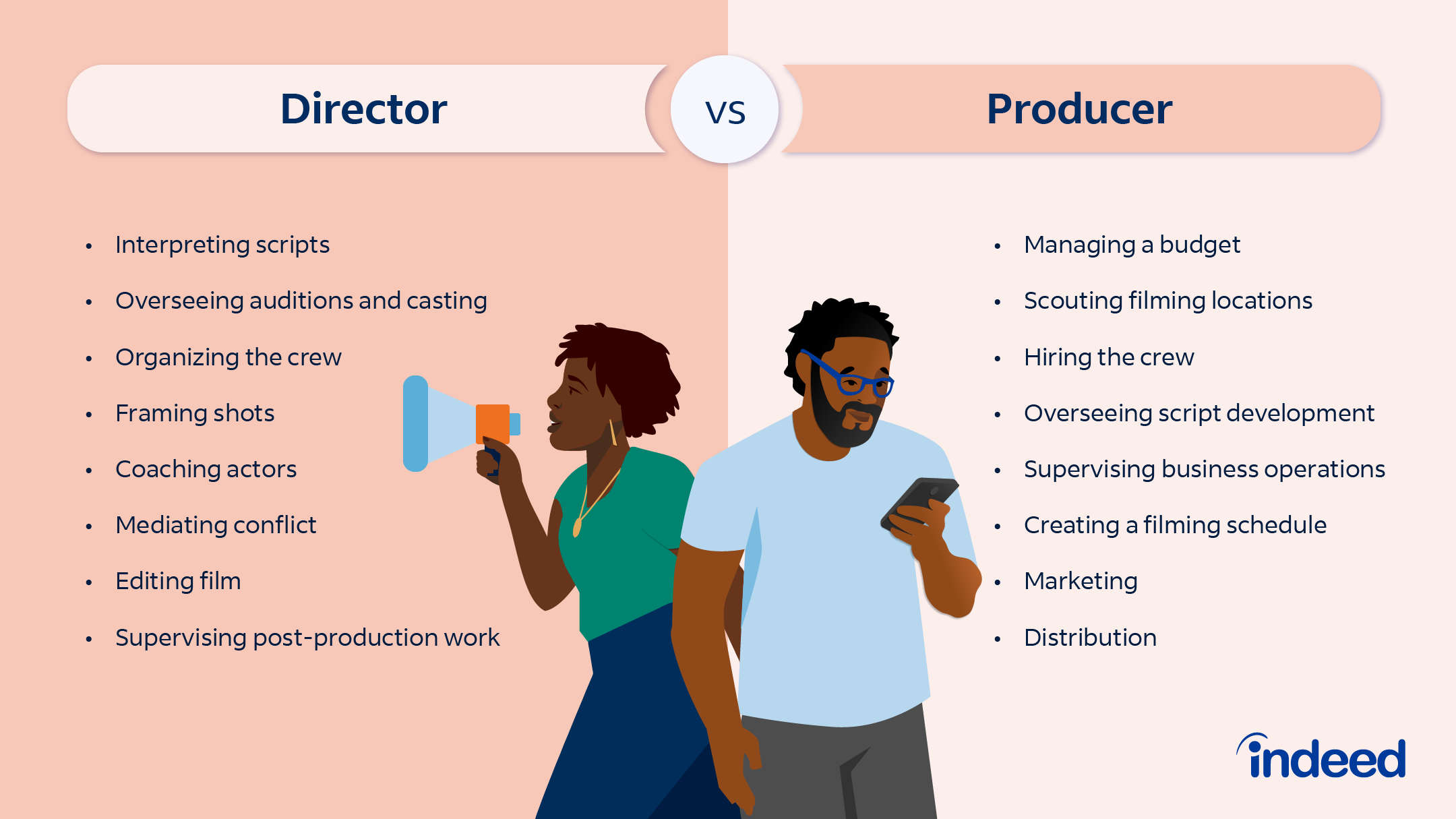
The Executive Producer as a Business Brand Entity
In the film industry, a name can be a financial asset. Often, an Executive Producer is brought onto a project not just for their cash, but for their “brand equity.” This is the “Personal Branding” aspect of the role that serves a purely financial function.
Leveraging Reputation for Financial Leverage
A “Produced By” or “Executive Produced By” credit from a high-profile individual (like a Steven Spielberg or a Jason Blum) acts as a seal of approval for other investors and distributors. When an EP with a track record of hits attaches their name to a project, the perceived risk of that project drops significantly. This allows the production to secure better interest rates on loans and higher bids from streaming services. In this sense, the EP’s reputation is a form of intangible capital.
Packaging the Deal: Talent and Marketability
One of the EP’s most important financial tasks is “packaging.” This involves attaching “bankable” talent—directors and lead actors who have a proven history of generating revenue—to the script. A script alone is hard to finance; a script with an A-list star and a renowned EP is a financial product. The EP uses their industry relationships to assemble a team that maximizes the film’s “foreign pre-sales” value, which is the amount of money international distributors are willing to pay before the film is even shot.
Revenue Streams and Post-Production Monetization
The Executive Producer’s job does not end when the cameras stop rolling. In many ways, the most critical financial phase begins in post-production, where the “product” is finally brought to market.
Distribution Rights and Pre-Sales
The EP is the lead negotiator in distribution deals. They must decide whether to sell the film to a global streamer (like Netflix or Amazon) for a flat “buyout” fee or to go the traditional theatrical route with a “percentage of the gross.” A buyout offers immediate ROI and eliminates risk, but a theatrical release offers the potential for much higher “back-end” profits. The EP analyzes market trends, audience data, and financial forecasts to choose the path that maximizes shareholder value.
Ancillary Markets: Streaming, VOD, and Beyond
Beyond the initial release, the Executive Producer manages the “long tail” of the film’s revenue. This includes licensing the film for television, Video on Demand (VOD), in-flight entertainment, and international markets. They oversee the “collection account,” ensuring that as money flows in from various global sources, it is distributed according to the “waterfall”—paying off the bank first, then the investors, then the talent, and finally the production company.
P&A: Prints and Advertising
Even a great film will fail financially without a proper marketing budget. The EP often oversees the “P&A” (Prints and Advertising) spend. This is the capital allocated to trailers, posters, and digital marketing. The EP must determine how much more money to “bet” on the film’s release. If the film is testing well, they might raise an additional $20 million for a massive marketing push, betting that the increased visibility will result in a 5x return at the box office.

Scaling the Business: From Independent EP to Studio Mogul
The path of an Executive Producer is one of scaling a business. What begins as a side hustle—raising a few thousand dollars for a short film—can evolve into a career managing a slate of features with a cumulative value in the billions.
For those interested in the business of film, the role of an EP represents the ultimate fusion of finance and entertainment. It requires a mastery of contract law, a deep understanding of global market fluctuations, and the ability to manage large-scale capital. Successful EPs often transition into running their own production companies, where they manage a “slate” of projects, diversifying their financial risk across multiple films much like a venture capitalist manages a portfolio of startups.
In conclusion, while the director is the “author” of the film’s story, the Executive Producer is the “author” of its financial success. They are the individuals who understand that in the world of cinema, the “show” cannot happen without the “business.” By securing capital, mitigating risk, and strategically navigating the global marketplace, the Executive Producer ensures that the film industry remains a viable and profitable sector for investors worldwide.
aViewFromTheCave is a participant in the Amazon Services LLC Associates Program, an affiliate advertising program designed to provide a means for sites to earn advertising fees by advertising and linking to Amazon.com. Amazon, the Amazon logo, AmazonSupply, and the AmazonSupply logo are trademarks of Amazon.com, Inc. or its affiliates. As an Amazon Associate we earn affiliate commissions from qualifying purchases.