
For centuries, the feline sneeze has been a source of both endearment and minor anxiety for pet owners. In a traditional context, a sneeze is a simple physiological reflex—an involuntary expulsion of air to clear the nasal passages. However, in the rapidly evolving landscape of veterinary technology, a cat sneezing is no longer just a biological event; it is a data point.
As the intersection of artificial intelligence (AI), Internet of Things (IoT) sensors, and digital health platforms expands, we are entering an era where technology can translate these subtle biological signals into actionable medical insights. The question of “what does a cat sneezing mean” is being answered not just by veterinarians, but by sophisticated algorithms capable of distinguishing between a harmless dust-induced tickle and the early onset of feline upper respiratory infection (URI).
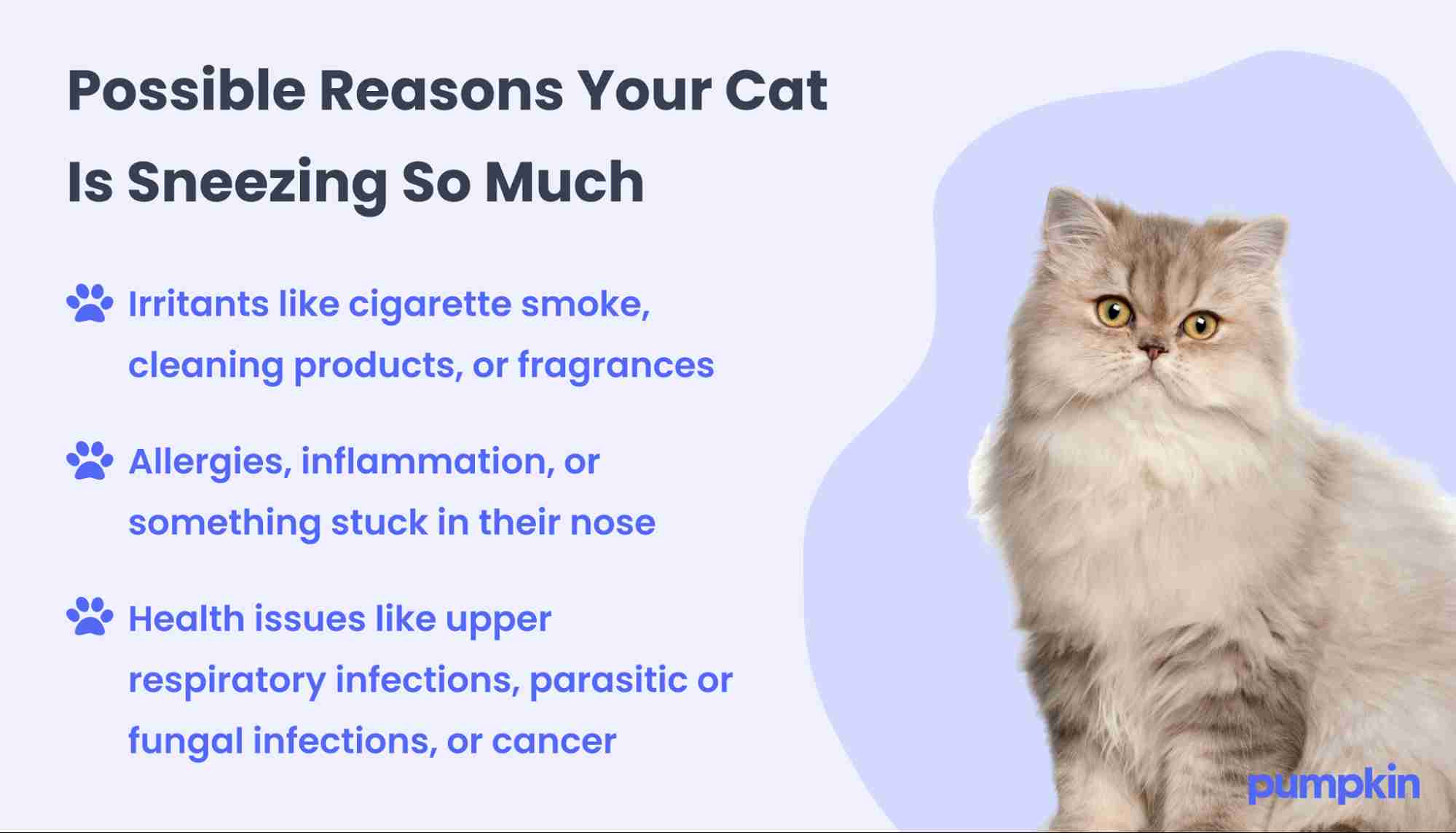
The Digital Translation of Feline Physiology
The primary challenge in feline medicine has always been the “silent patient” phenomenon. Cats are evolutionarily predisposed to hide symptoms of illness. By the time a cat is visibly struggling, the underlying condition is often advanced. Modern technology is bridging this communication gap through acoustic monitoring and biometric tracking.
AI-Powered Sound Recognition and Acoustic Monitoring
One of the most significant breakthroughs in pet tech is the application of machine learning to acoustic signals. AI-driven apps and home monitoring systems are now trained to recognize the specific “signature” of a feline sneeze. Unlike human speech, which is complex and varied, a sneeze has a relatively consistent frequency response and temporal pattern.
Advanced neural networks can now analyze audio captured via smart home devices or dedicated health monitors. By utilizing Fast Fourier Transform (FFT) analysis, these systems can distinguish a dry sneeze from a “productive” or wet sneeze. A productive sneeze often indicates the presence of mucus or discharge, which might suggest a viral load or bacterial infection. By cataloging the frequency and intensity of these sounds over time, AI tools provide a longitudinal view of a pet’s health that a one-off veterinary visit simply cannot match.
Smart Wearables: Tracking the Frequency and Context of Sneezing
The wearable tech market for pets has moved far beyond simple GPS tracking. Modern biometric collars are equipped with high-precision accelerometers and gyroscopes that detect the specific “head-flick” motion associated with sneezing.
When a cat sneezes, it typically undergoes a rapid forward and downward movement of the head. Wearable devices can log these events with timestamped precision. This context is vital: Does the cat sneeze only when it is near its litter box? Does it sneeze more frequently at night? By syncing this data with a smartphone app, owners can identify environmental triggers—such as high dust levels or specific fragrances—that would otherwise remain hidden variables.
Telemedicine and Data-Driven Triage
The shift toward digital health has transformed the initial point of care. For many owners, the first response to a sneezing cat is no longer a phone call to a clinic, but the engagement of a digital triage tool. These platforms leverage computer vision and integrated sensors to provide a preliminary assessment.
Computer Vision and Symptom Assessment Apps
Recent advancements in computer vision (CV) have allowed developers to create applications that analyze photos or videos of a cat’s face to detect signs of illness. When a cat sneezes frequently, developers look for “biomarkers” of respiratory distress.
Algorithms are trained to identify ocular discharge (runny eyes), nasal inflammation, or changes in the “feline grimace scale”—a method of assessing pain through ear position and whisker tension. By combining the data of a recorded sneeze with a CV analysis of the cat’s facial features, these apps can provide a “risk score,” helping owners decide whether an emergency vet visit is necessary or if home observation is sufficient.
Integrating IoT Home Sensors for Environmental Analysis
A sneeze is often a reaction to the environment. The “smart home” ecosystem is now being leveraged to diagnose the cause of respiratory irritation. Smart air purifiers and air quality monitors (AQMs) track PM2.5 levels, volatile organic compounds (VOCs), and humidity.
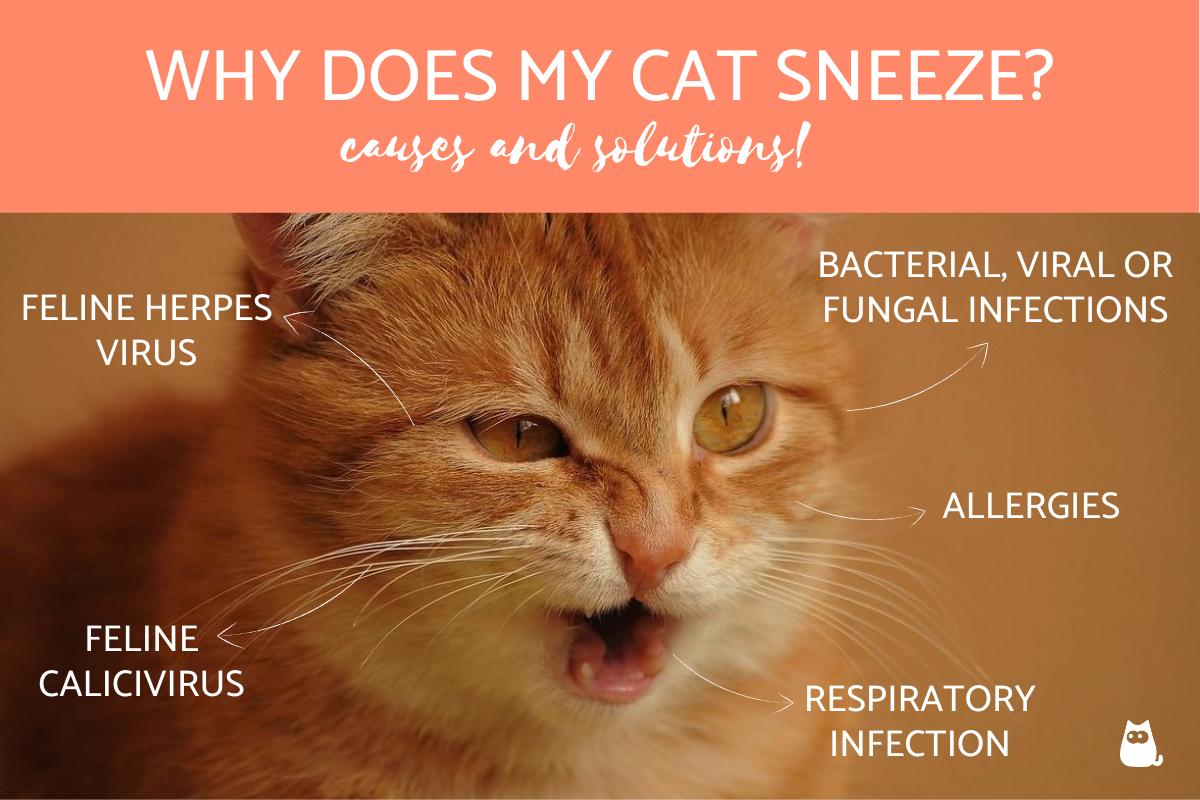
When integrated with a pet health app, this data can reveal striking correlations. For instance, if a cat’s sneezing spikes simultaneously with a rise in indoor particulate matter, the “meaning” of the sneeze is likely environmental rather than infectious. This integration of IoT data allows for a holistic view of the animal’s health, treating the home environment as a critical component of the diagnostic process.
Predictive Analytics: Moving from Reaction to Prevention
The most profound impact of technology on feline health lies in predictive analytics. By moving away from reactive treatments and toward proactive monitoring, we can mitigate the severity of respiratory diseases before they become chronic.
Machine Learning Models in Veterinary Bioinformatics
The “big data” revolution is finally reaching the veterinary sector. When thousands of pet owners use digital health tools to log symptoms like sneezing, that data is anonymized and fed into large-scale machine learning models. These models can track the spread of feline-specific viruses, such as Feline Herpesvirus-1 (FHV-1) or Calicivirus, across specific geographic regions.
For an individual cat, predictive analytics can identify patterns that precede a major flare-up. Many cats carry latent viruses that reactivate during times of stress. By monitoring subtle changes in sleep patterns, activity levels, and minor sneezing episodes, AI can alert an owner to a potential “crash” days before the clinical symptoms become severe. This allows for early intervention with L-lysine supplements or environmental adjustments, potentially avoiding the need for heavy antibiotics.
The Future of Proactive Pet Care through Big Data
In the near future, we can expect “Digital Twins” for pets—virtual models that simulate a cat’s health based on their genetic profile, historical health data, and real-time sensor input. If a cat with a genetic predisposition to asthma begins sneezing, the digital twin can simulate the trajectory of the condition and recommend specific preventive measures. This level of personalized medicine, powered by high-performance computing, will redefine the “meaning” of a sneeze from a simple symptom to a manageable variable in a comprehensive health strategy.
Ethical Considerations and the Limitations of Health Tech
While the technological advancements in decoding feline behavior are impressive, they are not without challenges. As we rely more heavily on gadgets and AI to interpret what a cat’s sneeze means, we must consider the ethical and practical limitations of these tools.
Data Privacy for Pet Owners
The rise of pet-tech brings with it the same concerns found in human “MedTech”: data security. Health data collected from smart collars and home cameras is sensitive. There are ongoing debates within the tech community regarding who owns this data—the pet owner, the tech company, or the veterinarian? Ensuring that this data is encrypted and used ethically to improve animal welfare, rather than just for targeted advertising of pet products, is a critical hurdle for the industry.
The Human-Tech Partnership in Clinical Diagnosis
It is essential to recognize that technology is a supplement to, not a replacement for, professional veterinary expertise. An AI might identify a sneeze, and an IoT sensor might detect high pollen counts, but a veterinarian provides the clinical judgment necessary to differentiate between a common allergy and a life-threatening nasopharyngeal polyp.
The “insightful” approach to pet tech is one of partnership. The goal is to provide veterinarians with “cleaner” data. Instead of an owner saying, “I think he’s been sneezing a lot lately,” they can present a digital dashboard showing “14 sneezing episodes in 24 hours, correlated with a 20% drop in activity and a 5% increase in respiratory rate.” This level of precision allows for faster, more accurate diagnoses and better outcomes for the feline patient.

Conclusion: The New Language of Feline Health
What does a cat sneezing mean? In the digital age, it means a wealth of information is waiting to be decoded. Through the lens of technology, a sneeze is a signal—a packet of data that, when processed by AI, monitored by IoT, and analyzed by predictive models, tells a story about the cat’s internal and external world.
As we continue to develop sophisticated tools for monitoring our pets, we move closer to a world where “the silent patient” is finally heard. The sneeze is no longer a mystery; it is an invitation to use the best of our technological capabilities to ensure the health and longevity of our feline companions. The future of pet care is not just about treating illness, but about understanding the digital pulse of our animals, one sneeze at a time.
aViewFromTheCave is a participant in the Amazon Services LLC Associates Program, an affiliate advertising program designed to provide a means for sites to earn advertising fees by advertising and linking to Amazon.com. Amazon, the Amazon logo, AmazonSupply, and the AmazonSupply logo are trademarks of Amazon.com, Inc. or its affiliates. As an Amazon Associate we earn affiliate commissions from qualifying purchases.